
As homeschooling continues its rapid rise across America, a growing number of state lawmakers are proposing new regulations aimed at families who educate their children at home.
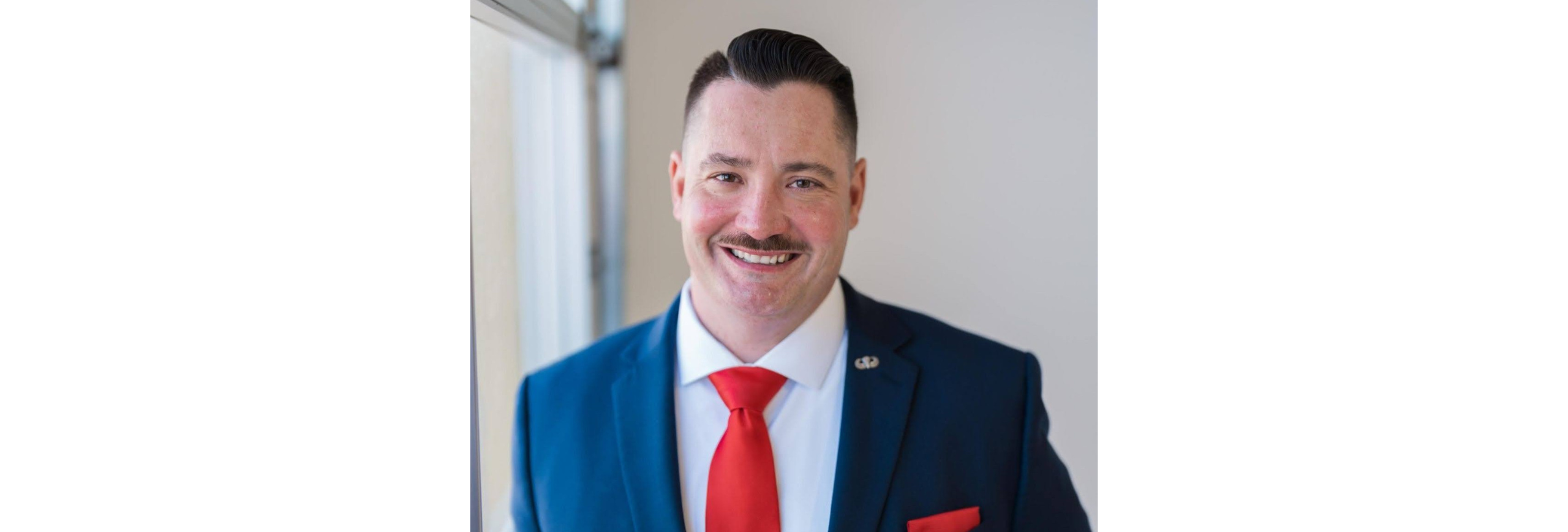
But for Kevin Boden, Legal Director of the Home School Legal Defense Association (HSLDA), the trend is less about fixing problems and more about a battle over who controls a child’s education: parents or the government.
“We take the increase in legislative activity seriously, but not with panic,” Boden said in an interview. “Many of these proposals reflect a misunderstanding of homeschooling families and their committed role in educating their children. Homeschoolers are not a problem to be fixed. They are parents exercising a fundamental right.”
Homeschooling, once viewed as a niche alternative, has moved firmly into the mainstream. Millions of families opted out of traditional classrooms during the COVID-19 pandemic, and many never returned. That shift has changed the national education landscape and, according to Boden, drawn fresh attention from policymakers uncomfortable with the growth of parent-directed learning.
“The growth since 2020 has forced a cultural reckoning,” he said. “More parents began paying close attention to what their children were being taught. What’s really at stake is who has primary responsibility for a child’s education and moral formation. Is it parents or the state?”
For HSLDA, the answer is clear.
The country’s largest legal advocacy group for homeschooling has spent decades defending families in state legislatures and courtrooms. Its core argument is rooted in constitutional precedent: that parents, not bureaucracies, have the primary authority over their children’s upbringing.
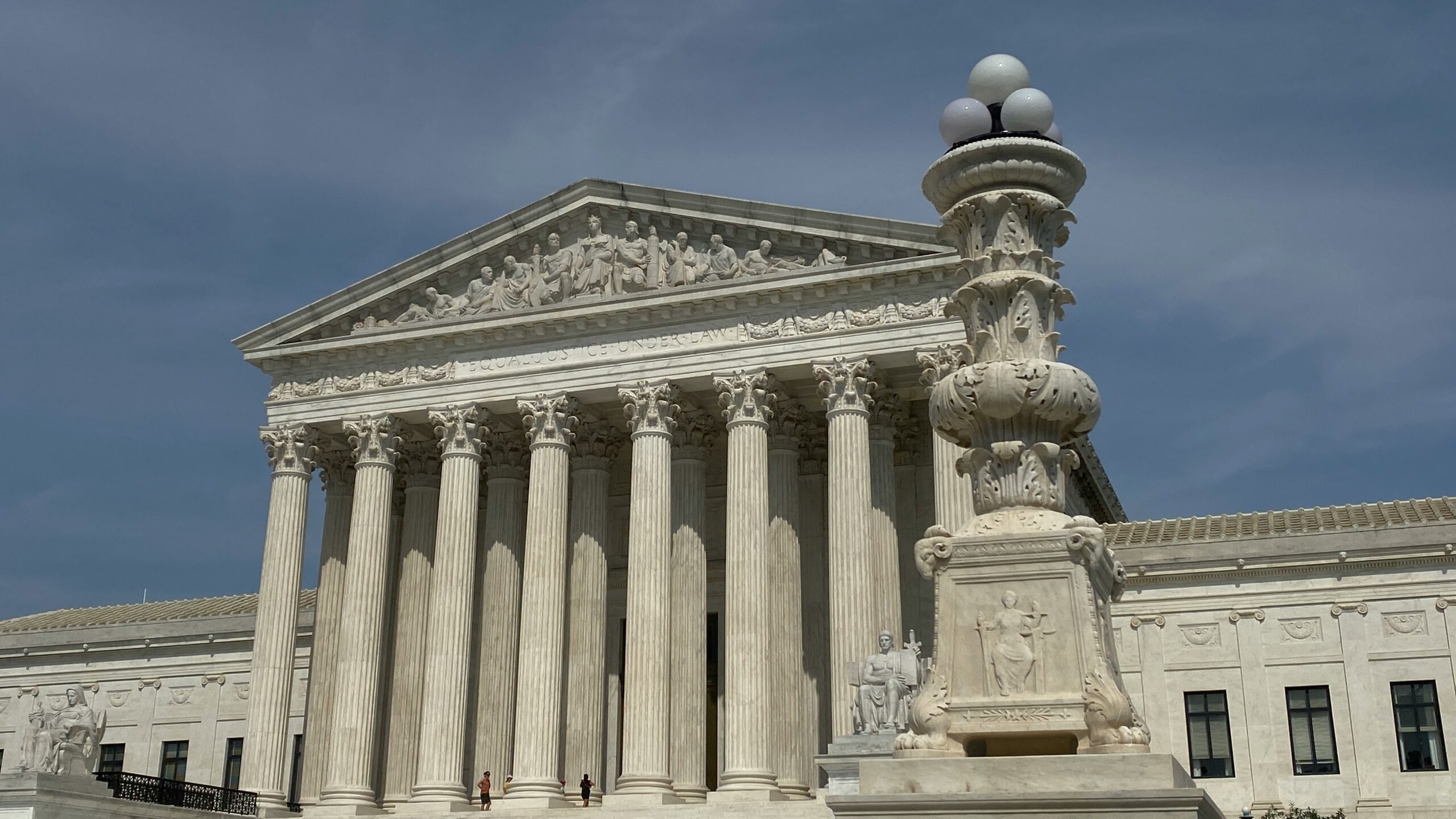
“The U.S. Supreme Court has long affirmed that parents have the fundamental right to direct the upbringing and education of their children,” Boden said. “Homeschooling represents the exercise of that right, not a rejection of societal responsibility.”
Despite homeschooling’s track record of academic performance and safety, critics in several states have pushed for tighter oversight, including additional reporting requirements, mandatory assessments, and expanded state monitoring. Supporters of those measures argue they ensure accountability.
But HSLDA warns that even well-intentioned proposals can create unnecessary burdens.
“We monitor bills closely because poorly drafted laws can intrude on families who are already doing an excellent job,” Boden said. “When states move toward heavier regulation, it’s often less about evidence of problems and more about discomfort with families operating outside government systems.”
In other words, he argues, the issue is cultural as much as educational.
Public schools have historically served as institutions that transmit shared civic values. As more families choose to educate outside that structure, some policymakers worry about losing influence over how children are shaped intellectually and morally.
“HSLDA believes moral formation is first and foremost a parental responsibility, not a government function,” Boden said.
That position resonates with many conservative and faith-based families who see homeschooling as a way to protect their children from politicized curricula or ideologies they oppose.
The organization’s message to lawmakers is straightforward: protect freedom rather than regulate it away.
“Parents are best positioned to direct their children’s education,” Boden said. “Homeschool families have proven for decades that they can do so responsibly without intrusive oversight.”
HSLDA has focused primarily on working within state legislatures to stop restrictive bills before they become law.
“Our goal has always been to protect homeschool freedom as close to home as possible,” he explained. “Through state legislatures, state courts, and constructive engagement.”
Still, the group is prepared to escalate a matter to litigation if necessary.
“If regulations cross a constitutional line and threaten fundamental parental rights, we would strongly consider pursuing relief through the courts, including the U.S. Supreme Court,” Boden said.
For now, homeschooling families continue to grow in number and confidence, forming co-ops, hybrid academies, and online networks that provide both academic rigor and community.
Boden believes that momentum is unlikely to slow.
“Homeschooling is visible, it’s growing, and it’s no longer marginal,” he said. “Parents want the freedom to raise and educate their children according to their values. That’s not something government should stand in the way of.”
As debates over education intensify nationwide, the clash between expanding state oversight and parental control may define the next chapter of America’s schooling system. For families who have chosen the homeschool path, the message from advocates is simple: the right to teach your children belongs at home.
Written in partnership with Tom White