
A Wake Up Call for Healthy Aging and Independent Living
For many families, the transition into the “golden years” is marked by a growing sense of unease. As health costs rise and mobility decreases, the looming shadow of an assisted living often feels like an unavoidable destination. Traditional senior care models frequently focus on managing decline—tracking the progression of symptoms and increasing medication dosages—rather than actively restoring vitality.
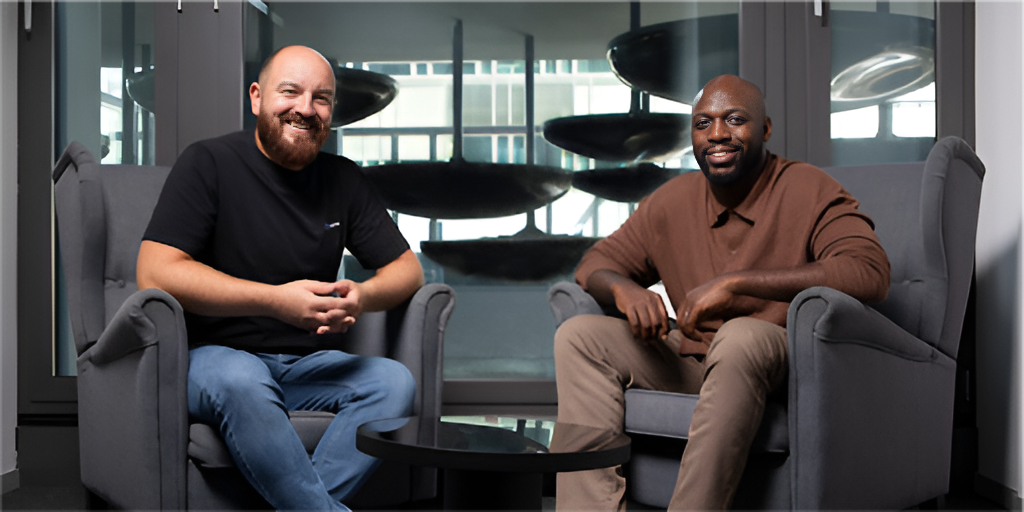
Thrive At Your Home was founded to bridge the gap between the medical system’s recommendations and the practical realities of daily life. Founded by Hal Cranmer and Cari Kamp, the brand offers a transformative approach designed for adults over 50 and their caregivers supporting a loved one at home, proving that independence isn’t a luxury of the young—it’s a result of intentional habits.
From the Frontlines of Healthcare and Assisted Living
The philosophy behind Thrive At Your Home wasn’t born in a lab, but through real world health coaching and hands-on experience supporting individuals and families including work within residential care homes- where lifestyle choices directly impact daily life.
- Cari Kamp, a certified nutritional health coach with extensive experience working in healthcare, witnessed how real-food nutrition and lifestyle shifts could help individuals manage chronic inflammation and improve metabolic markers.
- Hal Cranmer, an experienced owner and operator of assisted living homes, saw the other side: residents who were losing their independence not because of age, but because of a system that prioritized passive care over active health improvement.
Their combined experience led to a startling realization: many people enter assisted living facilities at a late stage of chronic illness when intervention is most difficult. By launching a global online community, they aimed to reach people earlier, providing the tools to mitigate or prevent these conditions before a move to a facility becomes necessary.
The Daily Habits Blueprint: Science-Backed Simplicity
What sets Thrive At Your Home apart is its Daily Habits Blueprint. While many programs focus on a single factor like “diet” or “exercise,” this framework addresses the body as an integrated system.
Key Pillars of the Thrive Framework:
- Metabolic Health & Nutrition: Moving away from processed foods and focusing on low-inflammatory, real-food options to improve insulin sensitivity.
- Strategic Movement: Incorporating resistance training to maintain bone density and other exercise to manage blood sugar spikes.
- Restorative Habits: Optimizing sleep, hygiene and implementing “pantry purges” to remove environmental triggers of poor health.
- Community & Coaching: Through the Circle platform, members gain access to cooking demonstrations, self-learning courses, and a private forum for shared experience.
Why the “Thrive” Method is Different
Most wellness programs target younger demographics interested in aesthetics or peak athletic performance. Conversely, many senior programs focus on “managing” diseases like Alzheimer’s or Type 2 Diabetes through research fundraising and symptom tracking.
Thrive At Your Home occupies the “missing middle.” It provides real-life tools for individuals as well as caregivers for a family member:
- Reduce Reliance on Medications: By addressing root causes like inflammation.
- Save Financial Resources: Every month spent at home instead of in a facility can save a family thousands of dollars.
- Empower Caregivers: Giving those caring for elderly parents a clear, actionable roadmap to improve their loved one’s quality of life.
“We take science and turn it into simple, repeatable habits that families can use at home. It’s about doing everything to prevent or fight the disease, rather than just managing the decline.”
A Community of Action
Ultimately, Thrive At Your Home is more than an information portal; it is a movement. By shifting the focus from “what is wrong” to “what can be improved,” Hal and Cari are helping seniors reclaim their strength and freedom. Whether it is a member moving from a wheelchair back to walking or a family putting a diabetes diagnosis into remission through lifestyle changes, the results speak to a fundamental truth: it is never too late to start.
The best time to protect your independence is today, before a crisis occurs. By adopting a weekly structure of simple home practices, you aren’t just adding years to your life—you are adding life to your years.
Written in partnership with Tom White