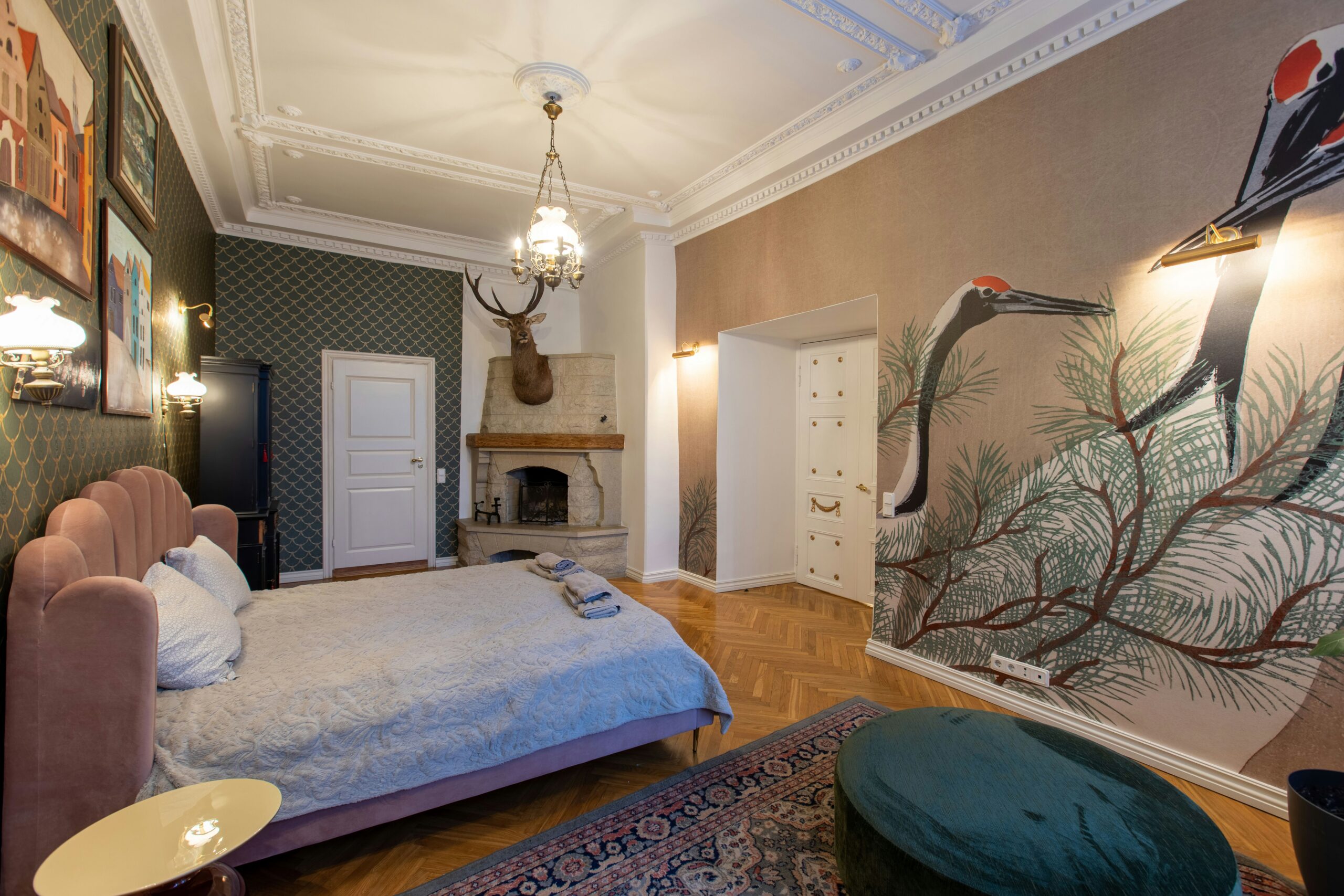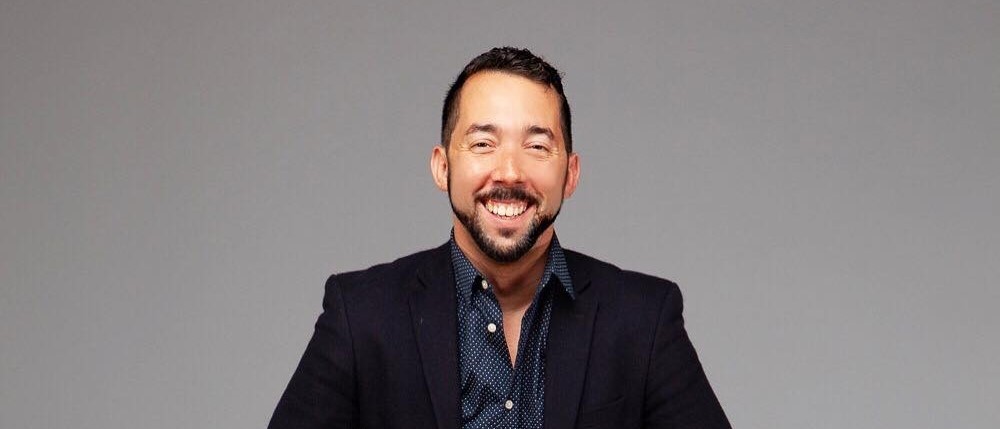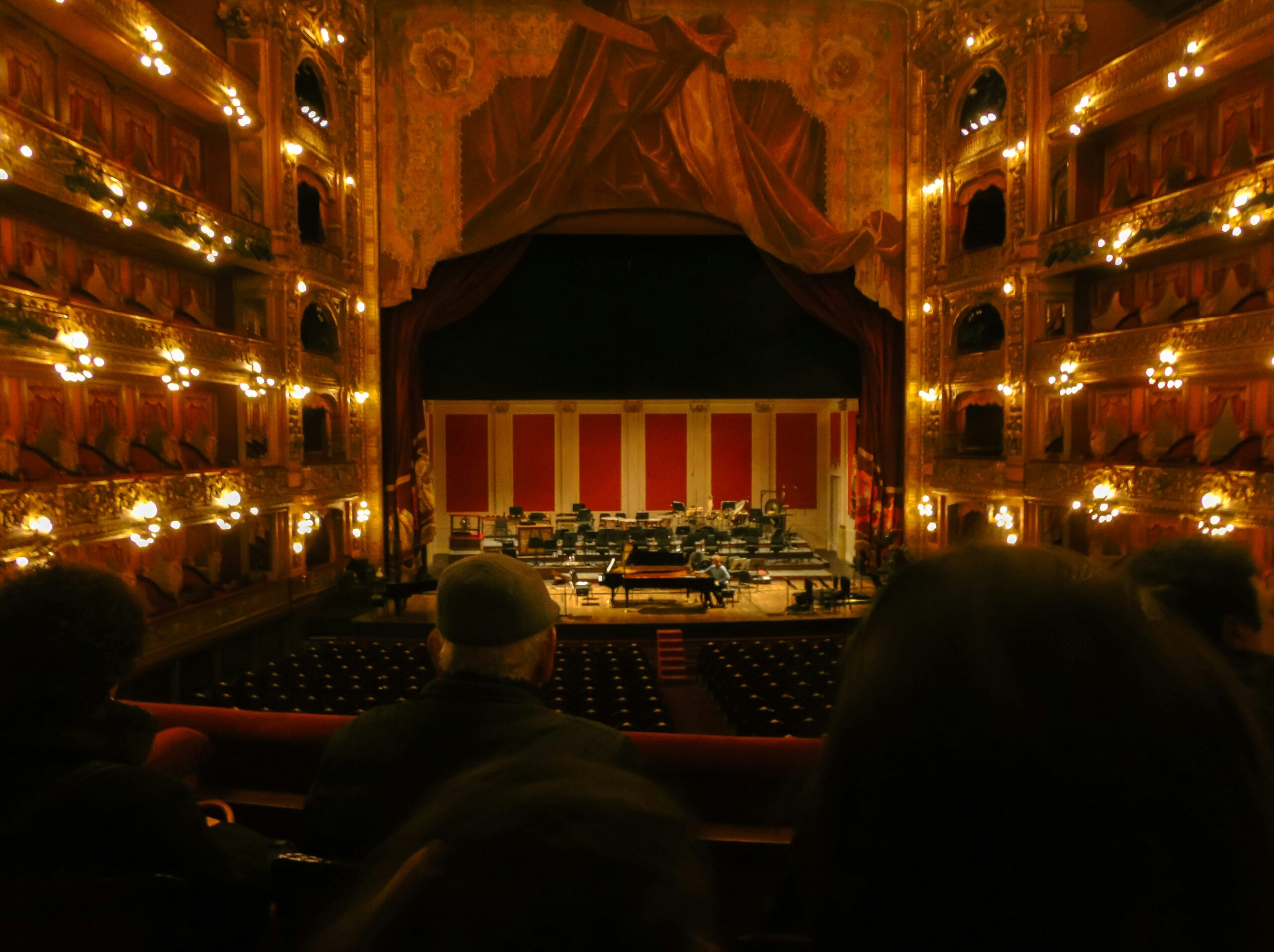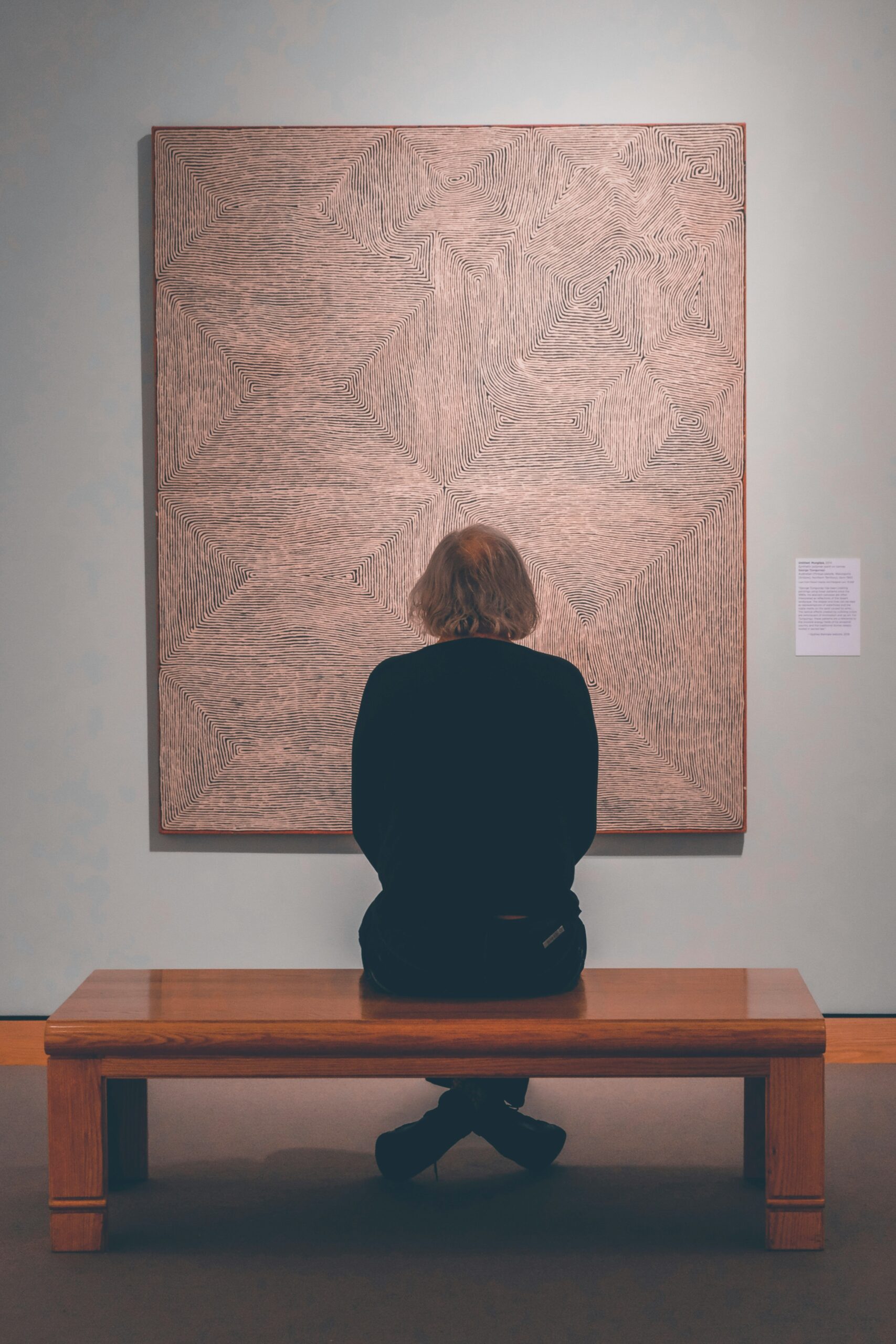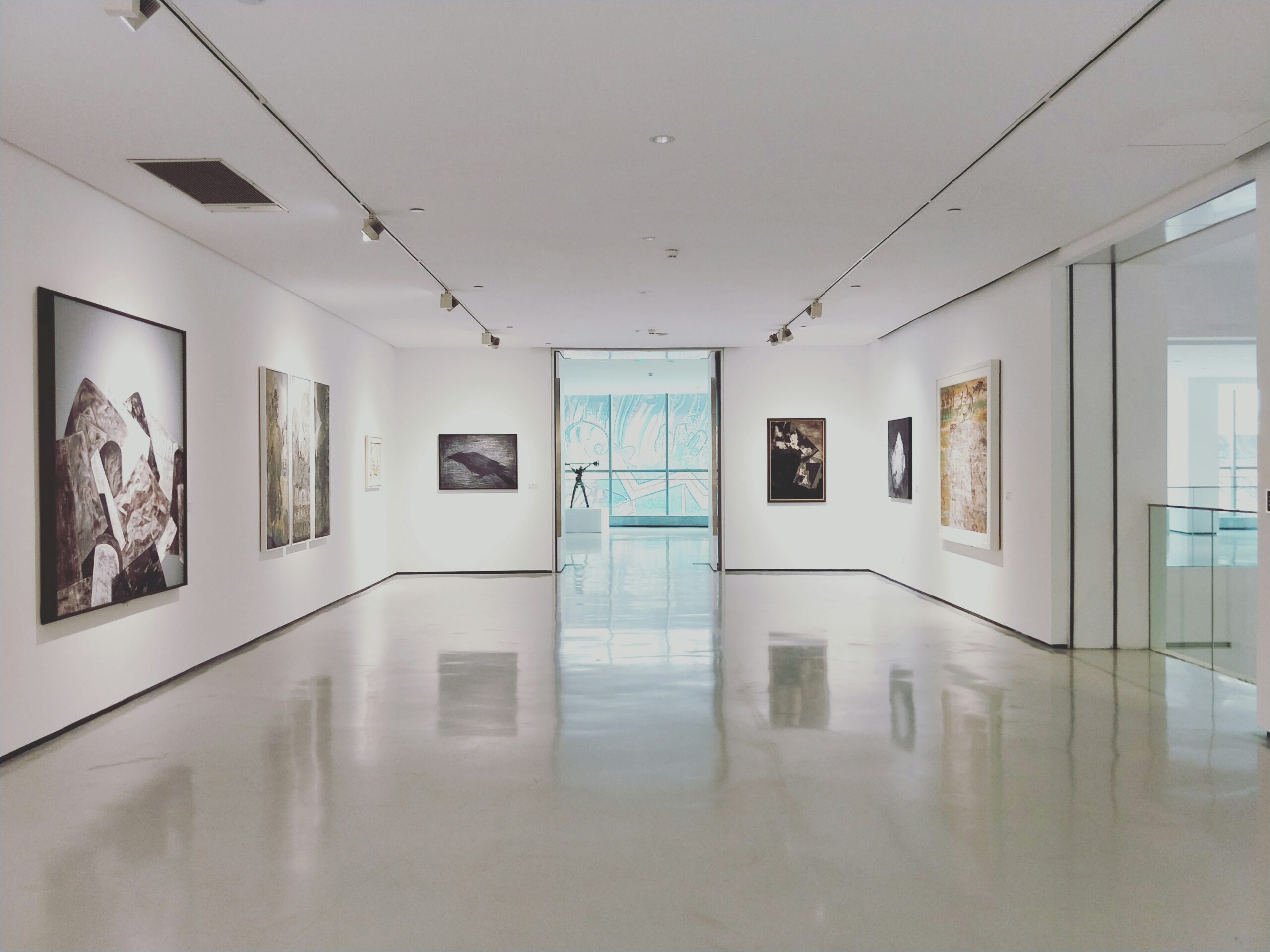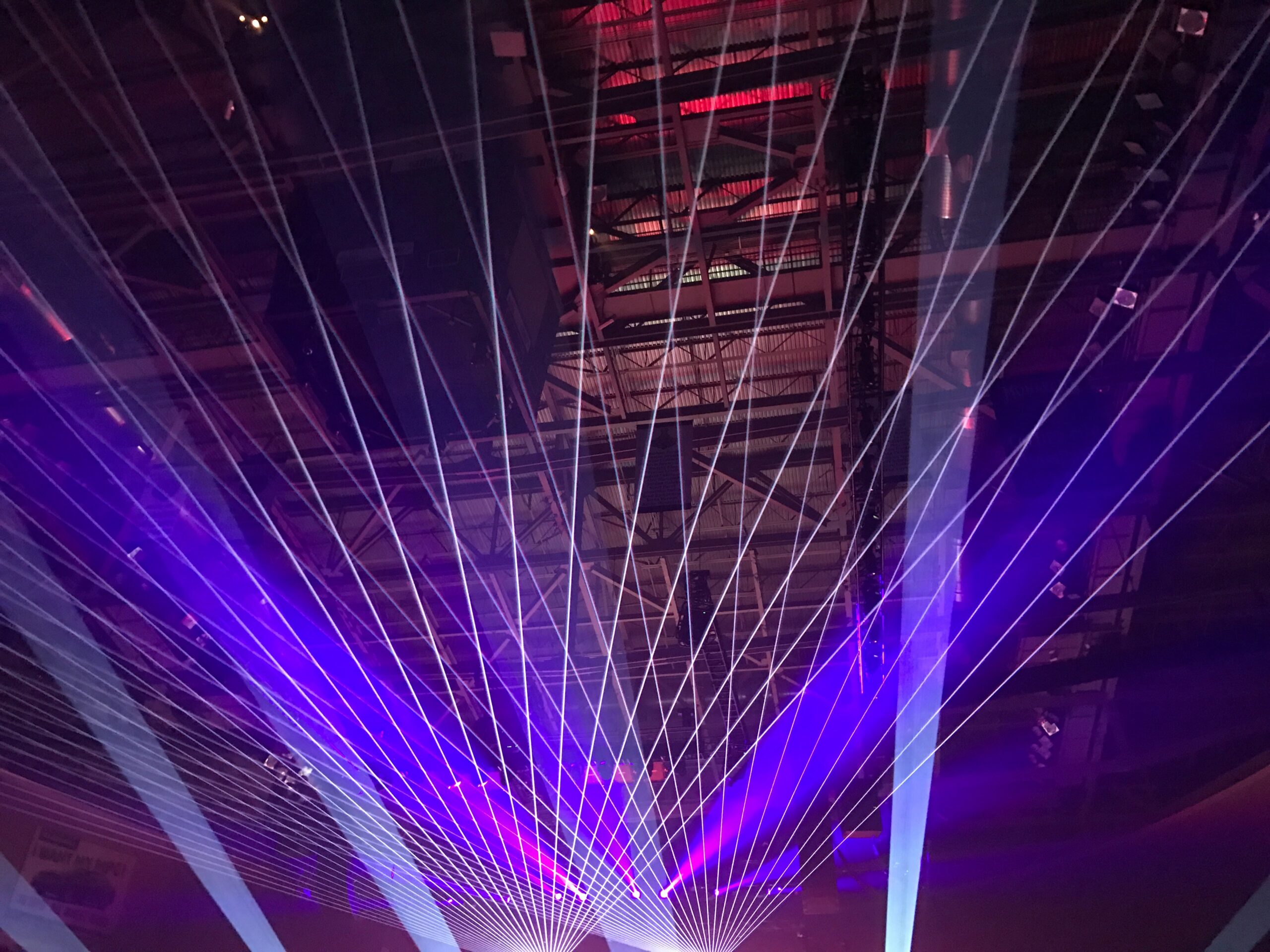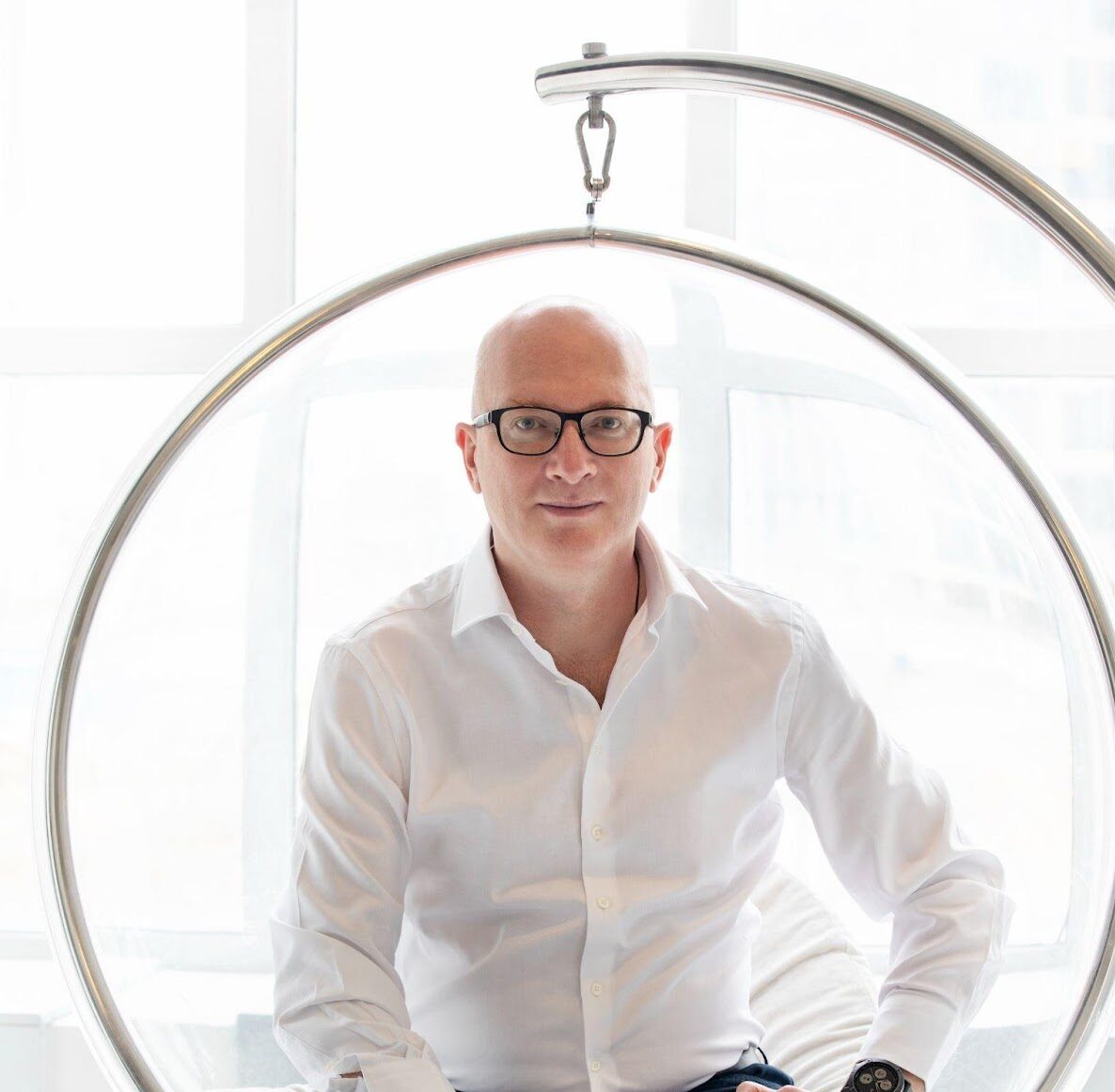

There is a moment, just as you step into one of Benjamin Forest’s ceremony spaces, when you could swear you have entered an installation rather than a therapeutic room. Candles cast warm, shifting light across a deliberately arranged altar. Objects sit with intention rather than decoration. Fabrics soften edges. The air carries the density of scent and sound, curated to draw the body inward. If you did not know Benjamin Forest was a transformational guide, you might assume he was a director preparing an immersive performance. His work, explored, lives at the intersection of ritual and aesthetics. It uses beauty, symbolism, and atmosphere to create experiences that function as both healing and art.
THE MILITARY AS ANTI-ART
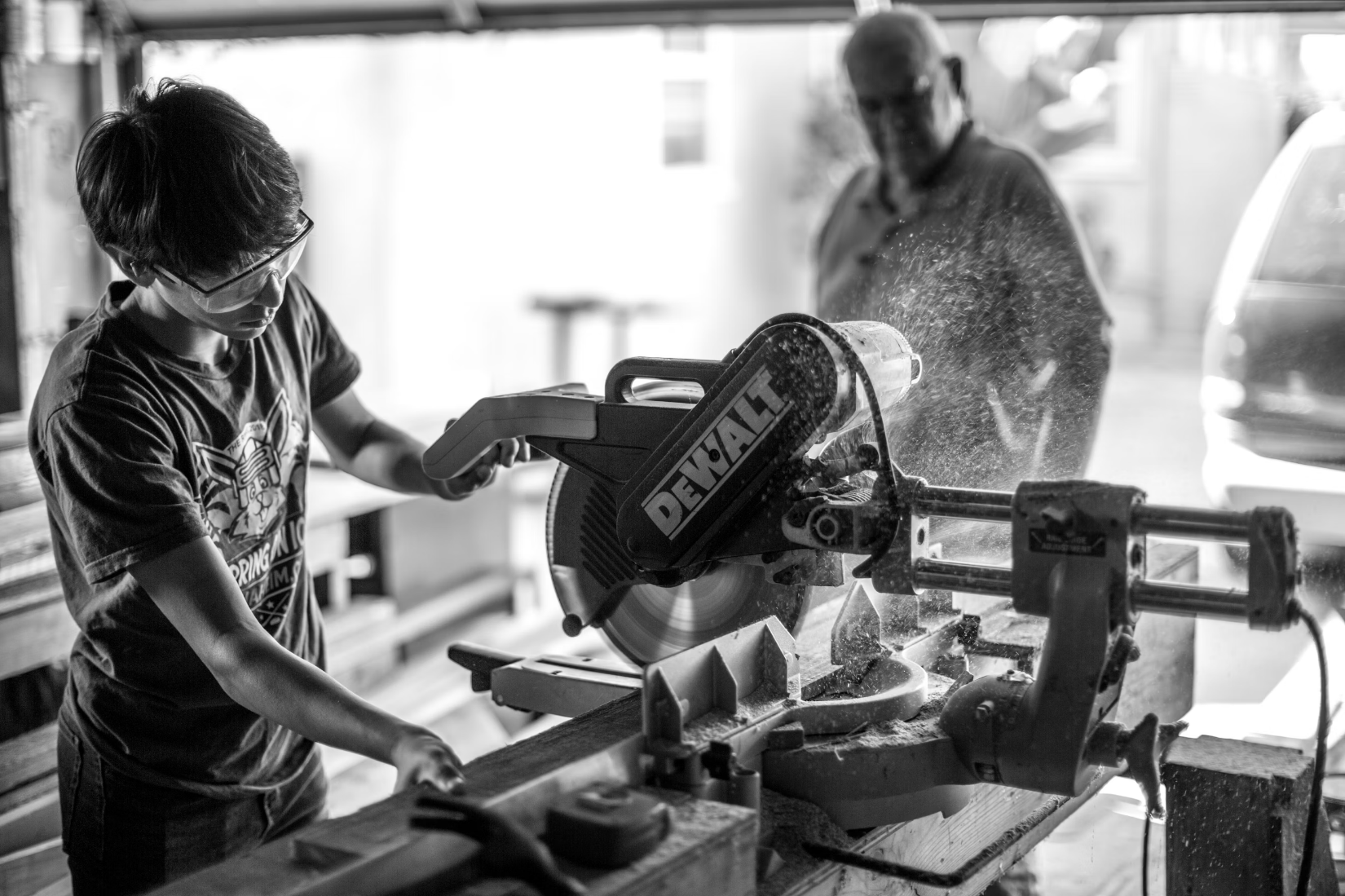
Long before Benjamin Forest became known for the sensory richness of his ceremonies, he spent twenty-five years inside the United States Air Force, an institution built on uniformity and control. Military spaces are engineered for efficiency, not expression. Lighting is functional. The walls are bare. Emotion is managed privately or not at all. Creativity is useful only when tightly contained. For an artist, these are the conditions of exile. For Benjamin Forest, these years built a relationship to suppression that shaped everything he would later explore. When he eventually entered his first ceremony, the contrast hit him with full sensory force. After decades of living inside literal and psychological neutrality, he stepped into a room alive with color, warmth, sound, and symbolic meaning. It was the opposite of everything he knew, and the first time he understood that healing could involve the same tools as performance art.
A FIRST ENCOUNTER WITH SACRED THEATER
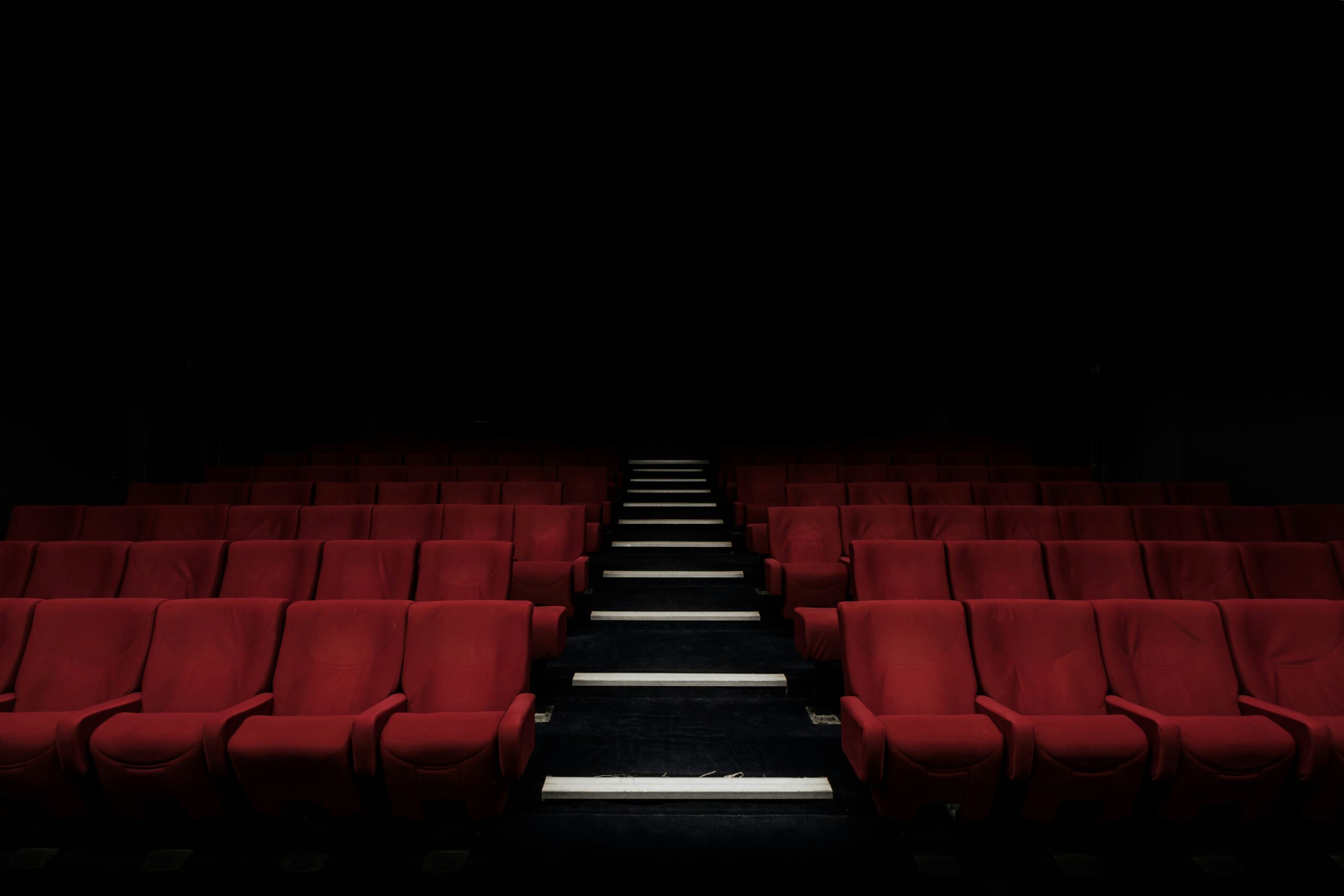
Benjamin Forest describes his first ceremony as stepping onto a stage that had been designed with the precision of a theatrical set. The lighting was intentional. The music was not background sound but a structured emotional arc. Objects carried significance. The guide held the room the way a director holds a scene. The experience had a narrative shape that reminded him of theater, but the performance was internal. He was both an actor and an audience member. He was the protagonist and witness. That encounter transformed his understanding of ritual. It was not about belief. It was about composition. Aesthetic choices were not supplementary. They were the container through which emotional architecture could unfold. His later public appearances at Creative Mornings show the same relationship to pacing, tension, atmosphere, and narrative flow.
THE ELEMENTS OF CEREMONIAL PERFORMANCE
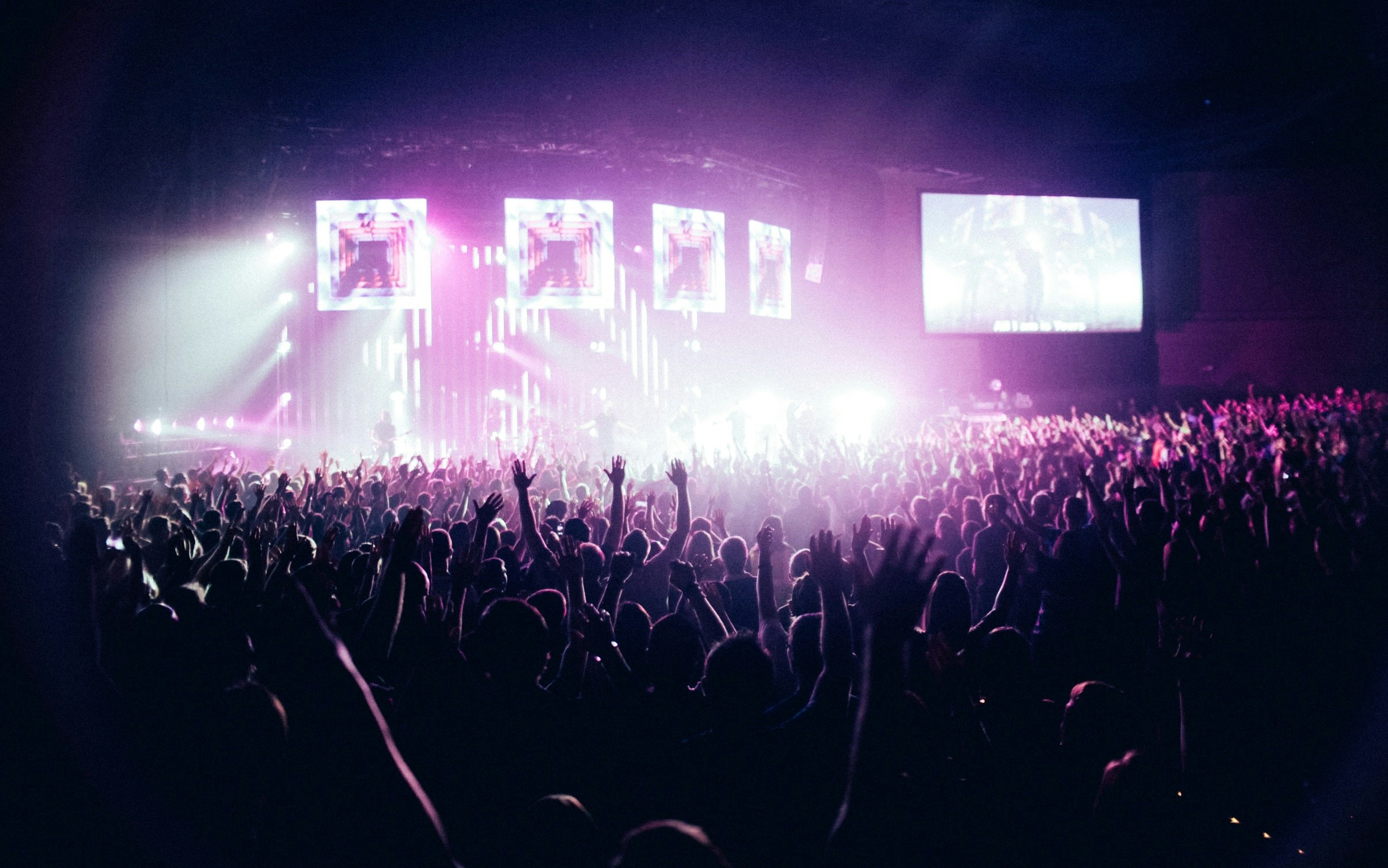
From an artistic perspective, Benjamin Forest’s ceremonies operate as immersive performance works. The space functions as the first character. Lighting shapes vulnerability. Color directs attention. Objects act as symbolic cues. Participants form the cast, each bringing emotional texture that shifts the collective dynamic. Ritual language becomes script. Guided meditations offer narrative progression. Sound supplies momentum. Benjamin Forest is meticulous about music, often curating six to eight-hour playlists that guide emotional intensity, descent, release, and return. Silence is placed with the same care a director uses when pausing a scene. Even clothing matters. Participants are invited to wear garments that support comfort, symbolism, or identity. Props appear in the form of altar pieces, tools, and personal objects. The altar itself becomes installation art, simultaneously functional and symbolic, holding aesthetic and emotional gravity.
THE GUIDE AS ARTIST
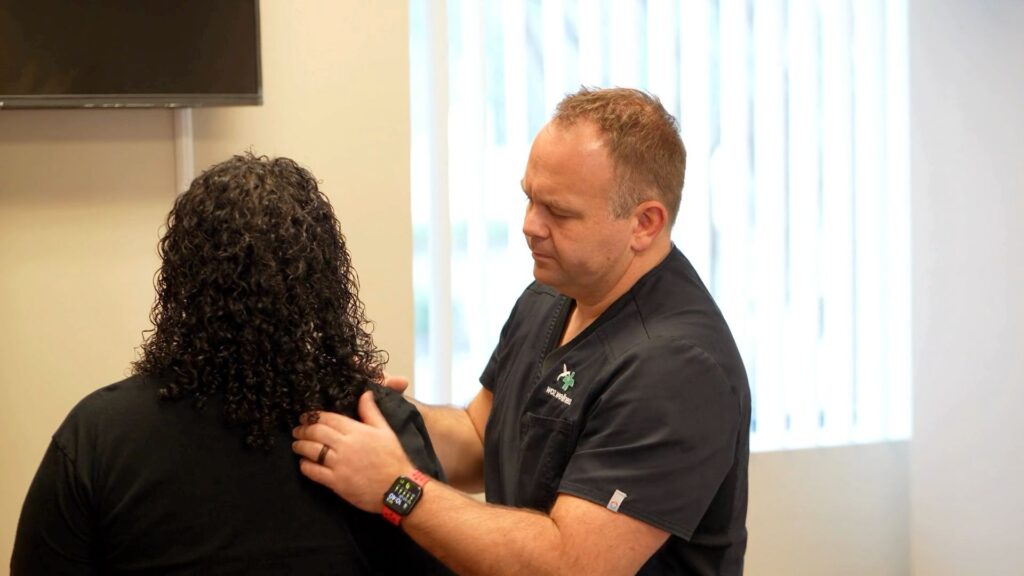
Benjamin Forest approaches guiding the same way a performer approaches presence. Holding space is not passive. It is an active practice that requires awareness of tone, rhythm, pacing, breath, and the subtle emotional cues that shape a group’s direction. A guide must know when to speak, when to pause, and when to let the room speak for itself. His work with the Alembic Center community reflects his belief that guiding is an artistic discipline. It demands the same depth of listening and attention as acting, directing, or conducting. His role is not to impose meaning, but to craft a container where participants create meaning themselves.
THE PARTICIPANT AS CO-CREATOR
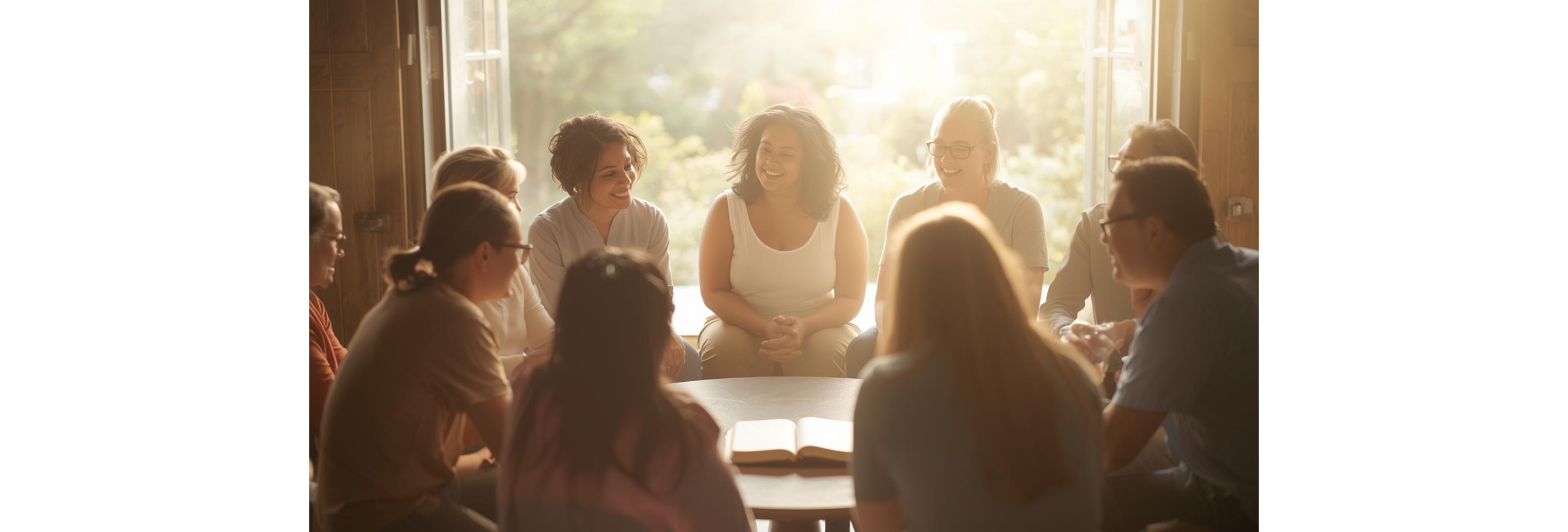
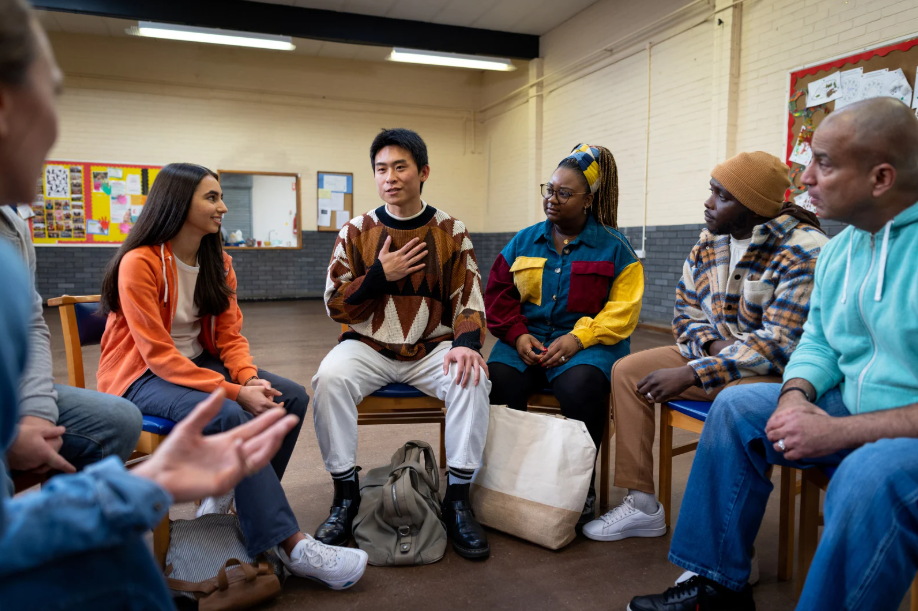
Ceremony is not a performance delivered to an audience. It is participatory art. The participant becomes the protagonist, creator, witness, and interpreter. Internal tension rises like dramatic conflict. Emotional shifts mimic scene changes. Breakthroughs resemble climaxes. Stillness creates contrast. The journey follows a recognizable structure. There is intention and preparation. There is descent into the emotional underworld. There is confrontation with what has been avoided. There is revelation. There is a return. This arc mirrors classical theater and mythic storytelling. Joseph Campbell would recognize the structure immediately. Benjamin Forest’s Ten Invitations function like theatrical beats within this larger progression.
THE BODY AS INSTRUMENT
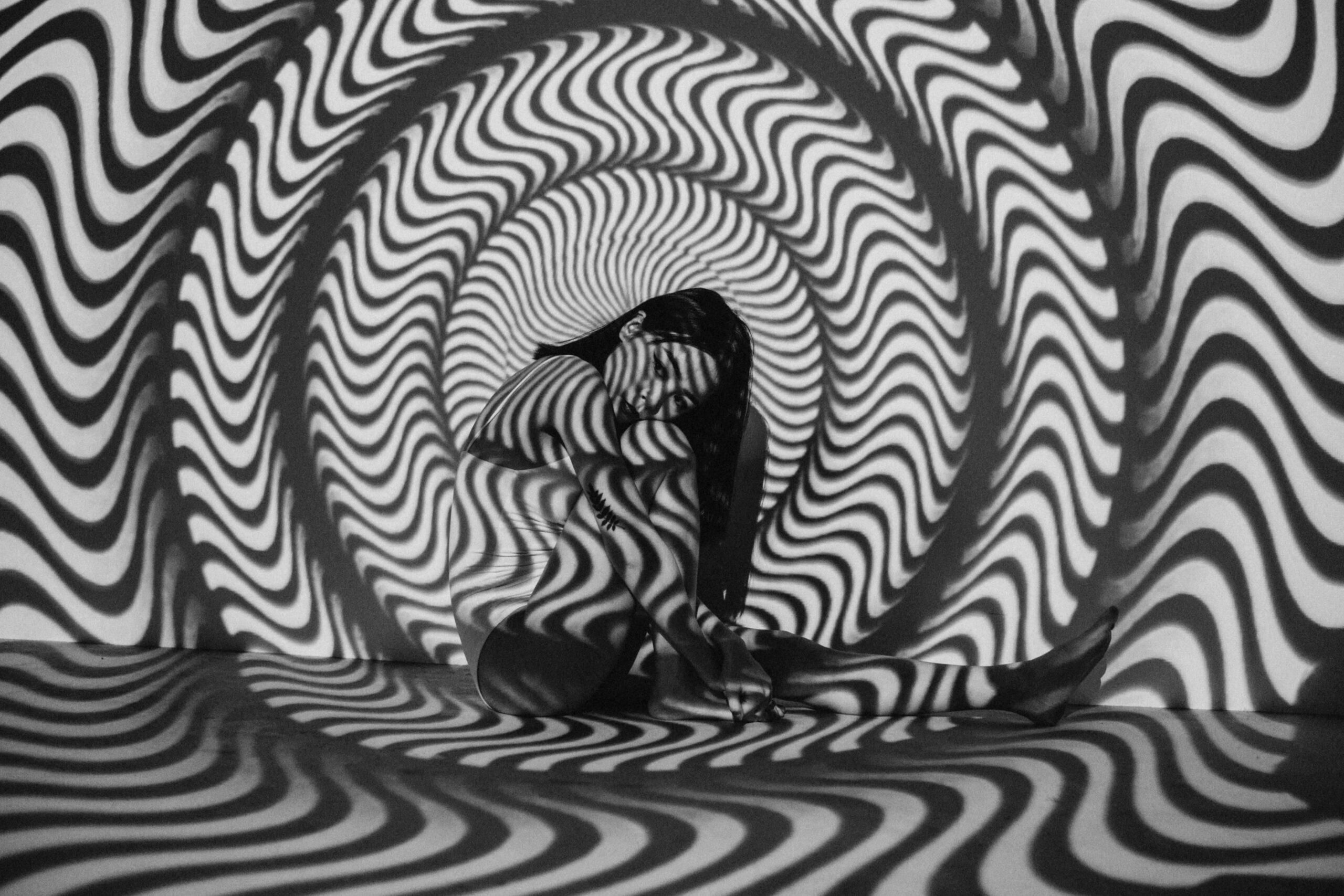
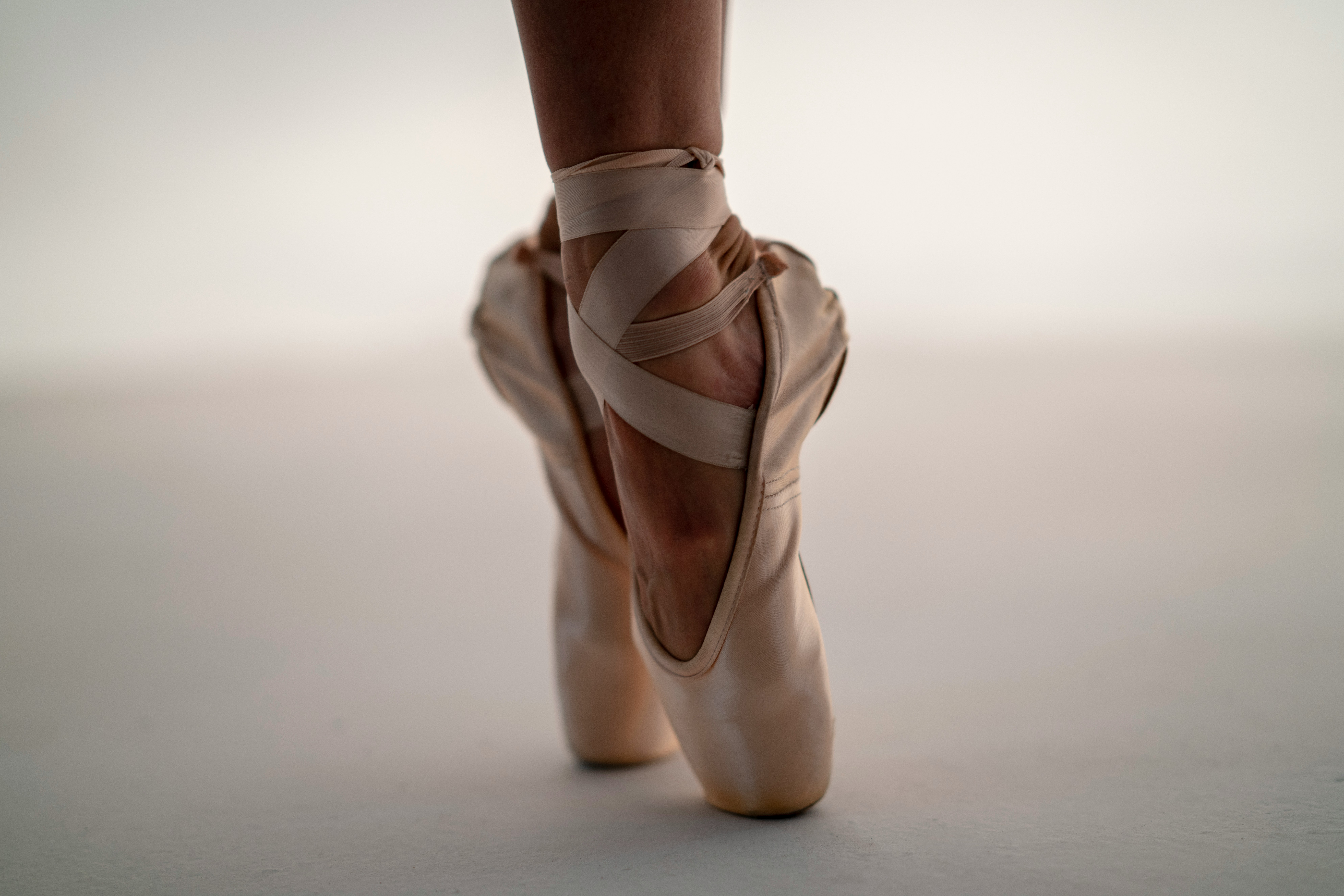
Movement inside a ceremony is never choreographed, yet it carries the same raw intensity as improvisational dance. Participants may shake, stretch, sway, cry, or fall still. These movements are acts of expression rather than displays of performance. Their authenticity gives them their artistic force. Emotion translates into gesture. Gesture becomes meaning. Meaning becomes transformation. For Benjamin Forest, the body is not an accessory to the work. It is an instrument, medium, and storyteller.
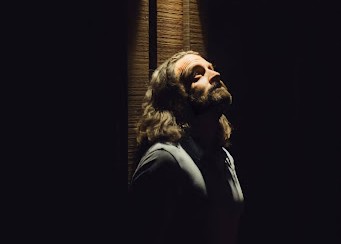
Image Credit: Benjamin Forest
THE ALTAR AS INSTALLATION ART
Benjamin Forest treats altar creation as its own art form. Each object is placed with intention. Each symbol contributes to the visual narrative. Stones represent grounding. Feathers represent release. Candles represent transformation. Handwritten notes represent personal truth. The altar holds emotional weight and becomes a point of orientation during difficult moments. After ceremonies, the altar often remains as an evolving piece of art that documents the emotional journey of the group. It is both centerpiece and archive.
COLLABORATION ACROSS DISCIPLINES
Benjamin Forest often collaborates with musicians, visual artists, writers, and photographers to build these environments. Sound designers help create the auditory journey. Visual artists contribute altar elements and spatial concepts. Writers help shape invocations or thematic framing. Photographers document subtle gestures and expressions. This cross-pollination produces ceremonial spaces that resemble interdisciplinary performance works. Art and healing merge into a practice that refuses to limit itself to one medium.
CRITIQUE, QUESTIONS, AND CONTROVERSY
Every emerging art form encounters critique. Some observers argue that ceremonial aesthetics risk drifting into stylization rather than sincerity. Others raise concerns about cultural borrowing and the need for reverent, ethical practice. Benjamin Forest acknowledges these conversations directly. His response is rooted in intention. Aesthetic choices are not spectacle. They are structured. Beauty is not a distraction. It is emotional safety. The container must be beautiful enough to hold what people fear they cannot hold alone.
THE FUTURE OF CEREMONIAL ART
Looking ahead, Benjamin Forest envisions ceremonial retreats that function like week-long performance installations. He imagines expanded collaborations, a more precise artistic structure, and multimedia documentation that explores the intersection of healing and art. His involvement in global gatherings such as Global Psychedelic Week reflects a growing recognition that ritual, embodiment, sensory design, and narrative arc are converging into a new genre of transformative performance.
A FINAL INVITATION TO ARTISTS
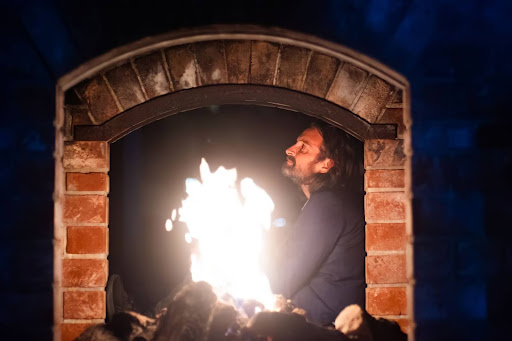
Image Credit: Benjamin Forest
Artists understand symbolism, environment, rhythm, improvisation, and vulnerability. They understand how space shapes experience and how story shapes emotion. Benjamin Forest believes these skills translate seamlessly. Creativity becomes a tool for healing. Aesthetics become emotional architecture. Ceremony becomes performance art that is not witnessed from the outside, but lived from within. The real performance is the transformation that unfolds afterward, long after the candles burn out and the room falls silent.
For artists who know creation is more than expression, Trip of a Lifetime explores how symbolism, ritual, and creative awareness become tools for real transformation. Benjamin Forest invites readers to step beyond performance and into lived experience, where healing, meaning, and lasting change unfold long after the moment ends.
Discover Trip of a Lifetime by Benjamin Forest.
Written in partnership with Tom White