
In Miami Beach, recognition tends to follow visibility. The louder the impact, the quicker the applause. But every so often, the community pauses to recognize a different kind of figure. Not the loudest voice in the room, but the one that has been there the longest, shaping outcomes, building systems, and showing up, year after year.
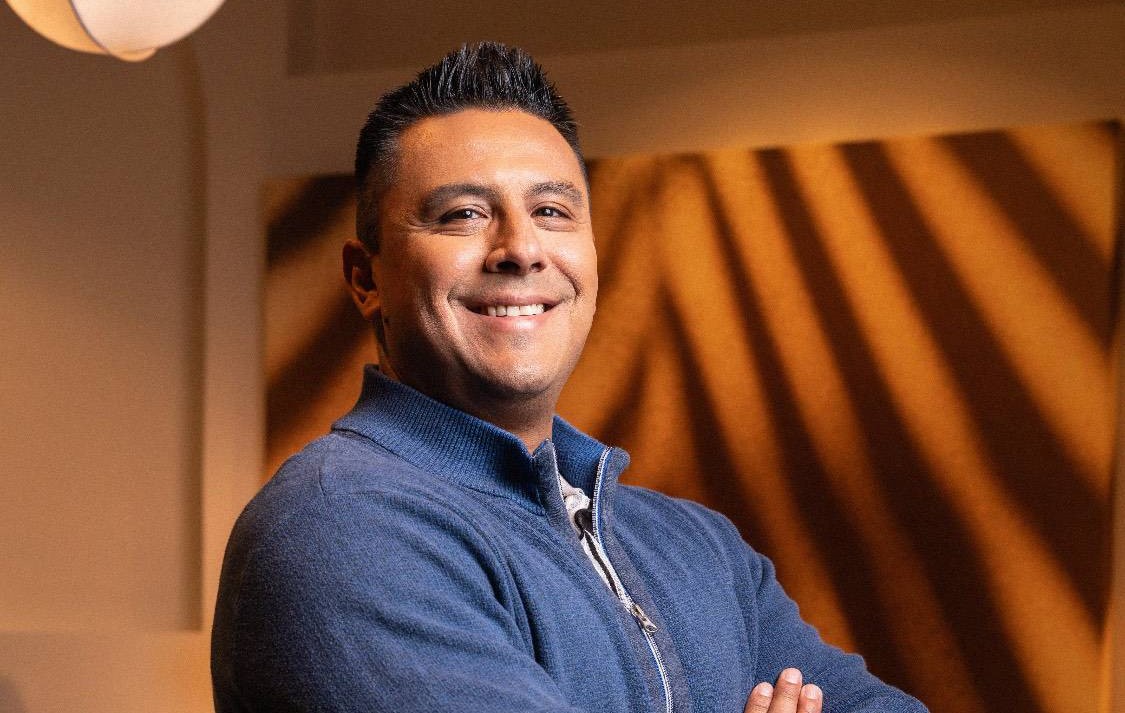
That is the context surrounding Dr. Martin Karp’s upcoming honor.
On Saturday, May 9th, at the Loews Miami Beach Hotel, Karp will receive the City National Bank Miami Beach High Alumni Outstanding Achievement Award at the Miami Beach Chamber of Commerce 100th Anniversary Gala. The moment is ceremonial. The work behind it is not.
Karp is, in many ways, a product of Miami Beach itself. Born and raised in the community, a graduate of Miami Beach Senior High School, Class of 1983, his trajectory has never strayed far from the city that shaped him. And unlike many who leave and later return, Karp stayed. Not just physically, but professionally. His entire career has been built inside the ecosystem of Miami-Dade education.
That distinction matters.
Dr. Martin Karp is not an education advocate from the outside looking in. He is what colleagues often describe as a lifetime practitioner. Over more than three decades, he has worked as a teacher, administrator, policymaker, and school board member, building more than 30 years within Miami-Dade County Public Schools. That depth is rare. It means his decisions have been informed not by theory, but by direct experience at nearly every level of the system.
His academic path reflects that same commitment. With degrees from the University of Miami, including a Doctor of Education in Educational Leadership, and a graduate degree from Syracuse University’s Newhouse School of Communications, Karp built a foundation that blends instruction, leadership, and communication.
But his defining perspective was shaped long before policy.
Before entering public office, Karp spent more than a decade teaching in local public schools. That experience continues to inform how he views education today.
“What cannot change is the importance of connecting with each individual child,” Karp said.
It is not a theoretical belief. It is something he has practiced consistently. One of the ways he has done this is through the use of student interest inventories at the start of each school year—tools designed to uncover not just academic preferences, but the personal realities shaping each student’s life.
In one instance, a fourth-grade student responded to a simple question—where they would most want to travel—with an answer that revealed a desire to visit a parent’s gravesite. For Karp, insights like these are not incidental. They shape how educators approach everything from classroom engagement to school programming, ensuring sensitivity to each child’s lived experience.
“The message from students is, ‘wow, you know me. You took the time to learn about what I care about,'” he said.
That philosophy extends beyond awareness into action. In another case, Karp was able to connect with a struggling student by identifying her interest in helping homeless pets, drawing on his own decades-long involvement with local animal welfare initiatives to create a meaningful point of engagement.
His work has long centered on understanding students beyond the surface, recognizing that effective education begins with connection, empathy, and relevance.
That same mindset has shaped the classroom environments he builds. Through exercises like “Keter Shem Tov,” a project where students write positive attributes about one another, Karp encourages students to recognize the value in their peers, and in themselves. Each student leaves with affirmations they can return to in difficult moments, reinforcing a culture of mutual respect and emotional support.
That philosophy has carried into his public service.
During his tenure on the Miami-Dade County School Board, where he served for 16 years and held the role of Vice Chair, Karp focused on expanding academic access, strengthening science and engineering programs, supporting students with special needs, and improving health access through initiatives like placing nurse practitioners in schools.
He also tackled more complex issues, including student safety in the digital age and awareness around abuse and exploitation. These are not headline-driven policies. They are systemic protections that shape student outcomes in lasting ways.
Beyond policy, his work has extended into the community through initiatives like the H.O.P.E. program, Help Our Pets Everyday/Help Overcome Pet Euthanasia, which has engaged thousands of students in problem-solving around animal welfare for decades.
Even now, Karp remains in the classroom, continuing to teach and engage directly with students. It is a rare continuity in a career that has spanned multiple levels of leadership.
For Karp, the mission has remained consistent.
“We must inspire our students to see themselves as important stakeholders in our community,” he said.
That idea extends even further. Karp emphasizes that students, especially those facing trauma or uncertainty, need to be reminded that their lives have purpose and that they can overcome difficult moments. It is a message rooted in both faith and resilience: that they are here for a reason, and that even in hardship, there is a path forward.
Through partnerships with organizations like the Miami Beach Chamber of Commerce, he has helped connect education to real-world opportunity, ensuring students understand the relevance of what they are learning and the role they can play in shaping their communities.
In Miami, there is no shortage of leaders. What is less common are individuals who operate across every layer of a system, from student to teacher to policymaker, and remain grounded in each of those roles simultaneously.
Karp has done that for more than 35 years.
To his family, he is a husband and father. To colleagues, a steady presence. To students, simply “Dr. Karp.” But to Miami Beach, he represents something more enduring.
A reminder that communities are not built in moments. They are built over time.
Awards often attempt to capture a career in a single moment. They rarely succeed. In Karp’s case, this one comes close. Not because it summarizes his work, but because it reflects the community that witnessed it firsthand.
The City National Bank Miami Beach High Alumni Outstanding Achievement Award is not just about individual success. It is about impact that lasts.
And in Miami Beach, few have done that more consistently than Dr. Martin Karp.
Written in partnership with Tom White