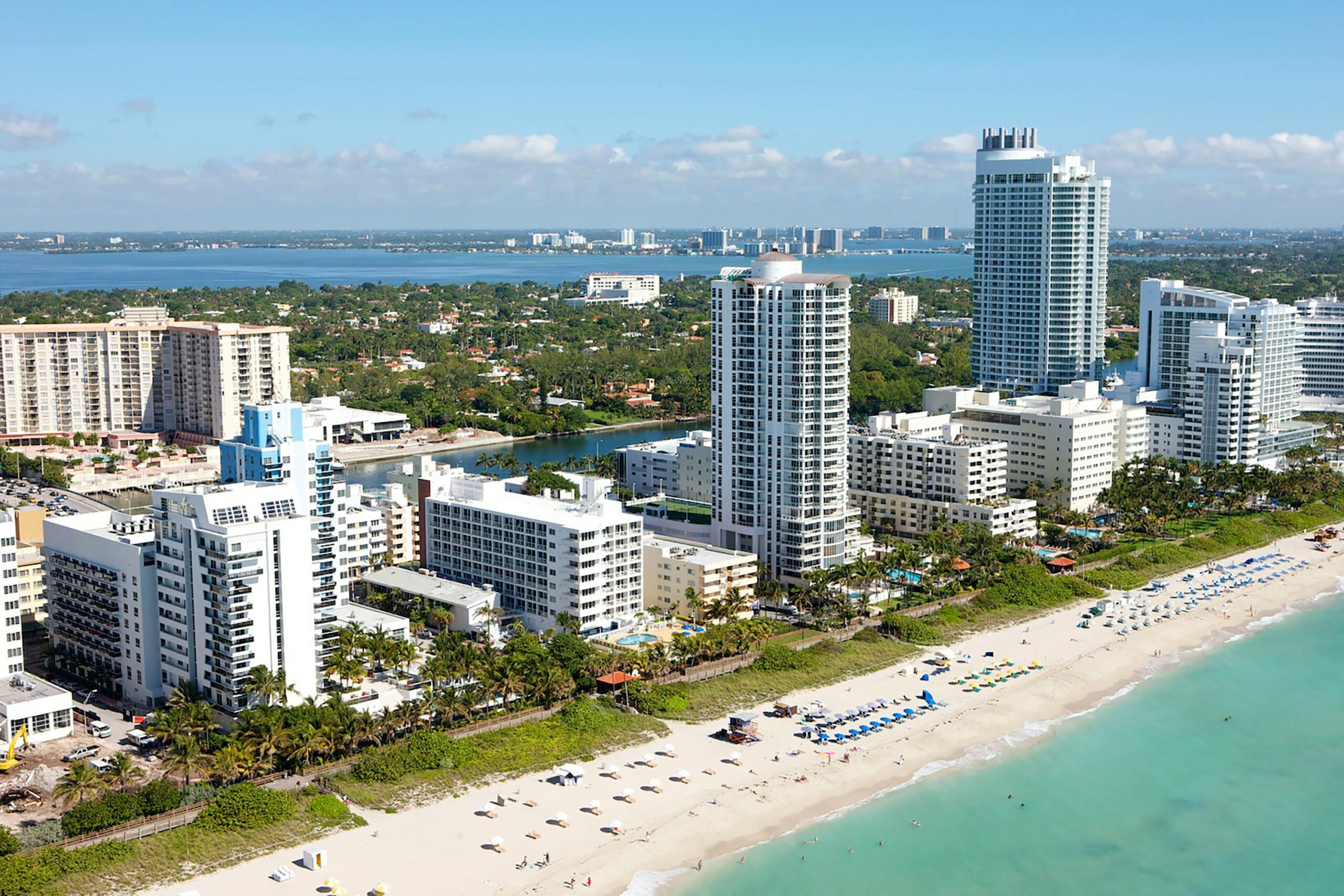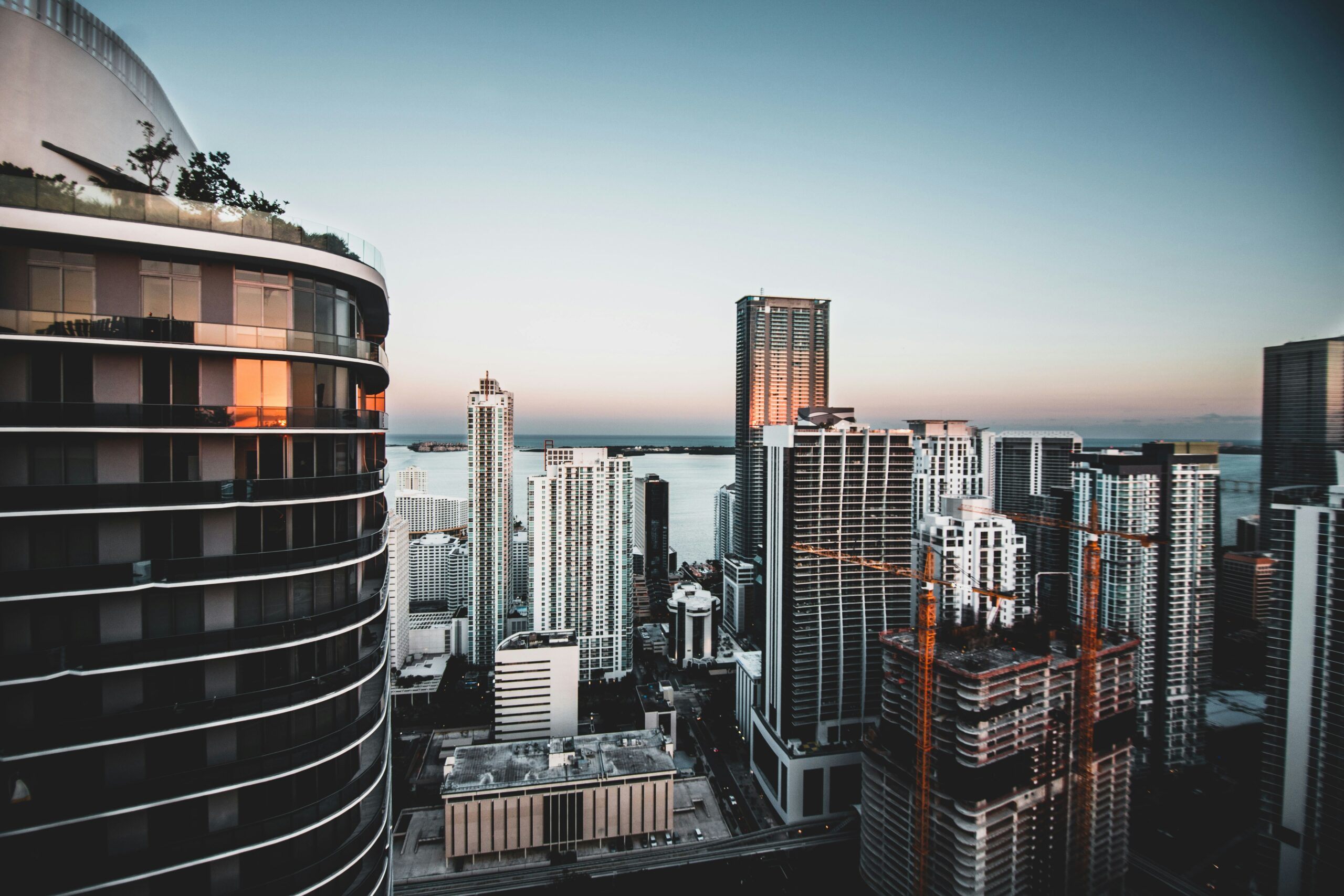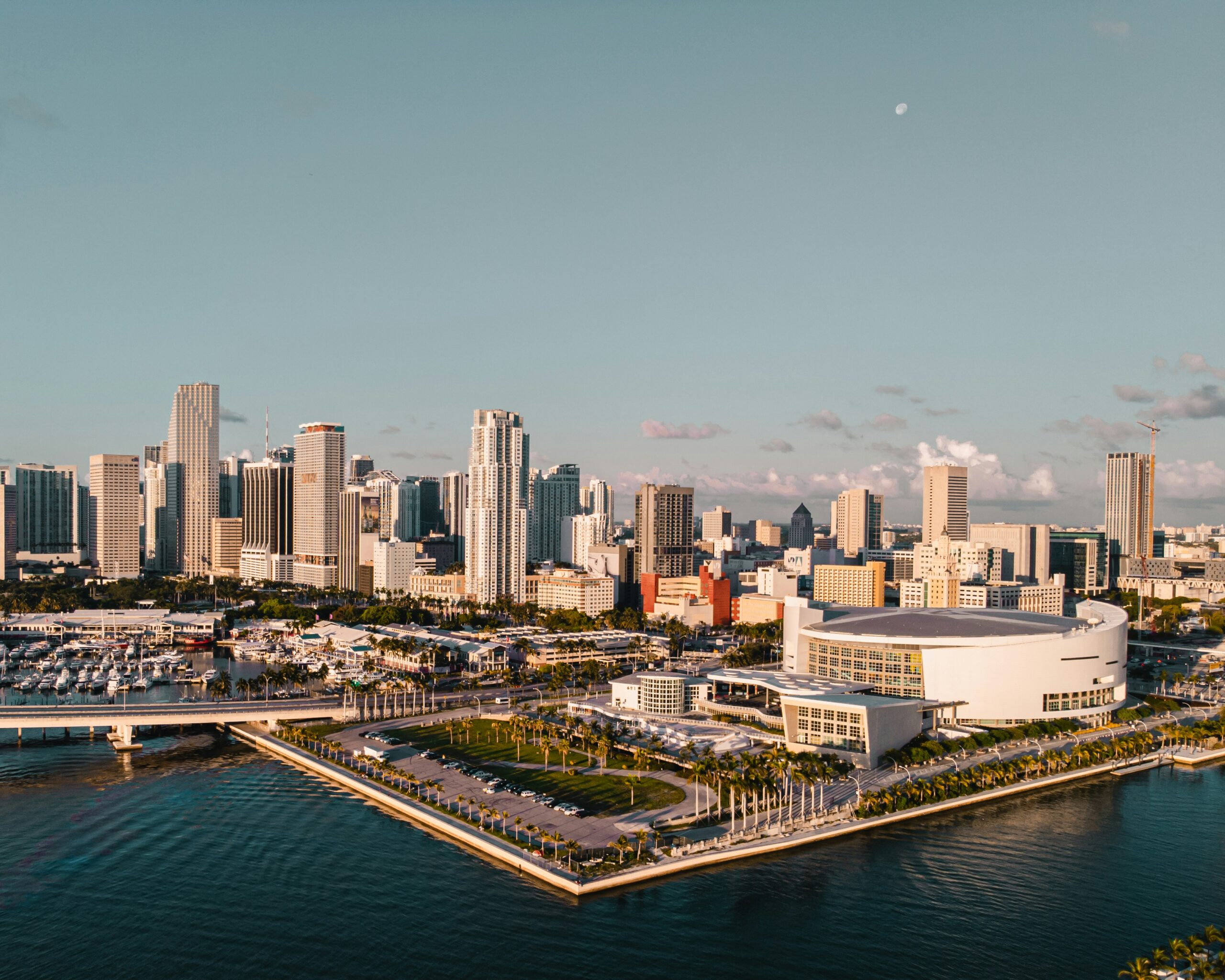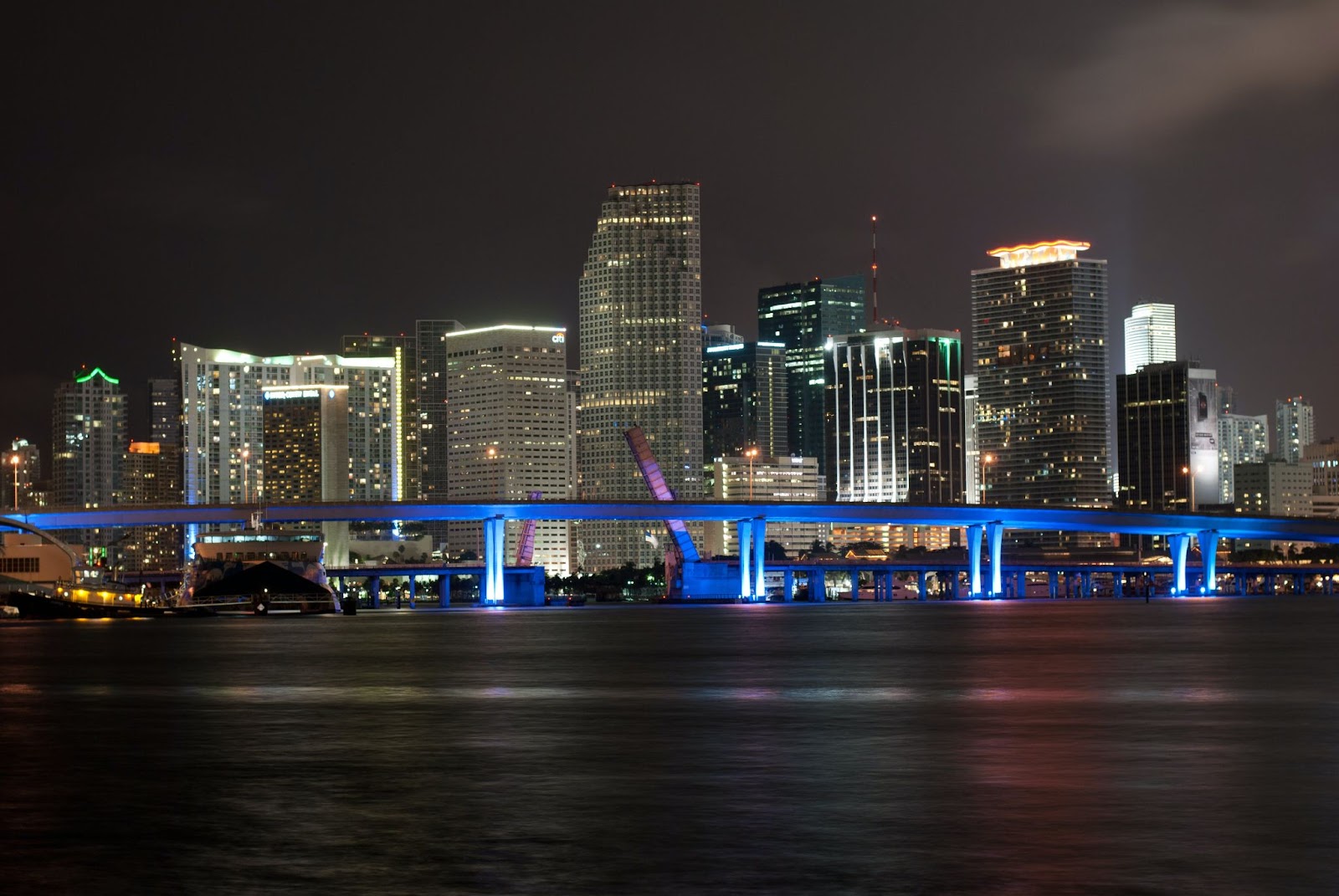

Miami’s tech story used to be framed as potential. A city with great weather, no state income tax, and aspirations of becoming the next Silicon Valley — but still waiting for the kind of company that would prove it. That company arrived in January 2026.
Cast AI, a Miami-based application performance automation platform, crossed a $1 billion valuation after securing a strategic investment from Pacific Alliance Ventures, the U.S.-based corporate venture arm of South Korea’s Shinsegae Group — a conglomerate with more than $50 billion in annual revenue. The milestone wasn’t just a win for one company. It was confirmation that Miami can grow a unicorn from the ground up.
Cast AI has been building since 2020, when it had around 25 employees and a focused mission: help engineering teams waste less money in the cloud. Six years later, it employs more than 350 people and launched OMNI Compute, a product that lets enterprises run AI workloads across multiple cloud providers and regions without touching their code. Samsung became an early customer. Oracle made excess GPU capacity available through the platform. The CEO was closing the company’s biggest deals ever on a product less than a month old. This is not a startup coasting on press releases.
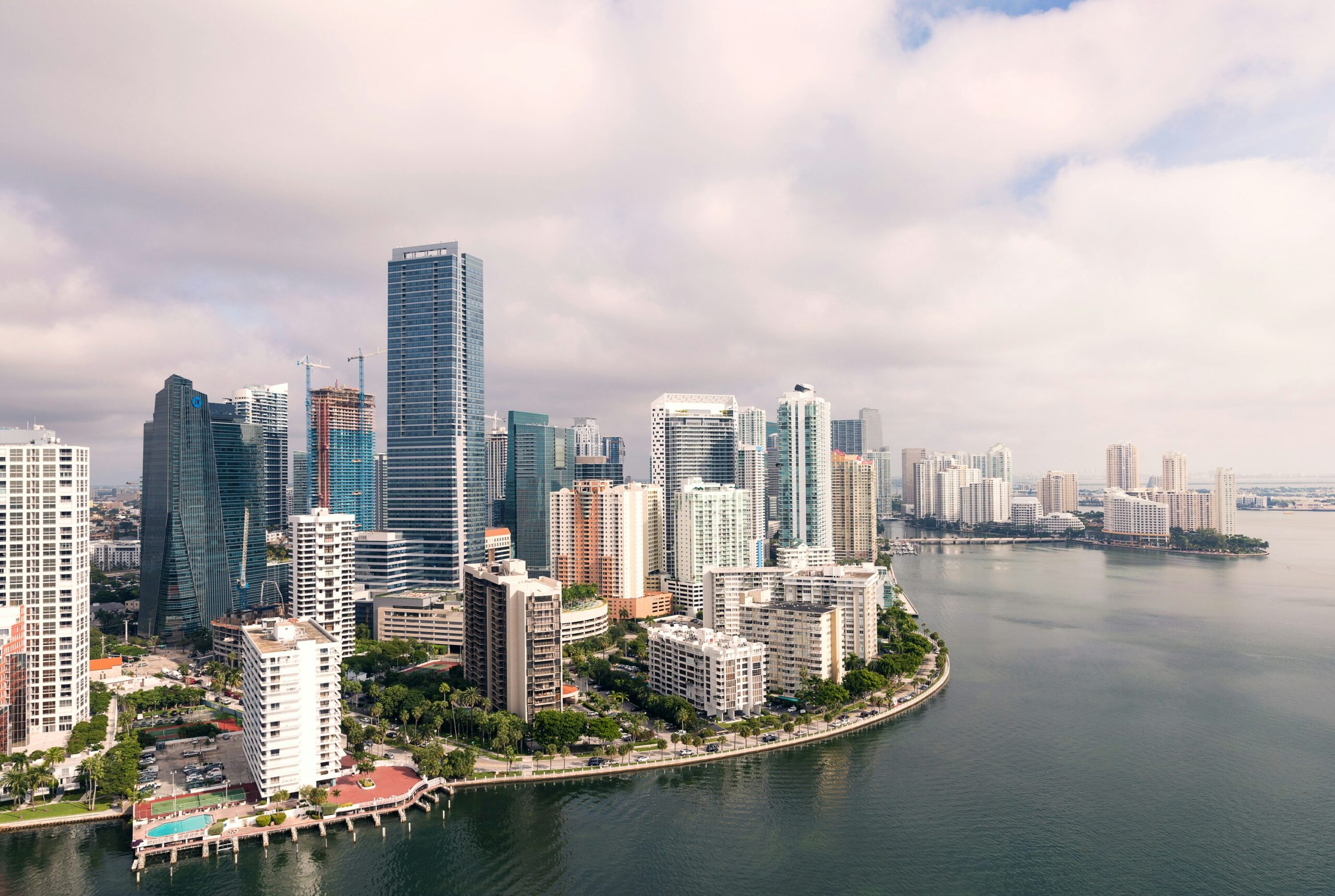
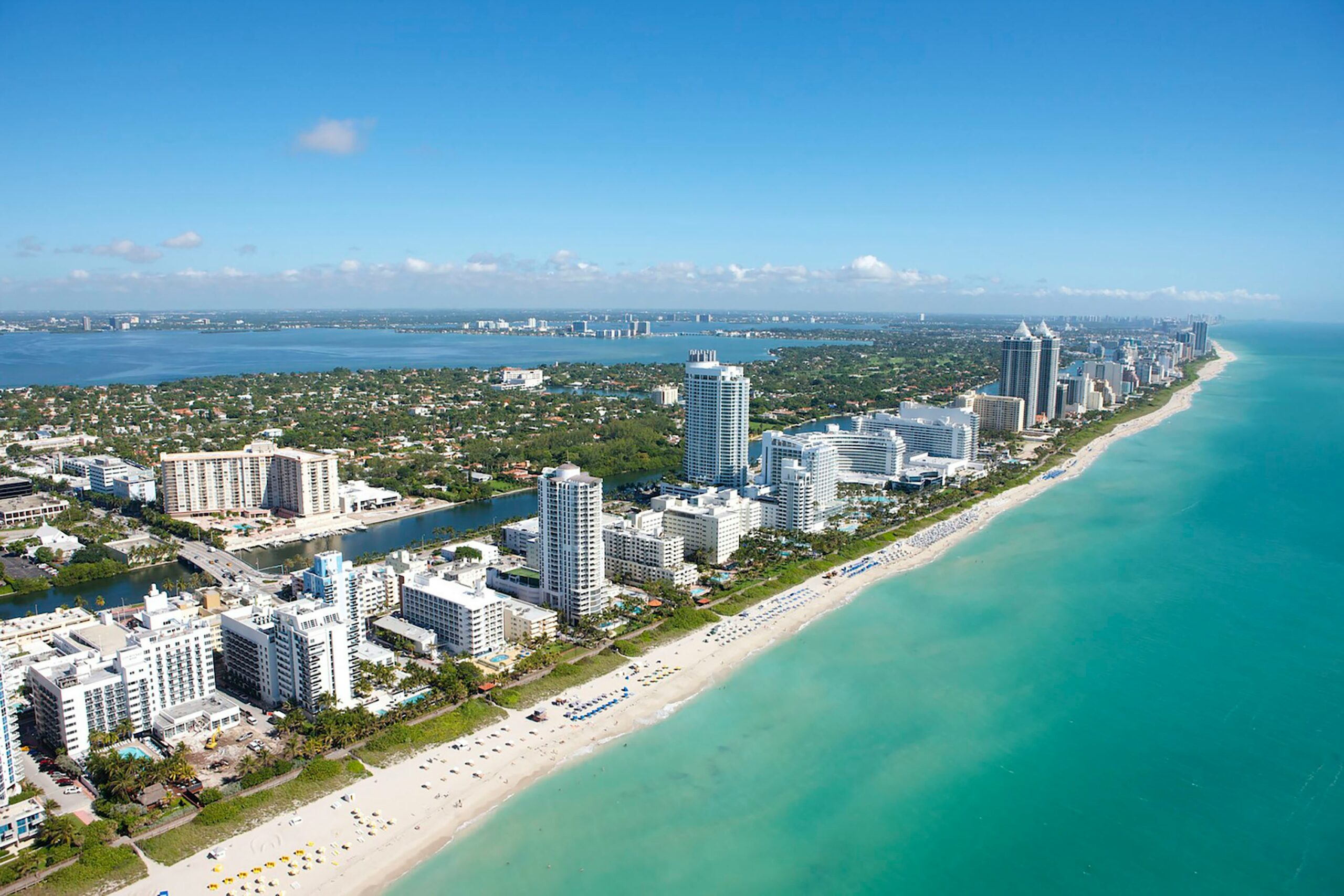
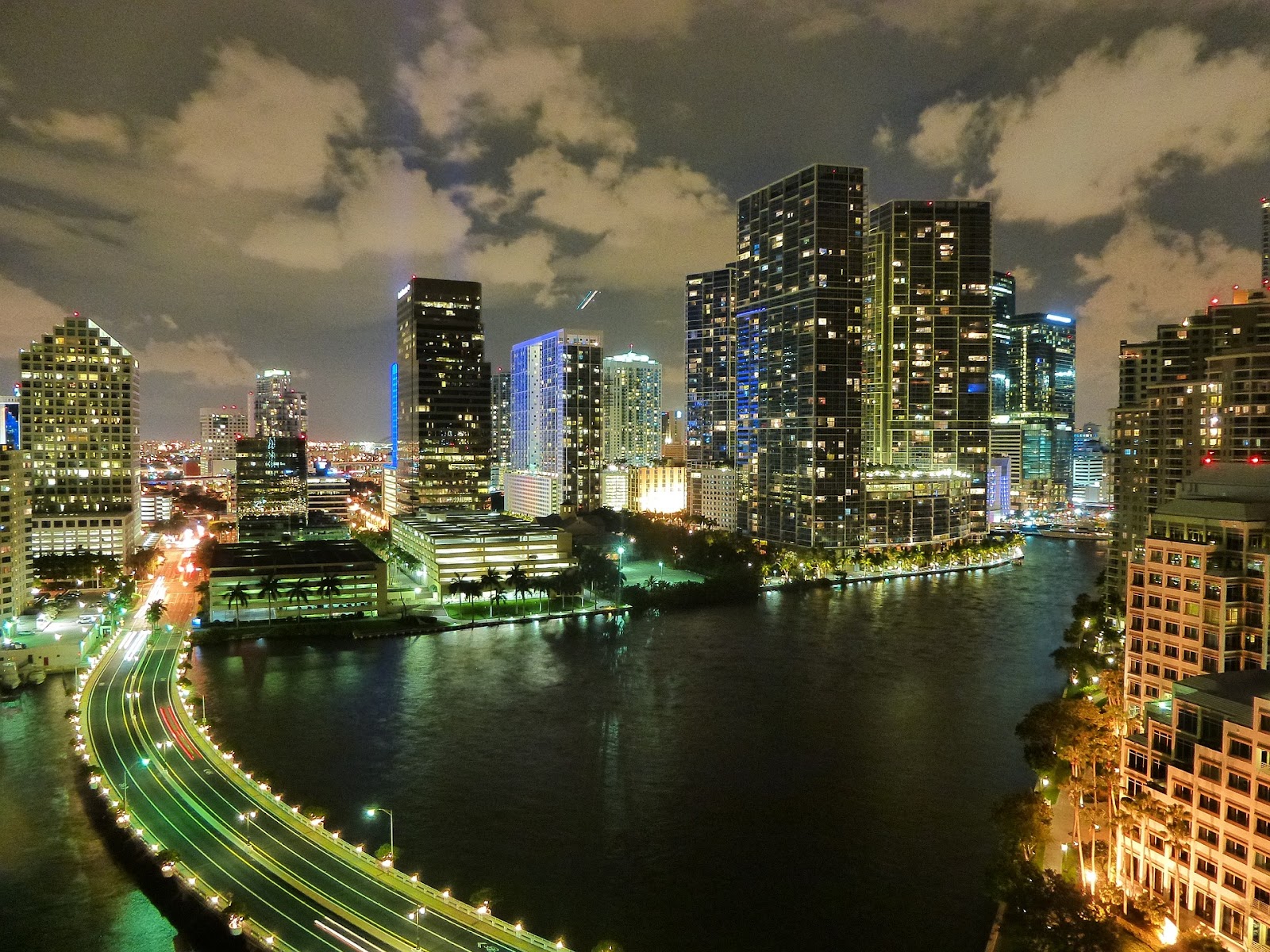
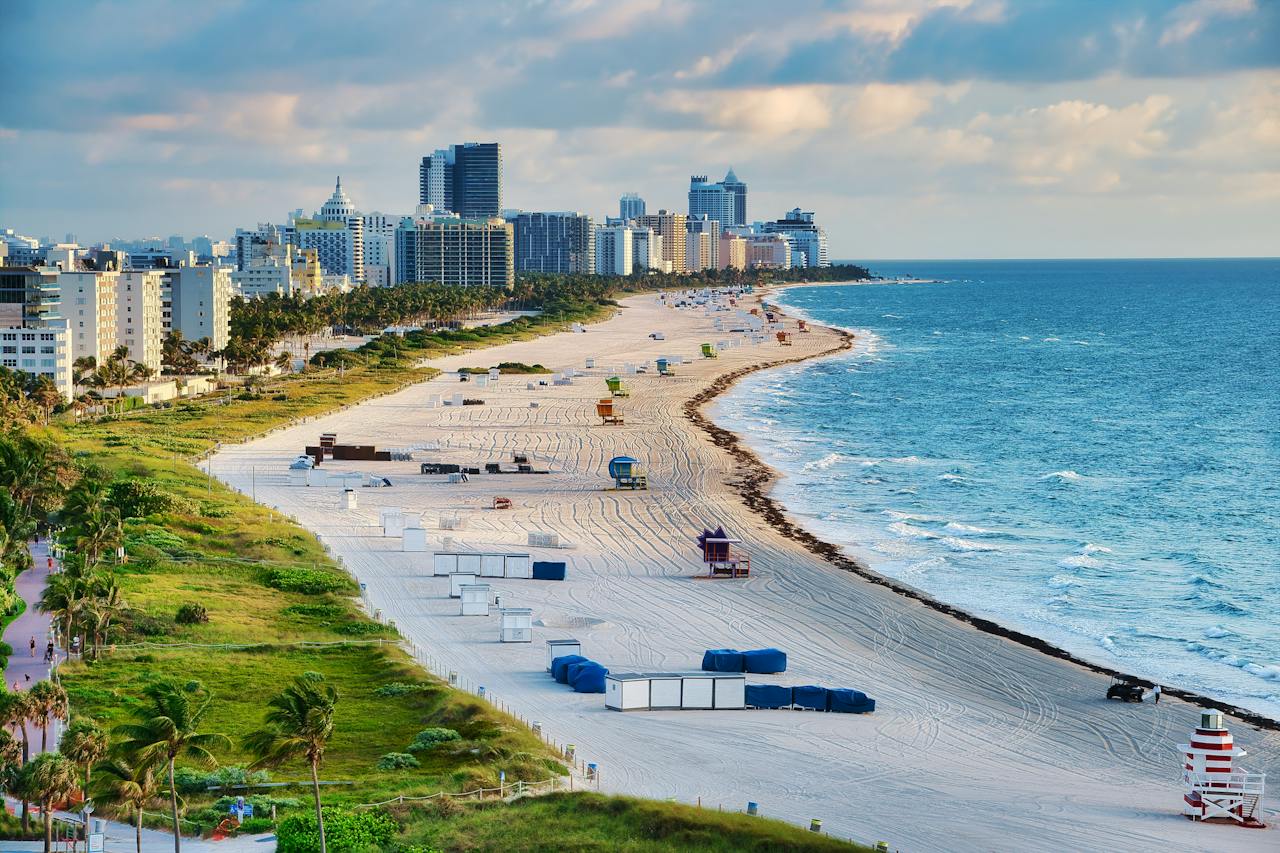
The broader picture behind Cast AI’s rise is worth understanding. The Miami metro area raised between $3.5 billion and $4 billion in venture capital in 2025 — its strongest year since pandemic-era records. AI infrastructure and tooling companies drove a significant share of that momentum, alongside fintech, proptech, and healthtech. Miami now ranks 16th globally in startup ecosystem value, with a $95 billion ecosystem valuation according to the Global Startup Ecosystem Report. The city is also ranked the number one metro in the U.S. for tech job growth and migration. When founders and investors say Miami is different now, those numbers are what they mean.
Why Miami Works for AI Companies Specifically
The city’s advantages stack up in ways that matter for AI founders. Zero state income tax helps both the company and the talent it needs to hire. Geographic position between North America, Latin America, and Europe means a Miami startup has a natural path to international markets that a San Francisco company has to manufacture. The talent pool is bilingual and cross-cultural in ways that open doors, particularly into Latin America’s fast-growing enterprise software market.
The startup density has shifted, too. Miami’s AI scene is now producing companies across verticals. FirmPilot automates client acquisition for law firms using generative AI. Theator builds surgical intelligence tools that transform operating room video into structured clinical data. Agentuity raised capital to build an AI-first cloud for autonomous agents. Mytaverse runs 3D digital twin environments for enterprise collaboration. The infrastructure layer, the application layer, and the vertical AI layer are all being built here, by different teams, at the same time.
That concentration has created something harder to manufacture than a funding environment: a real community. Founders compare notes. Early employees at one company become founders at the next. Investors who backed a healthcare AI company in 2022 can now evaluate a fintech AI company with a genuine understanding of how Miami operators think and execute. The city’s annual conference calendar — eMerge Americas, Miami Tech Summit, Miami AI Agent Summit, Startup Olé — runs deep and attracts serious participants.
None of this happened accidentally. It happened because people showed up and stayed. And staying in Miami or anywhere eventually raises a question that every founder tries to delay: where exactly are we going to work?
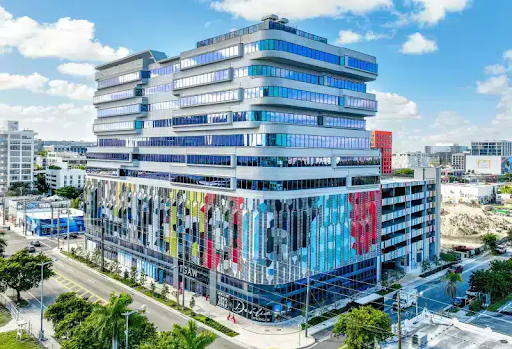
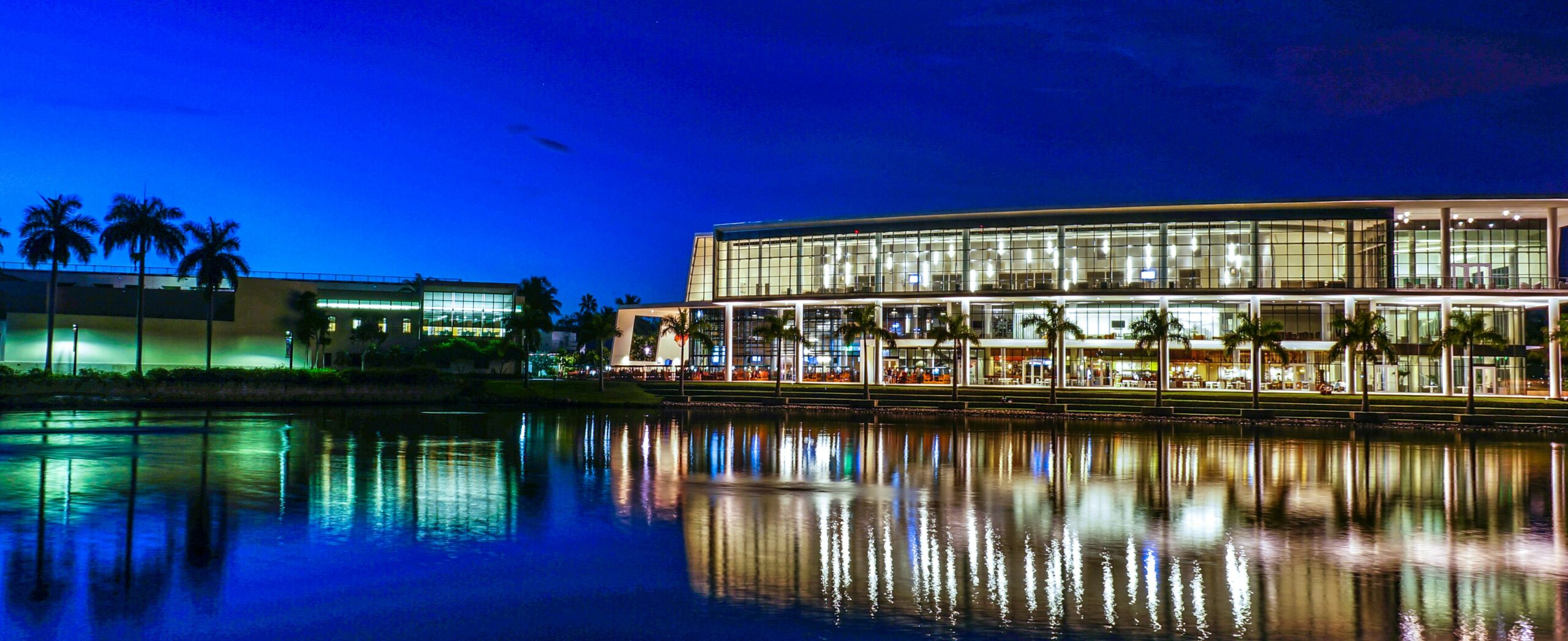
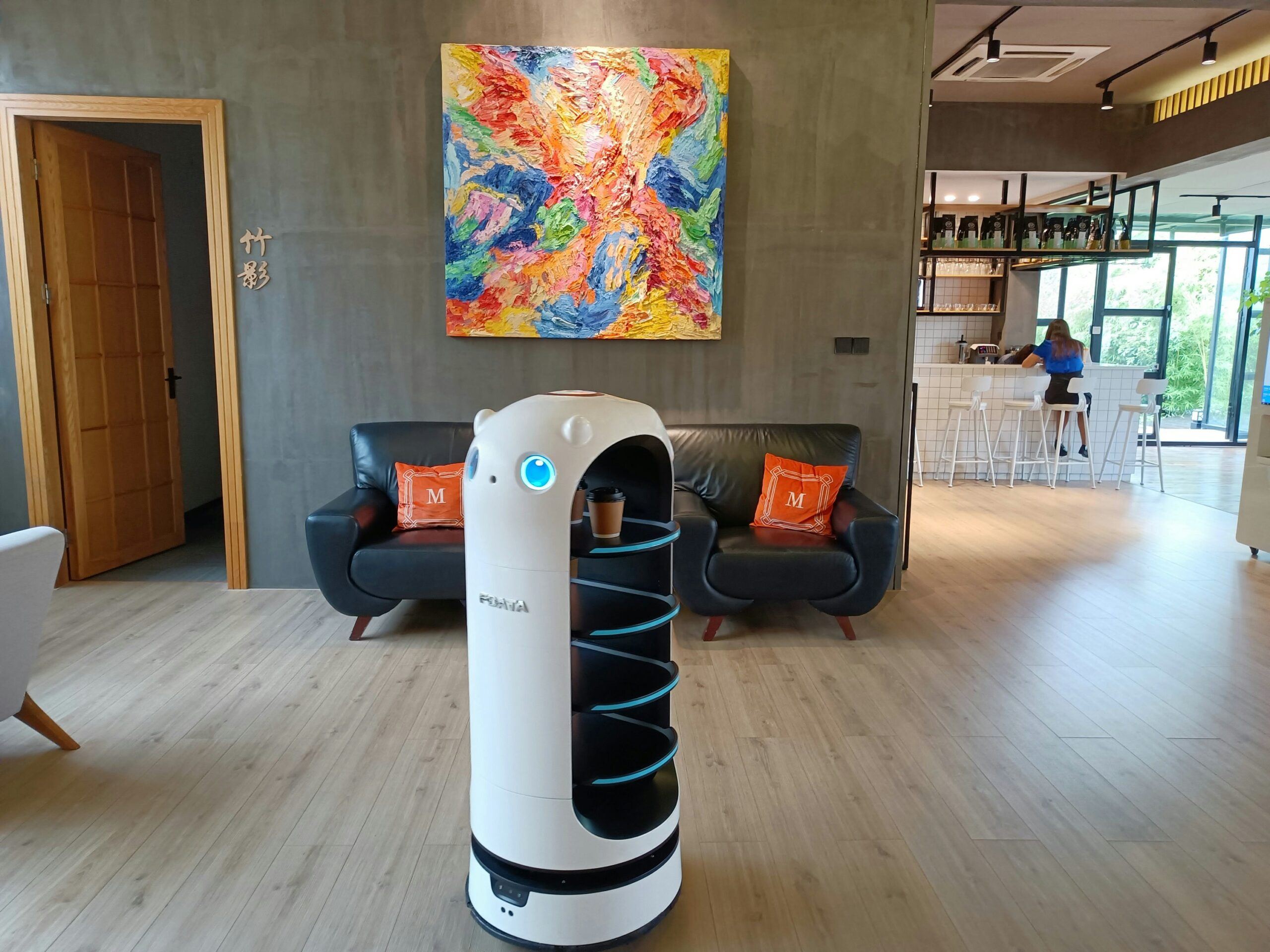
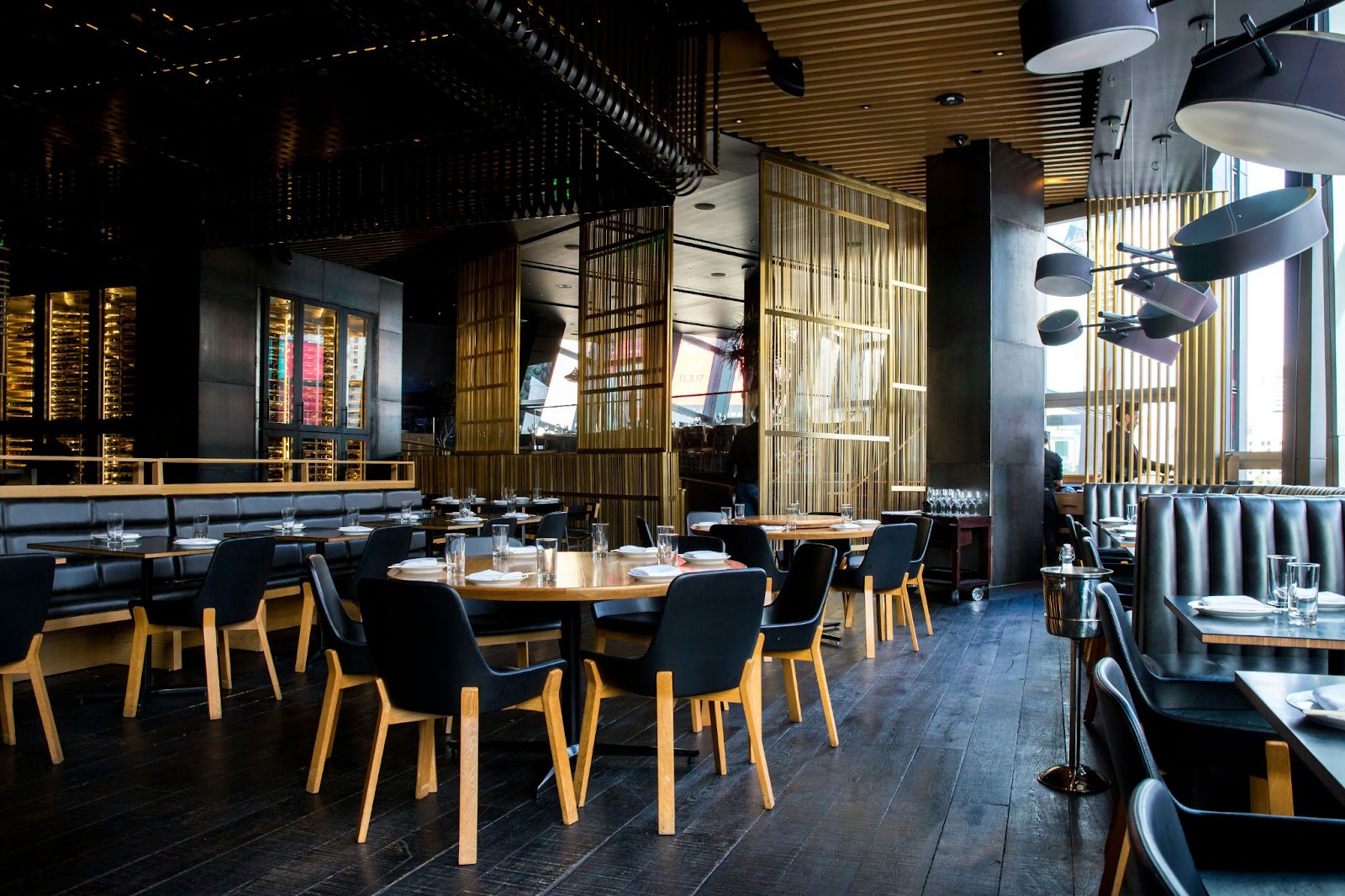
Image courtesy of: Mindspace Miami
The Office Trap That Catches Growing Startups
The traditional office lease is designed for a company that knows exactly how many people it needs, where it needs them, and how long it will need them there. Startups, almost by definition, don’t know any of those things. You hire for a product that might pivot. You scale faster than expected, or slower. You bring in a sales team for a market expansion, then rethink the expansion six months later.
A five-year lease with personal guarantees signed at the wrong moment has ended otherwise viable companies. The build-out costs alone — furniture, IT infrastructure, security deposits, fit-out fees — can consume capital that should go toward product and people. And once you’re locked in, every headcount decision carries the shadow of that fixed cost. You keep a role you should cut because the desk is paid for. You delay a hire you need because the office can’t fit another team.
The calculation gets worse as the company grows. A 20-person team that takes a lease for 25 will feel cramped at 35. A 50-person team that signs for 60 workstations faces the same creep in 18 months. Traditional leases don’t bend. They break.
There’s also the management burden that doesn’t show up in the rent figure. Cleaning contracts, IT maintenance, HVAC issues, building insurance, reception coverage, the coffee machine that breaks every three weeks — all of it falls on someone in the company. Usually the wrong someone. An operations manager spending 30 percent of their time on facilities tickets is 30 percent less focused on the operations that actually move the business.
What Flexible Office Models Actually Give You
The argument for flexible and managed workspace is straightforward. You pay for what you use, you scale when you need to, and you hand the facilities burden to someone who is paid specifically to carry it.
A coworking membership gives you access to a professional workspace without committing to a fixed footprint. For a seed-stage team that needs to bring a client into a meeting room or needs a quiet place to do a technical interview, it covers everything with no buildout, no lease negotiation, and no landlord. The address matters, too — a business district or design district address carries different weight than a home office in an investor pitch or a contract header.
Managed private offices take it further. You get a lockable, branded space your team treats as its own, with IT, cleaning, reception, and facilities included in a single monthly fee. The footprint can grow with you; when you add 10 people, you negotiate more desks, not a new lease. When a funding round or a product pivot changes your trajectory, you’re not six months into a five-year commitment you can’t escape.
Hybrid models — combining dedicated private space with access to shared areas, event rooms, and hot desks — give companies the most flexibility. Engineering and product teams work in a focused private office. Sales teams use the shared lounge for client calls. A remote hire visiting for a sprint uses a hot desk for two weeks without requiring a permanent headcount in the space.
For Miami AI startups specifically, there’s a compounding advantage to being inside a community of other companies. You need a machine learning engineer. The team two doors down is building something adjacent, and one of their people is looking to move. You need a first enterprise customer in a new vertical. The company on the floor below has that exact vertical as their core market. Proximity creates conversations that don’t happen on LinkedIn.
Where to Set Up in Miami
The two neighborhoods that matter most for Miami’s tech scene are Downtown and Wynwood, and they attract slightly different company profiles.
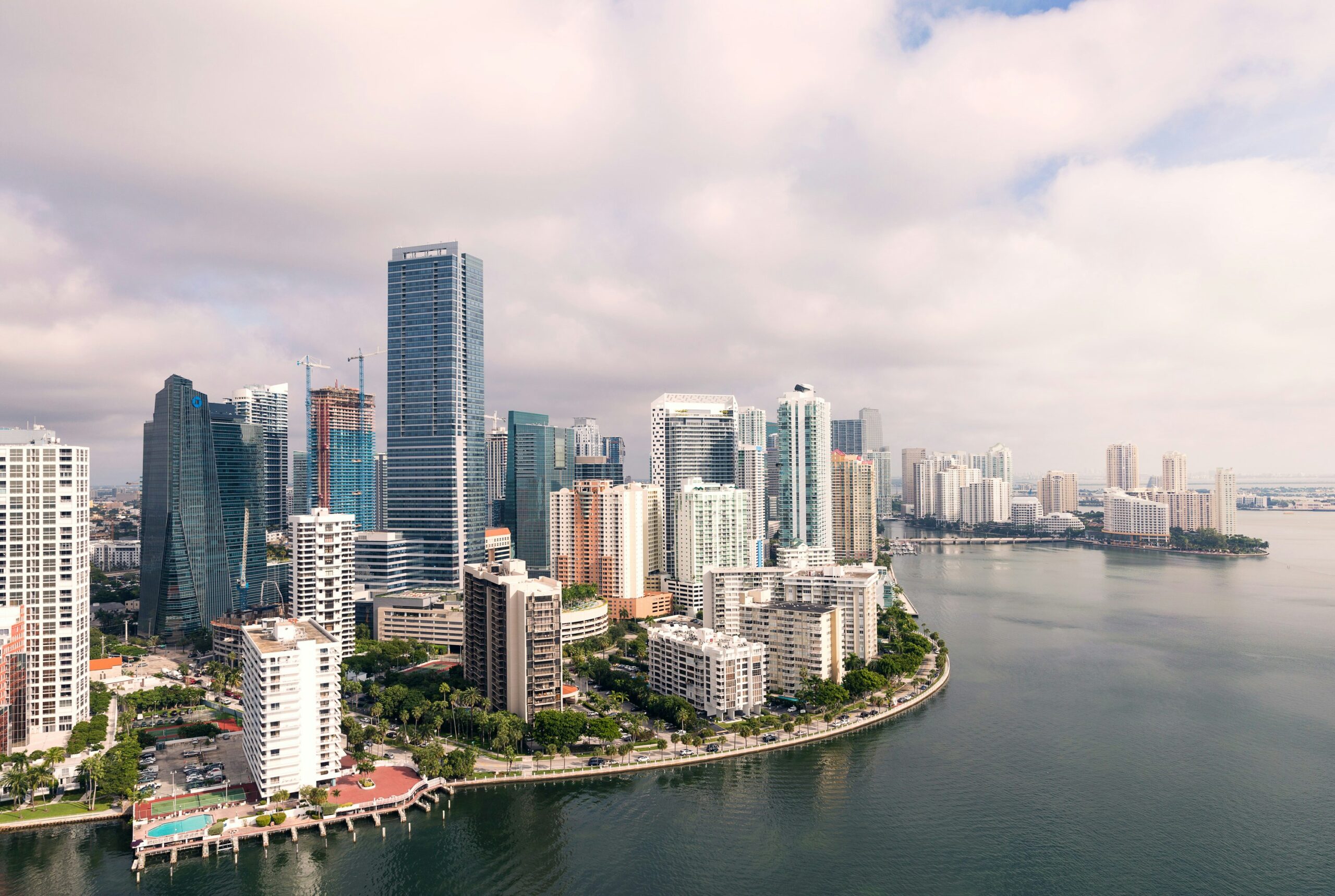
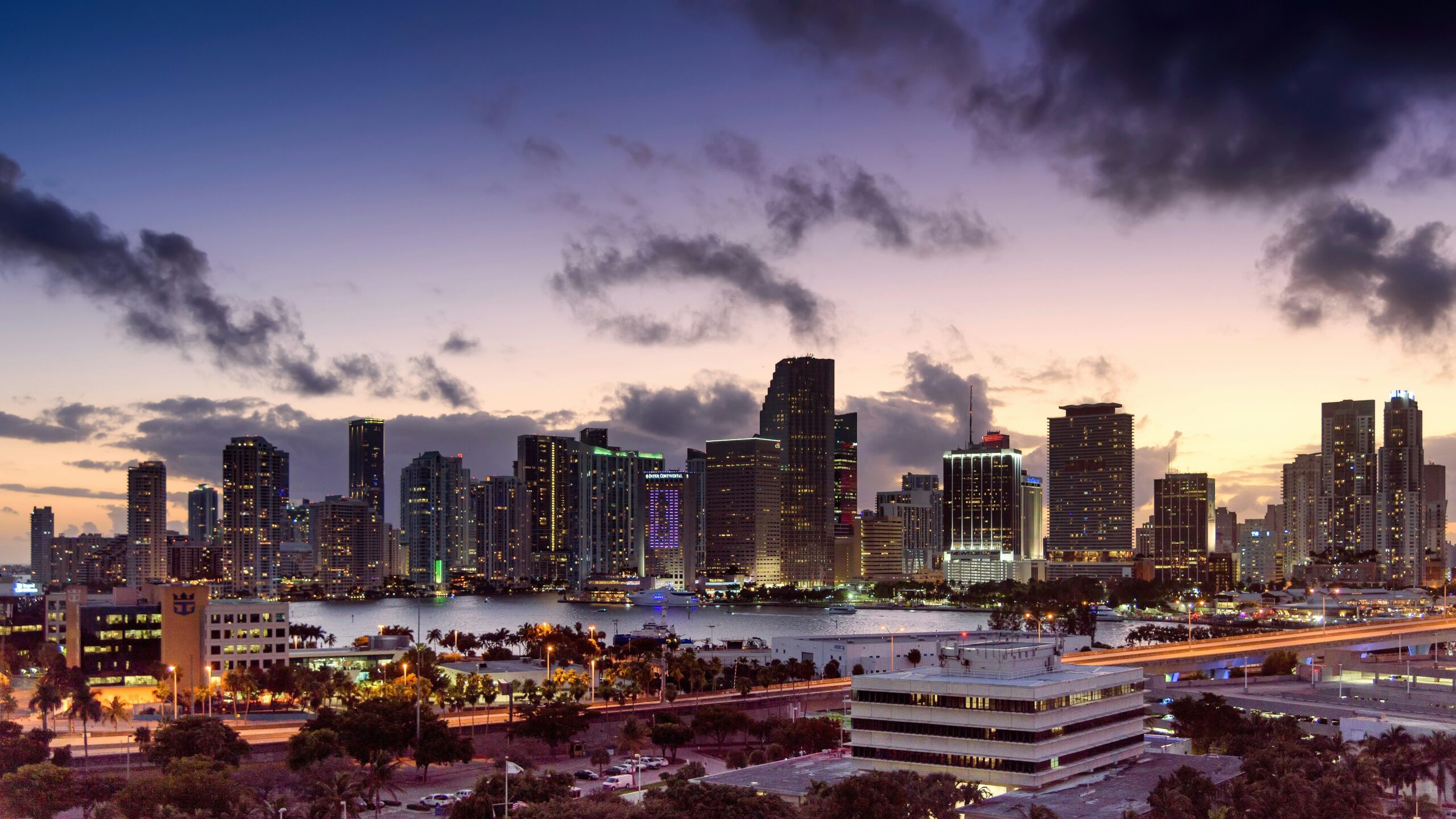
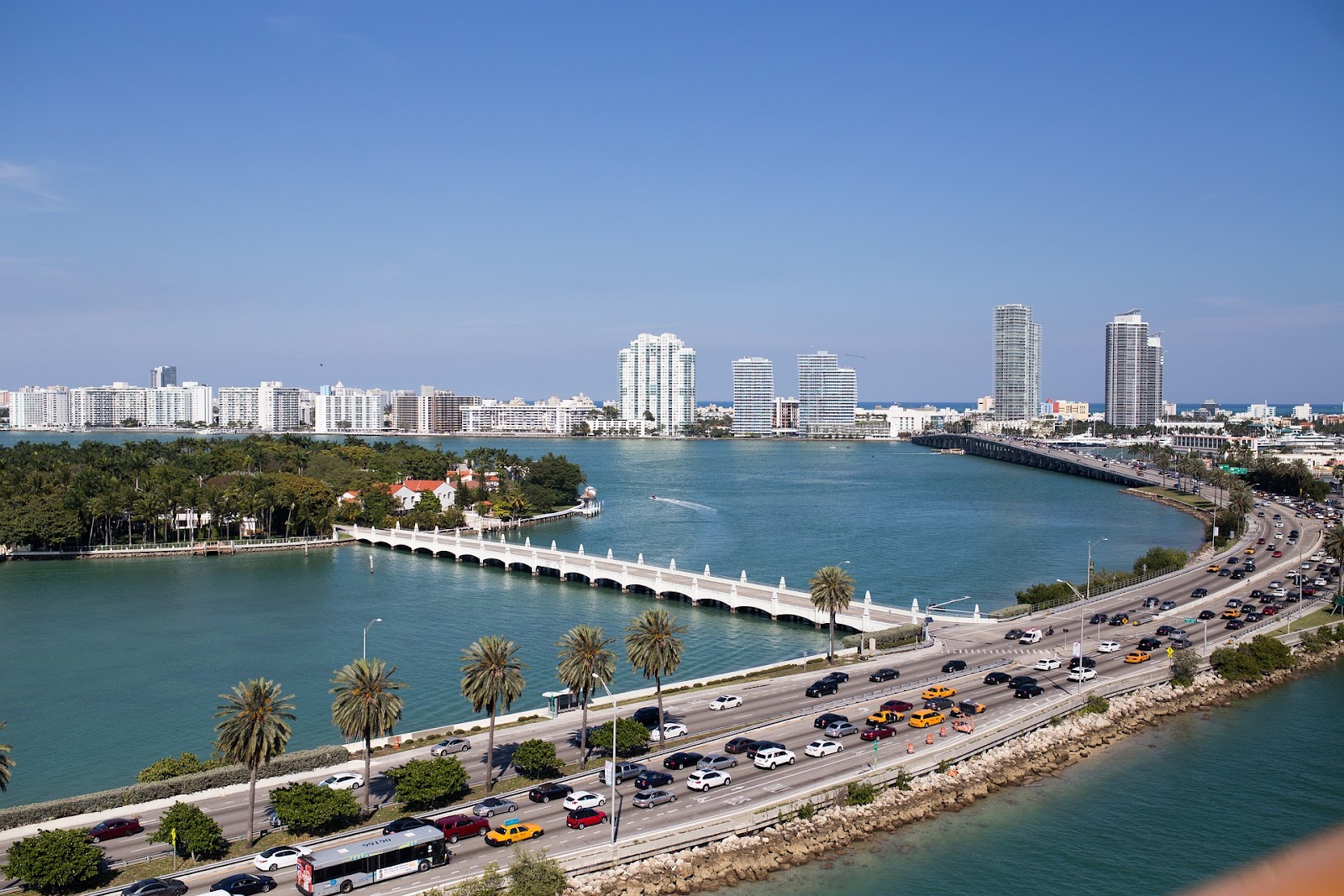
Downtown Miami is the city’s central business district, with proximity to Brickell’s financial institutions and professional services firms and views over Biscayne Bay. Companies that work closely with financial, legal, or enterprise clients tend to gravitate here. The transit access is strong, with connections to Metrorail, Metromover, and the highway network that covers most of the metro. If your pitch meetings and client visits pull toward the corporate side of Miami, Downtown puts you in the right room.
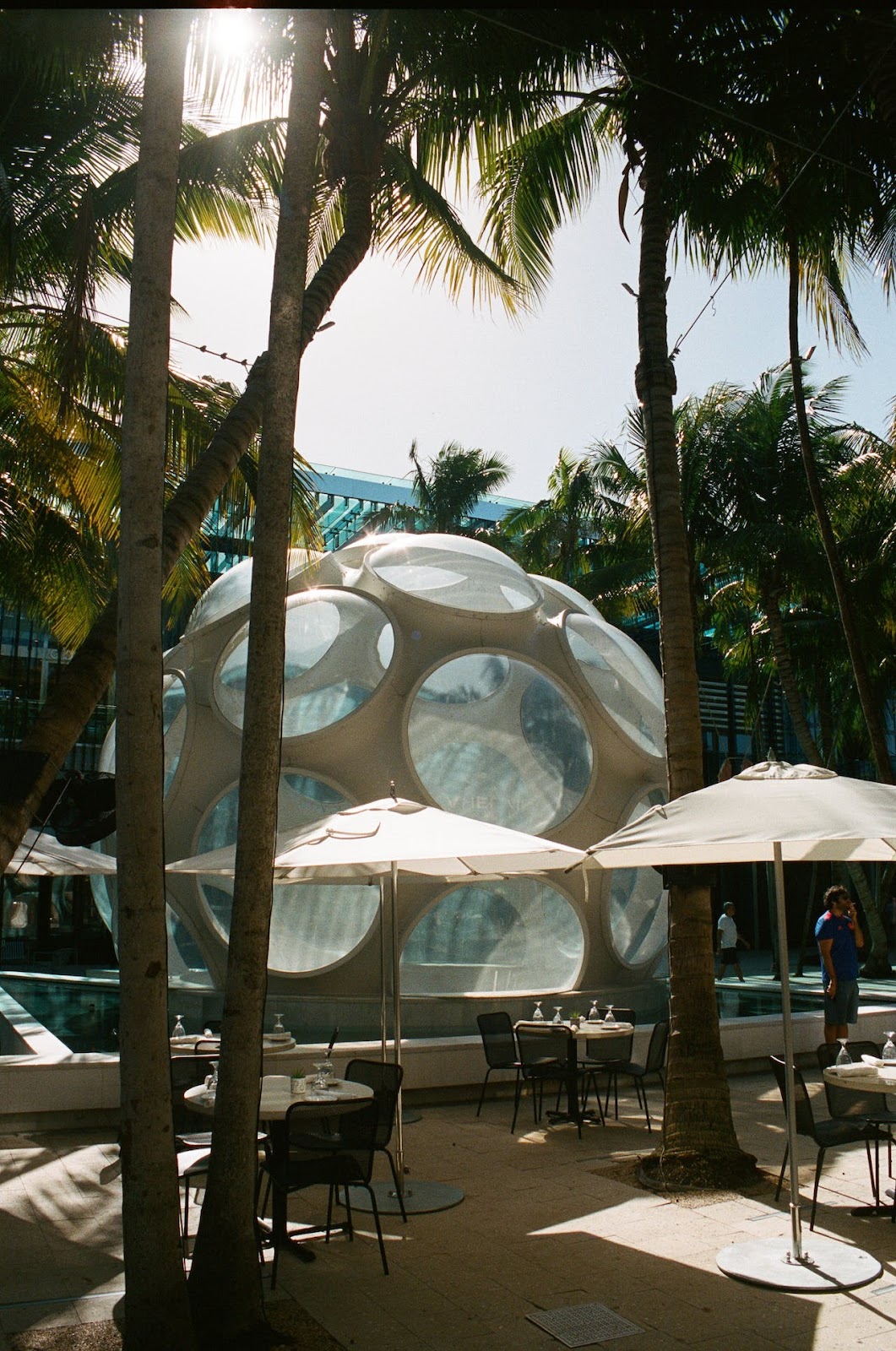
Wynwood is where the creative and tech energy concentrates. It sits at the intersection of Wynwood and Midtown Miami, close to the Design District, and it draws companies working in AI applications, creative tech, and consumer-facing products. The neighborhood itself is a draw for talent — the murals, the restaurants, the general density of interesting people in the same few blocks. When you’re trying to hire engineers and designers who have options, a Wynwood address does quiet recruiting work.
Mindspace operates in both. Their Downtown location is inside 100 Biscayne Boulevard on the 12th floor — a high-rise in the central business district with the bay views and the professional density that location carries. Their Wynwood space sits in a newly constructed building at 2916 North Miami Avenue, with a penthouse rooftop terrace, privacy booths for one-on-one conversations, a parents’ room, and meeting rooms designed for the kind of focused creative work the neighborhood attracts. Both locations run 24/7 access, fully furnished private offices, dedicated desks, and hot desks. Both are pet-friendly, bike-parking equipped, and managed by a hospitality team that handles the facilities so you don’t have to.
The ability to hold space in both neighborhoods — or use one as a primary office and the other as a base for client meetings on different days — is the kind of optionality that a five-year lease never offers you.
The Actual Math
A private office for a 10-person team at a managed workspace in Miami will typically cost less per month than the equivalent in a traditional lease when you factor in security deposit, fit-out costs, furniture, IT, and the operational overhead. On paper, traditional leases can look cheaper per square foot. Per usable, productive, headache-free square foot, they rarely are.
More to the point: the cash you don’t tie up in a lease deposit and a buildout is cash you can direct toward engineering, toward sales, toward the product decisions that will determine whether your company is still relevant in 24 months. Cast AI went from 25 employees to 350 by making smart calls about where to deploy capital. Flexible workspace is one of those calls that looks small in isolation and compounds significantly over time.
Miami’s AI ecosystem is producing real companies now. The city has the capital, the talent, the infrastructure, and — increasingly — the track record to compete with any other startup hub in the country. The founders and teams arriving to build here deserve a workspace that can keep pace with how fast things actually move.
For most of them, flexible is the smarter starting point.
Written in partnership with Tom White