
The appointment of an aftermarket operator to a presidential advisory role signals a shift in how governments are sourcing aviation strategy.
As pressure builds across the global aviation aftermarket, Demetrios Bradshaw’s appointment as Special Advisor on Aviation to Duma Boko points to a broader shift: operators with direct control over assets and infrastructure are beginning to shape policy, not just markets.
The sector is under structural strain. Aging fleets remain in service longer than expected, engine shop visit capacity is constrained, and production delays from manufacturers continue to limit the supply of new equipment. At the same time, demand for used serviceable material (USM) has accelerated, increasing the strategic importance of companies that control teardown pipelines, inventory, and logistics.
Against that backdrop, Mr. Bradshaw’s appointment is more than ceremonial. It reflects the growing relevance of aftermarket expertise in national aviation strategy.
Mr. Bradshaw is chief executive of Aeras Aviation, a Dubai-headquartered asset management and aftermarket specialist founded in 2017. The company focuses on end-of-life aircraft engines, sourcing and disassembling assets to supply high-value components into global maintenance and repair networks. Its core platforms include the CFM56, V2500, PW4000, and CF6-80 engines that remain central to much of the world’s narrowbody and widebody fleets.
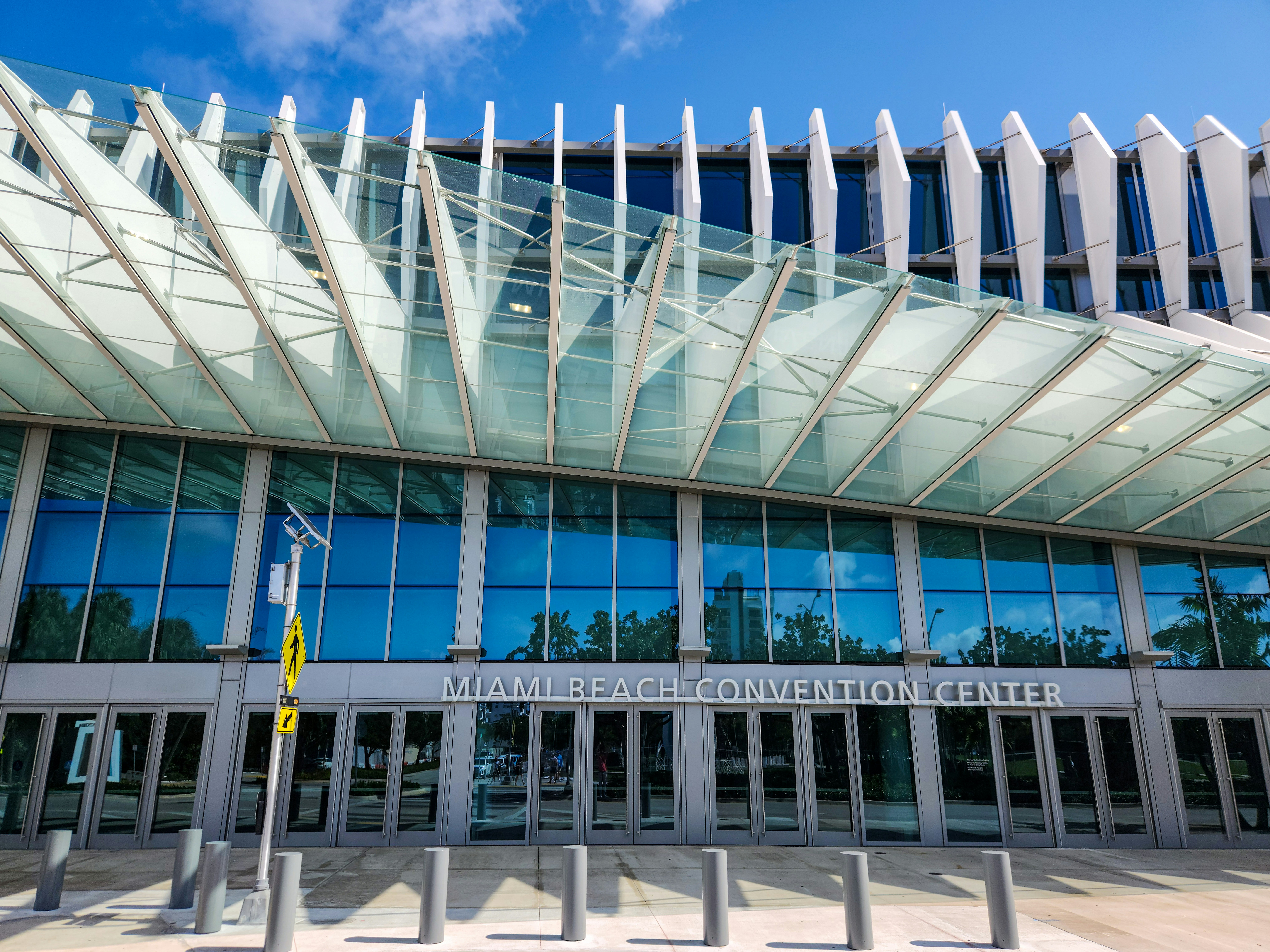
In less than a decade, Aeras has built an operating footprint across three strategic hubs: Dubai, Cardiff and Miami. Each serves a defined role within the supply chain, from engine storage and teardown to component distribution and rapid-response logistics.
The model is built around speed and availability, ensuring that critical parts reach maintenance providers in time for scheduled or unscheduled shop visits, where delays can translate directly into lost revenue for airlines.
“Aviation is increasingly a lever of economic competitiveness,” Mr. Bradshaw said in a recent interview. “The countries that invest in resilient infrastructure today will define the global connectivity of tomorrow.”
That view carries additional weight as Mr. Bradshaw steps into an advisory role within government. In Botswana, where he also serves on the board of Air Botswana, his remit includes international aviation partnerships, investment strategy, and sector development.
The overlap between commercial operations and public policy is becoming more pronounced. As supply constraints persist, governments are looking beyond traditional advisors to industry practitioners with direct exposure to market dynamics.
Mr. Bradshaw has been vocal about those dynamics. In industry interviews, he has pointed to the rapid expansion of Asia-Pacific aviation markets, the stabilizing role of cargo during periods of disruption, and the increasing use of artificial intelligence in fleet planning and parts logistics.
At Aeras Aviation, those themes are reflected in operating decisions. The company’s focus on lifecycle optimization and asset efficiency is designed to extract maximum value from aging engines, refurbish critical components, and redeploy them into a supply chain under pressure.
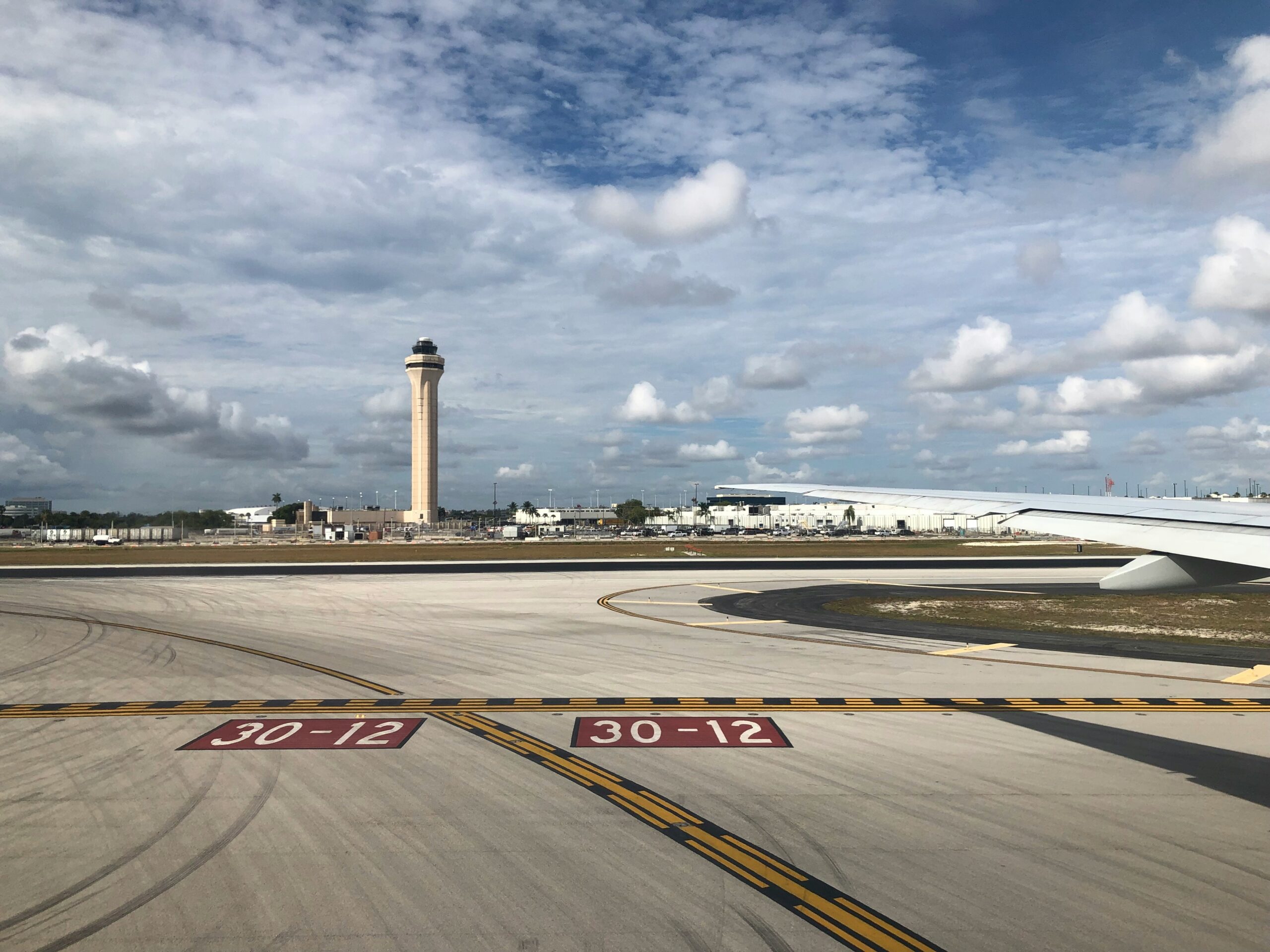
Its U.S. expansion underscores that strategy. Aeras has doubled the size of its Miami facility to 50,000 square feet, adding logistics capacity, quality control infrastructure, and inventory systems aimed at improving turnaround times. In Dubai, a new facility in Dubai South near Al Maktoum International Airport is being positioned to support engine component storage, kitting, and distribution.
Industry executives say the lines between trading, infrastructure, and advisory are beginning to blur. Companies that once focused narrowly on buying and selling assets are moving into broader strategic roles as the aftermarket becomes more central to airline operations.
Mr. Bradshaw’s dual position, leading a commercial enterprise while advising a head of state, reflects that evolution.
For Botswana, the calculation is straightforward: bring in an operator with experience managing aviation assets across multiple markets. For the aftermarket, the appointment highlights a shift in influence, as expertise developed on trading floors and in teardown facilities begins to inform national strategy.
As supply constraints persist and global fleets continue to age, that convergence between industry execution and government policy is likely to deepen.
Written in partnership with Tom White