
Responding to an injury can be stressful, so it’s important to know how to do so beforehand.
Sudden accidents, whether they involve a car accident, a workplace injury, or a property incident, can have serious short- and long-term consequences. However, some of these can be mitigated with the right response.
This is easier said than done, of course, since the shock from many injuries can confuse. As such, it’s worth knowing what to do during and after an accident, and for those living in Florida, that could include seeking injury compensation in Fort Lauderdale if you’re located in or around the area.
Prioritize Your Health
Regardless of the type of accident you get into, you should always evaluate yourself and others with you to determine whether you require medical care. If you notice any apparent injuries, contact local emergency medical services immediately.
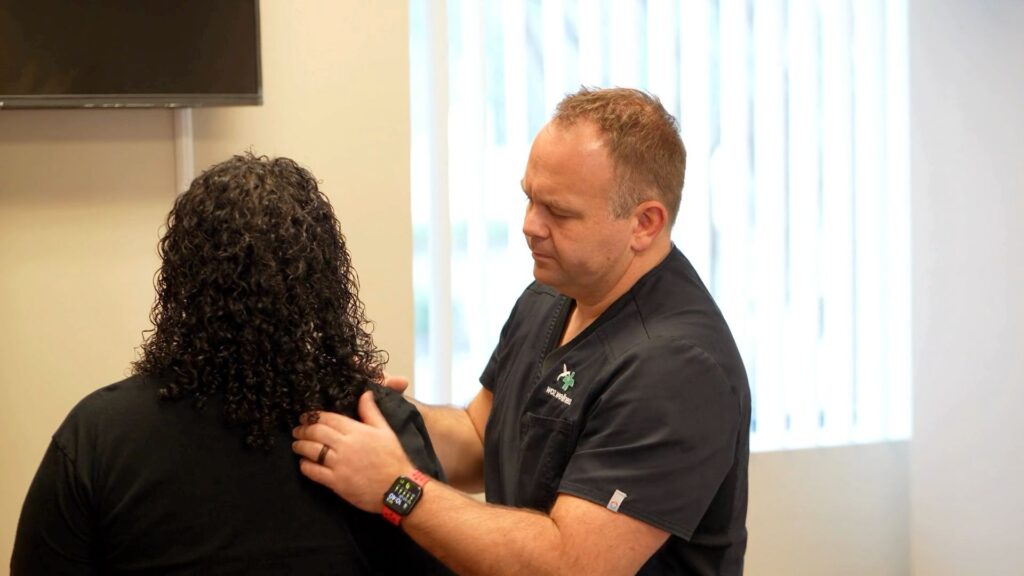
It should be noted that accidents can be as mentally traumatic as they are physical, and that can cause victims to overlook problems like headaches or neck pains. If you notice these or similar symptoms shortly after getting into an accident, you should seek medical attention to make sure the injury isn’t indicative of something more severe, like a concussion or whiplash.
Regardless of the diagnosis you receive, your healthcare team should provide you with written documentation of the visit, as this is an important piece of evidence that can support your insurance claim later on.
Document and Report the Accident
If you don’t require immediate medical attention, you should thoroughly document the scene of the accident to support your insurance claim better. Accident scenes will vary depending on the type of accident you get into, but in general, you should take photos or videos of the scene as soon as possible to preserve its condition.
Once you have gathered sufficient evidence, obtain the contact information for any witnesses present at the time of the accident. In situations like a car accident where other parties are easily accessible, you should also get their contact and insurance info, as well as any other relevant notes, such as the other driver’s car’s make and model.
After you finish speaking with others present at the scene of the accident, you should contact the local authorities to conduct their own investigation.
In the context of a car accident, AARP recommends that victims “call the state highway patrol’s nonemergency number to report the accident,” adding that “You can find this number on your phone, either by searching for it on the state patrol’s website or by typing ‘[name of state] highway patrol nonemergency phone number’ into a browser.”
This step is important because police and other authorities are typically required to produce reports for a given accident. These reports are another valuable piece of evidence that can be used to support your claim.
Compensation and Personal Injury Law in Fort Lauderdale
Depending on the specific circumstances and outcomes of your accident, you may be entitled to compensation for medical expenses, lost wages, pain and suffering, and future damages, among others.
It can be a good idea to seek local legal expertise to have them explain whether you would be eligible for these or other types of compensation and, if so, how much you might be owed.
For example, if a Fort Lauderdale resident were to get into a car accident in the city, a local personal injury lawyer may be able to help them calculate their pain and suffering and tally their total medical expenses and lost wages. These figures can then inform the amount of compensation the victim should seek in their claim.
Not all insurance companies are obligated to accept a valid claim right away, which is why a personal injury lawyer may also be helpful when negotiating for maximum compensation. Although most insurance claims settle, some may go to trial. Lawyers can be useful in this regard as well, representing their clients in court to help them obtain the maximum possible compensation.
Florida residents should note that the state’s statute of limitations is 2 years, meaning accident victims have 2 years from the date of their accident to file a personal injury claim before they lose the right to do so.
Better Safe Than Sorry
Accidents can be shocking events whose consequences endure long after the events themselves. Although it’s almost impossible to be fully prepared for an accident, arming yourself with a basic understanding of what to do during and immediately after an accident could make a meaningful difference between getting partial or full compensation out of your personal injury claim.
Even if your particular case is minor enough not to require a personal injury lawyer’s full services, it’s always worth at least considering a local option in case an insurance company isn’t willing to provide you the compensation you believe you deserve. In situations as potentially severe as a car accident or workplace injury, it’s better to be safe than sorry.
FAQ
Q: What should I do immediately after an accident?
A: Seek medical attention for yourself or others if necessary. If not, report the incident to the proper authorities before thoroughly documenting the accident scene by taking photos, gathering contact information from any witnesses, and obtaining a police or incident report.
Q: How long do I have to file a personal injury claim in Florida?
A: The statute of limitations in Florida is two years, so you have that long to file a personal injury claim before you lose the right to do so.
Q: Do I need a lawyer for a personal injury claim?
A: Not necessarily, but a lawyer can help you collect evidence, negotiate with insurance companies, and, if necessary, take your case to trial.
Written in partnership with Tom White