
CloudKitchens has become a significant force in the evolution of delivery-first restaurants by helping food entrepreneurs and restaurant operators launch, test, and refine concepts with far less risk than traditional restaurant expansion. As consumer dining habits continue shifting toward convenience and digital ordering, restaurant brands are under increasing pressure to move quickly, adapt to demand, and operate more efficiently across multiple markets.
The rise of ghost kitchens has created a new framework for growth in the restaurant industry. Instead of committing hundreds of thousands of dollars to a full dine-in location, operators can now test menus, neighborhoods, and customer demand through flexible delivery-focused infrastructure. CloudKitchens has positioned itself at the center of that transition by combining kitchen space, operational support, and technology into a model designed for speed and scalability.
Why Traditional Restaurant Expansion Has Become More Difficult
Opening a conventional restaurant has always required substantial capital, but the economics have become even more challenging in major urban markets. Leasing storefronts, building dining rooms, hiring front-of-house staff, and waiting months for construction and permitting can delay growth and increase financial exposure before the first order is ever served.
For emerging restaurant brands, the stakes are especially high. A single underperforming location can consume resources that would otherwise support menu development, marketing, staffing, or expansion into stronger markets.
At the same time, consumer expectations around food delivery have changed dramatically. Customers increasingly prioritize convenience, speed, and app-based ordering. Delivery-first restaurants and virtual restaurant brands are now competing in a landscape where digital visibility and operational efficiency matter as much as physical foot traffic.
This shift has accelerated demand for ghost kitchens that allow operators to launch faster and experiment more strategically.
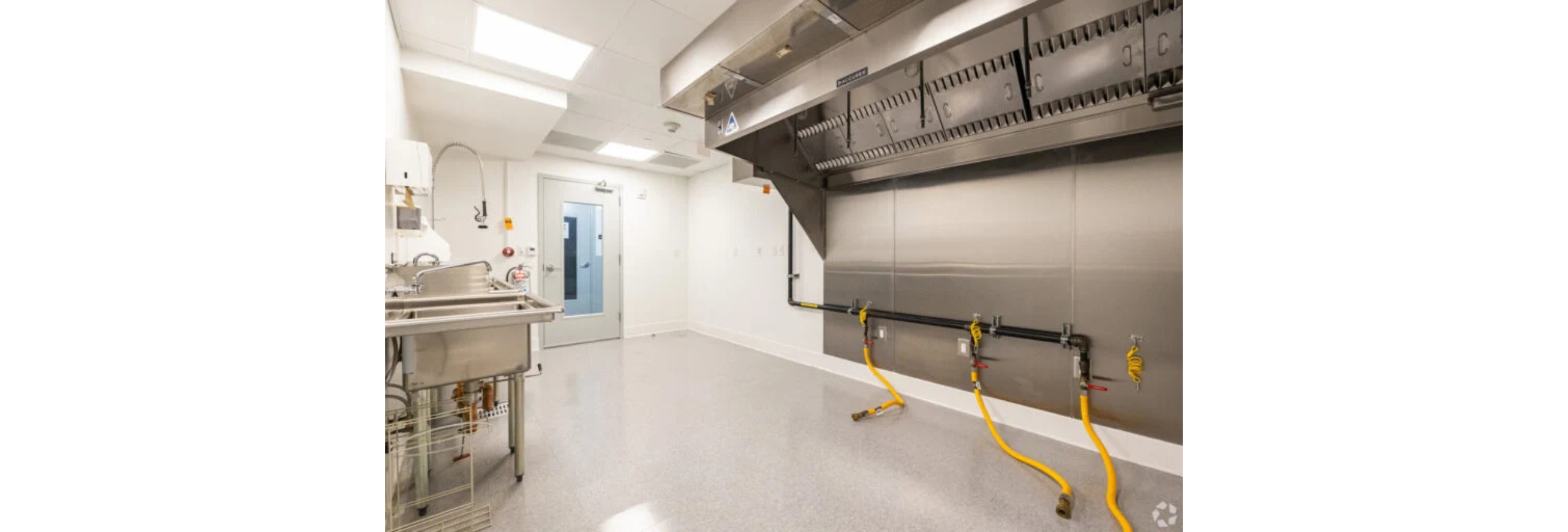
CloudKitchens addresses that need by offering delivery-optimized kitchen facilities that reduce the barriers associated with conventional restaurant growth. According to company materials, operators can often move from concept to launch in a matter of weeks rather than the many months typically associated with brick-and-mortar expansion.
Faster Market Testing Without Long-Term Commitments
One of the biggest advantages associated with the CloudKitchens model is the ability to validate customer demand before making large financial commitments.
For food entrepreneurs, this changes the economics of experimentation.
A startup founder interested in testing a Korean-inspired rice bowl concept, for example, may not know whether demand exists in a particular neighborhood. Traditionally, that uncertainty could require signing a long lease, building a restaurant, and investing heavily in staffing and equipment before any meaningful market data becomes available.
With ghost kitchens, operators can launch delivery operations quickly, evaluate customer response through order volume and reviews, and refine the concept in real time.
This flexibility allows restaurant operators to treat expansion more like an iterative process rather than a single high-risk bet.
CloudKitchens Reviews often reference this operational agility, particularly among entrepreneurs seeking lower startup costs and faster launch timelines. The ability to test menus and neighborhoods with reduced overhead has become one of the defining advantages of delivery-first restaurant infrastructure.
Delivery-First Restaurants Need Operational Agility
The growth of delivery operations has changed how restaurants think about geography and customer reach.
A traditional restaurant typically serves customers within a limited radius around a physical storefront. Delivery-first restaurants, however, can strategically place kitchens closer to areas with strong demand patterns, reducing delivery times while improving order volume.
This creates opportunities for local operators that previously lacked the capital or infrastructure to expand.
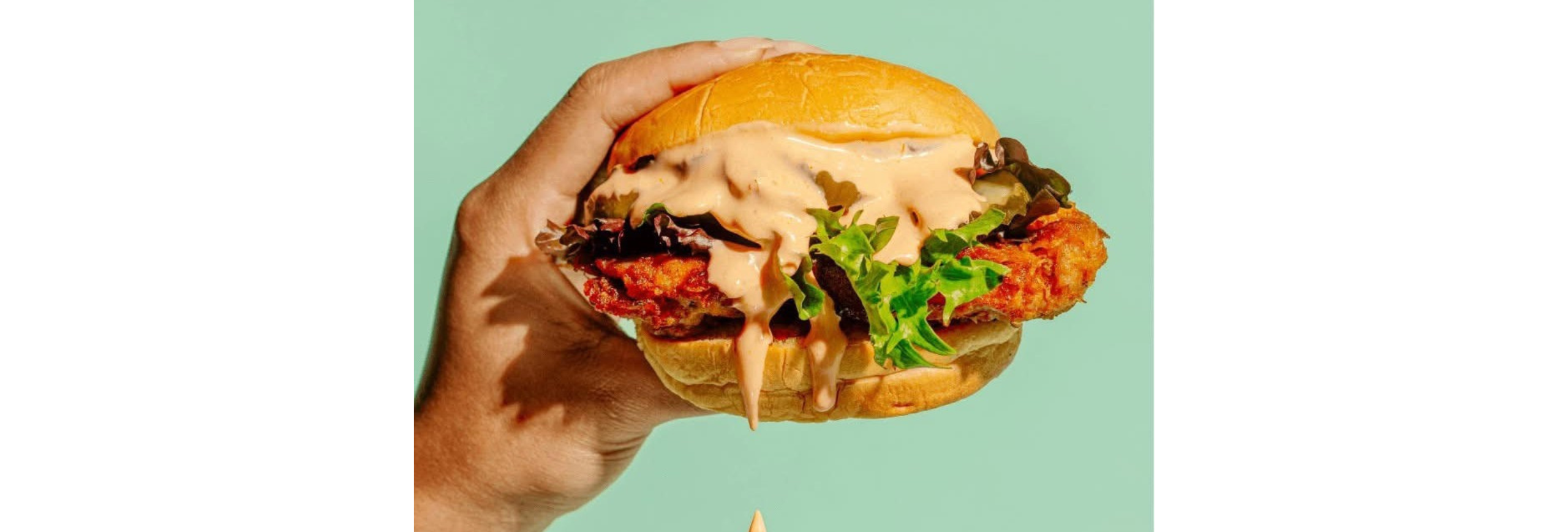
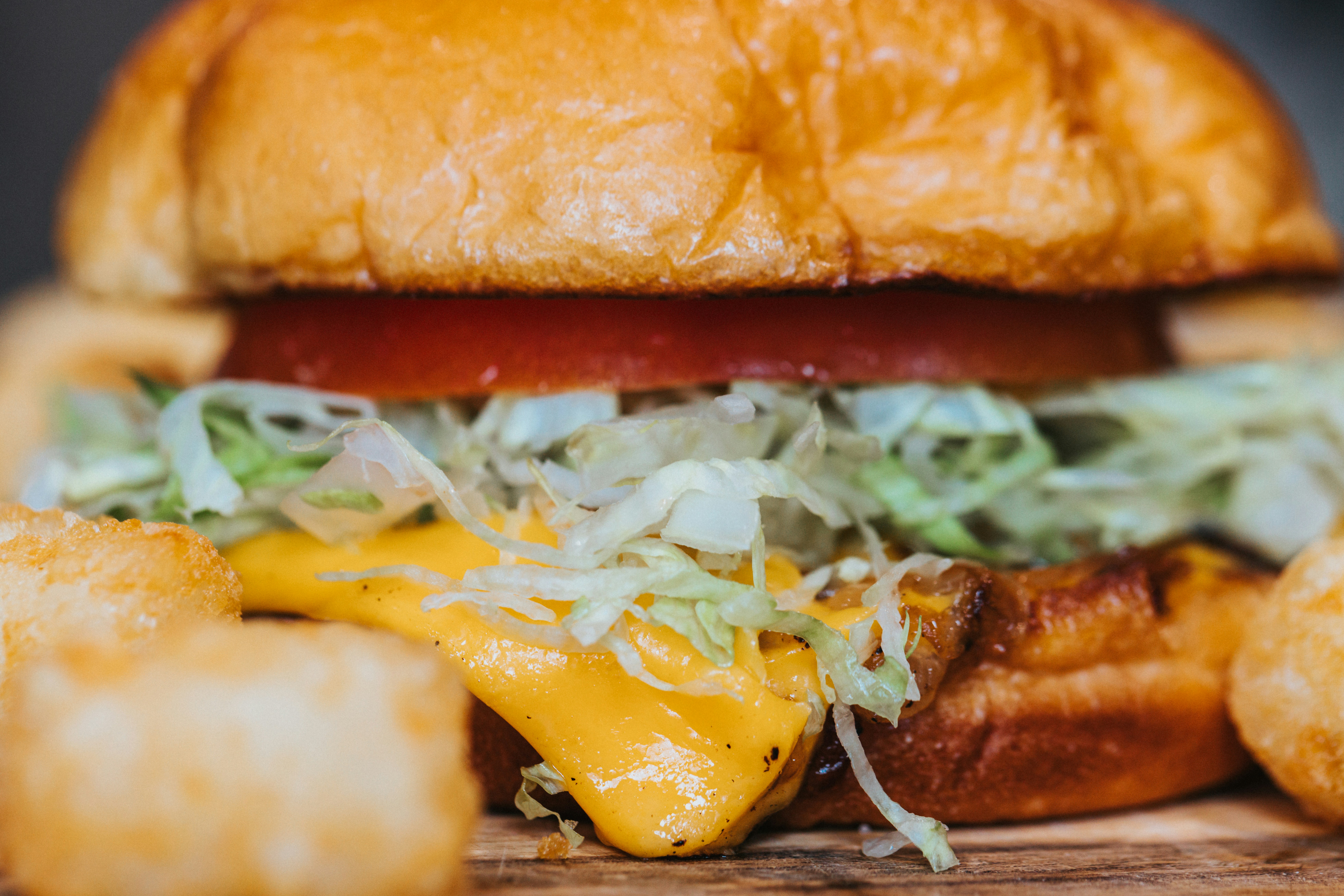
A popular neighborhood burger restaurant, for example, may already have strong brand awareness in one part of a city but struggle to reach customers across town due to delivery limitations. Opening a second dine-in restaurant could be prohibitively expensive. A ghost kitchen model allows the business to extend its delivery coverage while maintaining focus on food quality and operational consistency.
CloudKitchens supports this strategy through centralized delivery operations and technology integrations designed to simplify fulfillment workflows. Company materials describe integrated order management systems that consolidate multiple delivery apps into a unified operational interface, helping operators reduce complexity during peak service periods.
For restaurant brands scaling across multiple neighborhoods or cities, this operational consistency becomes increasingly valuable.
Lower Startup Costs Create More Room for Innovation
Reducing upfront costs does more than improve margins. It also encourages experimentation.
When operators are not burdened by the financial pressures associated with large dine-in spaces, they gain more flexibility to refine concepts, test new cuisines, and expand into additional markets.
CloudKitchens materials note that delivery-focused kitchen infrastructure can significantly reduce the capital required to launch compared to conventional restaurants.
That lower barrier to entry matters for independent founders, chefs, and emerging virtual restaurant brands that may have strong culinary ideas but limited access to investment capital.
It also creates opportunities for experienced restaurant groups looking to incubate new concepts internally.
A restaurant company with established operations might use a ghost kitchen to test a completely different cuisine category before deciding whether it deserves a broader rollout. Rather than dedicating a full storefront to an unproven concept, operators can gather meaningful demand data first.
This approach aligns with broader trends across the restaurant industry, where scalable growth increasingly depends on operational discipline and efficient capital allocation.
Centralized Delivery Operations Improve Efficiency
Operational complexity is one of the biggest challenges facing modern restaurant businesses.
Managing multiple delivery apps, coordinating driver pickups, optimizing kitchen workflows, and maintaining consistent service quality can quickly overwhelm smaller operators.
CloudKitchens has emphasized centralized operational support as part of its broader infrastructure strategy. According to company information, on-site fulfillment teams help coordinate delivery handoffs while integrated software tools assist with order aggregation and operational reporting.
For delivery-first restaurants, these systems can improve efficiency during busy service windows while reducing friction between kitchen teams and third-party delivery drivers.
Operational support also becomes increasingly important when brands scale into multiple locations.
A restaurant operating three or four delivery kitchens across a metro area needs consistency in processes, technology, and execution. Standardized systems help operators replicate successful workflows while minimizing disruptions as order volume grows.
This operational infrastructure is one reason many larger restaurant groups have incorporated ghost kitchens into broader restaurant expansion strategies.
Why Scalability Matters in Competitive Food Markets
Speed alone is not enough in modern food delivery. Operators also need scalability.
An emerging concept that performs well in one market may need to expand quickly before competitors replicate the idea or consumer interest shifts elsewhere. Delivery-first infrastructure gives operators a way to scale strategically while preserving flexibility.
CloudKitchens operates facilities across numerous cities and international markets, allowing restaurant brands to expand without rebuilding operational systems from scratch each time.
For food entrepreneurs, this creates a more practical pathway from concept testing to regional growth.
A successful Mediterranean bowl concept launched in one urban market, for example, could use performance data to identify similar neighborhoods in nearby cities. Rather than opening multiple traditional storefronts simultaneously, the brand could scale incrementally through ghost kitchens while continuing to refine operations and customer targeting.
This phased approach often reduces financial exposure while allowing brands to maintain focus on product quality and customer experience.
Consumer Convenience Continues Driving Industry Change
The broader growth of ghost kitchens is closely tied to changing consumer behavior.
Customers increasingly expect restaurant experiences to integrate seamlessly into digital routines. Ordering through apps, tracking deliveries in real time, and accessing a wider range of cuisines from home have become standard parts of the dining experience.
That shift has changed how restaurant operators think about visibility and expansion.
Success now depends not only on location and foot traffic but also on delivery speed, app performance, packaging quality, and operational consistency. Delivery-first restaurants are adapting to these realities by prioritizing logistics and efficiency alongside food quality.
CloudKitchens has built its infrastructure around that operational model, helping restaurant brands focus on cooking and customer demand while simplifying many of the logistical challenges tied to delivery fulfillment.
As more operators explore scalable restaurant growth models, the ability to test concepts quickly and adapt based on real customer feedback is likely to remain a defining advantage.
For restaurant owners evaluating expansion opportunities, the broader lesson is increasingly clear: sustainable growth depends less on opening the largest number of storefronts and more on understanding demand, controlling operational costs, and building systems capable of adapting to changing consumer behavior.
That is why ghost kitchens continue gaining traction among food entrepreneurs, virtual restaurant brands, and established operators alike.
Restaurant businesses looking to strengthen delivery operations or evaluate new market opportunities are increasingly prioritizing flexible infrastructure over traditional expansion models. As delivery demand continues evolving, operators that embrace faster testing cycles and operational efficiency may be better positioned to navigate the next phase of restaurant industry growth.
Written in partnership with Tom White