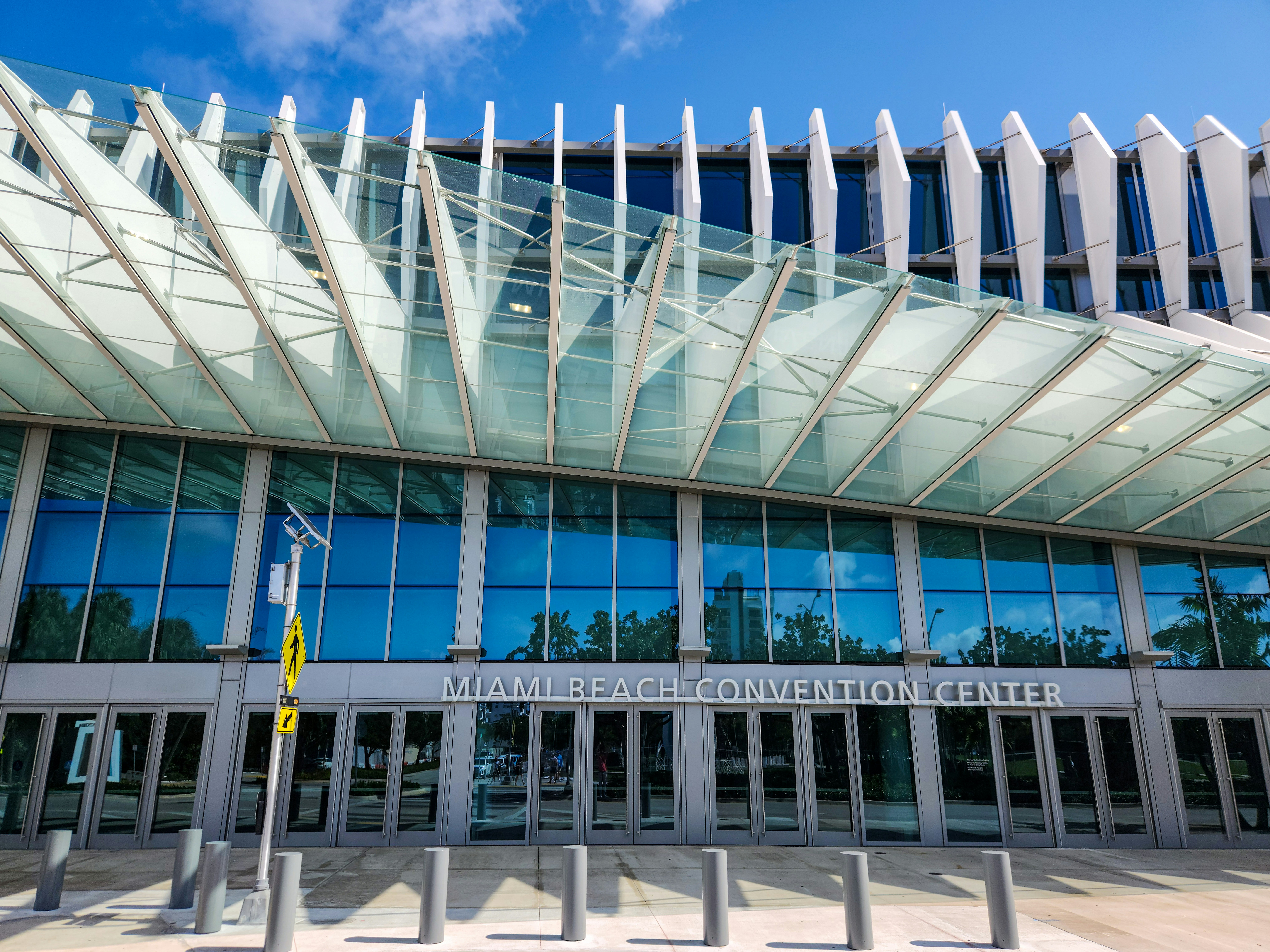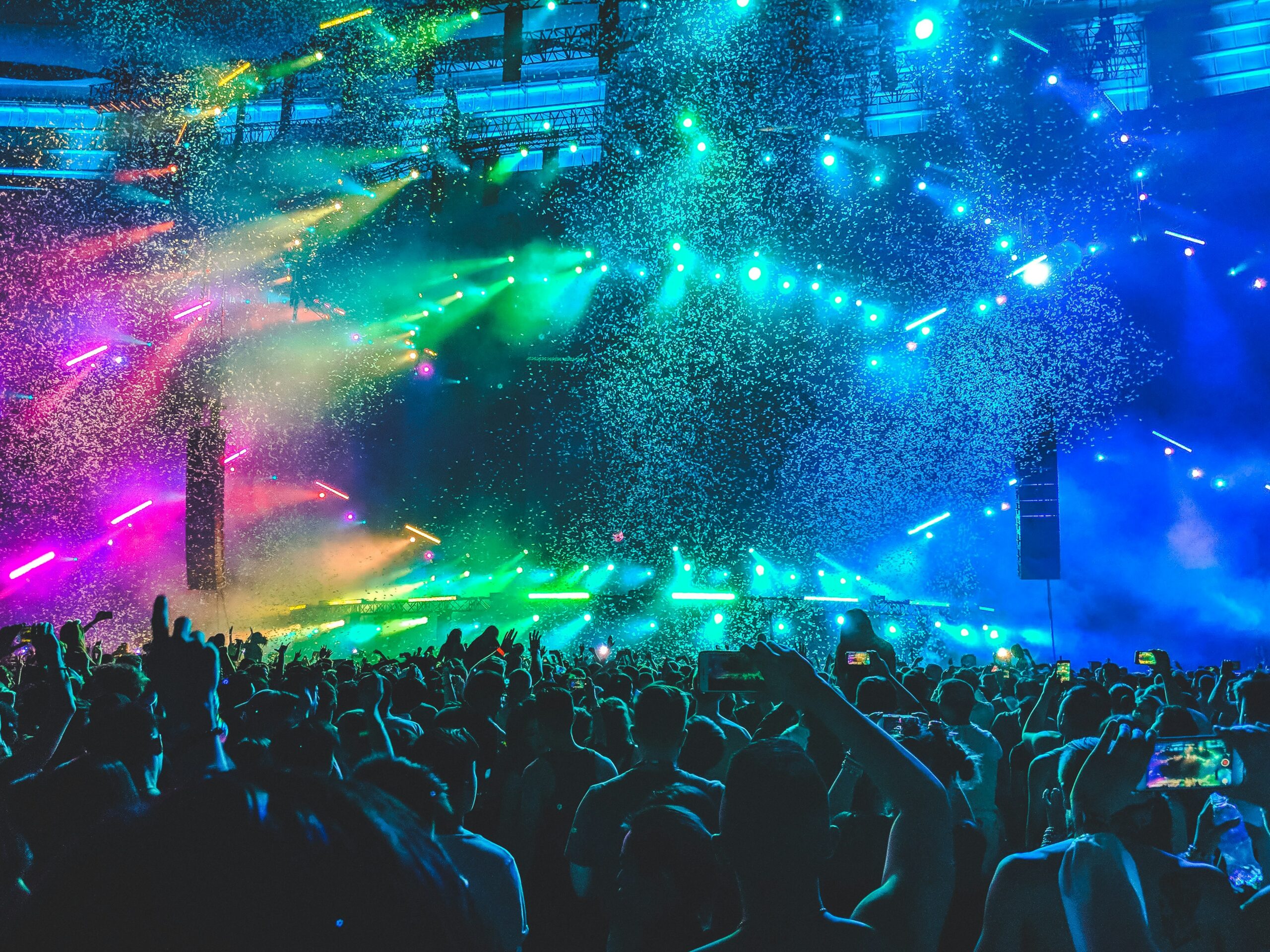

Last March, a corporate product launch at the Miami Beach Convention Center lost its entire livestream feed forty seconds before the CEO walked on stage. The in-house network had buckled under the weight of 3,200 simultaneous device connections. The production crew scrambled. The client’s communications director was on the phone with New York. And somewhere backstage, a technician was rebooting a consumer-grade router that had no business being at an event of that scale.
It’s a story that plays out more often than anyone in the Miami events industry would like to admit.
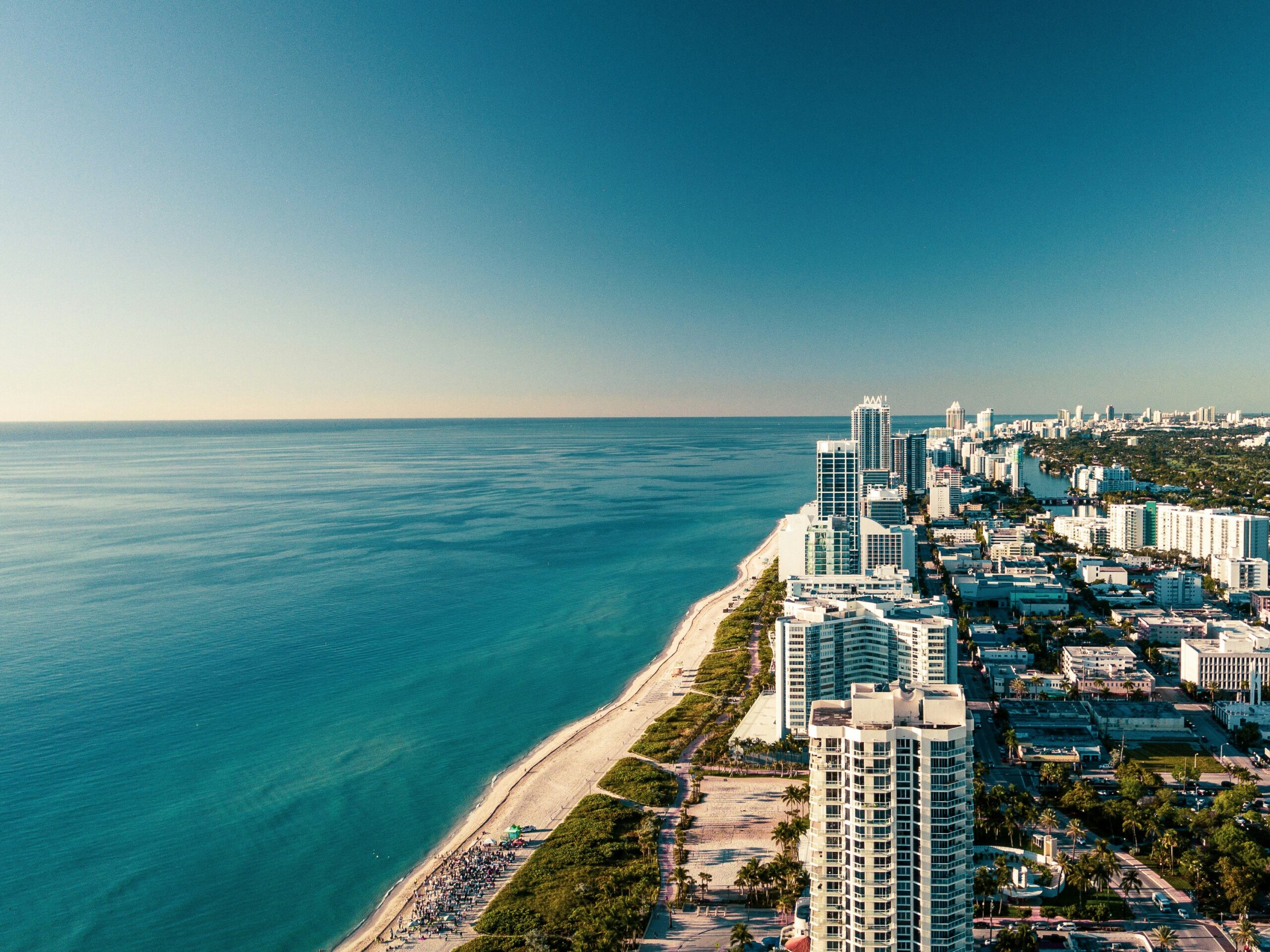
Miami’s Unique Problem With Event Connectivity
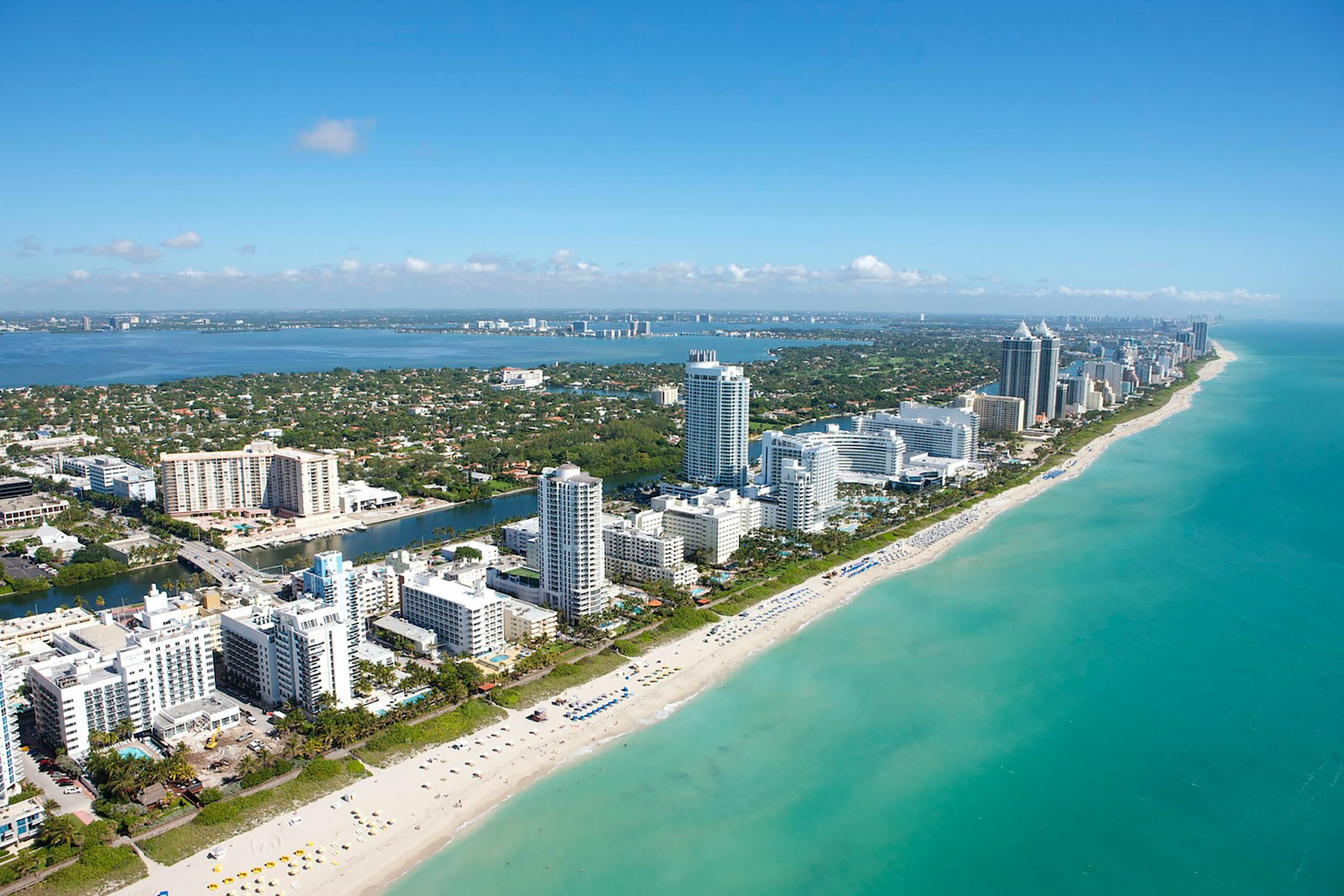
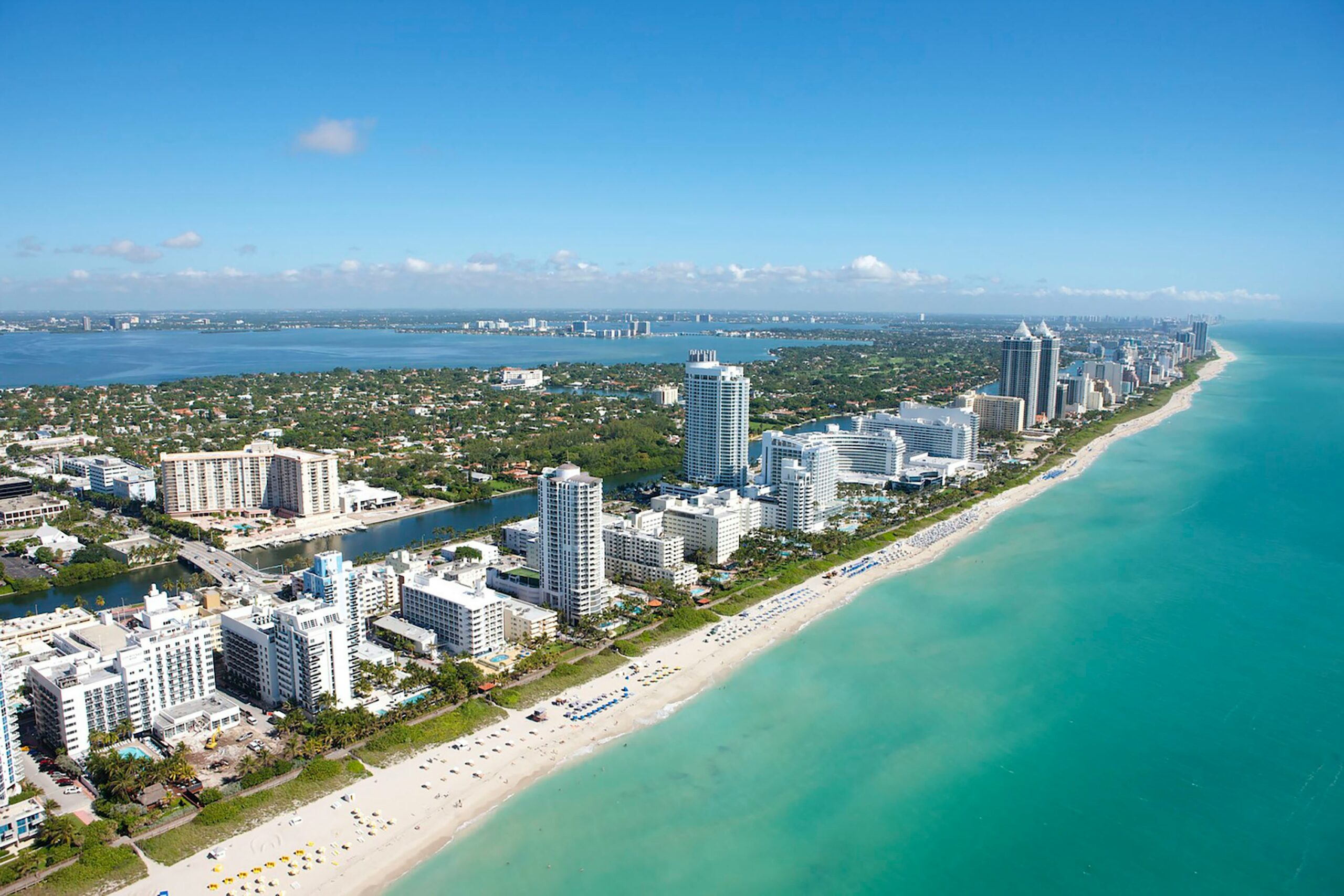
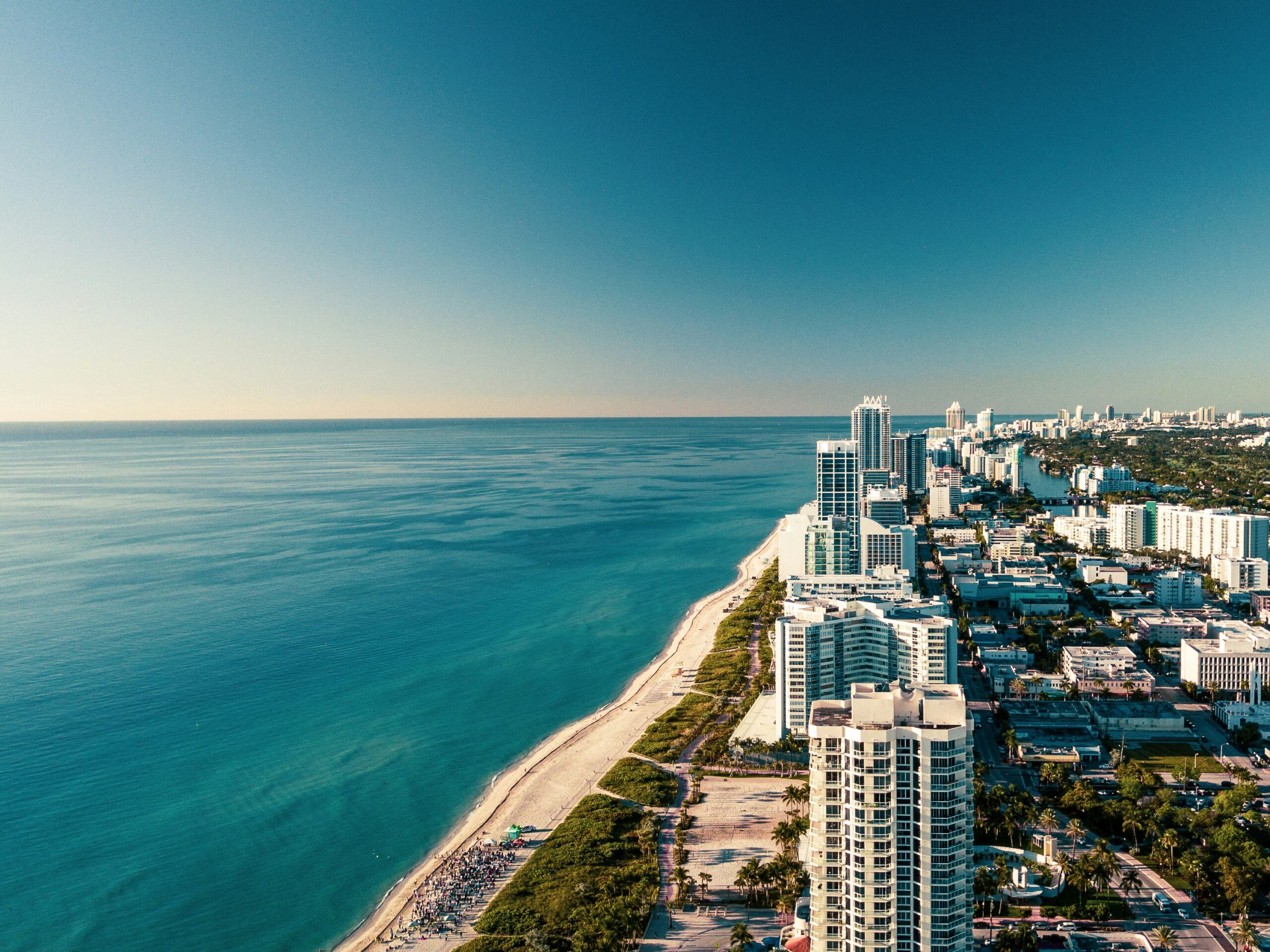
South Florida isn’t like other markets when it comes to temporary internet deployment. The combination of factors here — ocean salt air corroding equipment, summer humidity that regularly exceeds 85 percent, afternoon thunderstorms rolling in without much warning from June through November, and concrete-heavy venue construction that blocks cellular signals — creates conditions that most off-the-shelf networking solutions simply can’t handle.
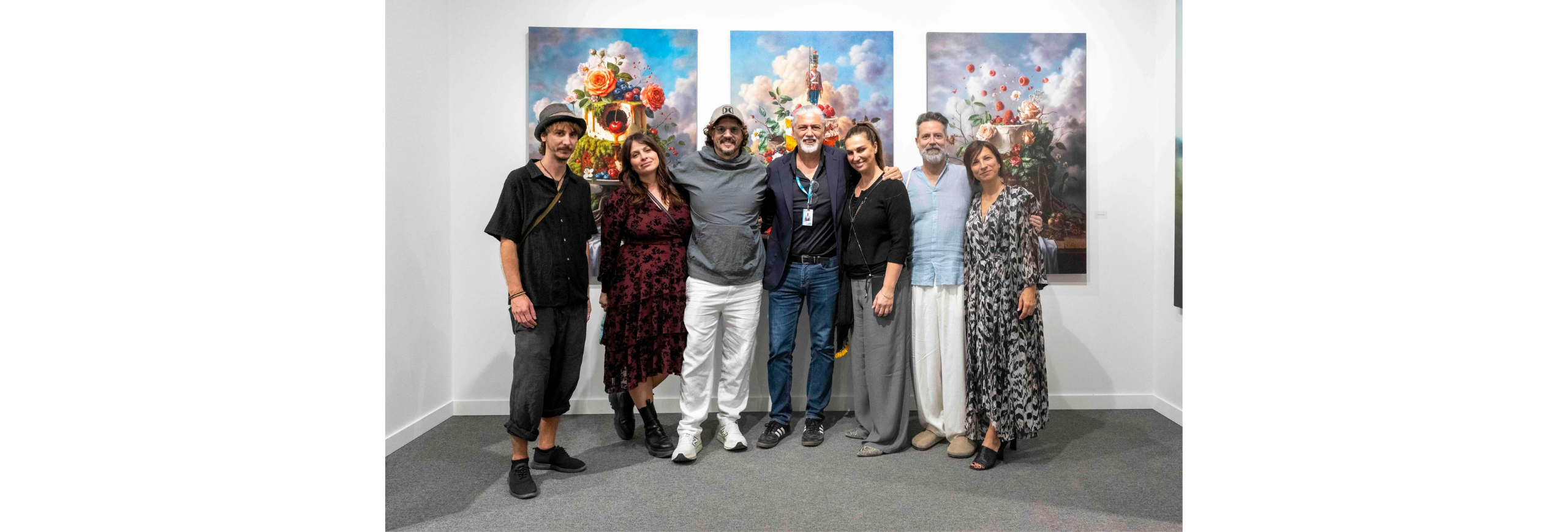
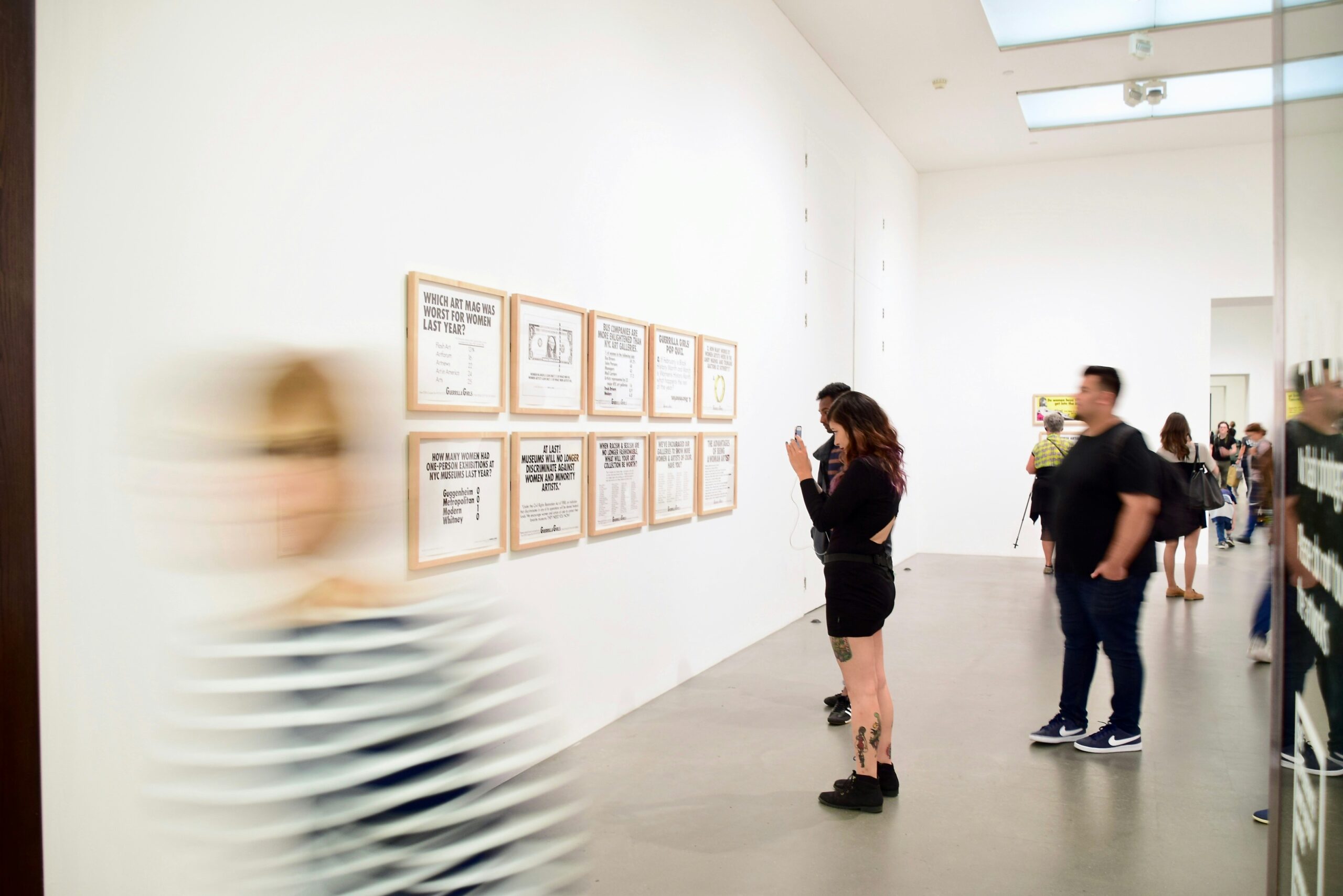
Consider what happens during Art Basel each December. Wynwood’s open-air galleries and pop-up installations spread across blocks of converted warehouse space. Thousands of attendees are streaming, posting, and trying to process mobile payments simultaneously. The galleries themselves need reliable uploads for virtual viewing rooms that connect buyers in London and Hong Kong to pieces hanging in a repurposed shipping container on NW 2nd Avenue. A fifteen-second dropout can mean a six-figure sale that doesn’t happen.
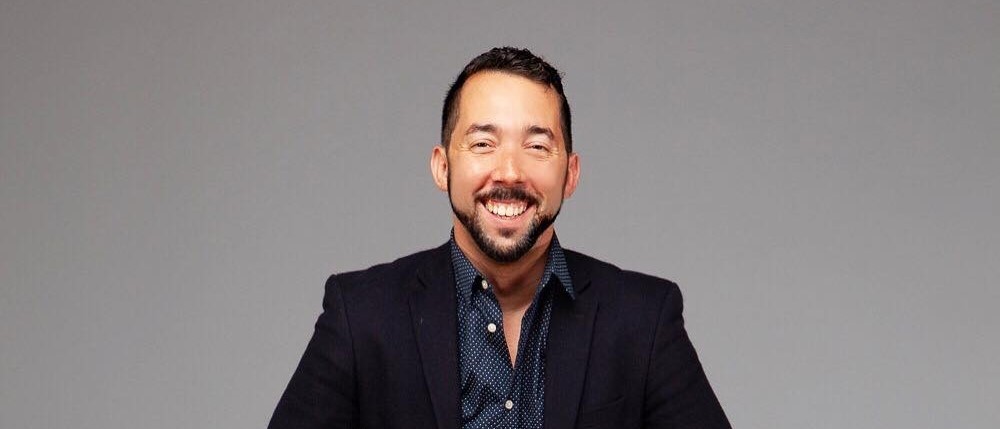
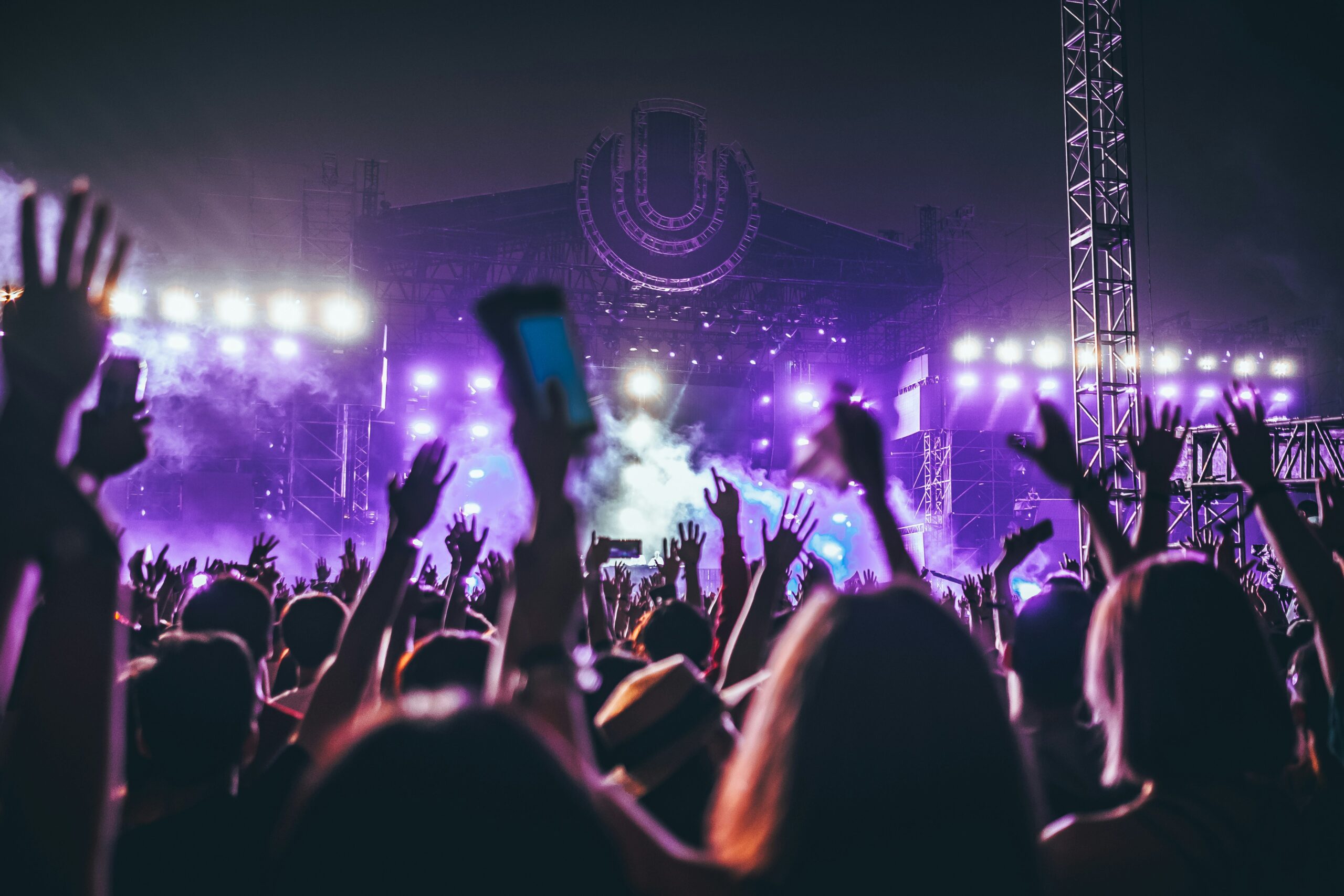
“People underestimate how hostile Miami’s environment is to networking equipment,” says Matt Cicek, CEO of WiFiT, a company that has provided internet infrastructure for hundreds of large indoor and outdoor events since 2015. “We’ve had deployments at Bayfront Park where the heat index hit 108 degrees and our outdoor access points were sitting in direct sun on black staging. Consumer gear shuts down at those temperatures. We design our deployments with industrial-grade enclosures and redundant failover paths — multi-carrier cellular bonding as the primary pipe, satellite plus 5G hybrid as backup. When a thunderstorm knocked out two cell towers during an Ultra Music Festival weekend pre-party in 2024, our WAN smoothing kept the livestream running by redistributing traffic across the remaining carriers in under three seconds. That’s not something you can improvise on event day.”
WiFiT is one of the most experienced providers of Miami event WiFi services, having built connectivity solutions for venues ranging from intimate Brickell rooftop corporate dinners to massive outdoor festivals.
The Convention Center Conundrum
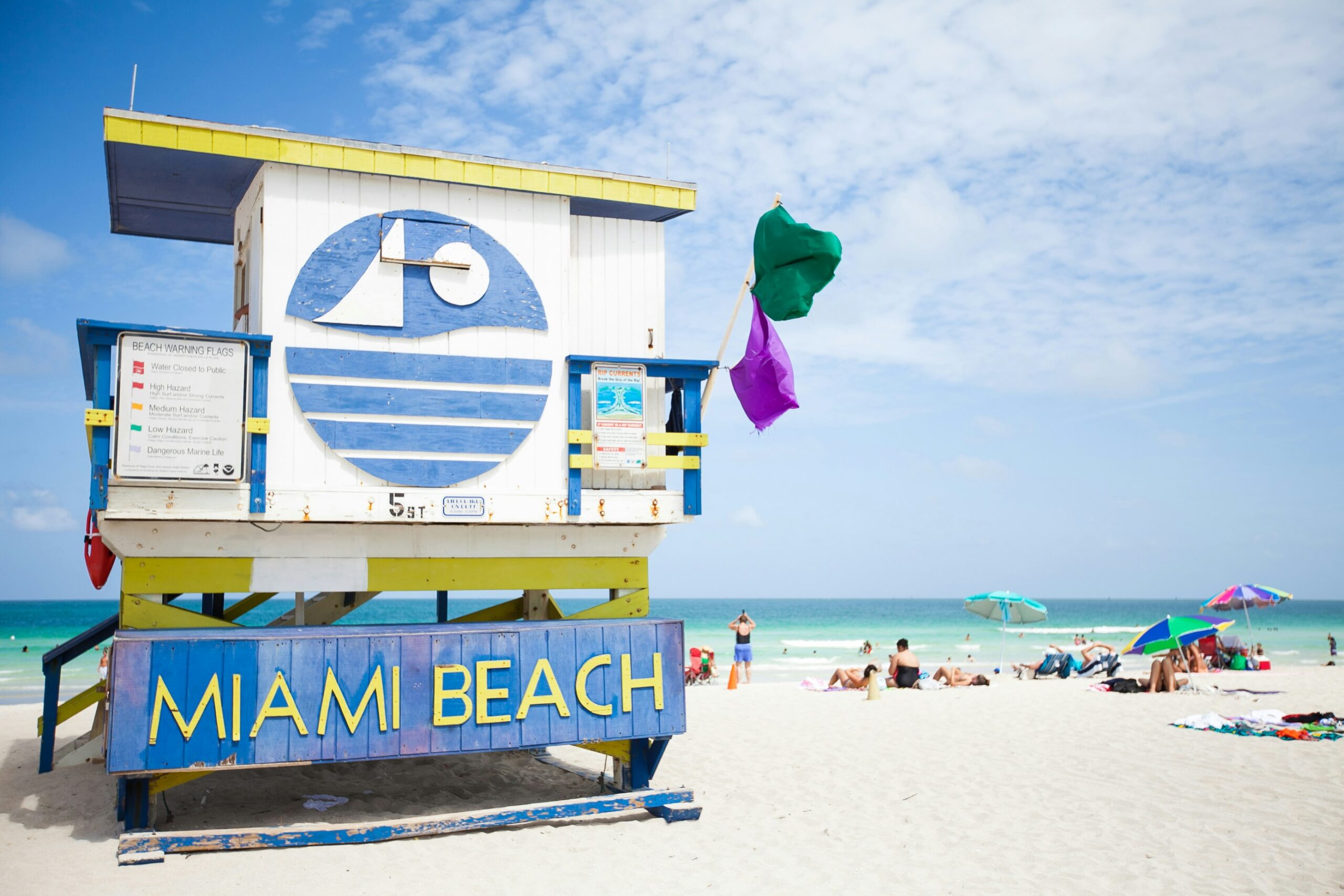
The Miami Beach Convention Center, which underwent a $620 million renovation completed in 2018, is a showpiece. It’s also 1.4 million square feet of reinforced concrete and steel that turns cellular signals into suggestions. Event producers booking the Grand Ballroom or the outdoor Collins Canal terrace regularly discover that the venue’s built-in Wi-Fi wasn’t designed for the kind of bandwidth-intensive, high-density usage that modern conferences demand.
Registration kiosks need stable connections. Exhibitors are running product demos over cloud platforms. Keynote speakers expect flawless screen mirroring. And every single attendee expects to post to LinkedIn without watching a loading spinner.
The gap between what’s available and what’s needed is where temporary internet providers come in. But not all of them understand the specific challenges of working inside a structure like the Convention Center, where signal penetration issues mean you can’t just rely on a bonded cellular setup pointed out a window.
Outdoor Events: A Different Beast Entirely
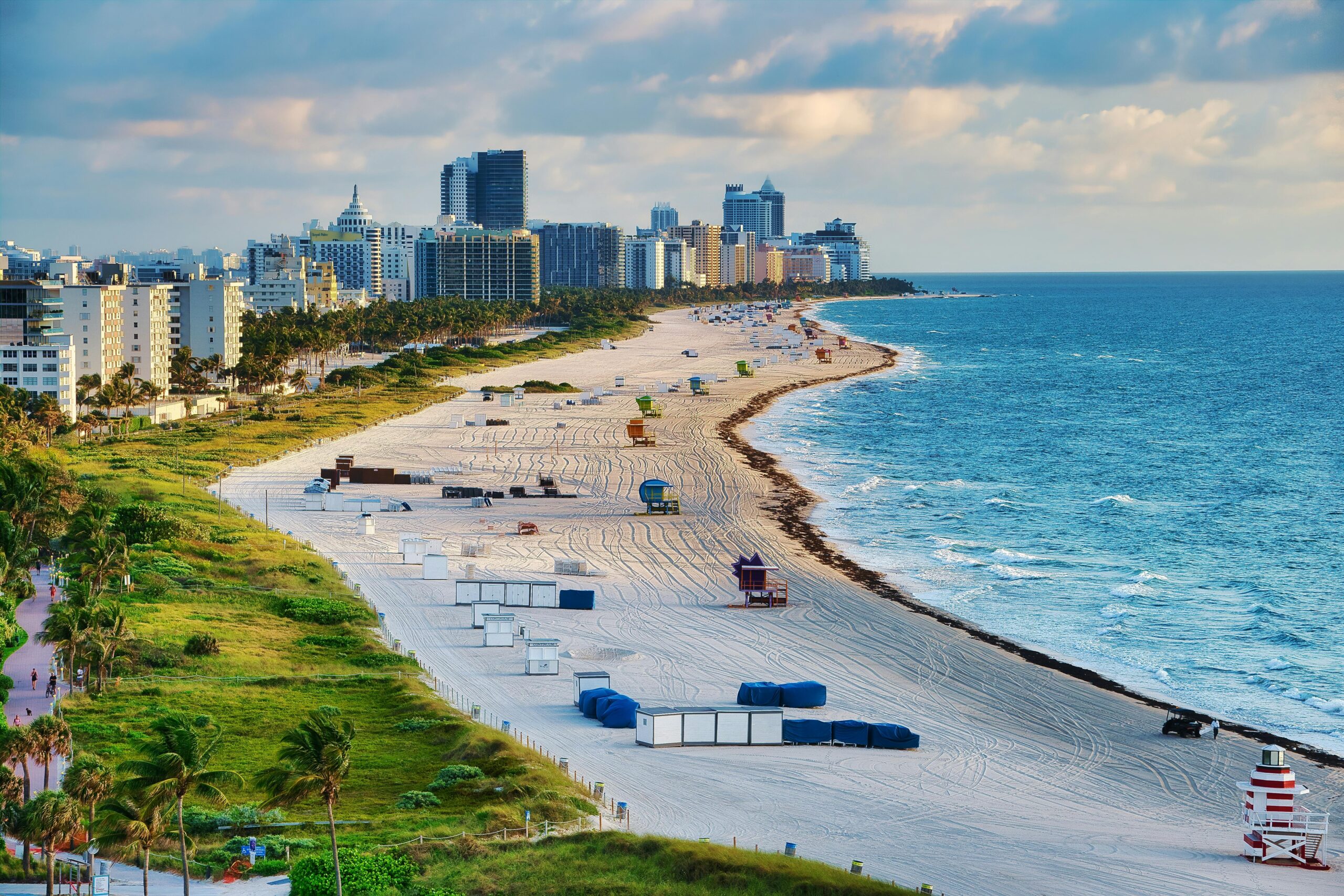
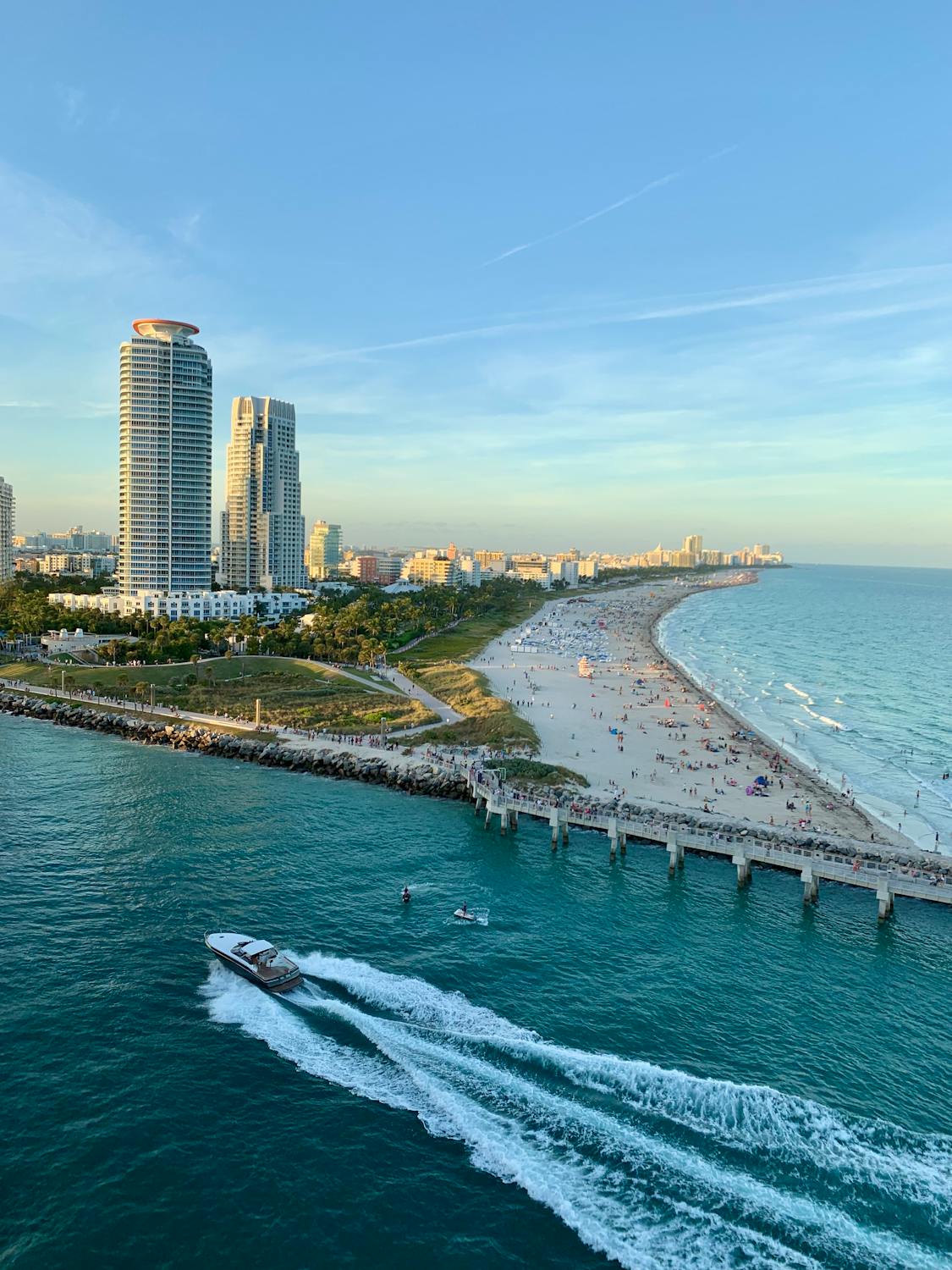
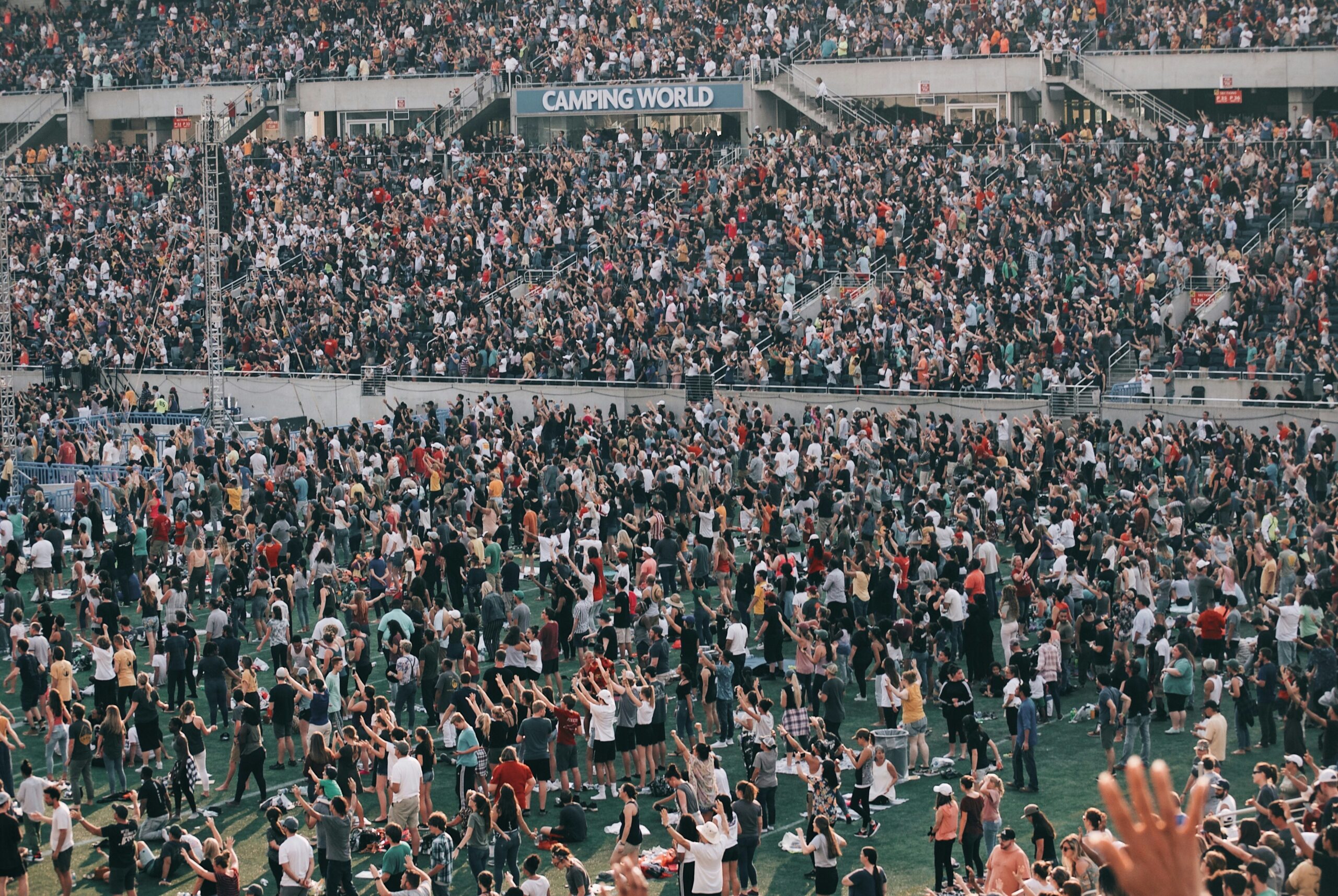
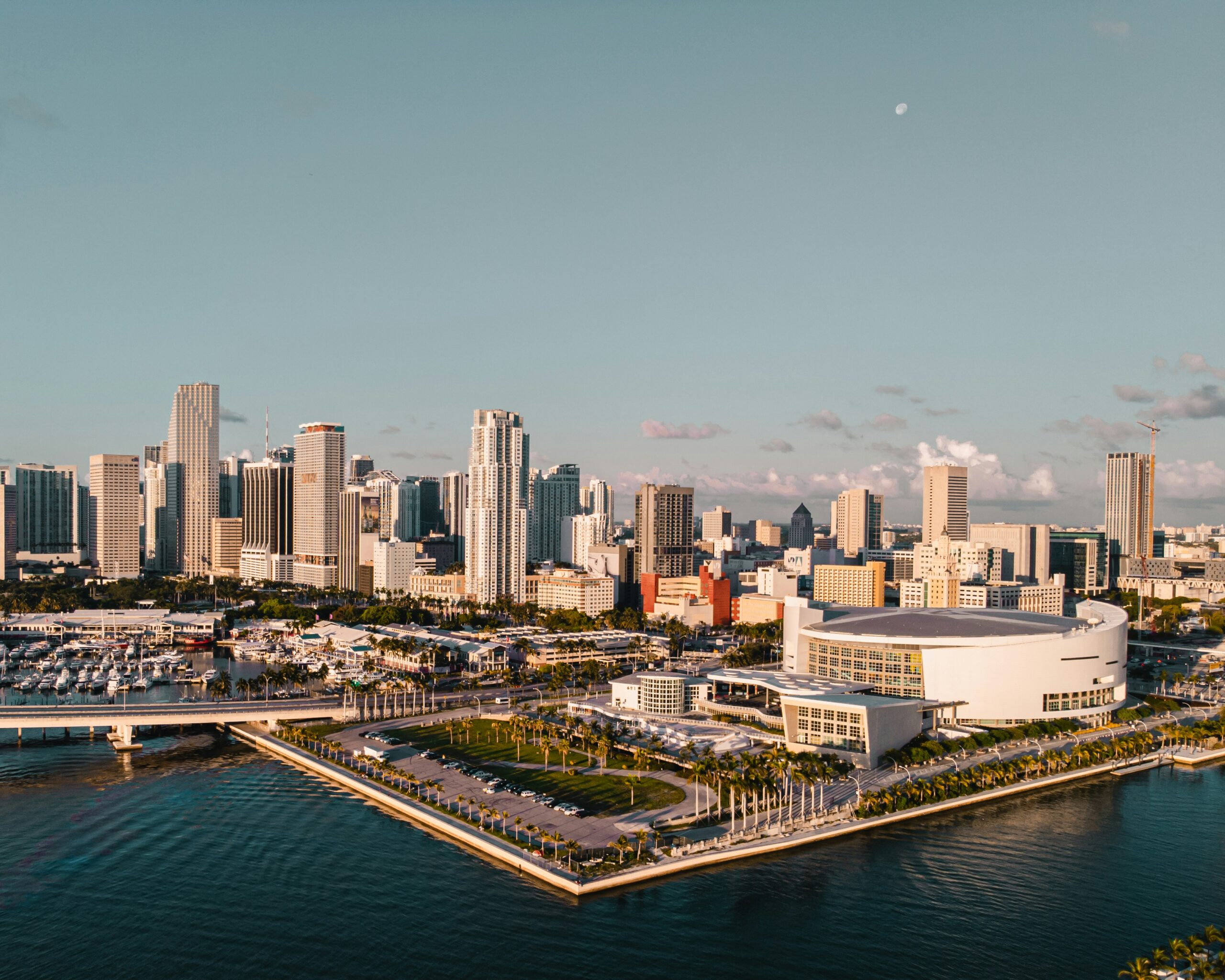
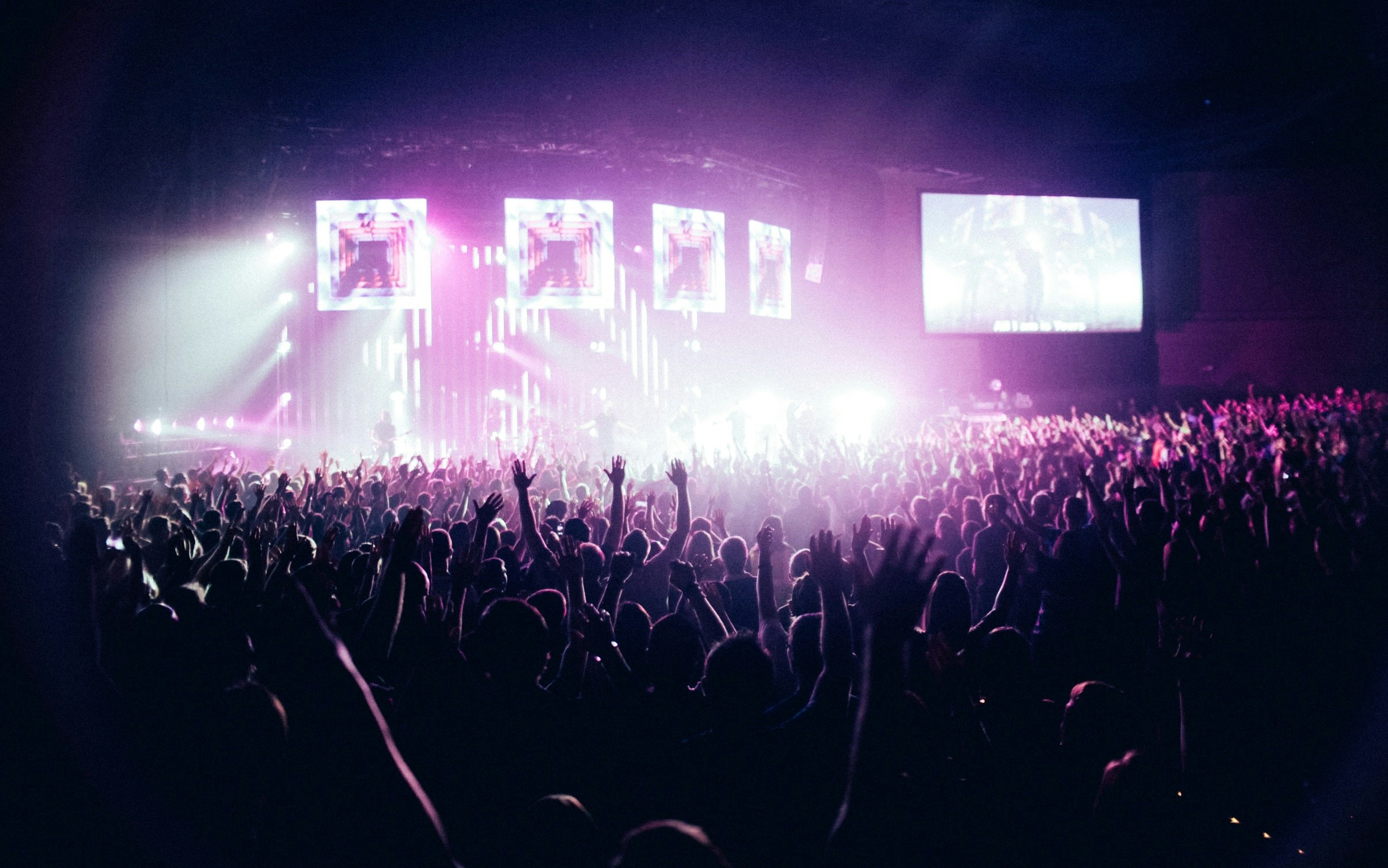
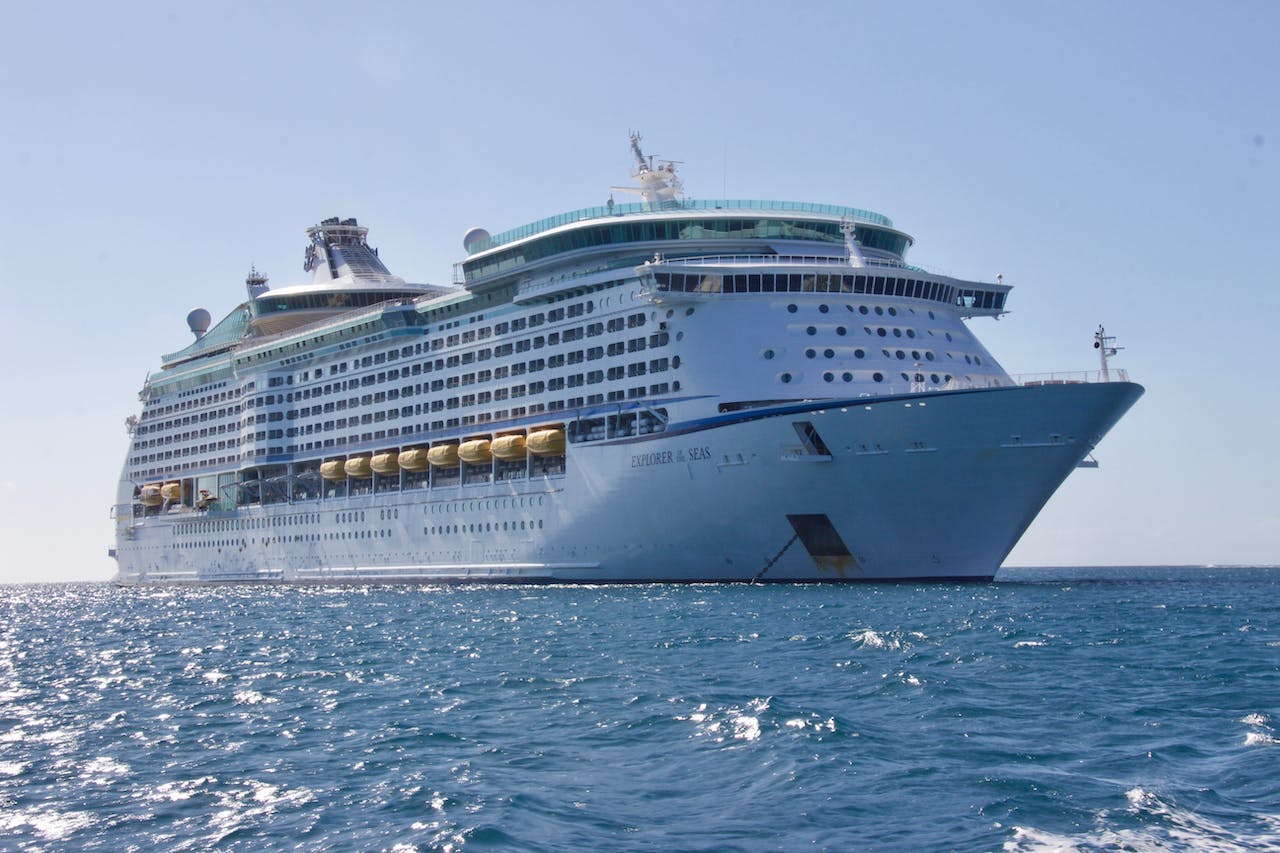
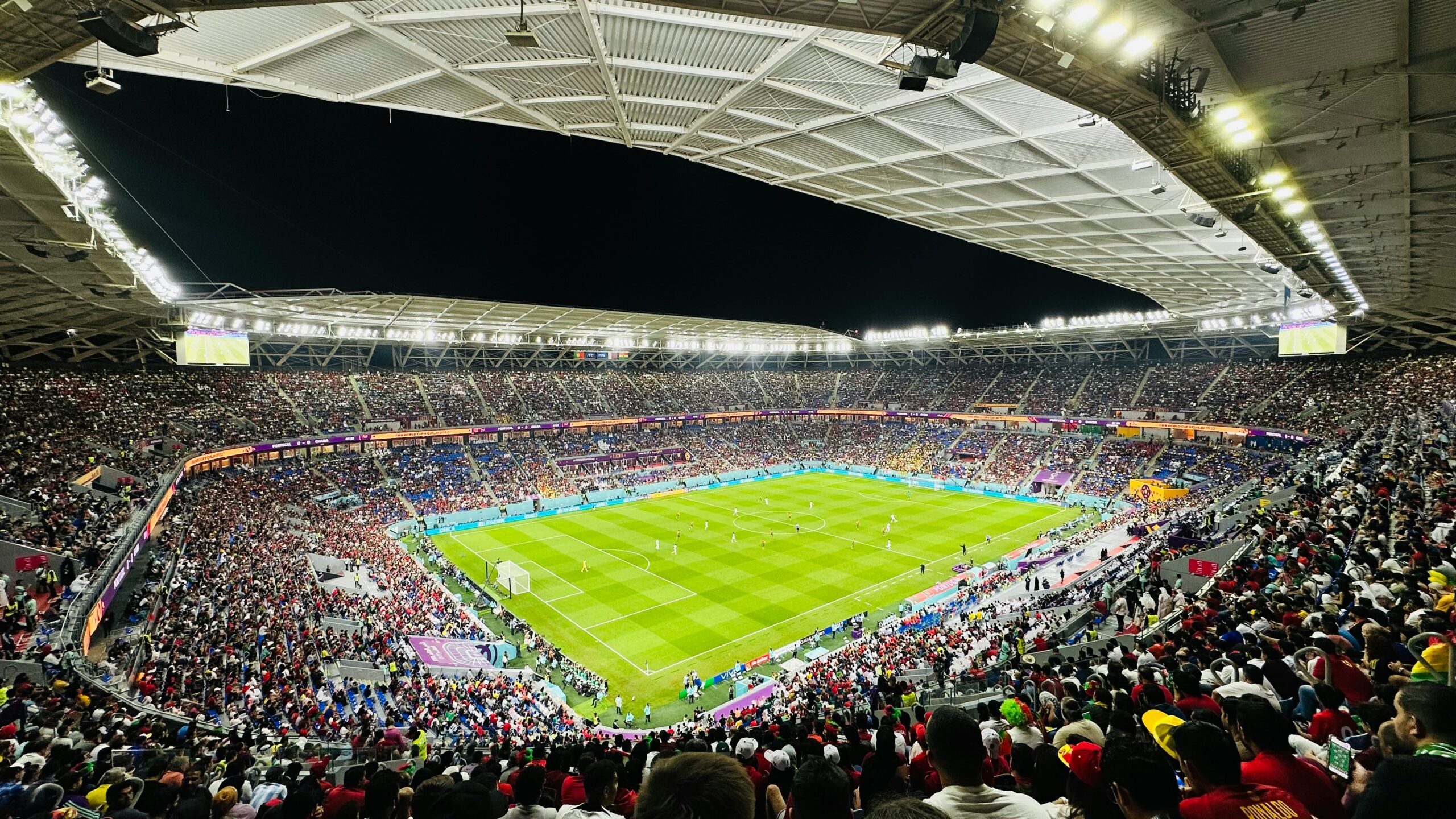
Then there’s the outdoor side of Miami’s event calendar, which runs almost year-round. Ultra Music Festival draws over 170,000 people to Bayfront Park across a single weekend. PortMiami hosts cruise terminal launch events where connectivity has to work across massive parking structures and open waterfront areas simultaneously. Wynwood’s monthly art walks pull crowds into streets where the nearest fiber drop might be two blocks away.
For outdoor deployments, the checklist gets long fast. Power sources. Weather protection. Line-of-sight for satellite dishes. Antenna placement that accounts for crowd density — because thousands of human bodies absorb radio frequency signals in ways that empty-venue testing won’t reveal.
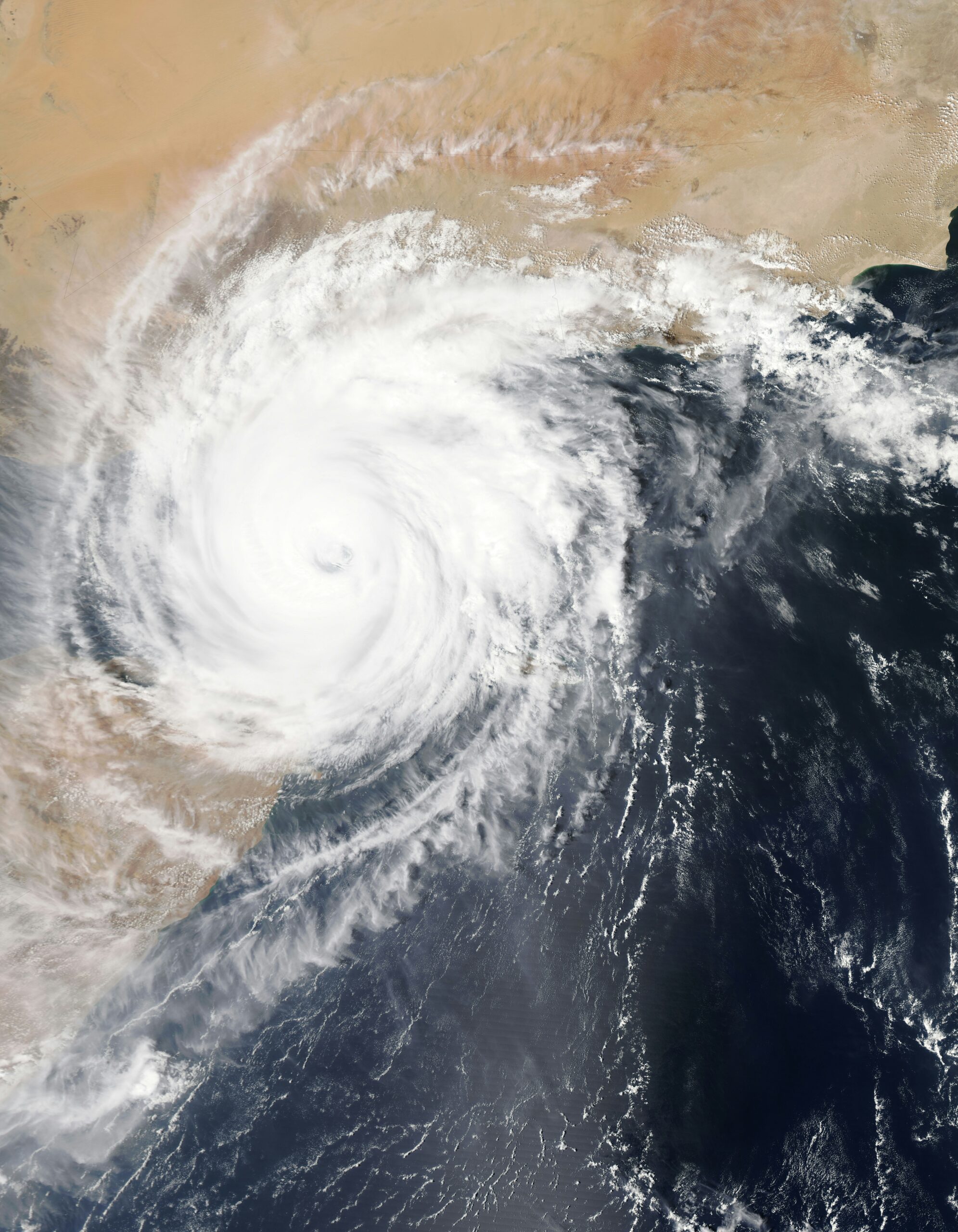
And then there’s hurricane season.
From June 1 through November 30, every outdoor event in South Florida needs a weather contingency plan. That’s not optional. It’s a question of when, not if, a tropical system will force last-minute changes. Events that planned for clear skies suddenly need to move indoors, compress their footprint, or operate under tented structures that create their own signal interference problems.
What the Production Side Sees
Sandra Maldonado has been coordinating AV and production logistics for South Florida events for eleven years, most recently as an independent event production manager working with corporate clients, music festivals, and nonprofit galas across Miami-Dade and Broward counties.
“The single biggest point of failure I see at Miami events isn’t the sound system or the lighting rig. It’s the internet. Everything depends on it now — registration, cashless payment systems, social media walls, livestreaming, even the way speakers advance their slides. When it fails, the whole event feels broken. I’ve started requiring dedicated temporary internet providers in my production riders for anything over 500 attendees. The venue Wi-Fi is fine for email. It’s not fine for running an event.”
Maldonado’s experience tracks with a broader shift in the events industry. A 2024 survey by the International Live Events Association found that 78 percent of event planners ranked internet reliability as their top infrastructure concern, ahead of power and HVAC. In Miami specifically, the challenge is amplified by the sheer volume of events competing for cellular bandwidth in a relatively compact geographic area.
During Art Basel week, for instance, the concentration of events in the Design District, Wynwood, and Miami Beach creates a situation where cellular networks are under enormous strain. A bonded solution pulling from multiple carriers simultaneously — rather than depending on a single provider’s tower — becomes less of a luxury and more of a baseline requirement.
Brickell’s Corporate Event Boom
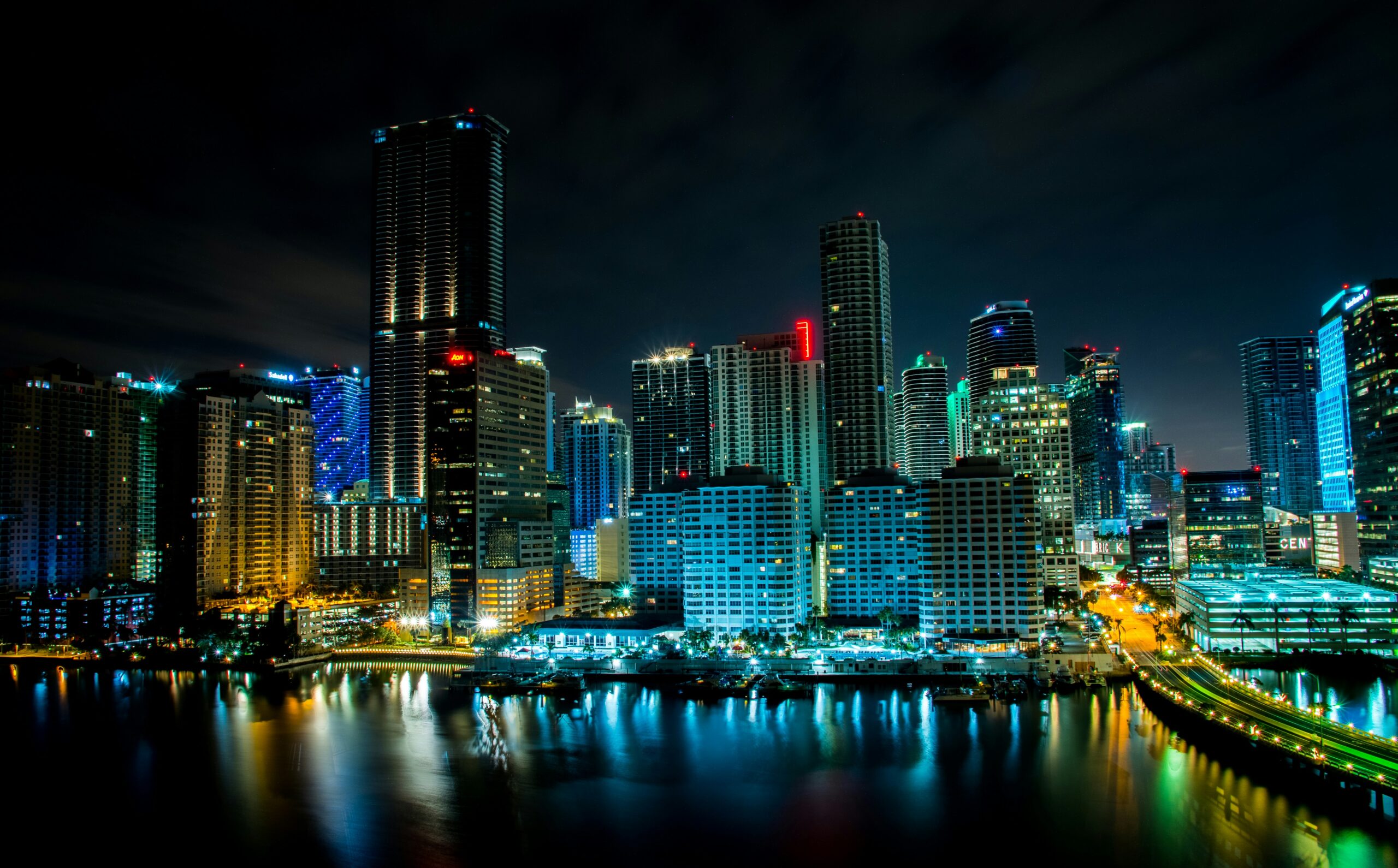
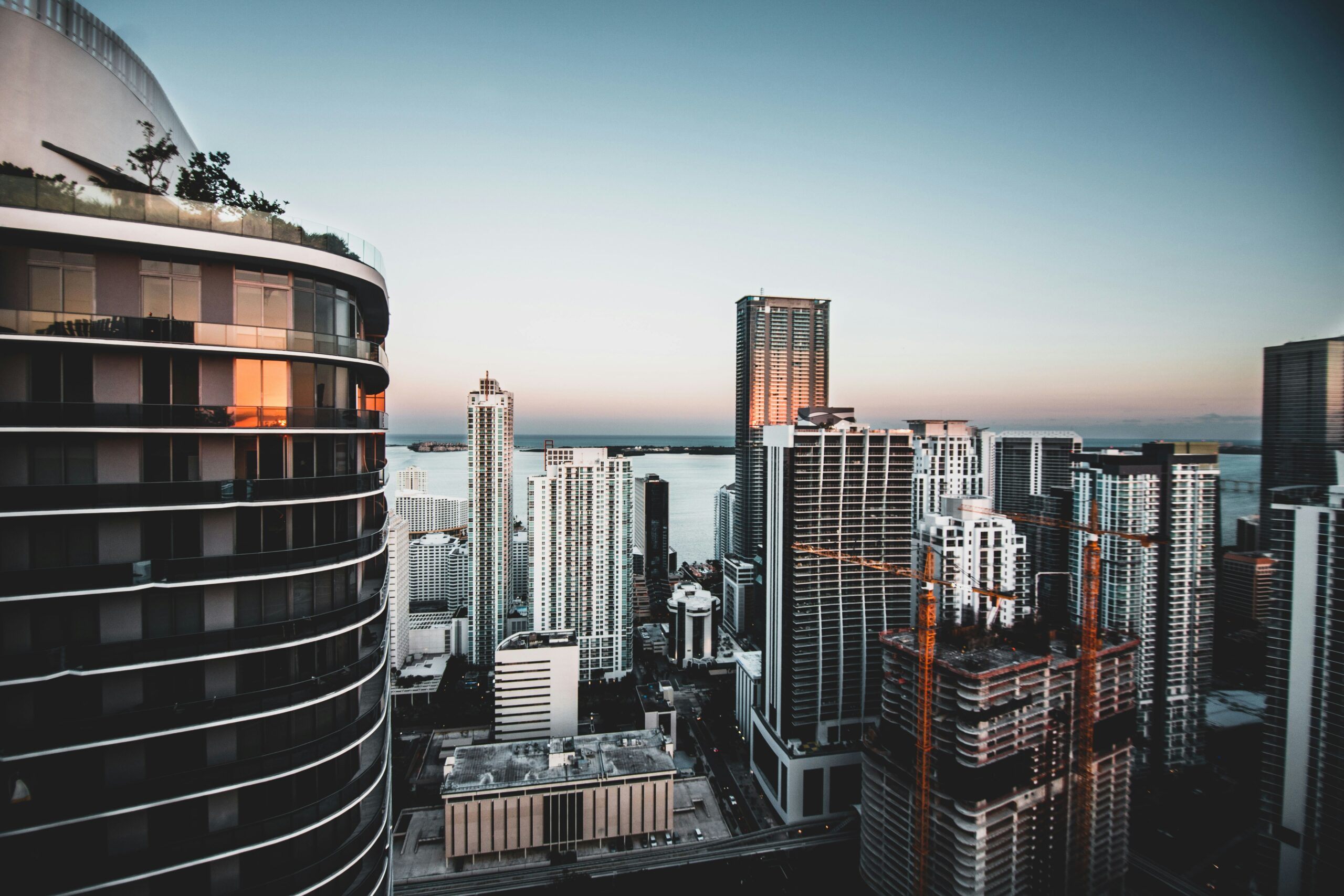
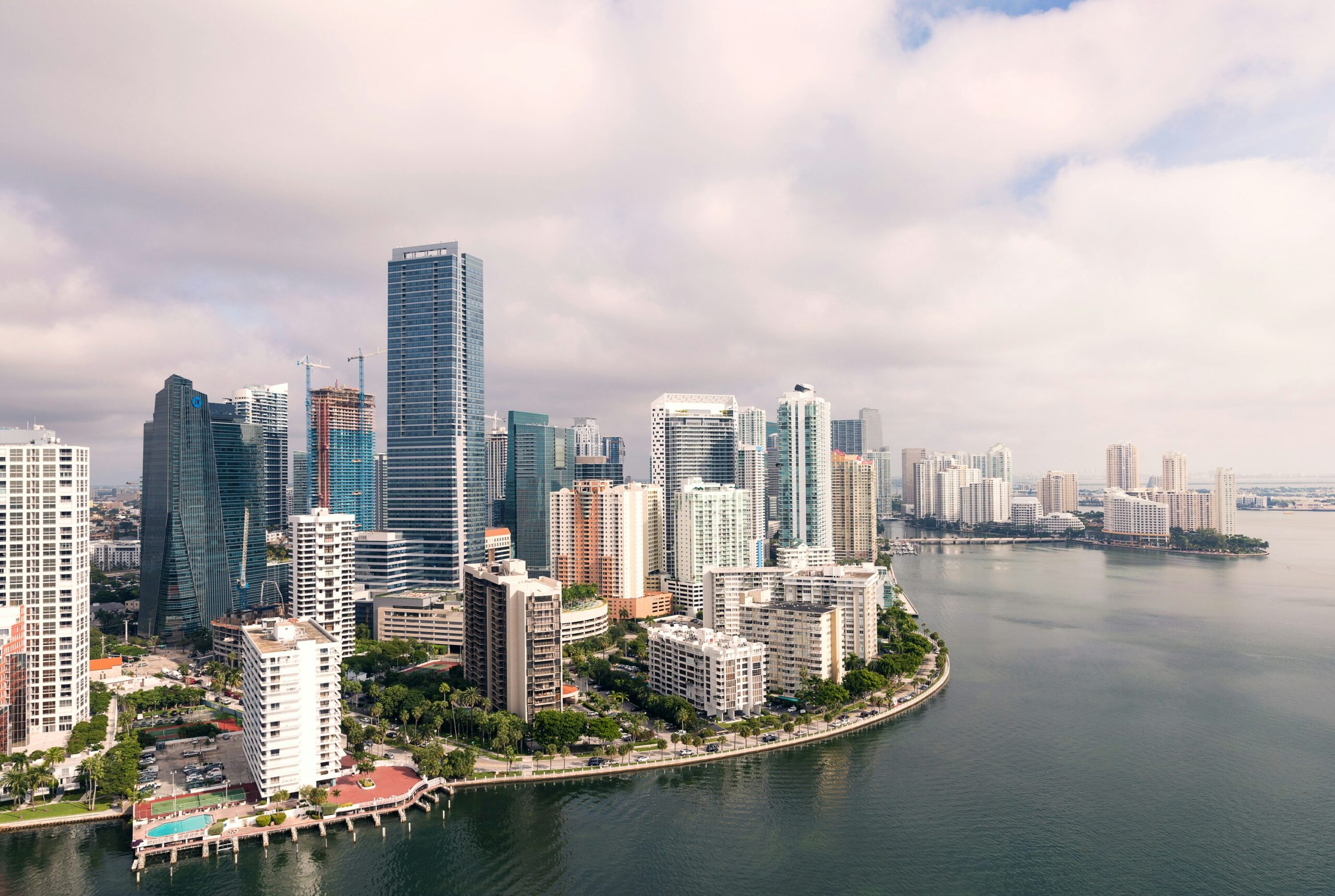
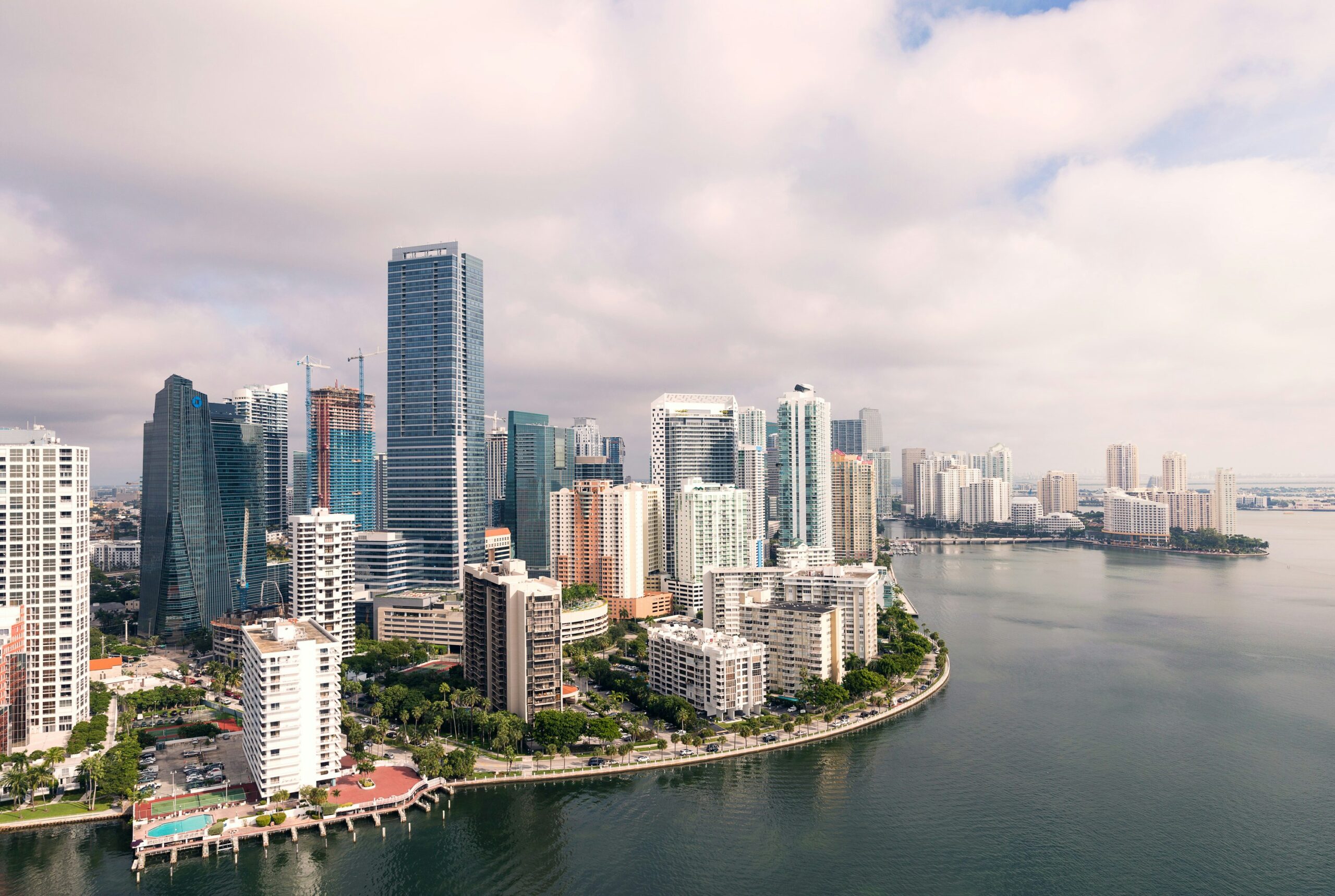
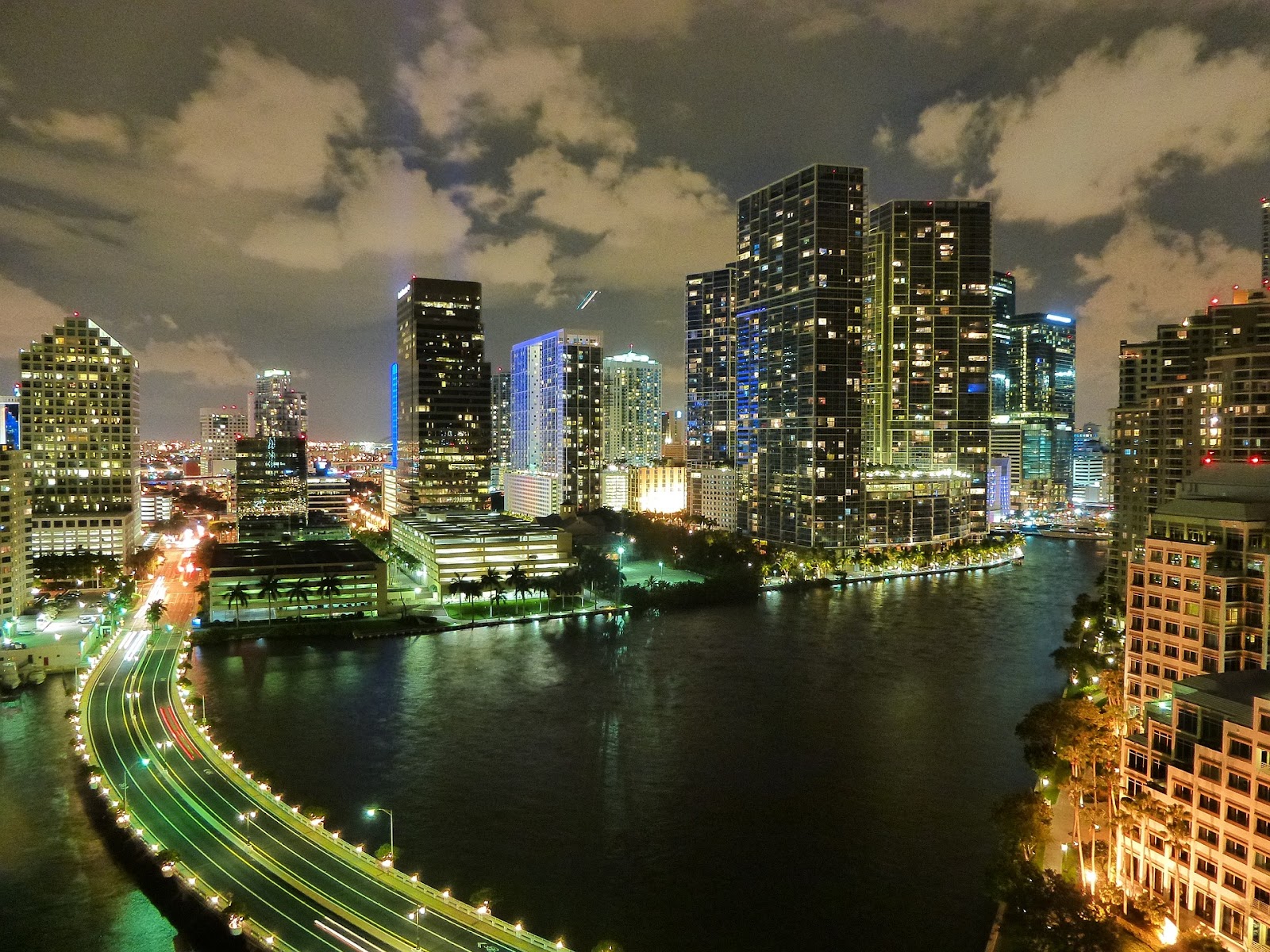
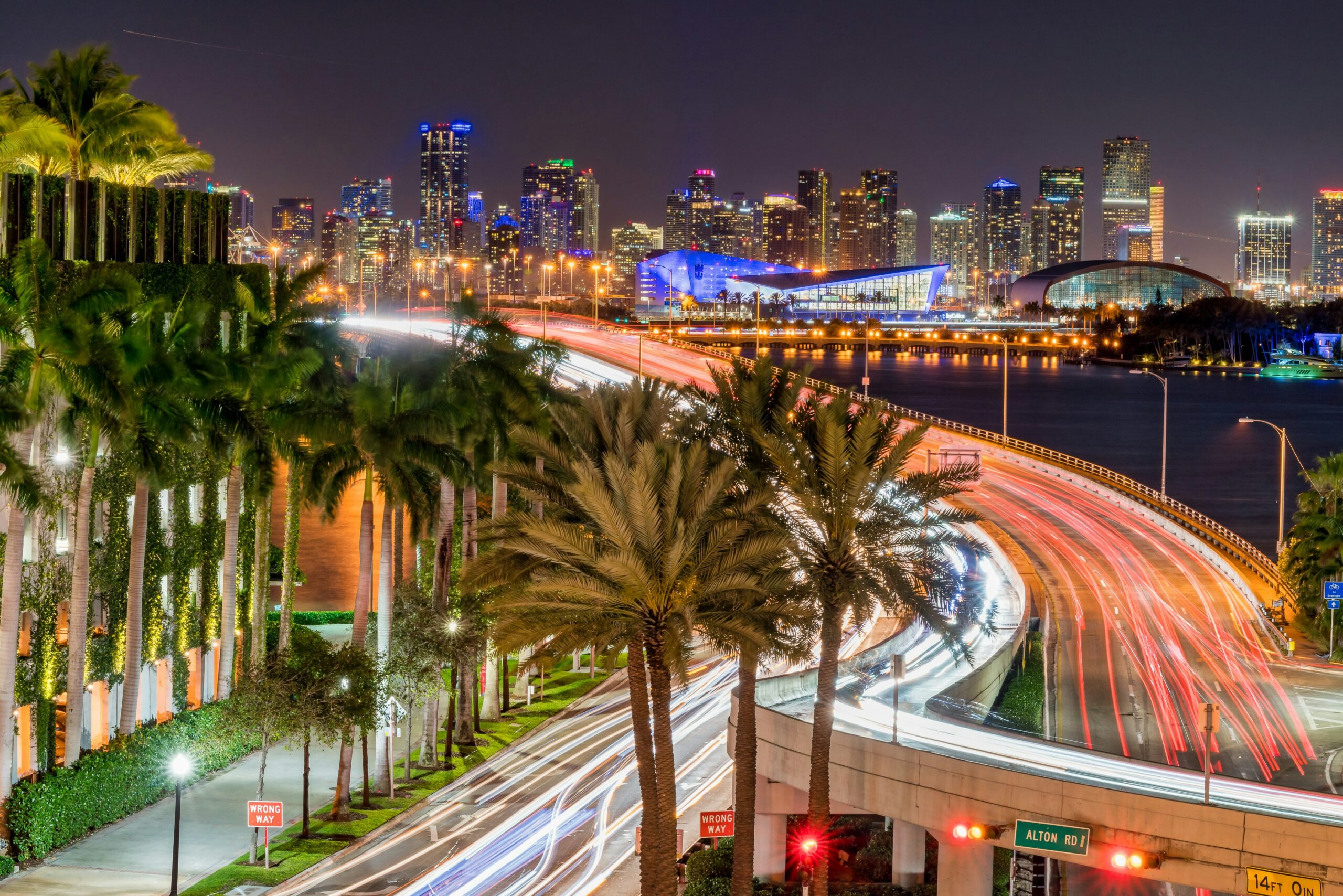
Miami’s financial district has exploded with corporate event activity over the past three years, driven by the wave of financial services and tech firms relocating from New York and San Francisco. Brickell’s high-rise venues — rooftop terraces on the 40th floor, converted banking halls, waterfront restaurant buyouts — present their own connectivity puzzles.
Height is one issue. Getting a stable signal on a rooftop terrace means dealing with wind load on antennas, interference from neighboring buildings’ wireless networks, and the simple physics of being far from ground-level cell towers that point their beams horizontally, not up.
The other issue is expectation. Corporate clients relocating from Manhattan or the Bay Area expect the kind of connectivity they had at events in those markets. They don’t always account for the fact that Miami’s cellular infrastructure, while improving, is still catching up to the density of demand that the city’s growth has created.
The Technical Reality Behind Reliable Event Internet
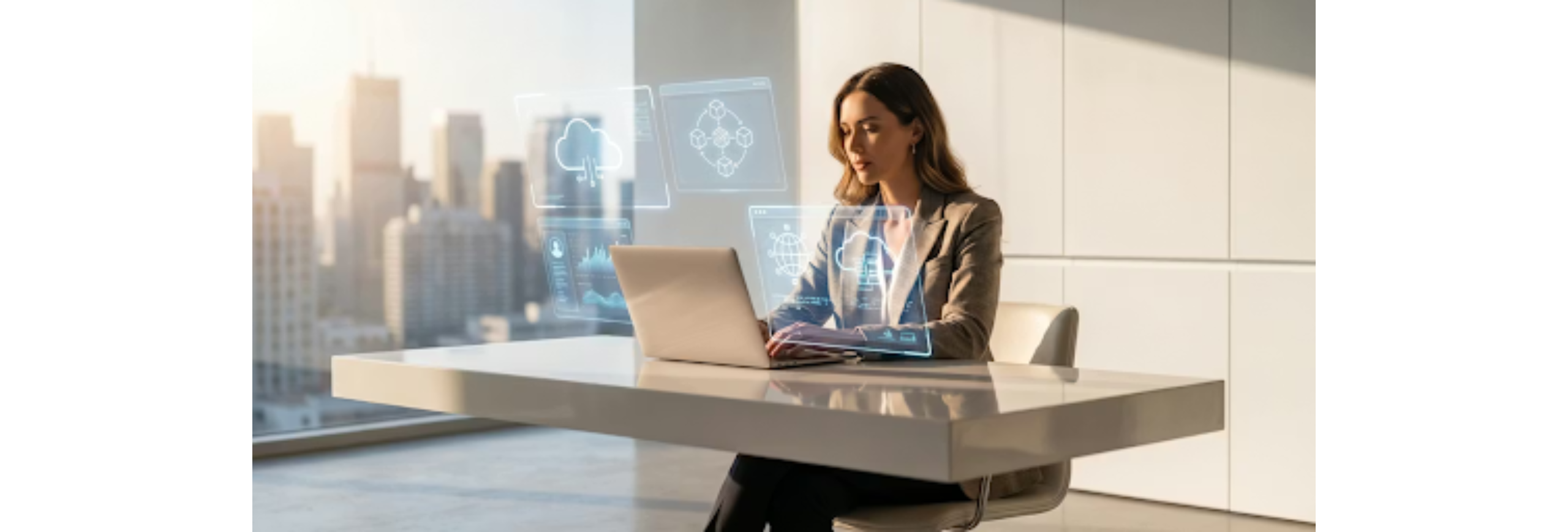
So what actually makes temporary event internet work in a market like Miami? The technology has evolved significantly. Cellular bonding aggregates bandwidth from multiple SIM cards across different carriers into a single, faster connection. If one carrier’s tower goes down or gets congested, the others pick up the slack without any interruption that users would notice.
Satellite connectivity — once a last resort because of latency and cost — has become genuinely practical with newer low-earth-orbit systems. A hybrid approach combining satellite and 5G gives event producers a backup path that doesn’t depend on terrestrial infrastructure at all. When a hurricane takes out cell towers or a construction crane severs a fiber line on Biscayne Boulevard the morning of your event, that satellite link is the difference between a show that goes on and one that doesn’t.
WAN smoothing is another piece of the puzzle. Rather than simply failing over from one connection to another when problems occur, smoothing technology sends duplicate packets across multiple paths simultaneously and reassembles them on the other end. The result is a connection that absorbs packet loss and jitter without the end user ever knowing anything went wrong. For livestreaming, where even a half-second glitch is visible to the audience, it matters enormously.
Planning That Starts Before the Venue Walk
The best temporary internet deployments in Miami don’t start on load-in day. They start weeks earlier with site surveys that map cellular signal strength across the venue footprint, identify potential interference sources, and plan antenna placement down to the specific mounting point.
For the Convention Center, that might mean placing bonded cellular units at strategic points inside the hall where signal penetration is strongest, supplemented by point-to-point wireless bridges connecting back to a satellite uplink on the terrace. For a Wynwood warehouse party, it could mean a mobile deployment kit that fits in the back of a van and gets a full gigabit connection running in under an hour.
The planning also has to account for Miami-specific variables that don’t exist in other markets. Salt air corrosion on outdoor equipment. The need for generator-backed power in case FPL drops during an afternoon storm. Ensuring that equipment enclosures have adequate ventilation to prevent heat-related shutdowns when ambient temperatures are above 95 degrees with high humidity.
What Event Planners Should Actually Ask For
If you’re producing an event in Miami and evaluating temporary internet providers, there are questions worth asking that go beyond “how much bandwidth can you provide.”
Ask about redundancy. Specifically, how many independent connection paths will be active during your event, and what happens when one fails. Ask about heat testing — has the equipment been deployed in Miami summer conditions before, or just in a climate-controlled warehouse? Ask about their hurricane contingency protocol. What happens if a named storm is approaching the weekend of your event?
Ask for references from Miami venues specifically. The challenges of deploying at the Pérez Art Museum’s waterfront terrace are different from deploying at the FTX Arena (now Kaseya Center), which are different from deploying at a private estate on Star Island. Experience in one doesn’t automatically transfer to another.
And ask about monitoring. The best providers don’t just set up equipment and walk away. They have real-time dashboards showing bandwidth utilization, connection health across every bonded carrier, and automated alerts when any metric starts trending toward trouble. Problems get fixed before anyone at the event notices them.
Miami’s event industry isn’t slowing down. The city added over 200 new event venues between 2020 and 2025, according to the Greater Miami Convention and Visitors Bureau. Corporate relocations keep bringing new demand. Music festivals, art fairs, tech conferences, yacht shows, fashion events — the calendar is stacked twelve months a year now. The internet infrastructure that supports all of it has to keep pace, and for temporary deployments, that means working with providers who understand what this specific city throws at you.
Because when the Wi-Fi drops in front of 10,000 people, nobody remembers the caterer. They remember that the event didn’t work. And here, where the weather, the buildings, and the sheer density of activity conspire against you, getting WiFiT’s Miami event internet services right isn’t just a technical detail. It’s the foundation everything else is built on. Planners looking beyond a single city should also know that event WiFi services available also in Florida statewide can cover multi-location conferences and touring productions that move between Miami, Orlando, Tampa, and Jacksonville.
Written in partnership with Tom White