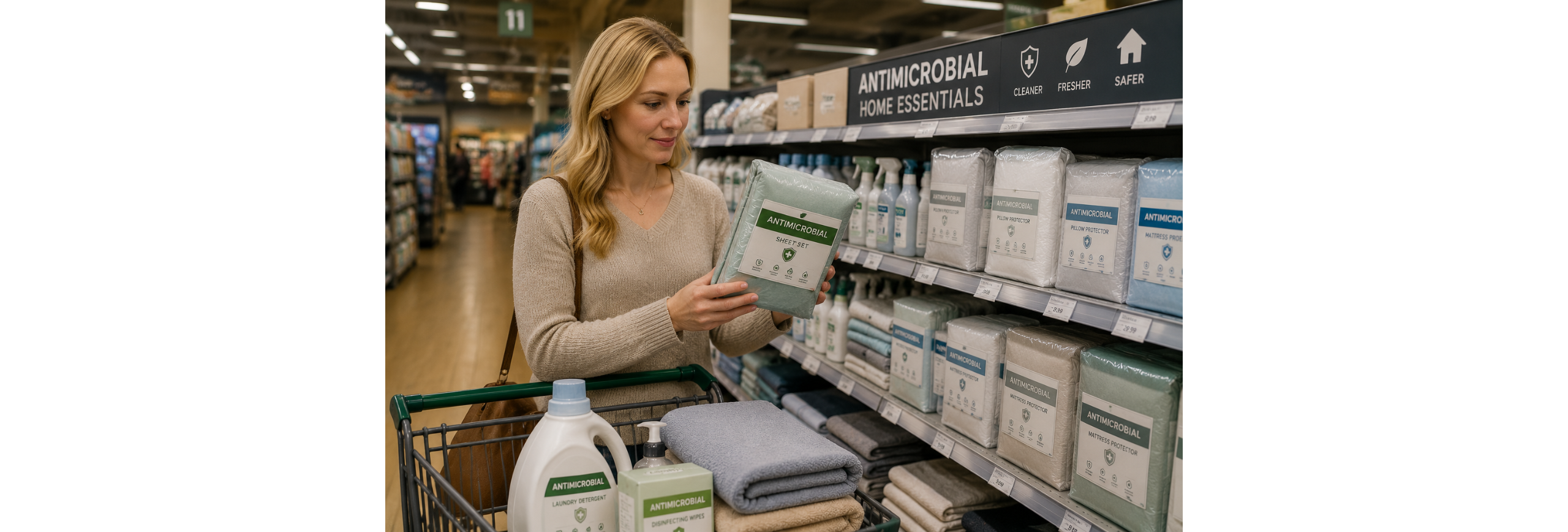

Antimicrobial home essentials now fill entire sections of stores. Antibacterial soaps, wipes, sprays, and treated fabrics all promise cleaner living. Some earn that promise. Most don’t.
The science on antimicrobial home products is more specific than any label suggests. Some technologies target a real bacterial problem and address it well. Others offer no measurable benefit and carry risks most consumers never hear about. Knowing the difference changes where you spend and what actually keeps your home hygienically clean.
Why Most Antimicrobial Home Essentials Don’t Deliver
The antibacterial product aisle is built on a marketing gap, not a hygiene gap.
Research on antibacterial product use at home from Antibiotic Wise confirms there’s little measurable difference between plain soap and antibacterial soap in home settings. Antibacterial soap doesn’t protect better against colds, flu, or common infections. Handwashing with plain soap remains effective at reducing germ spread. The antimicrobial ingredients add very little.
The same source flags that Triclosan, one of the most common antimicrobial chemicals, harms aquatic plants and animals when washed down drains. It also kills beneficial bacteria alongside harmful ones. The body’s skin microbiome is itself a protective system. Good bacteria outcompete harmful bacteria. Removing them creates vulnerability rather than protection.
Antimicrobial labeling also gets applied to a wide product range. Pillowcases, window cleaners, cleaning cloths, garbage bags, plastic wrap, and children’s toys may all carry the label. Most of these products gain nothing meaningful from the antimicrobial ingredient.
Products that deserve more scrutiny include:
- Antibacterial hand soaps marketed as superior to plain soap at home
- Antimicrobial surface sprays for surfaces already cleaned with water and detergent
- Antimicrobial plastic wrap, food storage bags, and garbage bags
- Cleaning cloths with antibacterial labels for use on already-sanitized surfaces
The honest takeaway is that most labeled antibacterial products in home settings offer no meaningful advantage over their standard alternatives.
Where Antimicrobial Home Essentials Genuinely Work
The category isn’t useless. The issue is application.
There are specific contexts where bacterial accumulation in a material is real, measurable, and directly connected to hygiene outcomes. High-contact textiles are the clearest example. Sheets, pillowcases, and towels sit against skin for hours. They cycle through warmth and moisture before washing. That combination creates ideal conditions for bacterial growth.
Standard washing reduces bacterial load but doesn’t stop regrowth between wash cycles. A person sleeping on standard sheets creates a warm, lightly moist surface where bacteria multiply continuously between laundry days.
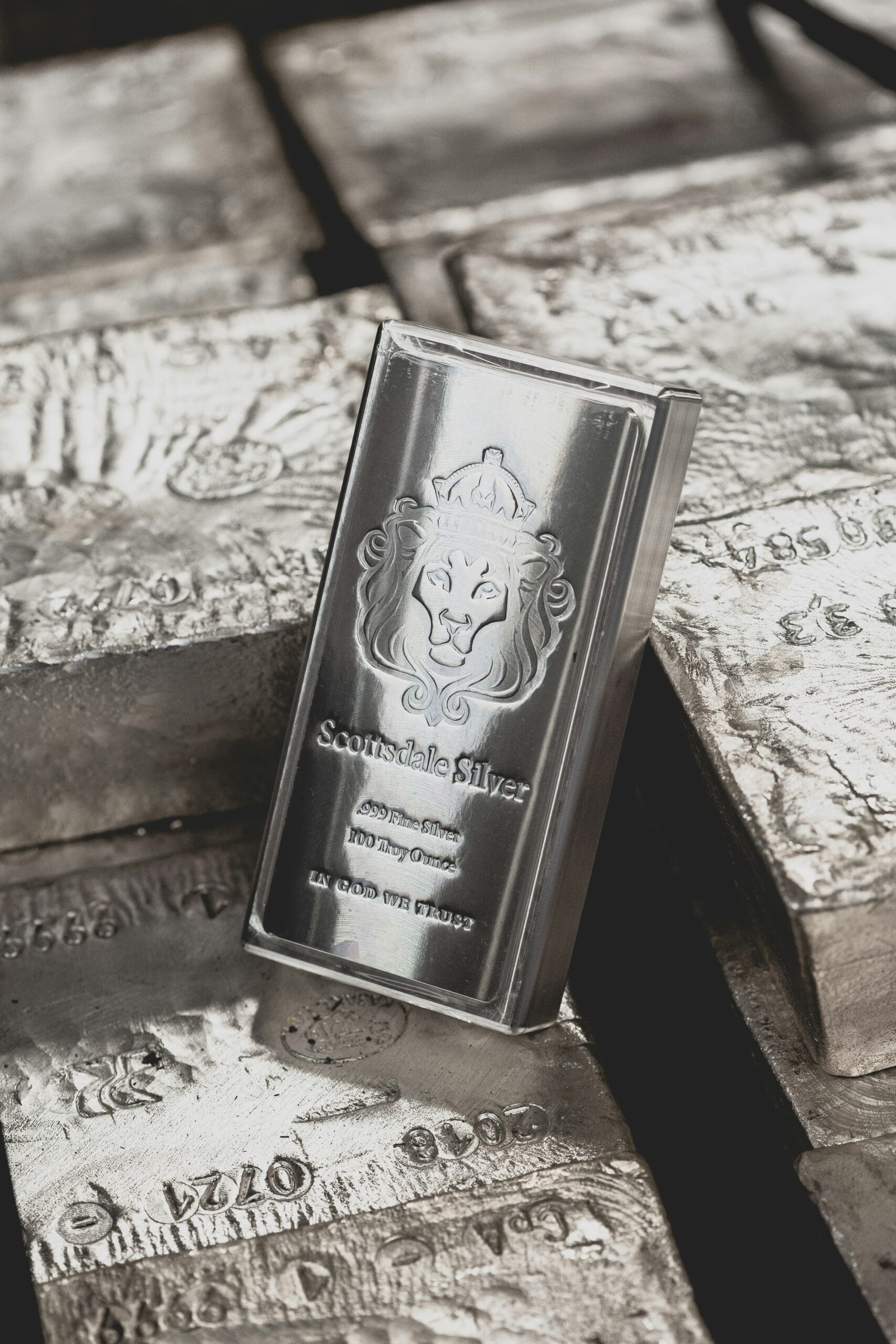
Silver has centuries of history as an antimicrobial material. Modern textile applications embed silver ions into fiber structure during manufacturing. Research on silver’s antimicrobial properties and cellular mechanisms published in PMC shows how silver ions disrupt bacterial cell function and inhibit reproduction. Unlike Triclosan-based coatings applied to surfaces, fiber-level silver doesn’t depend on a surface concentration that wears off with use.
Why Silver-Based Antimicrobial Home Essentials Are Different
Chemical antibacterial products like Triclosan work by blocking bacterial function through chemical inhibition. This mechanism, applied broadly and repeatedly, contributes to resistance development over time.
Silver ions work through a different process. They disrupt bacterial cell structure through direct physical interaction with cell membranes. This mode of action is more stable and doesn’t carry the same resistance-promoting dynamic as broad-spectrum chemical inhibitors. It also doesn’t wash into water systems repeatedly the way liquid chemical antibacterials do.
Quality bedding with silver-based antimicrobial technology targets bacterial accumulation at the textile level. This is targeted antimicrobial use backed by a clear mechanism. It’s not a label applied for marketing.
How to Evaluate Any Antimicrobial Home Essential
The deciding question for any antimicrobial product is always the same. Does genuine bacterial accumulation happen in this material? And does the product’s mechanism address it at that specific point?
For textiles in daily skin contact, the answer is yes. For surfaces cleaned regularly with water and plain detergent, the answer is no.
Resistance Makes Antimicrobial Product Choice More Important
The resistance conversation doesn’t only apply to hospital antibiotics.
Research on antimicrobial resistance and microbial dynamics in everyday environments published in Frontiers in Microbiology highlights the concern with broad, indiscriminate antimicrobial use in home settings. Products that apply chemical agents broadly and repeatedly create selection pressure on bacterial populations. That pressure is the primary driver of resistance development in everyday environments.
Choosing antimicrobial home essentials based on mechanism rather than label reduces this contribution. Fiber-embedded silver in textiles doesn’t create the same selection pressure as repeated chemical inhibitor application. The mode of action is genuinely different.
This is a practical distinction for everyday purchases. Choosing plain soap over antibacterial soap for handwashing removes unnecessary chemical antimicrobial load from home water systems. Choosing silver-infused sheets for overnight skin contact applies antimicrobial technology where bacterial accumulation is a real and measurable problem.
The Antimicrobial Home Essentials Worth Buying
With the research in context, the genuinely useful list gets specific and short.
Worth investing in:
- Silver-infused sheets: Overnight skin contact makes bedding the highest-priority textile for antimicrobial protection. Silver at the fiber level inhibits bacterial growth between washes and stays effective through repeated laundering
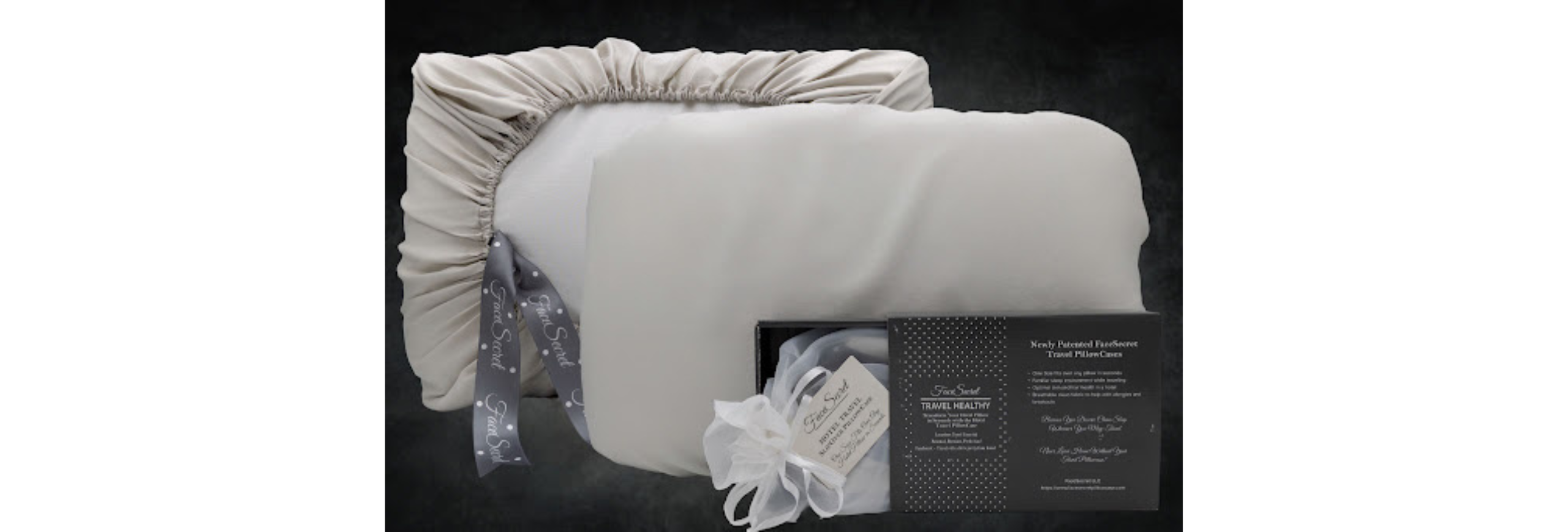
- Antimicrobial pillowcases: Face and neck rest against these for hours nightly. Bacterial accumulation on standard pillowcases contributes to ongoing skin irritation and breakouts
- Antimicrobial towels: Cycling through wet and dry conditions before washing accelerates bacterial growth. That cycle produces the musty smell most people recognize on standard towels after one or two uses
- Antimicrobial bath mats: Constant moisture exposure and infrequent washing make bath mats one of the highest bacterial-load textiles in the home
The pattern across every category worth buying is the same. Prolonged skin contact plus warmth plus moisture equals a genuine bacterial accumulation problem. Antimicrobial technology addresses it at the material level.
What Silver-Infused Bedding Does Between Wash Days
The practical benefit of antimicrobial bedding shows up in two consistent ways: reduced odor and cleaner skin contact between laundry days.
Standard sheets develop a biological smell within four to five days of use. Bacteria feeding on sebum, sweat, and shed skin cells produce that odor as a byproduct of their activity. Silver ions in the fiber disrupt that bacterial activity before populations grow large enough to cause noticeable smell or skin irritation.
Miracle sheets incorporate silver antimicrobial technology into the fiber structure itself, not as a surface treatment that washes off. The protection stays effective through repeated laundering cycles because it’s built into the material.
The same logic applies to towels. Towels used daily in warm, humid bathrooms accumulate bacteria faster than almost any other household textile. Silver-infused towels stay fresh through more uses before odor becomes noticeable. That’s the silver mechanism applied to an actual accumulation problem.
Getting Antimicrobial Products Right at Home
Most antimicrobial home products don’t justify the label they carry. Targeted silver-based technology in high-contact textiles does. The distinction is mechanism and application, not marketing.
Your sheets and towels spend more direct time against your skin than nearly any other item you own. That’s where antimicrobial protection belongs.
Miracle Made builds bedding and bath textiles with silver-based antimicrobial technology woven into the fiber, focusing on protection where bacterial accumulation is measurable and where the hygiene benefit is real.
Written in partnership with Tom White