
Walk into most kitchens and you’ll probably find a jar of pickles tucked somewhere in the fridge. They’re familiar, easy, and honestly—pretty nostalgic. But what many people don’t realize is that the pickles they’ve been eating for years are very different from the kind now being talked about in conversations around gut health and mindful eating.
That’s the space Olive My Pickle has stepped into—quietly, intentionally, and without trying to overcomplicate things.
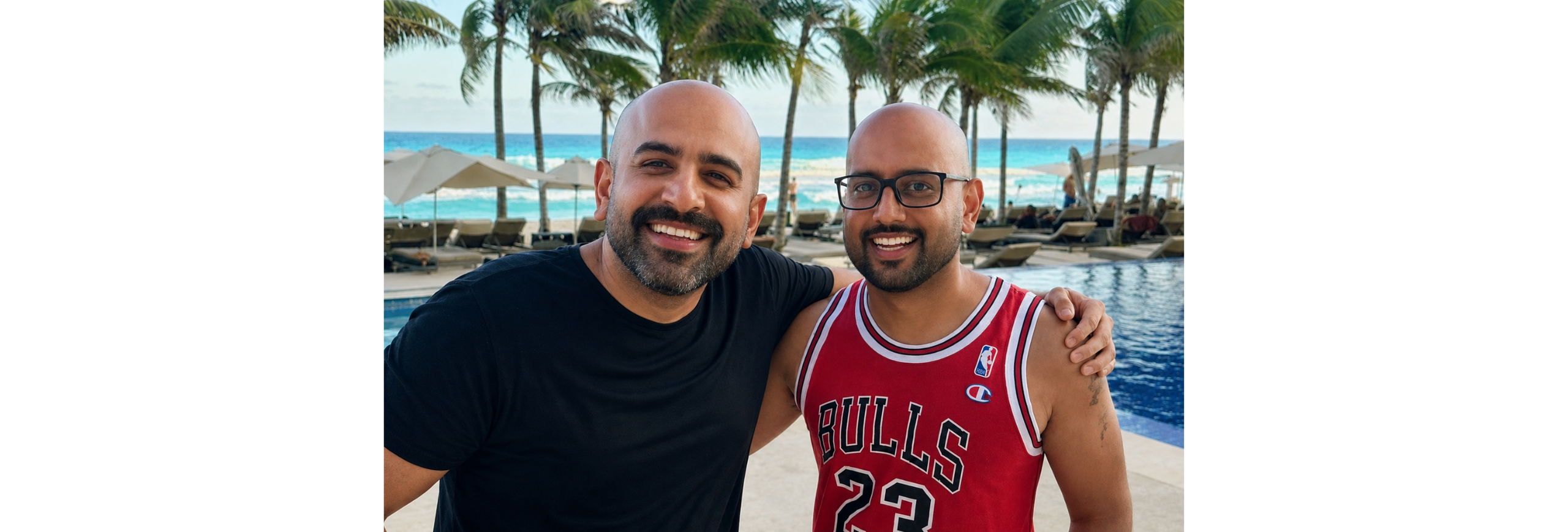
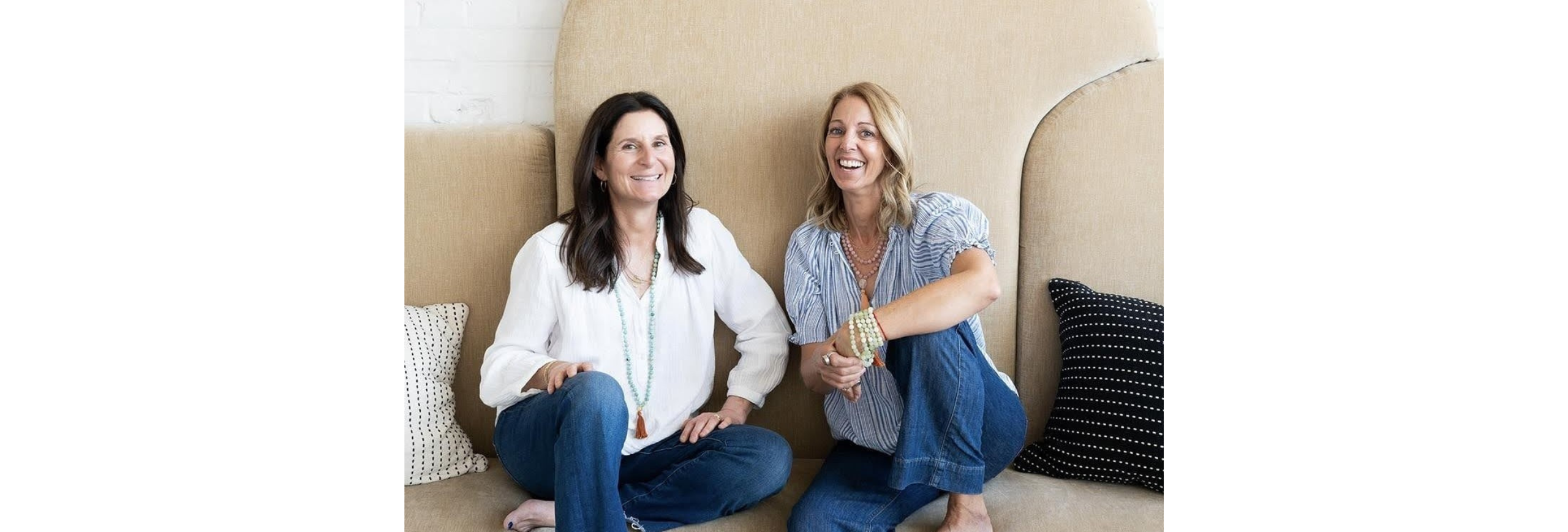
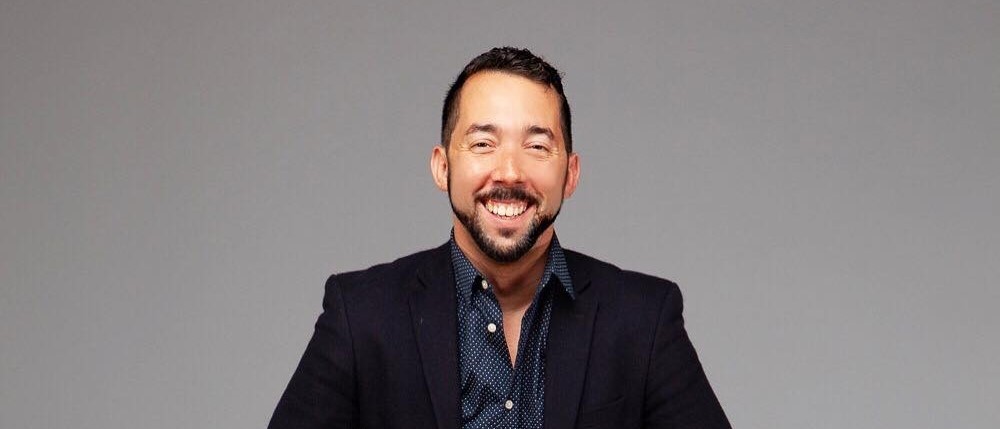
Founded by Shai and Charlotte Tzabari, the brand has spent over a decade focusing on one idea: bringing traditionally fermented foods back into modern routines in a way that feels approachable, not overwhelming.
It Starts with a Simple Question
What if the pickles you’re eating aren’t really the ones people are talking about?
Most pickles you find at the grocery store are made using vinegar. It’s fast, efficient, and gives that signature tang. But fermentation works differently. Instead of vinegar, it relies on saltwater brine and time. That slower process allows naturally occurring bacteria to develop, creating live cultures in the food.
These live cultures are often what people are referring to when they talk about fermented foods and their potential role in supporting gut health. And while the science around gut health continues to evolve, one thing is clear: more people are paying attention to how food is made—not just how it tastes.
Olive My Pickle leans into that curiosity. Rather than making big promises, the brand focuses on helping people understand the difference so they can make their own informed choices.
Built Around Process, Not Shortcuts
If there’s one thing that defines Olive My Pickle, it’s restraint.
In an industry that often prioritizes speed and scalability, they’ve chosen a path that’s slower and, by most standards, more complicated. Their products are made through true fermentation—no vinegar-based shortcuts, no pasteurization that removes live cultures, and no adding probiotics after the fact.
It’s a method that requires patience and consistency, and it influences everything from production timelines to how products are shipped across the country.
But for the Tzabaris, this isn’t a compromise. It’s the entire point.
Their approach reflects a broader shift happening right now—one where people are rethinking convenience and looking for ways to reconnect with everyday habits. Cooking more. Reading labels. Asking questions. Food, in many ways, has become part of that larger conversation.
Variety That Makes Habits Stick
One of the lesser-discussed challenges with fermented foods is sustainability—not in the environmental sense, but in the habit-forming sense.
Trying something new is easy. Doing it consistently is harder.
Many brands in this space focus on a single category, like kimchi or sauerkraut. While that can work for some, it can also limit how often people reach for those products. Olive My Pickle took a different route.
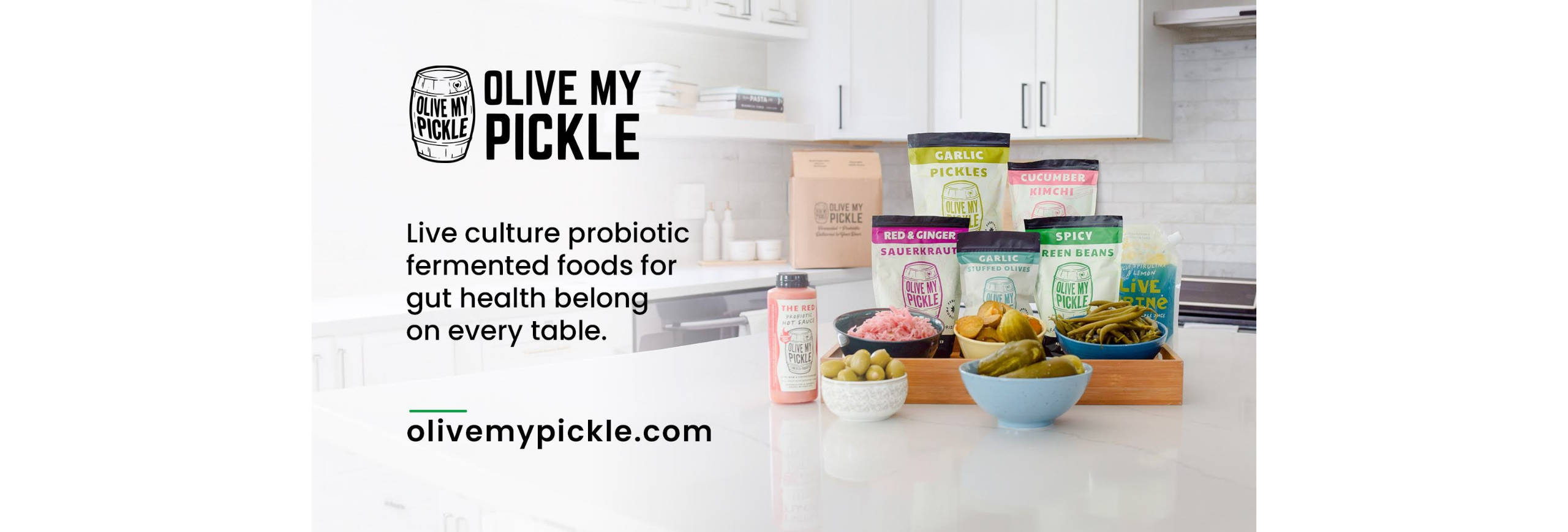
Today, they offer more than 40 products across seven categories, including pickles, sauerkraut, kimchi, olives, fermented vegetables, hot sauces, and pickle juice. It’s a lineup designed with real-life habits in mind—giving people enough variety to keep things interesting over time.
For most customers, the starting point is their Kosher Dill Pickle. It’s recognizable, familiar, and doesn’t require a big leap. From there, people can explore at their own pace.
Rethinking Access
Another layer to the brand’s approach is how it reaches customers.
Instead of relying primarily on grocery store distribution, Olive My Pickle operates as a direct-to-consumer company. That means customers can order online and have products delivered straight to their door.
It’s a model that not only expands access but also supports consistency. When something is easy to reorder and always within reach, it’s more likely to become part of a routine.
It also allows the brand to stay closer to its customers—something that’s harder to maintain through traditional retail channels.
A Family-First Foundation
While the product is the focus, the story behind Olive My Pickle adds a layer of authenticity that’s hard to manufacture.
Since launching in 2010, the business has grown alongside the Tzabari family. Their two sons have been part of that journey from the beginning, experiencing the ups and downs of building something from the ground up.
That kind of long-term, family-driven perspective tends to influence how decisions are made. It’s less about quick wins and more about building something that lasts.
Where It’s All Heading
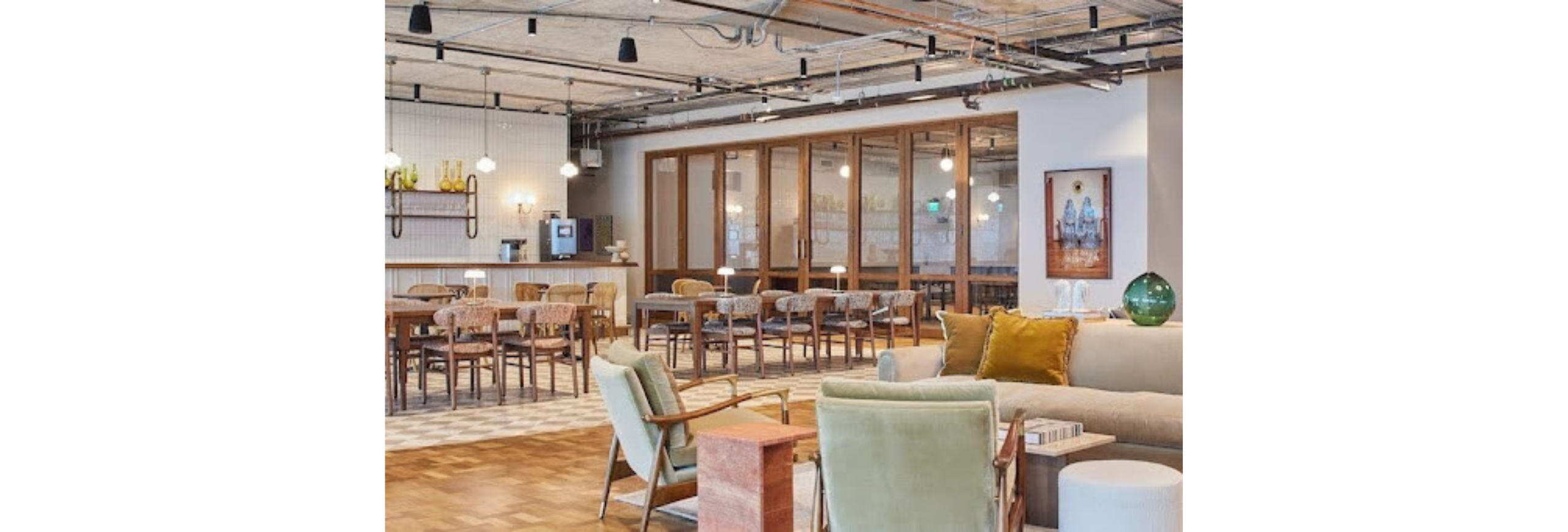
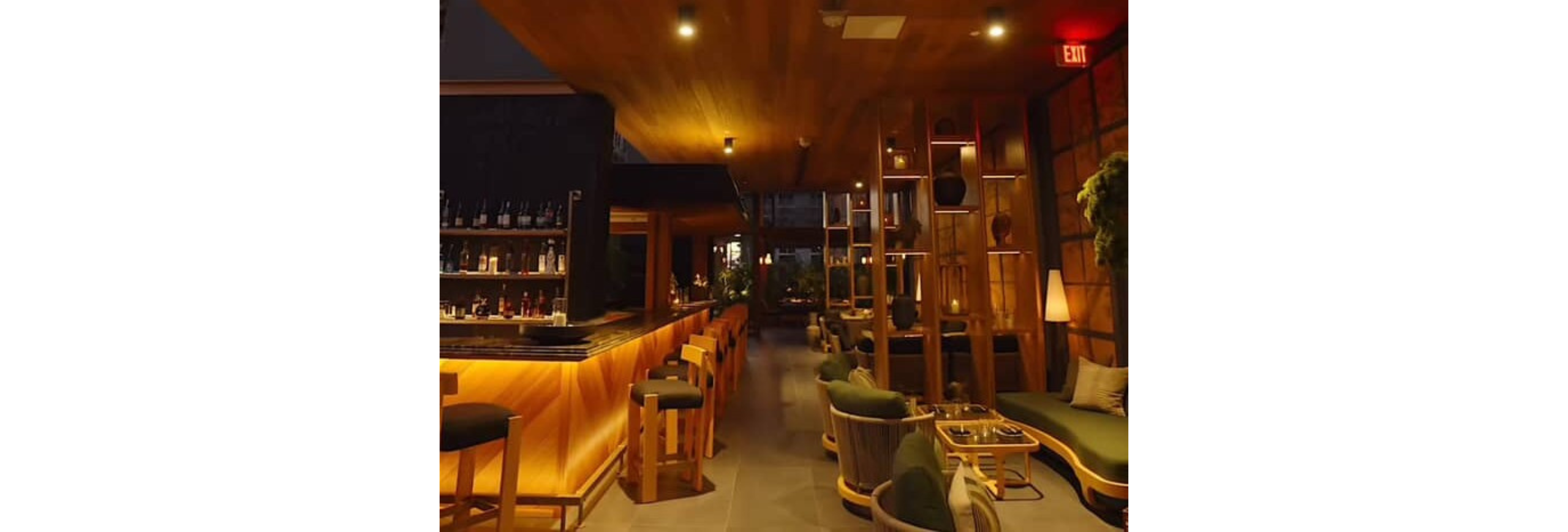
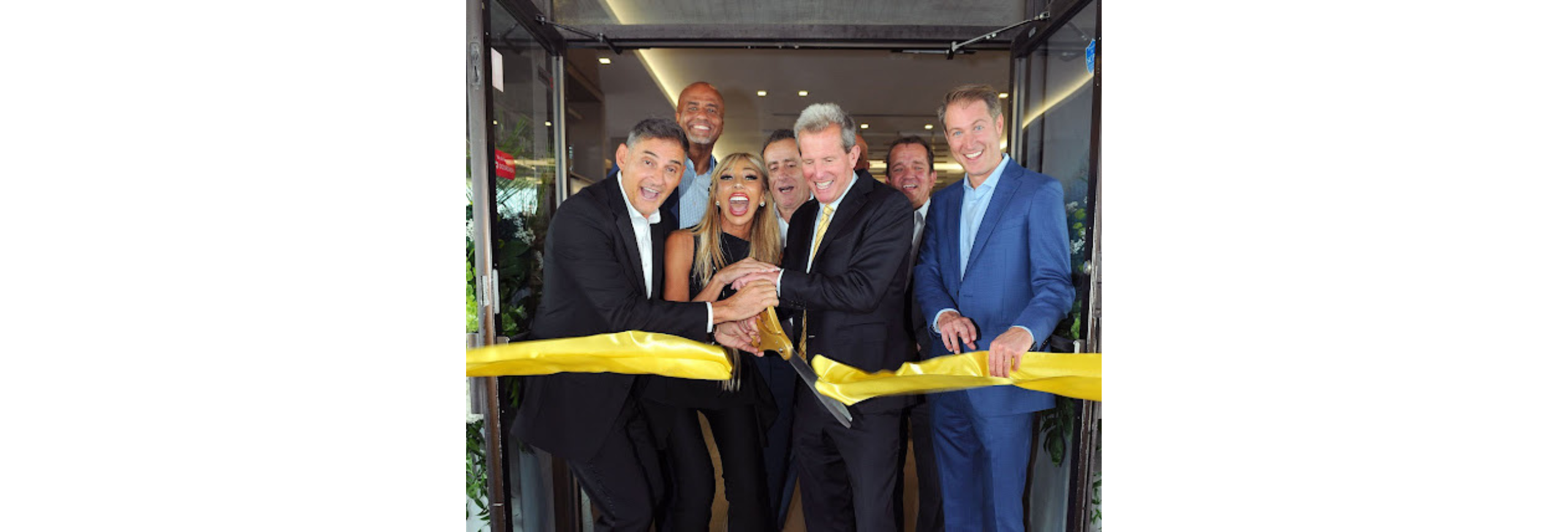
In recent years, Olive My Pickle has expanded beyond online sales with the launch of The Pickle Factory in Jacksonville, Florida, followed by a second location in St. Augustine. These spaces are designed to be immersive, giving people a chance to explore not just the brand’s products, but the broader world of pickled and fermented foods.
Still, the core idea hasn’t changed.
This isn’t about turning pickles into a trend. It’s about shifting how people think about everyday food—where it comes from, how it’s made, and how it fits into a larger lifestyle.
Because sometimes, the most meaningful changes don’t come from doing something extreme. They come from understanding the small, everyday choices a little better—and deciding to do them differently.
Written in partnership with Tom White