
Image credit: Pexels
From AI-guided breathing training to advanced biomarker analysis, next-generation wearable technology is transforming how consumers, athletes, and clinicians approach health and performance.
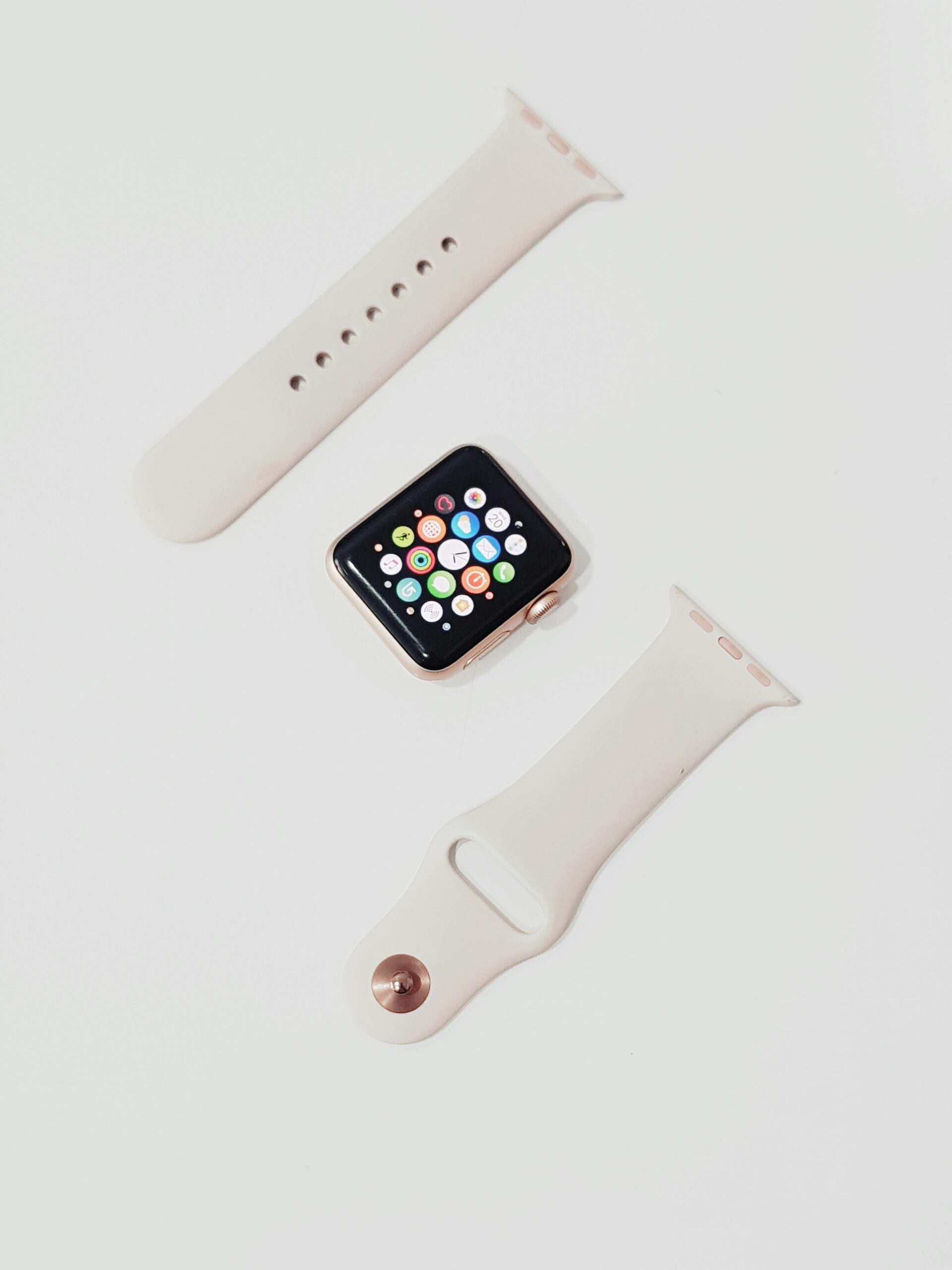
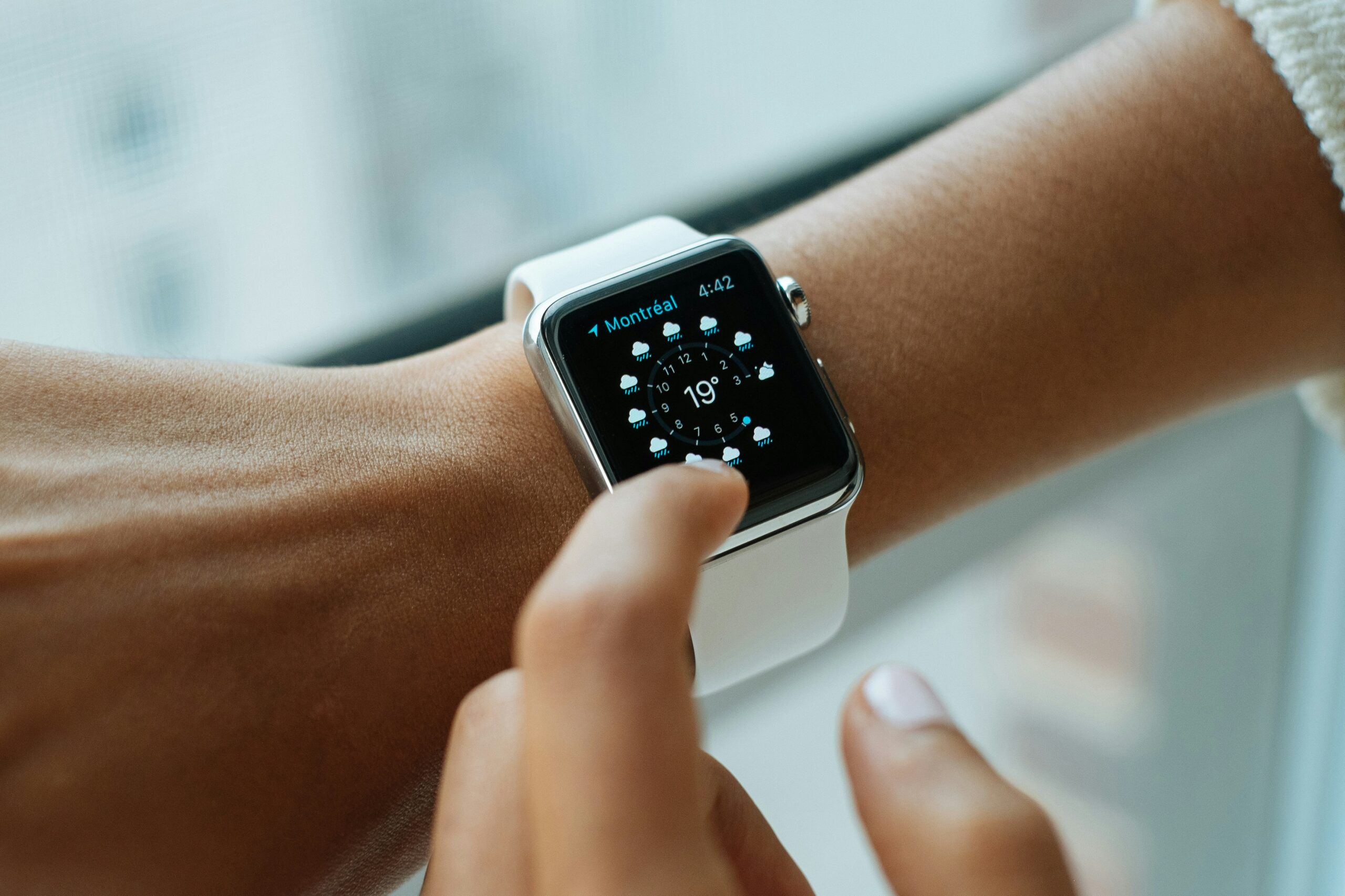
The fitness industry is entering a new phase as artificial intelligence transforms wearable technology. Rather than simply counting steps or measuring heart rate, today’s AI-driven wearables provide real-time analysis, adaptive coaching, and detailed health monitoring that enable users to make informed decisions during every workout. By combining machine learning with continuous biometric tracking, these devices are bringing precision-guided fitness to everyday consumers, competitive athletes, and clinical patients alike.
The latest generation of wearables extends beyond traditional performance metrics to monitor respiratory function and metabolic indicators, giving users a more comprehensive understanding of their health. As AI interprets increasingly complex data in real time, wearable devices are becoming valuable tools for improving athletic performance, supporting recovery, and managing chronic health conditions.
AI Meets Respiratory Training
Among the companies advancing this shift is Oumua, creator of the Amua smart breathing trainer. Founded by Phil Egorov, a lifelong asthmatic dissatisfied with the limitations of existing respiratory muscle training (RMT) devices, the company has developed a system that combines AI-powered coaching with live performance visualization through a companion mobile application.
Unlike conventional breathing trainers, Amua delivers immediate feedback while users perform exercises. According to Phil Egorov, Founder & CEO of Oumua, “The golden bullet that we have that none of the other devices offer is visualization. Literally every breath is visualized live via Bluetooth — the AI tells you where you’re overdoing or underdoing it, if the technique needs improvement, if the difficulty is off, if the tempo is off. It corrects you, it cheers you, it guides you.”
The platform offers more than 30 training programs covering health issues such as asthma, COPD, and post-COVID recovery, alongside wellness-focused programs addressing sleep apnea and anxiety. It also supports more than 15 sports disciplines, making the technology relevant for both recreational users and elite competitors seeking to improve respiratory efficiency.
Expanding Beyond Fitness
As AI-powered wearables evolve, they are increasingly bridging the gap between consumer fitness technology and clinical care. Amua’s remote coaching dashboard enables clinicians and trainers to monitor user compliance while adjusting training programs remotely, extending personalized coaching beyond in-person sessions.
Egorov explained the breadth of the platform’s applications: “Health is everything related to asthma, COPD, long COVID, cardiac, vascular conditions, chronic conditions, and such. And wellness is everything in between, like anxiety and PTSD and sleep and circadian rhythms, sleep apnea. And sports are basically any aerobic or anaerobic kind of sport that you can name, where you can get better by improving the respiratory function.”
The company’s market momentum has reflected growing consumer interest in intelligent health technology. Its Kickstarter campaign in 2021 raised $200,000 in just 25 days, highlighting demand for wearable devices capable of delivering personalized, AI-assisted coaching rather than basic fitness tracking.
The Next Frontier: Breath-Based Biomarkers
Oumua is now preparing to expand wearable capabilities with the upcoming Amua Ultimate, which will analyze exhaled breath to measure approximately 20 direct and 70 indirect biomarkers. These include carbon dioxide, nitric oxide, metabolic markers, and indicators related to cardiac, vascular, respiratory, and nervous system health.
Describing the technology, Egorov said, “The device tracks compounds in the exhaled air, and based on the concentrations of those compounds, it measures around 20 direct and around 70 indirect biomarkers — metabolic, cardiac, vascular, respiratory, nervous system. Basically, for each layer, it has a set of metrics that it tracks from the air that the user exhales. It’s the only checkup in the wearables industry based on the human breath.”
Intelligent Coaching Becomes Mainstream
As AI becomes increasingly integrated into wearable technology, personalized fitness coaching is set to become more precise and accessible. Whether refining a runner’s breathing technique or identifying early signs of metabolic stress, AI-powered wearables are transforming real-time health data into practical guidance. The convergence of machine learning, continuous monitoring, and personalized coaching is extending elite-level performance insights beyond professional athletes, marking the arrival of a new generation of intelligent fitness technology.