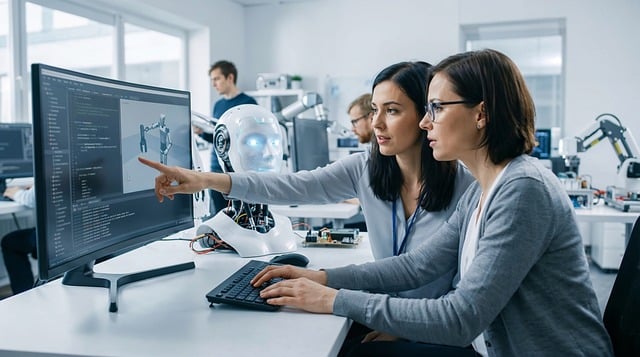

As new technologies continue to emerge and evolve, tools are being used in bold new ways to support the health and wellness sector.
In recent years, new technological tools have been steadily implemented in long-standing fields, yielding increasingly potent results. From AI-powered diagnostics to sound frequency therapy, many such applications of new technologies are revolutionizing how people manage and monitor their health.
As wearables generate mountains of biometric data and rare disease patients navigate years-long diagnostic journeys, a new wave of health tech startups is stepping in where traditional systems have failed. These tools aren’t just improving patient outcomes; they’re making high-quality care more accessible, affordable, and actionable for millions.
Providing the Right Care
Rare diseases currently affect over 300 million people worldwide. Despite this, the average patient waits five to seven years and sees more than a dozen doctors before receiving an accurate diagnosis. This creates a massive gap between the care needed and the care provided, leading to many people suffering needlessly. Fortunately, Sivotec is tackling this “diagnostic odyssey” with GENA, a clinical decision support tool built on neurosymbolic AI.
As Robert Cancio, Director of Product Development, says, “It takes five to seven years to diagnose a child with a rare disease. They see on average 12 to 15 doctors, and they spend a ton of money; they get medications that mess them up. That’s the diagnostic odyssey we are trying to solve.”
Unlike the black-box large language models used by competitors, GENA provides clinicians with fully explainable results and a visual reasoning graph connecting symptoms, genes, and diseases.
Cancio elaborates that, “We’ve kept everything completely explainable, meaning that when you look at our software as a clinician, and you ask, ‘ How did I get here? ‘ you can actually see the direct relationships between symptoms, diseases, genes, and lab results. It’s all shown in our explainable AI graph.”
The system is also 94% more cost-efficient than GPU-based alternatives, enabling a free-tier model that could extend access globally.
“The H100 GPU costs around $2.45 an hour to rent. We only need a CPU that costs $0.15 an hour. We’re 94% more cost-efficient, meaning that we can offer our servers for free, we can run significantly more screen tests, and our margins can be very high.” Cancio surmises.
Reducing Diagnosis Time
Endometriosis affects roughly one in ten women, yet the average time to diagnosis stretches seven to ten years. This substantial delay is driven by widespread medical dismissal and financial barriers embedded in how the condition is treated. Vindicara is building an EHR-integrated AI platform to change that.
Nicole Notar, the Founder of Vindicara, details, “I went to countless doctors in network, over 50, and none of them would operate on me. Now, looking back, that is a blessing in disguise because they would have done an ablation surgery.”
Vindicara is a tool that analyzes patient charts for patterns of endometriosis, surfacing risk scores and referral pathways for primary care providers who may not specialize in the disease.
“If you take eight Motrin a day and you’re still in pain, that should be identified as data. And most of the time it’s kind of thrown off, and doctors are like, ‘Oh, you can’t overdose on Motrin,’” Notar explains.
It also flags three common comorbidities (like POTS, MCAS, and EDS), helping clinicians steer patients toward the right specialist and avoid unnecessary second surgeries.
“Sometimes it’s MCAS symptoms, it’s POTS symptoms, it’s EDS, and those never come up in conversation. I need Vindicara to be telling that cardiologist that POTS exists, and why the patient has it.”
Making Care More Accessible
Sound frequency therapy has shown clinical promise for decades, but at $800 to $1,000 per month for in-clinic sessions, it has remained out of reach for most people.
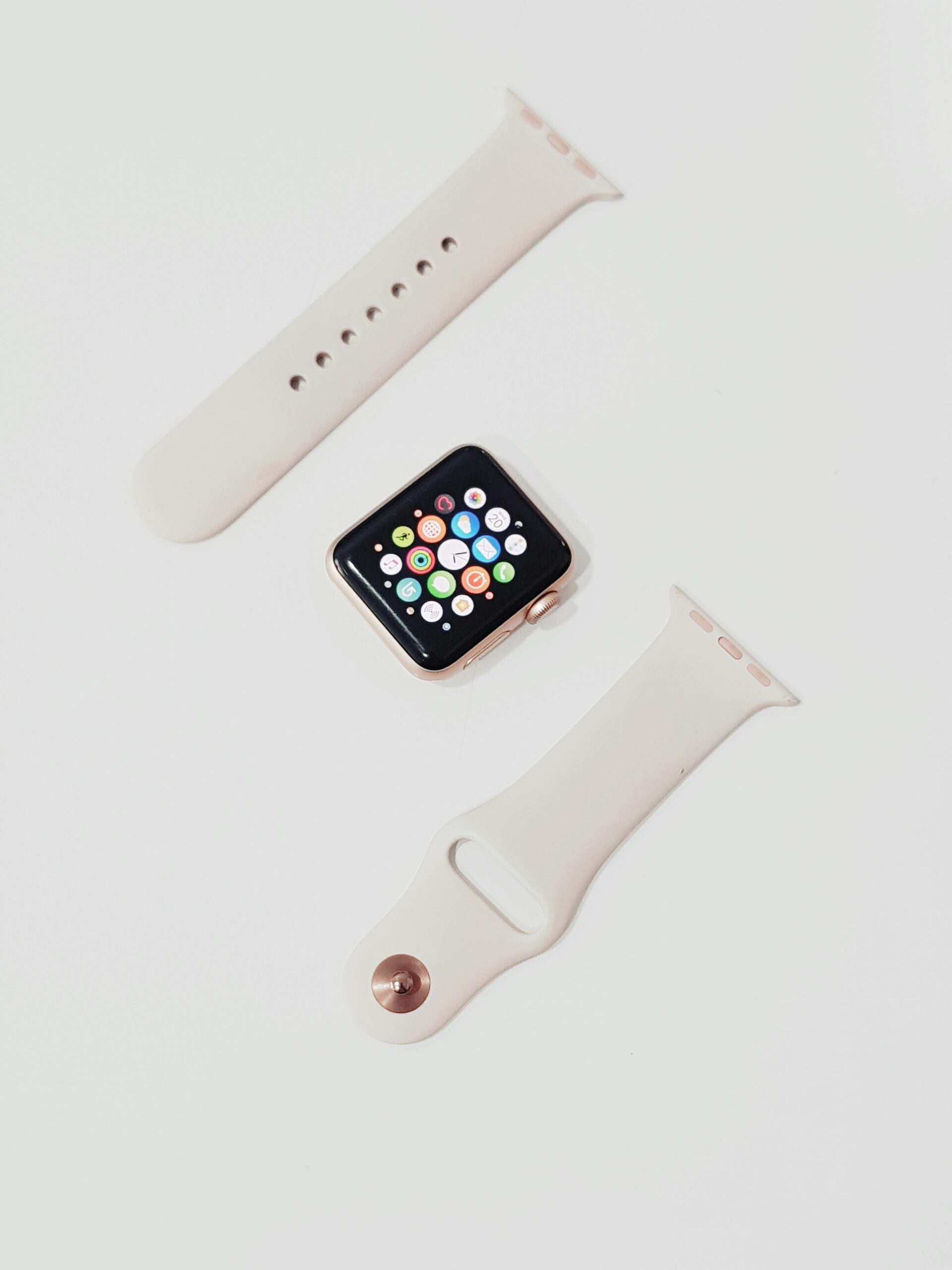
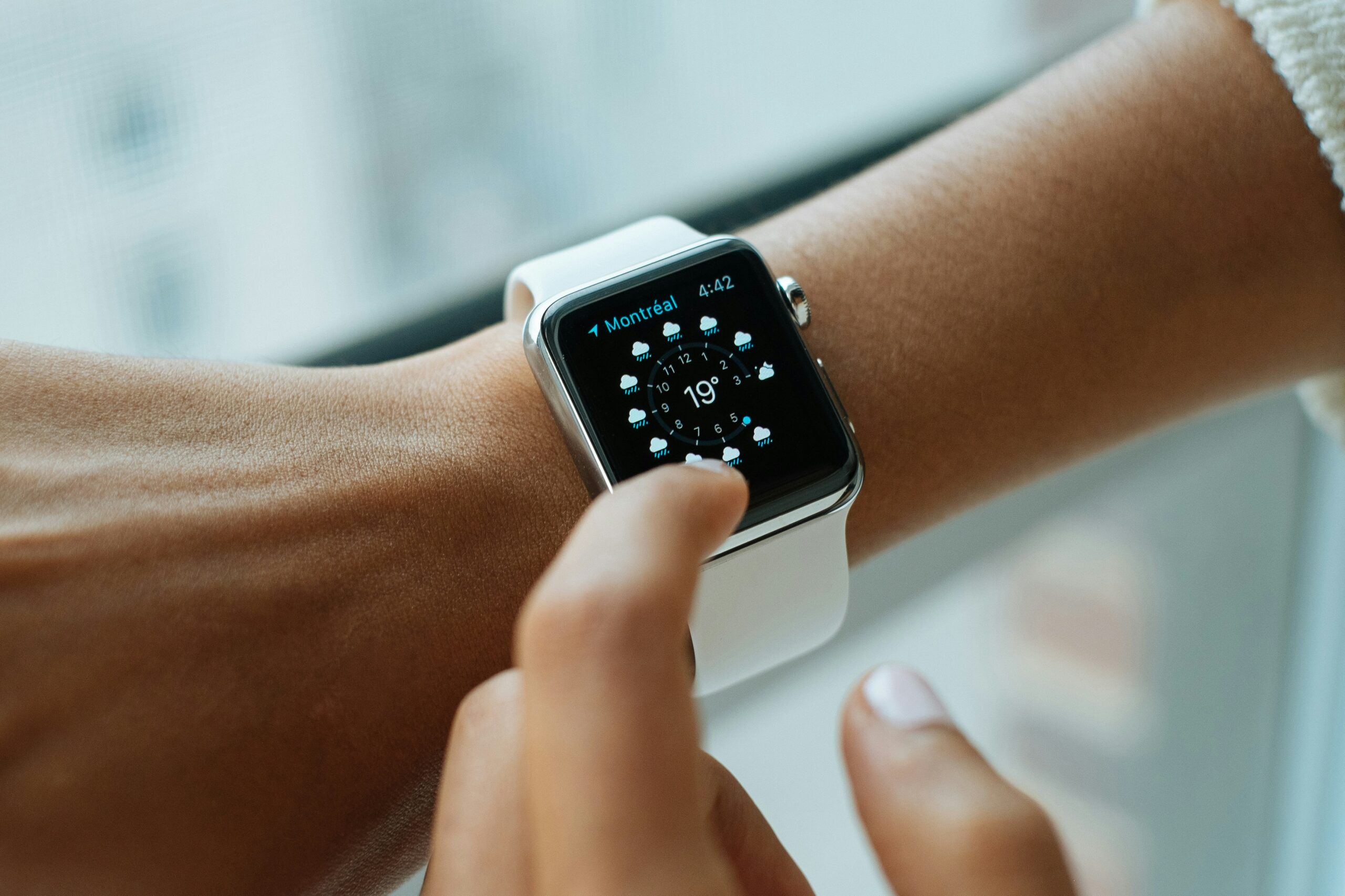
“Those devices have been really good at giving you your biometric reading, but what do you do with it next?” posits Henry Penix, Founder & CEO of Soaak. “That’s where Soaak came along and said we could be the intervention platform: wearable-agnostic, taking that biometric data, finding the right frequency composition, and presenting it as an actual solution.”
Soaak democratizes access through a mobile app that uses AI to read biometric data, such as sleep quality, heart rate, and heart rate variability, and deliver targeted sound compositions designed to guide the body toward desired wellness states.
“When you listen to a Soaak sound frequency composition, that’s like the tuning fork that does not change. If your body starts to resonate that same frequency, then all of a sudden it pulls you out of depression, it helps with anxiety, it helps with energy.”
The app has already logged over 80 million minutes of sleep frequency use across 190 countries, with users reporting cascading improvements in anxiety, energy, and focus.
Penix explains, “If you get a good night of restorative sleep, then all of a sudden you’re less anxious the next day, you’ve got more energy; it kind of flows downhill.”
Final Thoughts
Health technology is evolving from passive data gathering to proactive, personalized care. Whether it’s a patient with a rare disease finally finding answers after years of uncertainty, a woman with endometriosis being connected to the correct specialist, or someone sleeping more soundly because an app monitors their biometrics overnight, these tools have one thing in common: they address gaps left by traditional healthcare. The future of wellness is being shaped one algorithm at a time.