
Image credit: Pexels
Fitness platforms are beginning to connect movement, sleep, nutrition, and behavior, giving people guidance shaped around more than a generic workout goal.
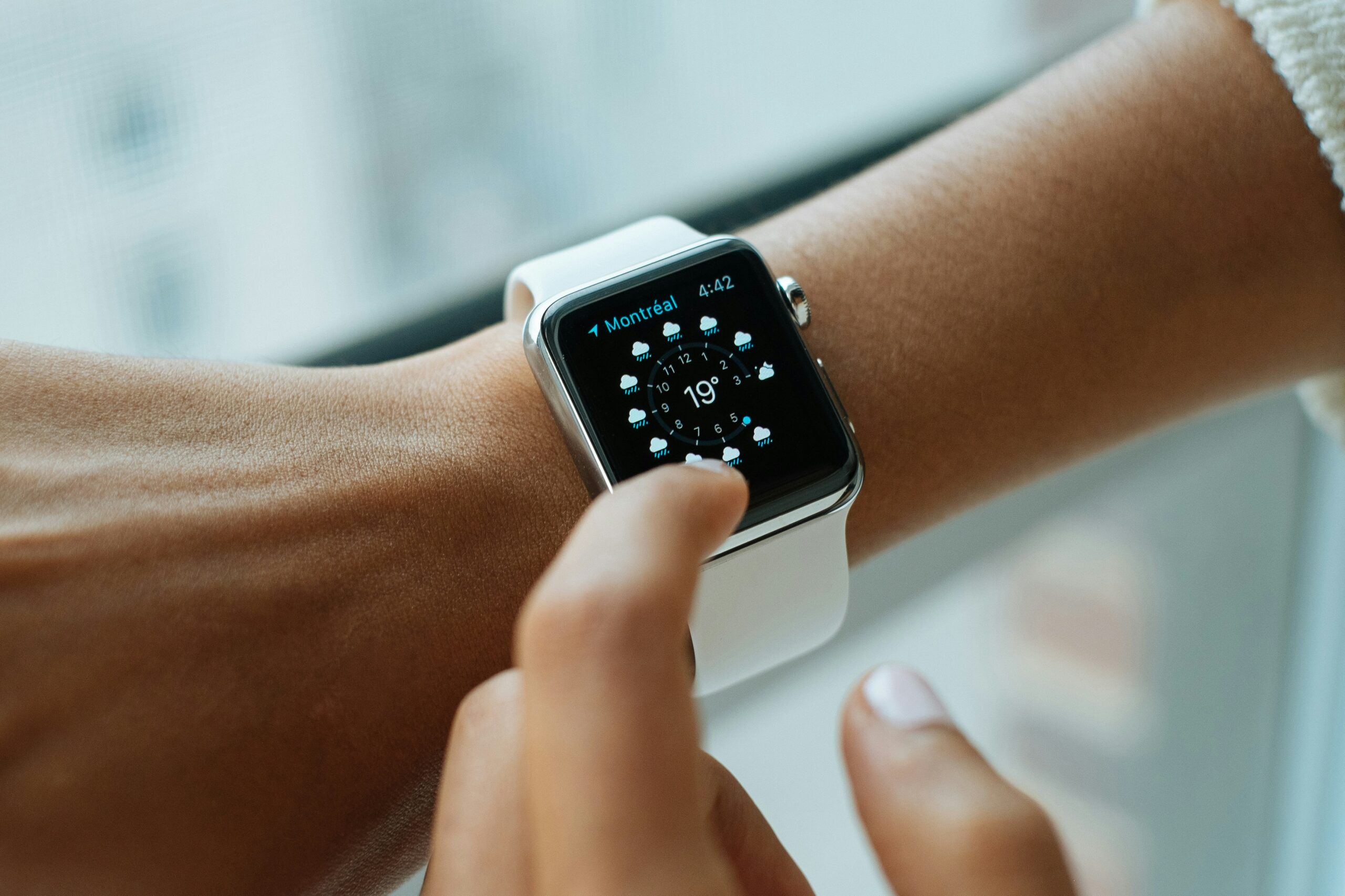
Steps, heart rate, sleep, and workout minutes have become familiar parts of digital fitness. AI could move those measurements beyond simple tracking by studying the relationships between them. A platform may learn that someone needs more recovery after poor sleep, performs differently after certain meals, or follows a program more consistently when exercise is divided into shorter blocks.
That process allows personalization to become more precise over time. Two users may share the same goal and basic physical profile while living through very different schedules, stress levels, medical histories, and habits. AI can account for those differences and shape recommendations around patterns that emerge through continued use.
Personalized Fitness Requires Better Context
Most fitness plans begin with a narrow set of details. A user enters a goal, chooses an experience level, and receives a schedule based on broad categories. That approach can provide a starting point, though deeper personalization requires a much fuller picture.
Sleep quality can affect the body’s readiness for a demanding session, while food choices may influence energy and glucose response. Location patterns offer clues about routines, including where someone eats or how often they move during the day.
Mood, motivation, and previous adherence may also help a platform decide which recommendation has the greatest chance of becoming part of someone’s life.
AI can examine these inputs together and update its guidance as new information arrives. The result could feel closer to an ongoing coaching relationship, with the program learning from each completed workout, skipped session, and change in recovery.
Building Around Complex Health Data
At Beehive Software, founder and CEO Yaron Hadad works on health and wellness platforms that combine AI with human expertise. The company’s projects examine several objectives at once, including sleep, activity, glucose, and behavioral patterns.
“You can really create algorithms that take all the scientific knowledge in a certain domain, capture it, and then start projecting it on individuals with their inputs, with their needs, with their historical medical background,” Hadad says.
That work includes a gamified longevity journey created for the Blue Zones Project. The program can generate 9 quintillion pathway combinations, allowing recommendations and incentives to change around each participant. Beehive has also explored behavioral location data, including restaurant visits, as one signal that may help anticipate food choices and later health effects.
“If you’re really trying to take a holistic approach, looking at people’s weight and glucose and other biomarkers and how they feel, how they sleep, you’re really talking about a very complex, multi-objective system,” Hadad explains. “What is the objective? What do you optimize?”
Those questions become central when a platform has several possible goals. Improving athletic performance, managing glucose, supporting weight changes, and helping someone feel more energetic may call for different recommendations.
Human oversight can help developers decide how the system weighs each outcome, especially in healthcare settings where errors often carry serious consequences.
The Next Challenge Is Better Fitness Data
AI systems can only work with the information available to them. Current wearables capture a useful group of measurements, though many parts of health and behavior remain difficult to track consistently. New sensors could expand what fitness platforms understand about recovery, nutrition, movement, and the body’s response to training.
“The cap on what you can do with AI right now is not even the AI in many cases; it’s actually the data that is flowing into it,” Hadad notes. “I think there is really an opportunity to see more solutions coming to the market to measure new things.”
Better data could make personalized training more responsive, provided platforms explain how recommendations are created and use sound scientific guidance. The strongest tools will likely combine multiple signals without overwhelming the user.
For someone opening a fitness app, the experience can remain simple: a workout, a recovery suggestion, or a change to the week’s plan. Behind that recommendation, AI may be processing a highly individual picture of how that person lives, moves, sleeps, and recovers.