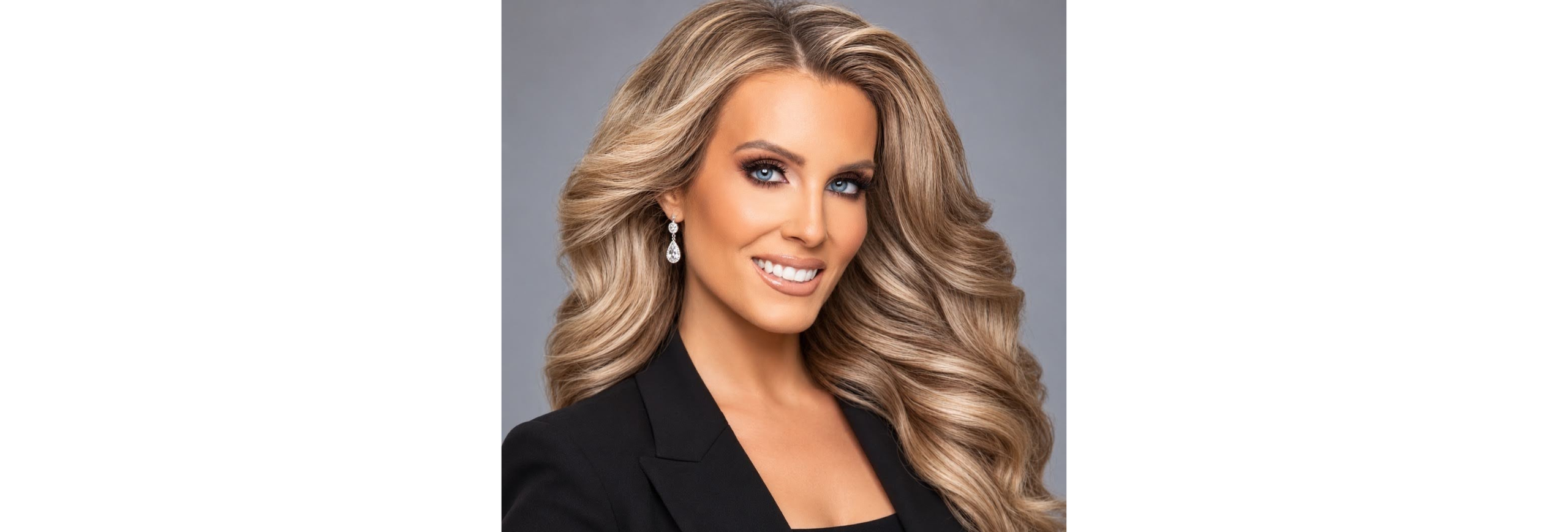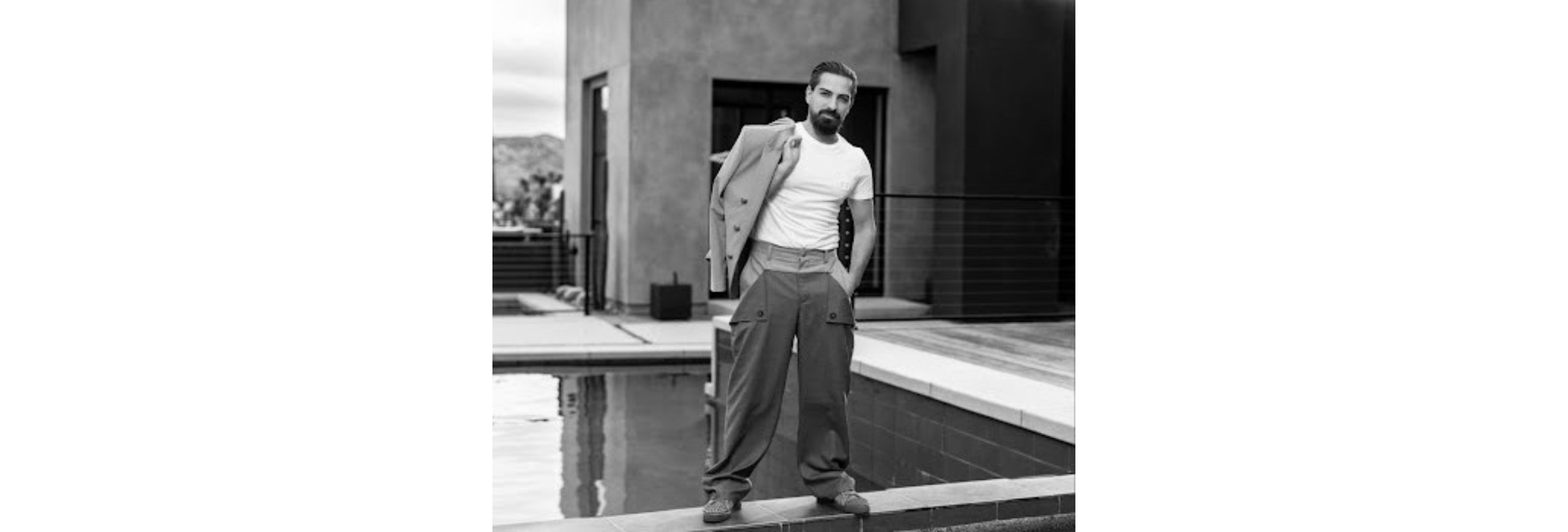

Kat Marie Alvarez, RN, MBA | Forbes Business Council Member | ACHE CEO Circle Member
On what the post-close phase demands, why operational readiness determines outcomes, and how KATALYST & Co. stays close to what’s actually happening on the ground
Closing a deal changes the nature of the work. Capital is in. The plan has been approved. The thesis is validated, at least on paper. But for Kat Marie Alvarez, Founder and CEO of KATALYST & Co., that moment is not a conclusion. It’s a transition into a fundamentally different set of demands.
Once funding is in place, the assumptions get tested. The model meets real patients, real providers, real payer relationships, and a regulatory environment that doesn’t accommodate execution gaps. What worked at a smaller scale comes up against the full weight of growth. And the operational foundation, whether it was built to hold or not, becomes visible.
That’s the phase KATALYST & Co. was built to navigate.
Q: Many people treat investment as the primary objective. Why do you frame it differently?
A: Investment is a resource event. Before closing, you’re working with projections, assumptions about how the model will scale, and expectations for achievable outcomes. After closing, all of that gets pressure-tested against real conditions.
Real patients. Real provider behavior. Real payer expectations. Real regulatory requirements, all at once, and with capital now on the line.
That’s when the foundation of a model either demonstrates its strength or reveals its gaps. The companies that treat the post-close period as critical and prepare accordingly are the ones that can actually deliver on what the investment was meant to create.
Q: What are the first operational challenges that surface after investment?
A: The gap between the documented plan and on-the-ground reality shows up quickly. A model can be well-structured on paper and still encounter existing workflows, clinical habits, and system constraints that weren’t fully accounted for in the pre-close thesis. That’s not a design failure. It’s the natural friction between a model and the environment in which it operates.
Scaling compounds it. Processes held at earlier stages begin to strain as volumes increase. Coordination requirements are growing. Documentation obligations multiply. Compliance surface area expands. Each of these is manageable with the right infrastructure. Without it, they accumulate.
In healthcare specifically, that accumulation carries clinical consequences. When operational and clinical functions fall out of sync, inefficiency doesn’t occur in isolation. It leads to inconsistent care delivery, with both results and financial implications.
Q: Where do healthcare companies most commonly struggle in the post-investment phase?
A: Execution infrastructure. Compelling models and early traction are real assets, but they don’t automatically translate into the systems required to sustain performance at scale. Documentation, compliance, and care coordination are often present in early-stage organizations, but not in a form that can withstand growth.
As volume increases, pressure builds across every dimension. More patients. More regulatory scrutiny. More financial exposure in risk-bearing arrangements. In those environments, operational gaps become material. They surface in clinical outcomes, in financial results, and in the organization’s capacity to meet the commitments it made at close.
The model rarely fails because the original idea was wrong. It fails because the infrastructure to support the idea at scale was never fully built.
Q: How does KATALYST & Co. stay engaged after investment to support this phase?
A: We stay close to operations. That’s the orientation.
Through KATALYST KPO Global Solutions, we work at the level where performance is produced: documentation integrity, care coordination, compliance workflow management, and operational performance tracking. These are the functions that determine whether a model delivers consistently, especially during periods of growth and transition.
The work isn’t limited to process design. It’s about ensuring those processes function within the environments where healthcare runs, under payer requirements, regulatory frameworks, and the daily operating pressures of a risk-bearing organization. That requires operator-level engagement at every stage.
Our AI-Embedded infrastructure supports this by generating real-time operational insight. Decisions are made based on what’s currently happening, which allows us to support organizations through the complexity of the post-close period with the responsiveness that complexity demands.
Q: How does real-world execution shape strategy after investment?
A: It shapes it significantly, and that should be expected.
What appears straightforward in a model becomes more detailed, more conditional, and more nuanced once execution begins. Timelines shift. Certain process assumptions require revision. Dependencies that weren’t visible in the pre-close environment become apparent when the work is actually running.
That’s not evidence of a flawed thesis. It’s evidence that the model is being tested against reality, which is the only test that matters. What it requires is a strategy that evolves based on what’s being learned, and leadership close enough to operations to recognize when adaptation is necessary and act on it quickly.
Q: What should investors and operators understand about the post-investment phase?
A: That this is where value creation happens.
Capital creates conditions for growth. The operational infrastructure that sustains that growth must be built and maintained through the day-to-day work of running the organization. When that infrastructure is strong, performance compounds. When its underdeveloped, performance becomes episodic rather than sustained.
For investors, post-close diligence on execution matters as much as pre-close diligence on the model. How care is being delivered. How risk is being managed in practice. How performance is being tracked and acted on. Those are the indicators that determine whether the value creation plan is achievable across the hold period.
For operators, it means treating operational infrastructure as a foundational investment from the outset of the post-close period, rather than a remediation effort triggered by underperformance.
At KATALYST & Co., this is where our engagement is concentrated. Because in healthcare, the quality of the outcome is determined by the quality of the execution that produces it.
Written in partnership with Tom White