
There’s a growing awareness around screen time, but not necessarily a growing number of solutions people stick with.
Most people already know the pattern. Set a limit, ignore it. Download an app blocker, disable it. Promise to “be better tomorrow,” then repeat the same habits the next day. The issue isn’t awareness—it’s follow-through.
That gap is where Bloom enters the conversation.
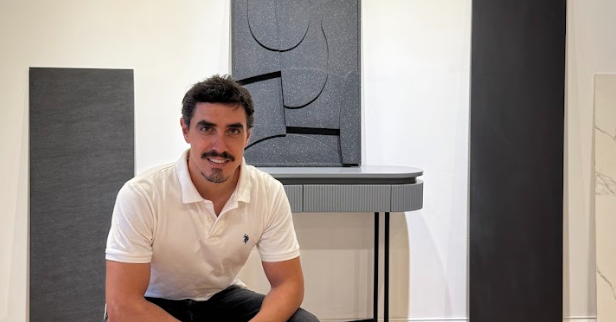
Founded by Giancarlo Novelli and Danny Chmaytelli, Bloom started as a practical response to a common frustration. As students at UCLA, both founders found themselves cycling through digital wellness tools that were easy to install—and just as easy to bypass. Rather than continuing to rely on software-based fixes, they explored a different idea: what if the solution didn’t live on the phone at all?
A Product Built Around Behavior, Not Just Technology
Bloom’s core product, the Bloom Card, is intentionally simple. It’s a stainless steel keycard that interacts with your phone to block selected apps and websites. Instead of navigating through menus or adjusting settings, users tap the card to activate or deactivate restrictions.
The process works in three steps:
Select the apps or sites that tend to distract you most. Tap the Bloom Card to lock them. Leave them locked until you physically tap the card again.
The concept behind it is less about adding another layer of technology and more about changing how people engage with what they already have. By requiring a physical action to unlock distractions, the Bloom Card introduces a pause—a moment where users can decide whether they actually want to proceed.
Why Existing Tools Often Fall Short
Bloom’s approach is rooted in a simple observation: tools that exist on the same device as the problem are often limited in how effective they can be.
App-based blockers, for example, are convenient but can typically be overridden in seconds. A quick setting change or deletion removes the restriction entirely. On the other end, more restrictive solutions—such as lockboxes or switching to a basic phone—remove access altogether, which can be impractical for work, communication, and daily responsibilities.
Bloom positions its product as a middle-ground alternative. It doesn’t remove access to essential smartphone functions, but it does create a boundary around the parts that tend to consume the most time.
The Role of Physical Interaction
One of the more distinctive aspects of the Bloom Card is its reliance on physical interaction. In an environment where most solutions are entirely digital, introducing something tangible changes the experience.
If the card is not within reach, the blocked apps remain inaccessible. That physical separation can make a difference, particularly in moments when habits tend to take over. Instead of reacting automatically, users are prompted to make a deliberate choice.
This design reflects a broader trend in behavioral thinking: small changes in environment can influence how people act, often more effectively than relying on intention alone.
Growth Driven by a Relatable Problem
Bloom’s growth has been closely tied to how widely its core problem resonates. Screen time is no longer confined to a specific demographic or industry. It affects students managing coursework, professionals balancing productivity, and families trying to stay present.
What began as a dorm room project has since expanded to a user base of over 60,000 people. According to the company, those users have collectively reduced significant amounts of time spent on distracting apps, highlighting the demand for solutions that feel practical in everyday life.
The brand also gained national visibility after appearing on Shark Tank Season 17, which helped introduce the concept to a broader audience.
Product Accessibility and Positioning
The Bloom Card is currently available for $39, with no subscription required. This one-time purchase model differentiates it from many digital tools that rely on recurring fees. The product is sold through Bloom’s website and retail partners, including Best Buy.
From a positioning standpoint, Bloom is not presenting itself as a replacement for smartphones or a complete lifestyle overhaul. Instead, it is designed to fit into existing routines, offering a way to manage distractions without removing the benefits of modern technology.
A Shift Toward Intentional Use
Bloom’s broader message centers on intentionality. Rather than eliminating screen time entirely, the goal is to help users become more aware of how and when they engage with their devices.
The phrase “One Tap To Remove All Distractions” reflects that focus. It’s less about restriction and more about creating a moment of choice.
As conversations around digital wellness continue to evolve, products like the Bloom Card highlight a shift in how solutions are being developed. Instead of adding more digital controls, some companies are exploring ways to step outside the device altogether.
For many users, that difference—small as it may seem—can be the factor that turns a good intention into a lasting habit.
Written in partnership with Tom White