
Recovery is often associated with large muscle groups—rolling out tight legs, using massage guns on shoulders, or stretching the back after workouts. Yet many athletes and active adults notice that discomfort or stiffness often originates in smaller, overlooked areas such as the hands, feet, jaw, and neck. Fascia Sticks was developed with a focus on those precise regions that traditional recovery tools may struggle to reach.
A Different Approach to Mobility and Recovery
Fascia Sticks was founded by Casey Kostrzewa, Ben Kurkowski, and Paul Von Zboray, former college athletes who spent years working in competitive training environments. Through their own experience, they recognized that many recovery tools were designed for broad muscle groups but not for the smaller, high-sensory areas that play an important role in movement and comfort.
Their mission is to help people move better, feel better, and pursue their goals with fewer physical limitations by creating tools designed to release fascial tension in areas often overlooked by traditional recovery devices.
As the team describes their concept:
“The ONLY tool specifically designed for the hands, feet, neck, and jaw, to help you feel better, move better, and perform better.”
While athletes were the original inspiration, the brand’s audience has expanded to include fitness enthusiasts, people in manual labor & working 9-5’s, wellness-minded adults, and individuals who are focused on maintaining mobility and comfort in everyday life.
The Origins of the Fascia Stick
The Fascia Stick began as a simple experiment. While playing college baseball, the founders learned about techniques used by rock climbers who floss tension between the bones of their hands using pencil erasers. After one of their teammates had incredible results and threw for the first time in 3 weeks after it,, they began to see the potential of creating a durable, purpose-built device for these smaller areas.
Early prototypes were developed in collaboration with a university design professor, leading to the design that would eventually become the Fascia Stick. The product spread organically among athletes, trainers, even the esports team, and everyday users who appreciated having a compact tool that could be used quickly and conveniently.
Introducing the Fascia Stick Pro
The Fascia Stick Pro is the brand’s stainless steel recovery tool designed for targeted self-myofascial release. Compact in size—approximately 10 centimeters long and weighing about 2.5 ounces—it is built for portability and ease of use.
Key features include:
- A dual-ended design that allows users to work on both narrow and broader small areas.
- Stainless steel construction that can be chilled in a freezer to provide a cooling sensation during use.
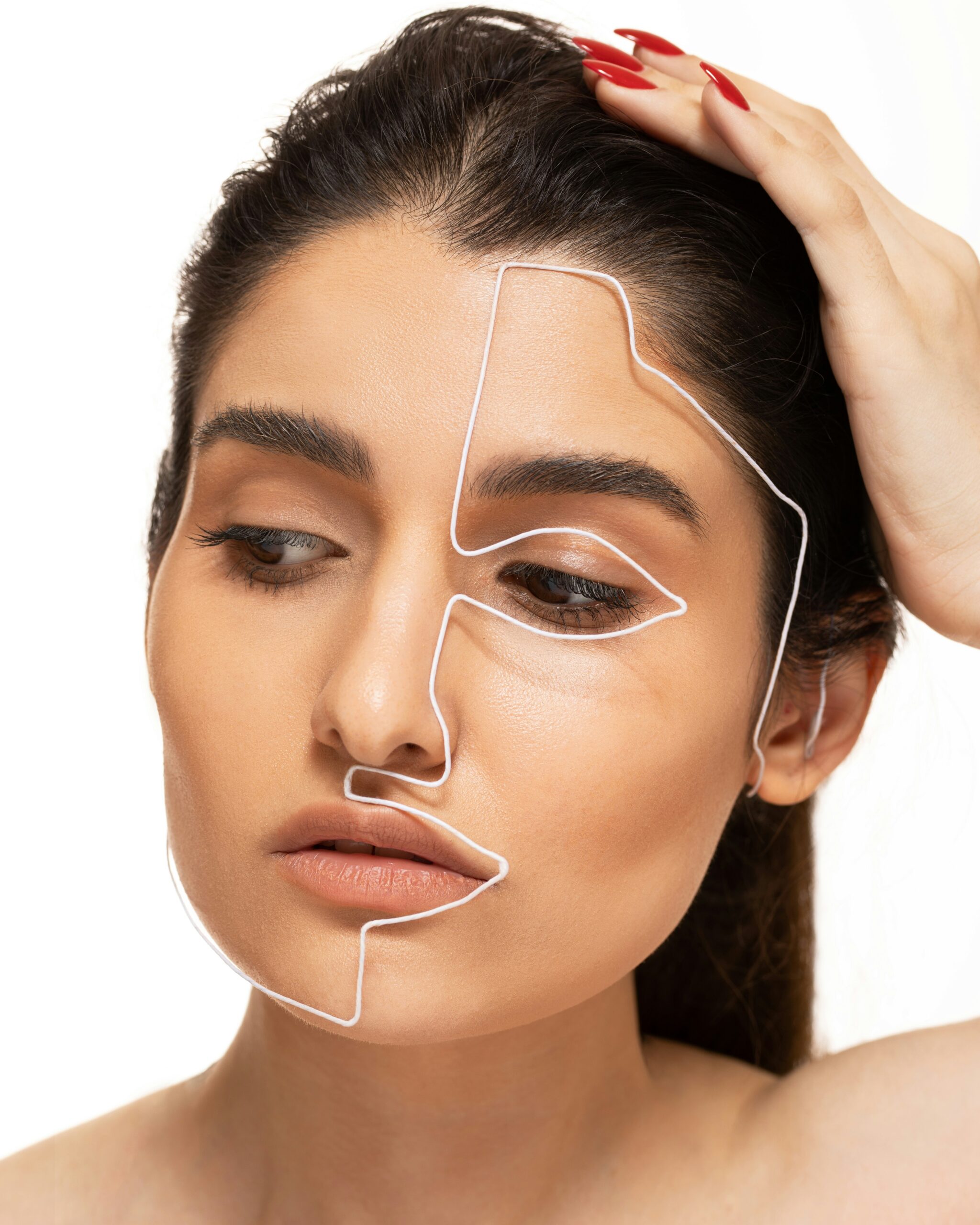
- A shape designed to reach areas such as the hands, feet, jaw, neck, and face.
Because the tool is small and requires no power source, many users incorporate it into short routines at home, in the gym, or while traveling.
Why Smaller Areas Matter
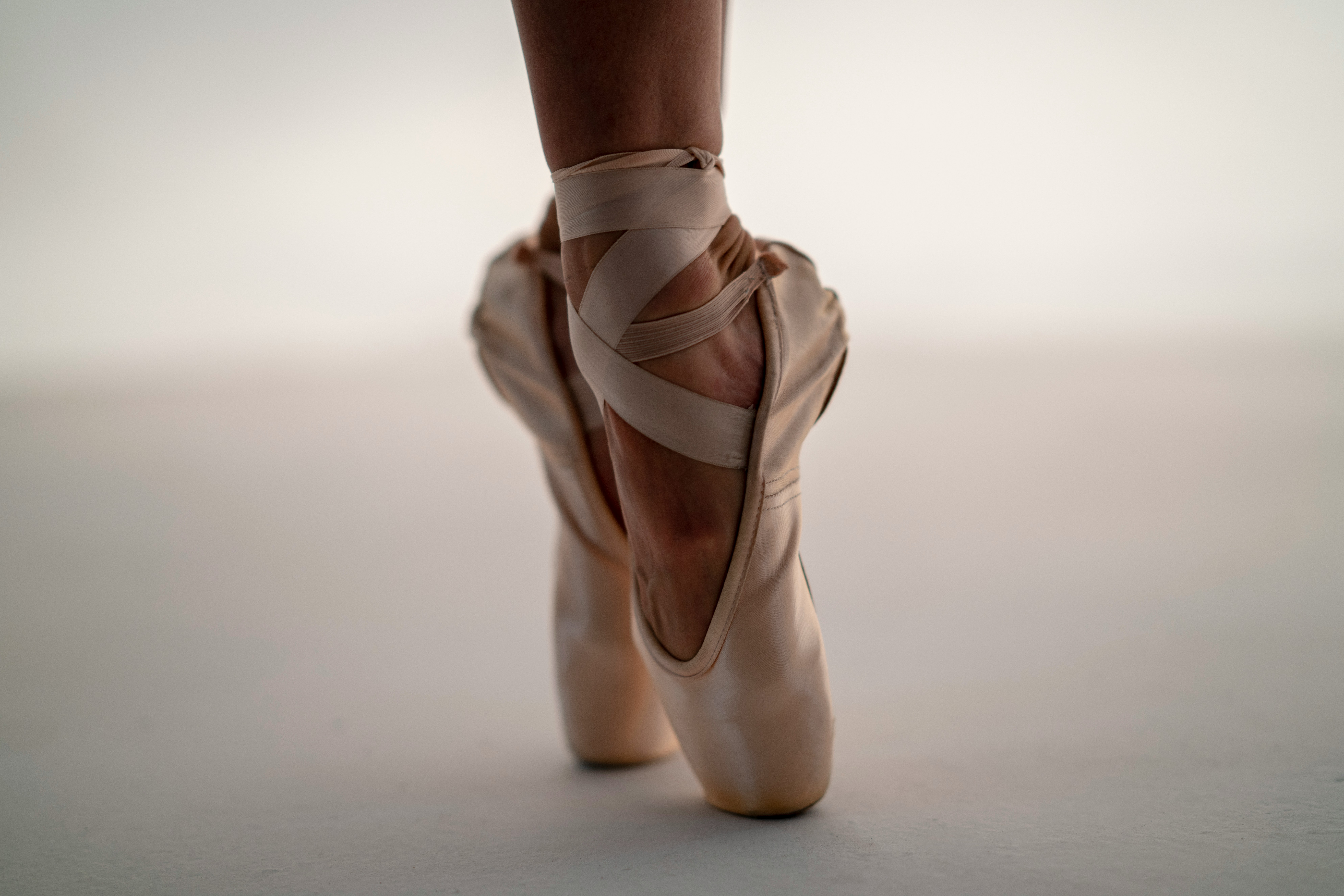
Many traditional recovery methods are effective for large muscle groups but may not provide the same precision in smaller regions. Areas such as the hands and feet contain complex structures of bones, tendons, and connective tissue that can accumulate tension from repetitive activity, sports, or daily tasks like typing and prolonged standing.
By focusing on these areas, Fascia Sticks aims to offer a more targeted option for individuals who want to include small-area mobility work in their routines.
Some users incorporate the tool into daily habits, such as:
- Brief sessions on the hands or feet before workouts or yoga.
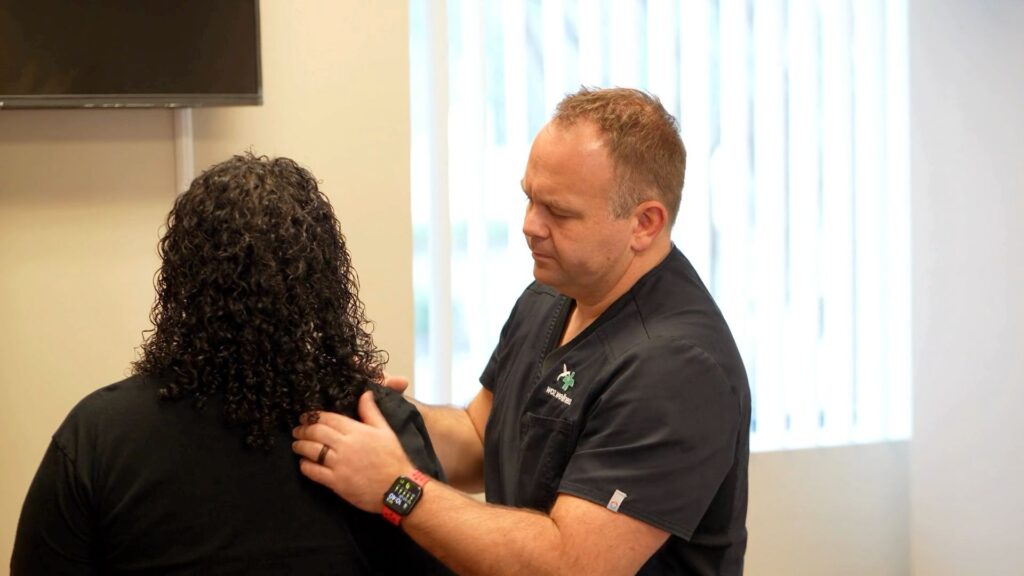
- Gentle use on the neck or jaw in the morning or evening.
- Short relaxation routines at the end of the day.
Frequency and duration vary depending on individual comfort and preferences.
Designed by Athletes, Used by Many
Although the product was originally developed within a baseball training environment, its use has broadened over time. Today, Fascia Sticks tools are used by athletes, coaches, therapists, and individuals seeking simple ways to address tension or stiffness in daily life.
The founders’ backgrounds reflect this athletic origin:
- Casey Kostrzewa is a former college and professional baseball player and currently a pitching and movement trainer at 108 Performance.
- Ben Kurkowski is a former college baseball player and assistant baseball coach at the University of Health Sciences and Pharmacy.
- Paul Von Zboray is a former college and professional baseball player and assistant coach at Cosumnes River College.
Their combined experience in training and performance environments shaped the design priorities of the Fascia Stick—durability, portability, and precision.
A Tool Built Around Practical Use
One of the defining ideas behind Fascia Sticks is simplicity. The tool does not require batteries, attachments, or complicated instructions. Its size makes it easy to carry, and many users find that even short sessions can fit naturally into their existing routines.
The stainless steel construction also allows the tool to be chilled, which some individuals incorporate into facial or neck routines as part of their morning or recovery practices.
Looking Forward
As awareness grows around mobility, recovery, and the importance of fascia in movement, products designed for targeted applications are gaining attention. Fascia Sticks represents one example of how smaller, specialized tools can complement broader recovery methods.
By focusing on areas that are often overlooked, the brand continues to build on its original goal: helping people—from competitive athletes to everyday individuals—maintain comfort, mobility, and readiness for whatever activities matter most to them.
Written in partnership with Tom White