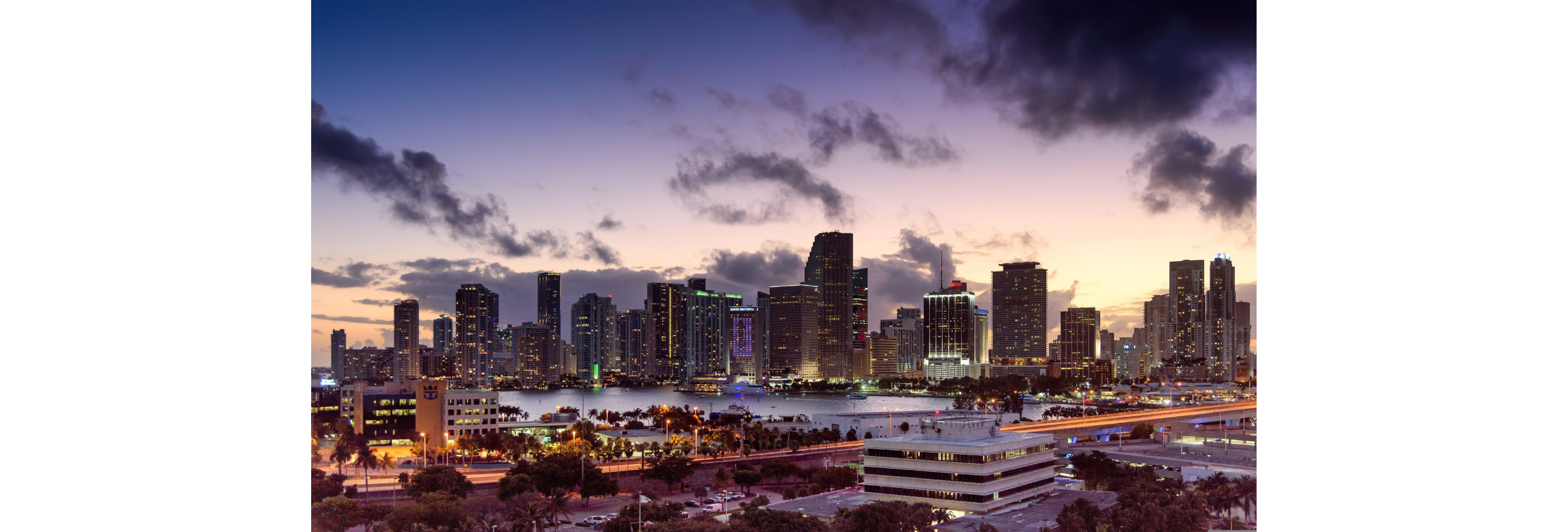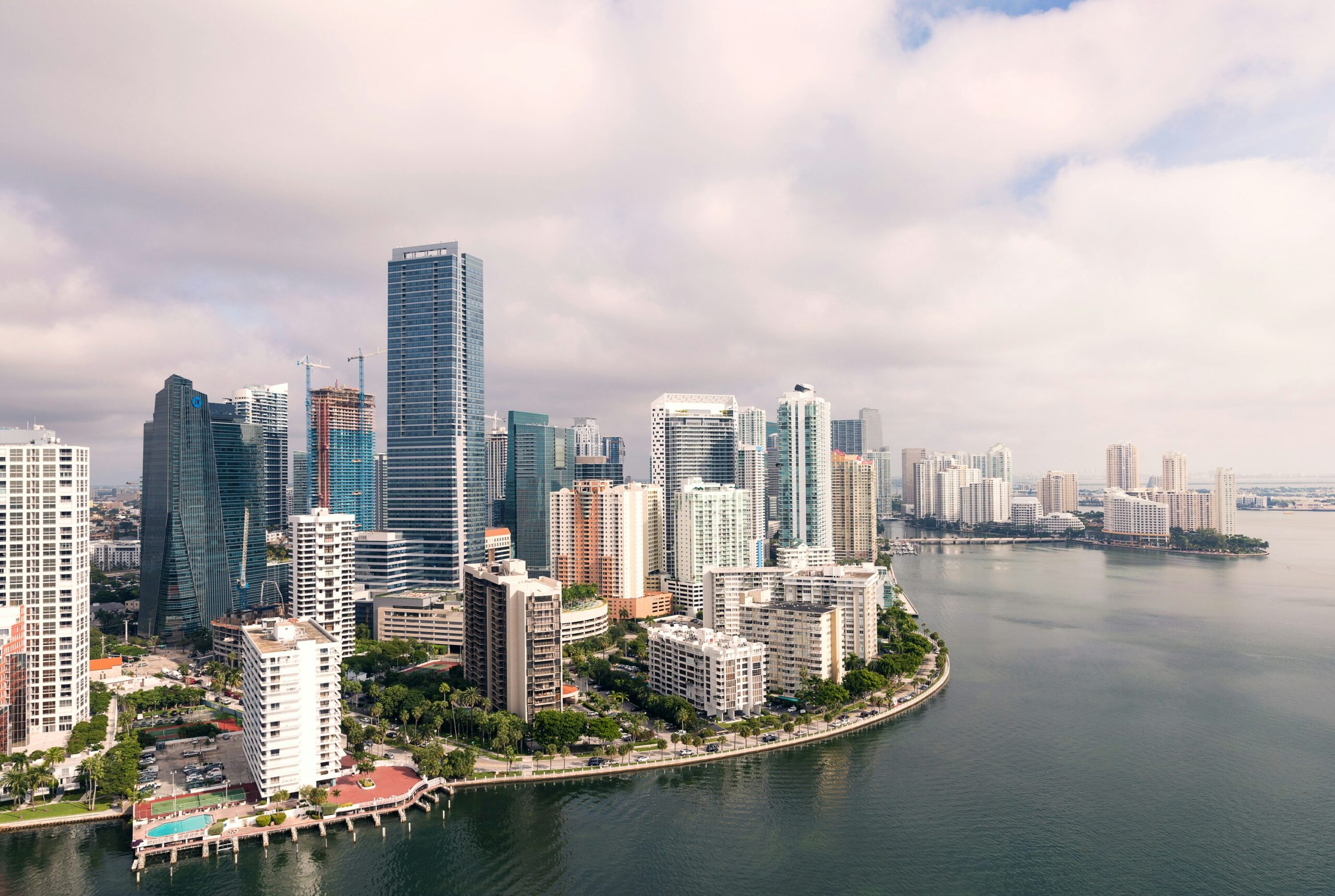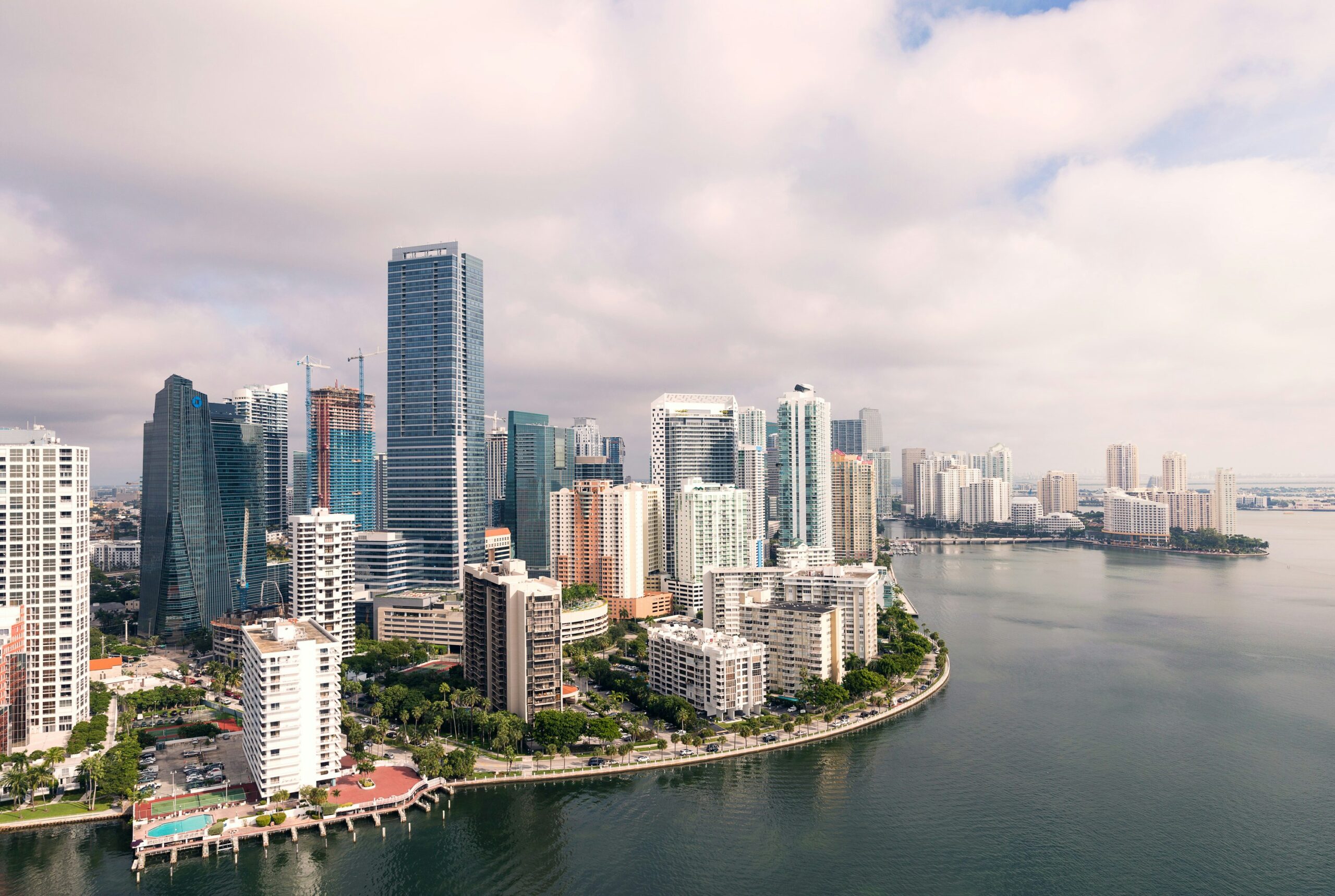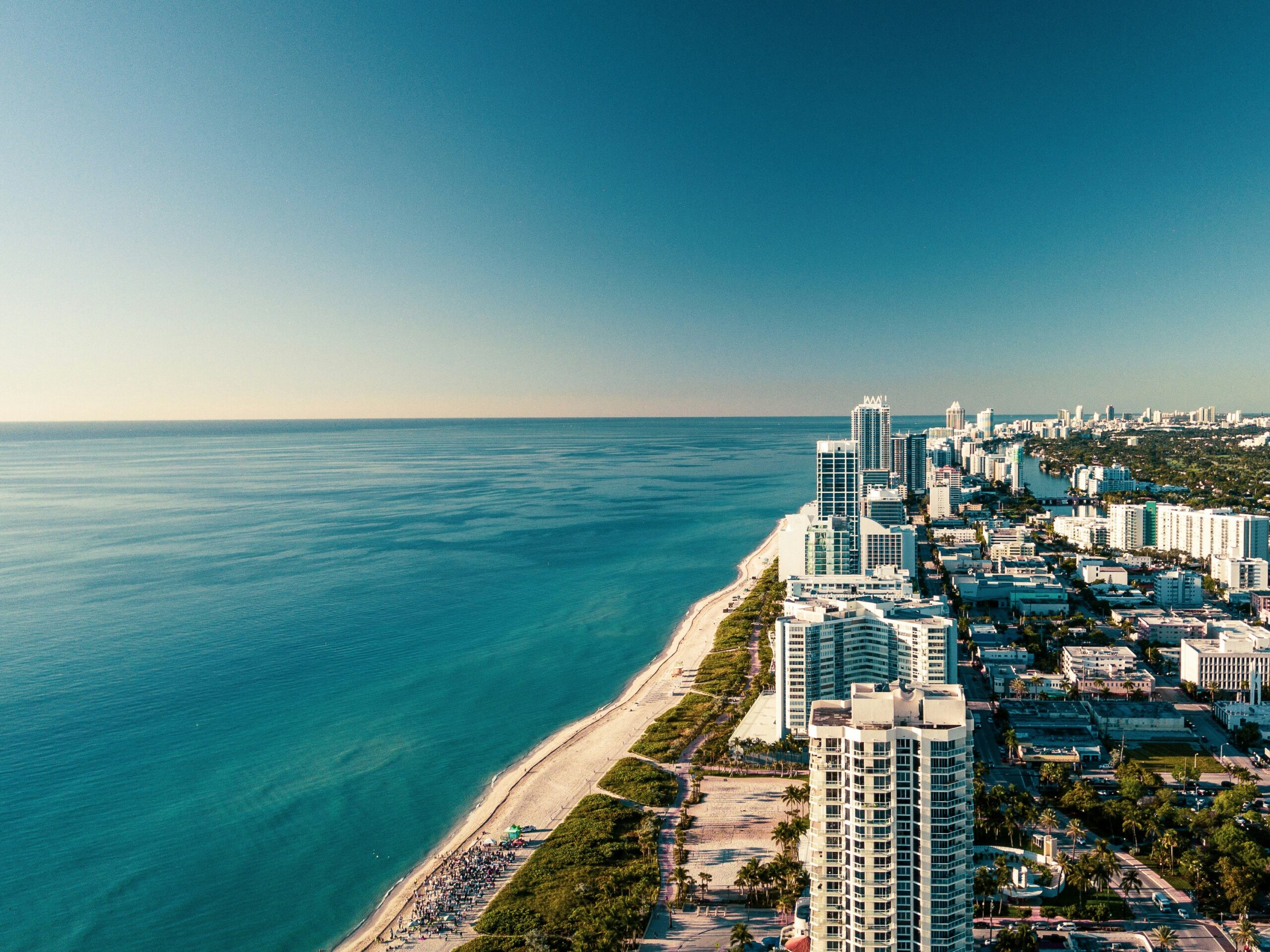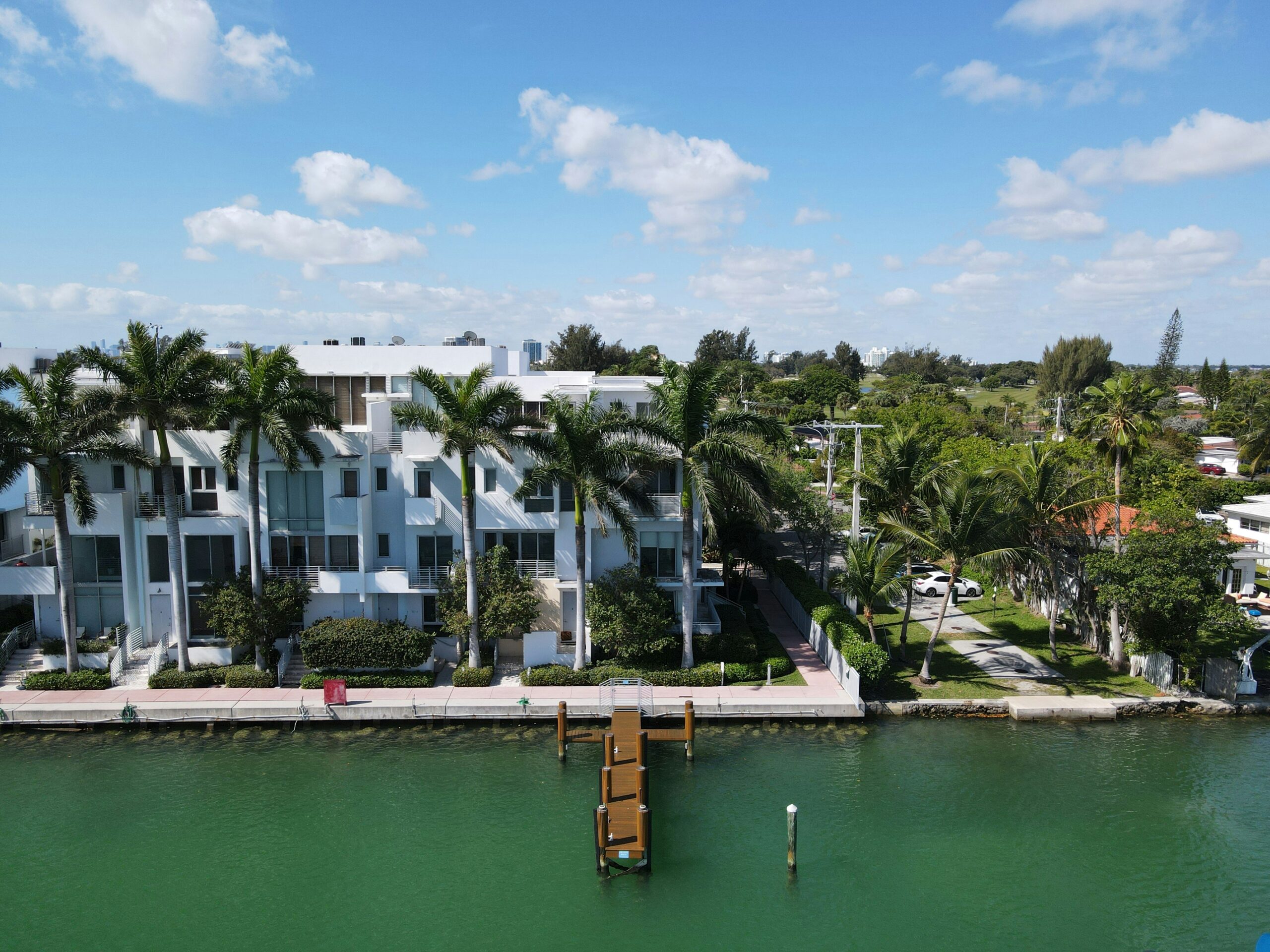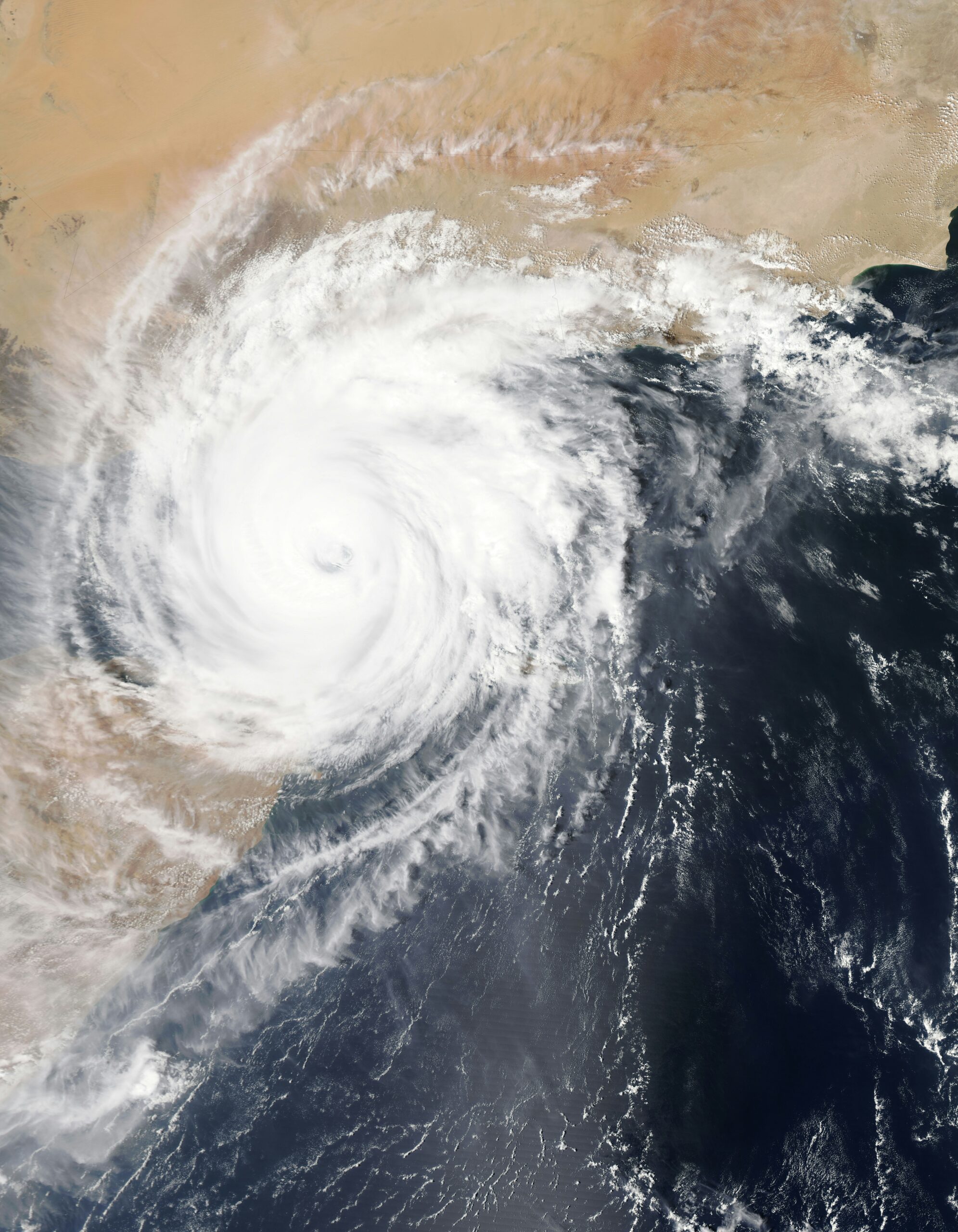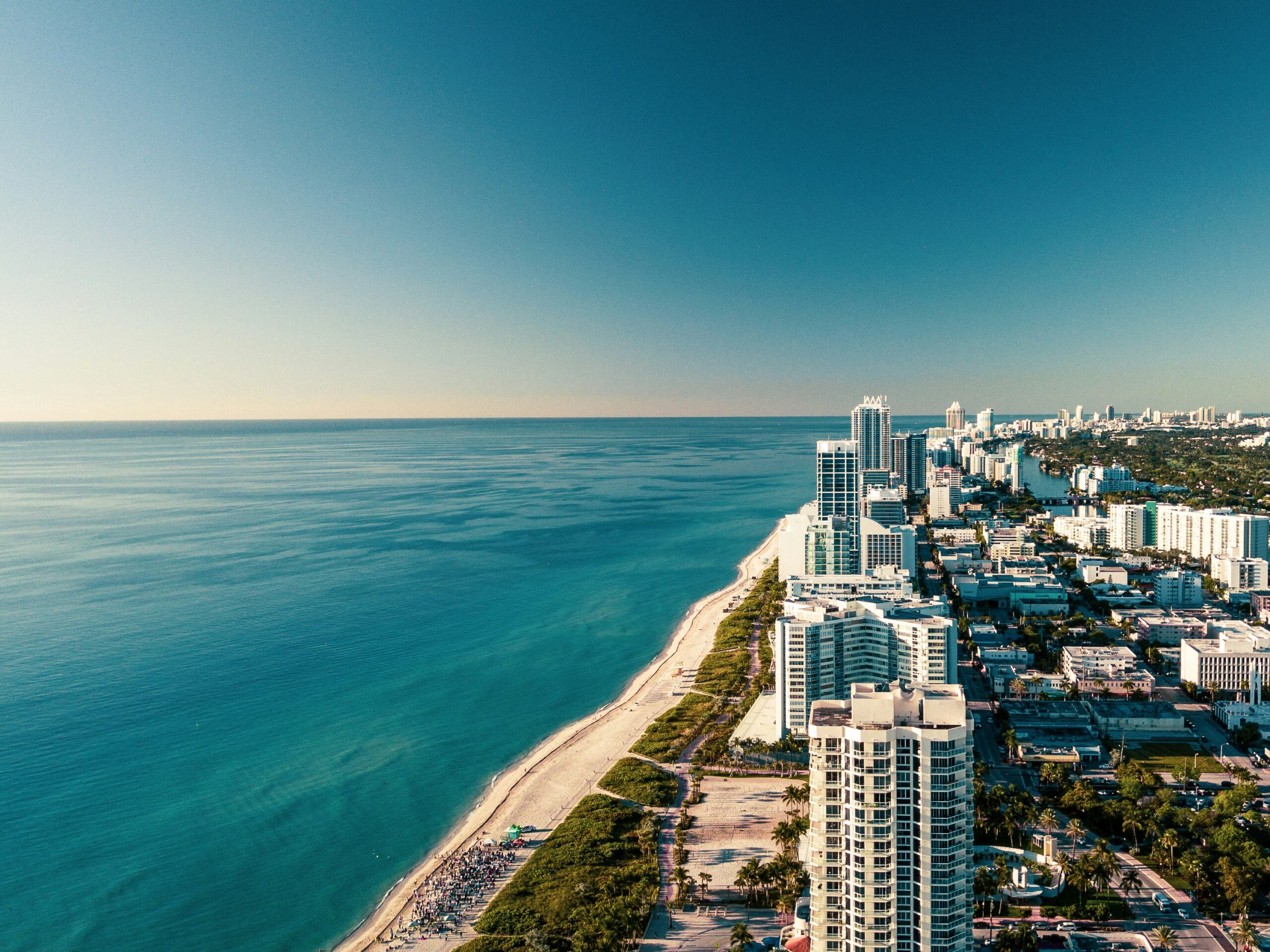

Every Miami homeowner knows the drill by now: shutters, water, generator fuel, and a close eye on the cone. What fewer people plan for is the check they’ll have to write after the storm passes.
Florida homeowners insurance policies carry a separate hurricane deductible, and it’s usually far larger than the deductible most people have in their heads. For many families, the gap between “we’re insured” and “the insurance check actually covers this” can reach tens of thousands of dollars, and it lands at the exact moment everything else is disrupted.
It’s worth knowing, ahead of time, where that money would come from.
The Math Most Homeowners Haven’t Done
In Florida, hurricane deductibles are typically set as a percentage of a home’s dwelling coverage, not a flat dollar amount. Insurers are required to offer options that commonly include 2%, 5% or 10%.
On a home insured for $500,000, that means:
- A 2% deductible is $10,000
- A 5% deductible is $25,000
- A 10% deductible is $50,000
For higher-value homes in Coral Gables, Coconut Grove or Pinecrest, those figures climb higher still. Hurricane deductibles usually apply once per calendar year, which helps if a second storm hits. But that first bill is still the homeowner’s to cover before the insurance company pays a dollar.
Why the Usual Options Can Stall After a Storm
In theory, the answer is an emergency fund. In reality, many South Florida households keep most of their wealth in the house itself, in retirement accounts or in a business, none of which turns into cash quickly.
After a major storm, the usual backup plans can stall at the same time:
- Home equity lines can take weeks to open, and lenders may pause new applications in a disaster area.
- Retirement account withdrawals can trigger taxes and penalties.
- Credit cards carry high rates and may not have limits large enough for a roof.
- Contractors who are in demand after a storm often want deposits upfront.
What families need in those weeks is fast access to cash from something they already own.
Why a Rolex Works as an Emergency Reserve
For a lot of Miami households, one of their most liquid assets is sitting in a safe or a dresser drawer. A Rolex watch trades on a global secondary market, its value is tracked publicly, and a genuine piece can be authenticated and priced in under an hour. Rolex secondary-market prices have been recovering since mid-2025, rising 1.7% in the first quarter of 2026, according to Morgan Stanley and WatchCharts.
That makes a Rolex useful in two ways after a storm.
Use it as collateral. With a collateral loan, the lender holds the watch, the owner receives funds based on its value, and the watch is returned when the loan is repaid. At Diamond Banc’s Coral Gables office, loans range from $500 to $250,000, quick funding turn-around is available, with flexible terms.. That’s enough time to wait out an insurance claim, a FEMA decision or a business recovery. As with any loan, borrow only what you’re confident you can repay. The watch secures the loan.
Or sell it. If the watch is one nobody wears anymore, selling it outright means no interest and no repayment schedule. Evaluations at the Coral Gables office are free with no obligation, and accepted offers are typically paid within 24 hours. For homeowners who want to understand the process before they need it, Diamond Banc explains what goes into selling a Rolex in Miami, from the models it buys to how offers are built.
For many families, the evaluation itself is the most valuable step. Knowing a watch’s current value before hurricane season means one less unknown when a storm is on the way.
Don’t Forget to Protect the Watch Itself
One more hurricane-season tip for watch owners: check whether your homeowners policy actually covers your watch. Many standard policies cap coverage for jewelry and watches at a low amount unless the item is scheduled separately. A scheduled rider or a standalone jewelry policy is usually inexpensive relative to the value of a Rolex. Keep photos, serial numbers, the box and papers, and any appraisal documents stored somewhere safe from flooding, preferably in the cloud.
Diamond Banc’s Coral Gables team serves clients in both English and Spanish, and appointments are available on Saturdays and after 5 p.m. for families juggling work, school and storm prep.
Hurricane season will always be part of life in Miami. The cash crunch that follows doesn’t have to be.
Written in partnership with Tom White