
At some point, sleep stopped being automatic.
Now it’s… a situation.
You’re tired. You did the whole “get into bed at a reasonable time” thing. Maybe you even put your phone down (briefly, let’s not get crazy). And still—your brain decides it’s the perfect time to host a highlight reel of your life, plus tomorrow’s to-do list.
Or you do fall asleep… and wake up feeling like your body clocked in, but your brain called out sick.
And the weirdest part? This isn’t unusual anymore. It’s kind of become the default.
That’s the real issue.
It’s not just that people aren’t sleeping—it’s that sleep doesn’t always feel like rest anymore.
When Did Sleep Become Another Thing to “Optimize”?
There was a time when sleep just… happened.
Now it feels like something you have to manage, track, improve, and maybe even negotiate with.
Think about a normal day: constant notifications, back-to-back responsibilities, and then when you finally get into bed, your body might be exhausted—but your mind is still mid-marathon.
“I’m tired, but I can’t shut off” has basically become a personality trait at this point.
Where Lulla™ Comes In
Lulla® was built for this exact moment—the one where you’re tired of being tired, but also tired of overcomplicating it.
Instead of trying to rush you into sleep, Lulla takes a more realistic approach: if your body is still “on,” sleep is going to feel like a struggle.
So the focus shifts.
Not forcing sleep. Supporting it.
Because when your system is still elevated at night, it can make it harder to transition into rest. Lulla is designed to support a more balanced nighttime state—helping your body wind down so it can move into its natural sleep cycle more easily.
Helping your system slow down, not shut down. Creating a transition into rest that feels natural, not abrupt. Something that works with your routine, not against it.
A big part of that approach is staying melatonin-free—something that resonates with people who’ve tried it, had mixed experiences, or just want a different option.
Instead of adding melatonin, Lulla focuses on supporting the conditions that allow your body to produce it on its own—using ingredients like PeptiSleep® to help promote a more natural nighttime rhythm.
No Perfect Routine Required
Here’s where Lulla feels refreshingly normal: it doesn’t assume you have your life perfectly together at night.
Because… who does?
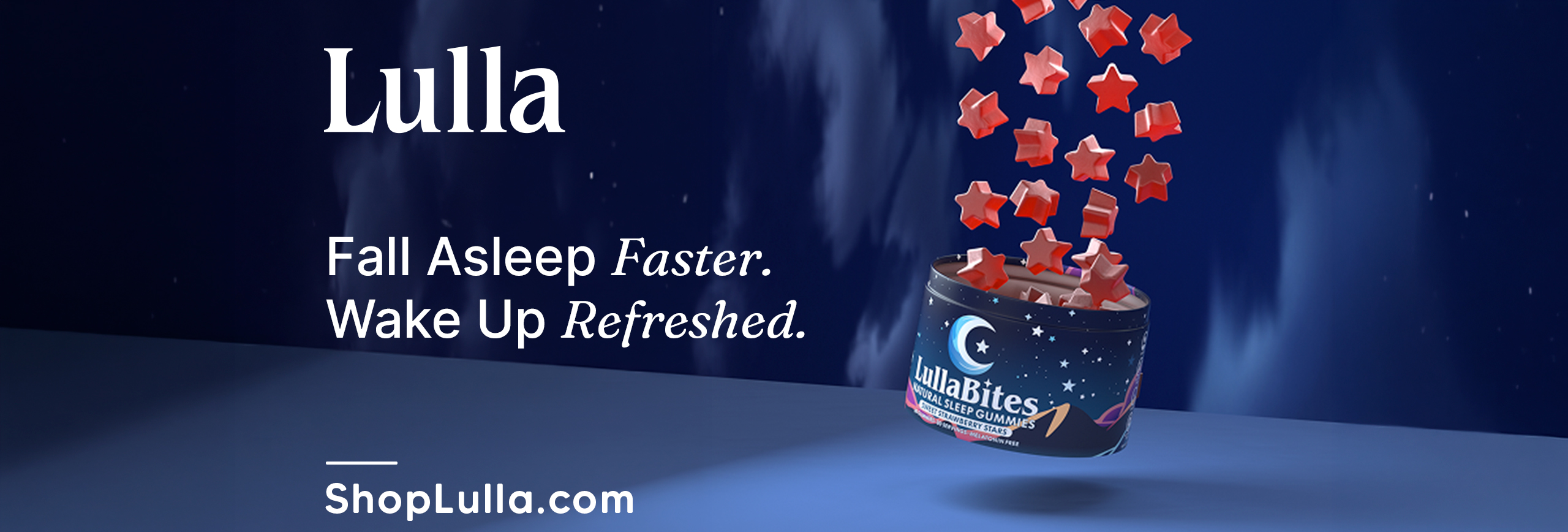
LullaBites Melatonin Free Sleep Gummies – a simple, easy-to-take gummy option that fits seamlessly into your nightly routine
Lulla Mix Sleep & Hydration Drink Mix – a dual-action hydration and sleep support blend, with options like hot chocolate and lemon lime, and more flavors coming soon
Lulla Melatonin Free Sleep Capsules – a straightforward daily capsule designed to support consistent nighttime routines
Lulla Sleep Balance Detox – a 10-day cleanse that supports gut health and helps restore your circadian rhythm
Lulla Magnesium Capsules – an essential sleep mineral formulated to promote deep rest, support muscle relaxation, and help maintain a balanced nervous system
No pressure to become a “night routine person.” Just tools that meet you where you are.
The Shift: From Knocking Out to Actually Resting
People are starting to look at sleep a little differently.
It’s not just about falling asleep fast anymore. It’s about waking up and not immediately needing three cups of coffee and a pep talk.
It’s about:
- feeling clear in the morning
- staying consistent night to night
- actually recovering, not just passing out
That’s a subtle shift—but a big one.
And it’s exactly where Lulla fits in. Not as the loudest solution, but as the one that makes sense long-term.
Stop Chasing Sleep
The conversation around sleep is changing, mostly because people are asking better questions.
Not just “How do I fall asleep faster?”
But “Why does this feel so hard in the first place?”
Lulla doesn’t try to overwhelm that question with a complicated answer.
It just offers a different approach—one that feels a little more aligned with how people actually live now.
Because in a world that’s constantly “on,” better sleep might not come from doing more.
It might come from supporting your body’s natural ability to wind down at night—so it can transition into sleep the way it was designed to, just with the right kind of support.
Written in partnership with Tom White