
Have you ever wondered why some streets seem to breathe life into us, while others quietly take something away?
It might be something as simple as the shade of a tree, the sound of people talking outside a café, or the feeling of having enough room to walk without constantly watching for cars. We rarely stop to think about these details, yet they can shape how we experience a city and, sometimes, how we feel for the rest of the day.
Research suggests there is more to this experience than personal preference.
A study published in Health Environments Research & Design Journal examined how different street environments affected stress. Researchers asked 16 participants to walk through three types of streets while monitoring their responses using electroencephalography (EEG) equipment and questionnaires. Participants experienced the highest stress levels on motorist-oriented streets and the lowest in environments dominated by greenery. Although the study was small, its findings highlighted the potential importance of vegetation, noise, traffic, and physical comfort in shaping our reactions to urban spaces.
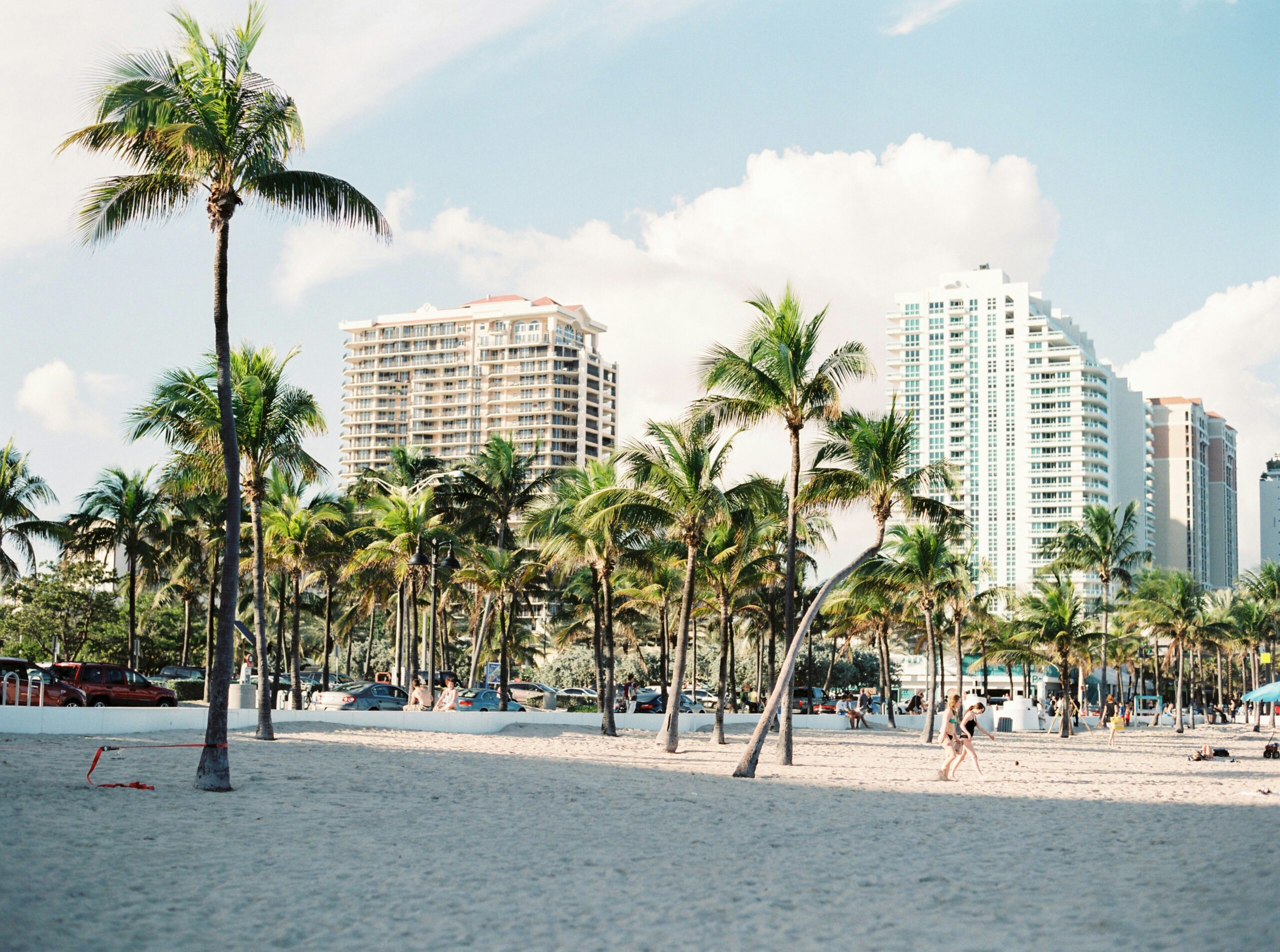
A separate 2024 study published in Health & Place found that greenery visible at eye level was associated with lower momentary stress. In other words, the trees and plants people actually see while moving through a neighborhood may matter more to their immediate experience than the amount of green space measured across a wider area.
These findings raise an interesting question: If our surroundings influence how we feel, why do we so often judge cities by how impressive they look rather than how comfortable they are to live in?
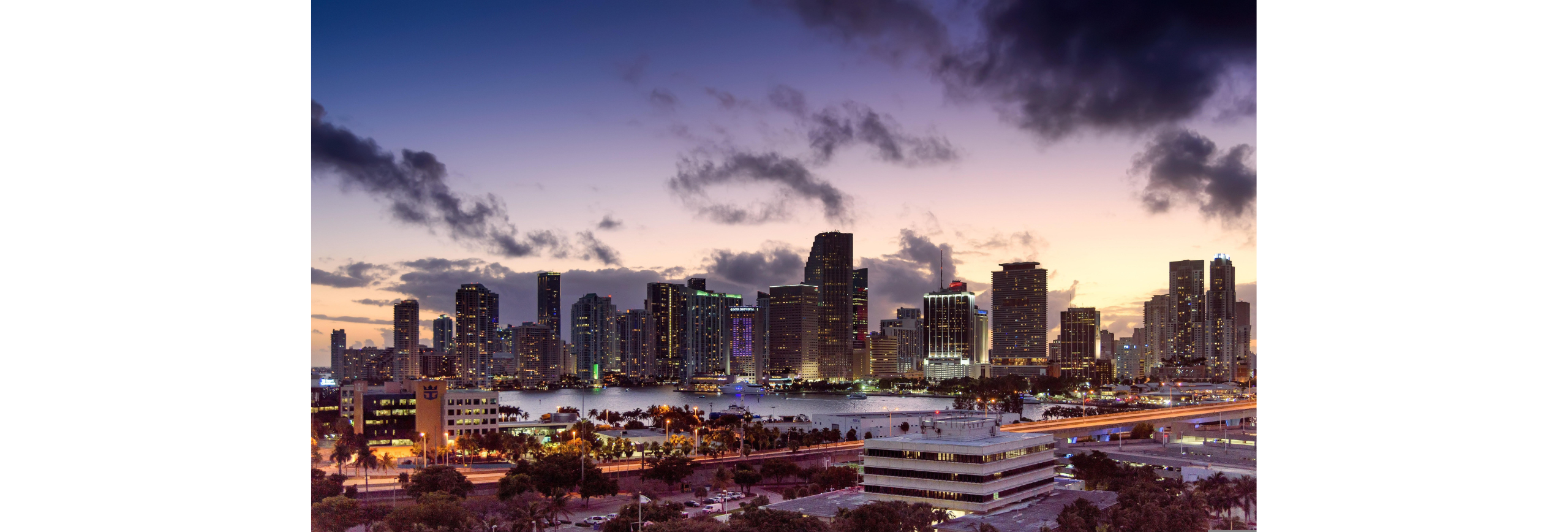
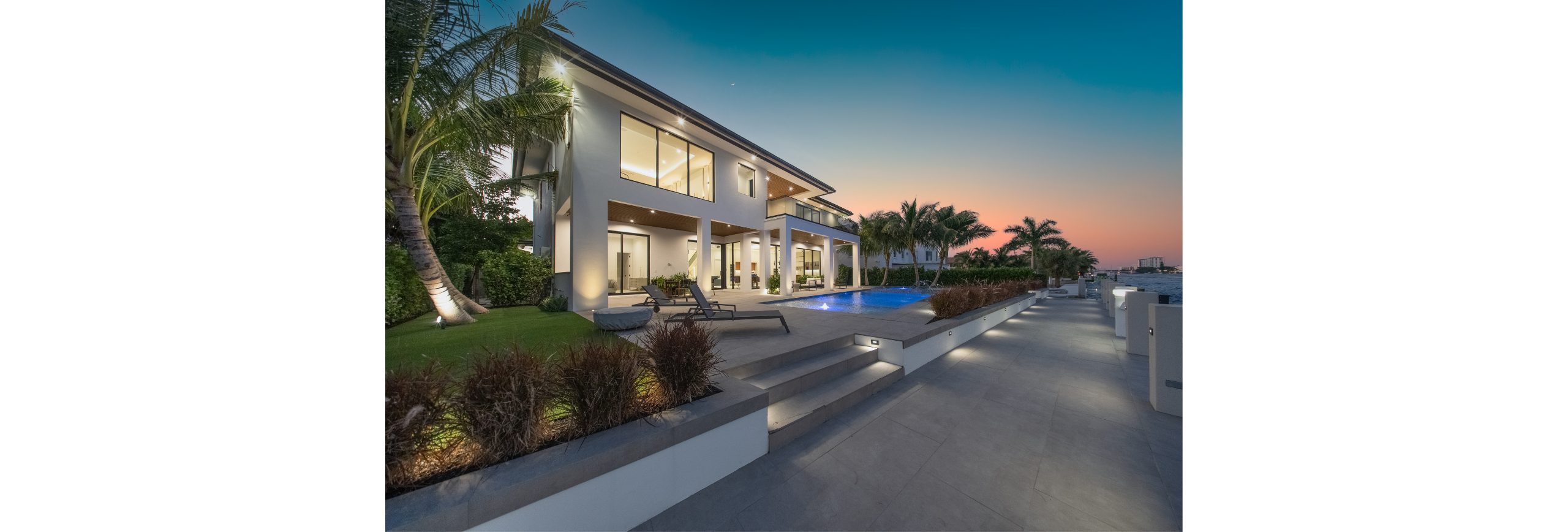
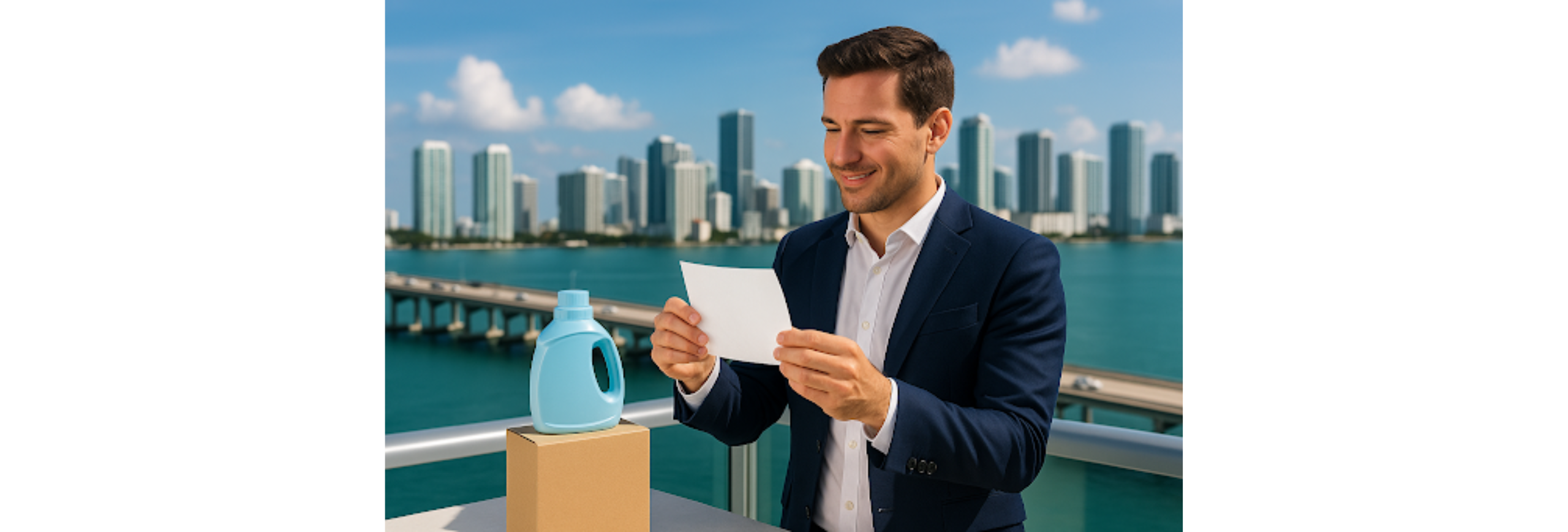
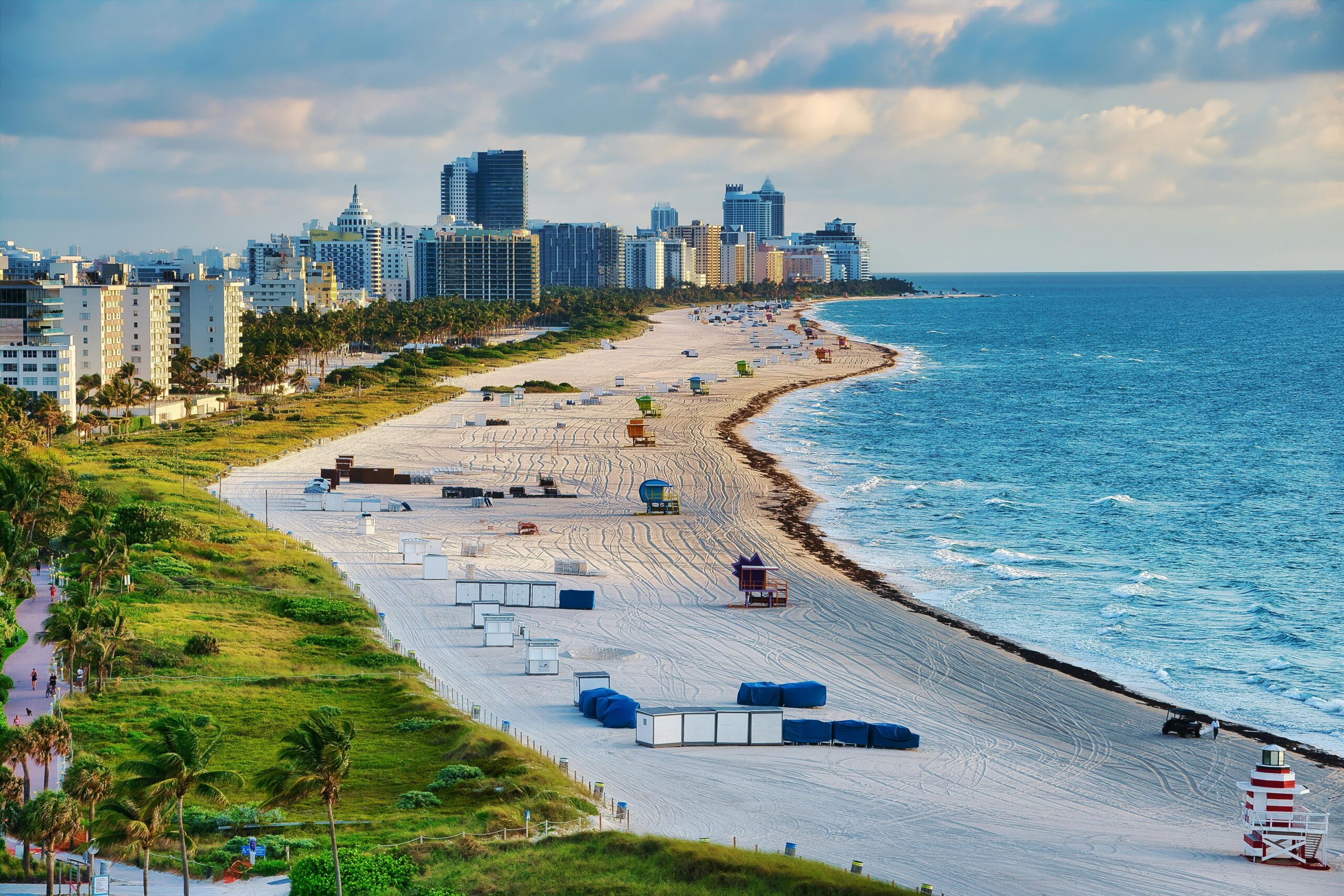
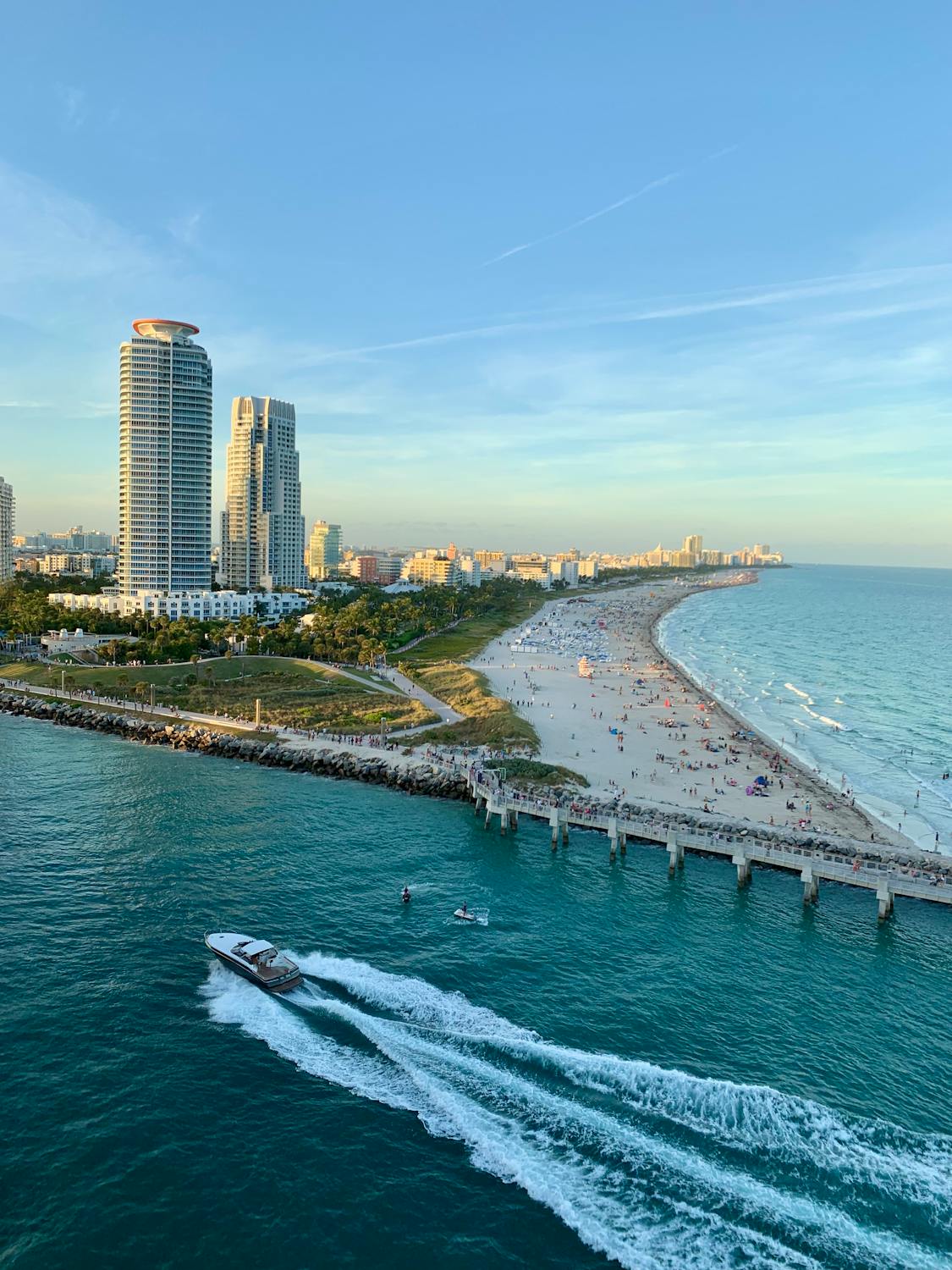
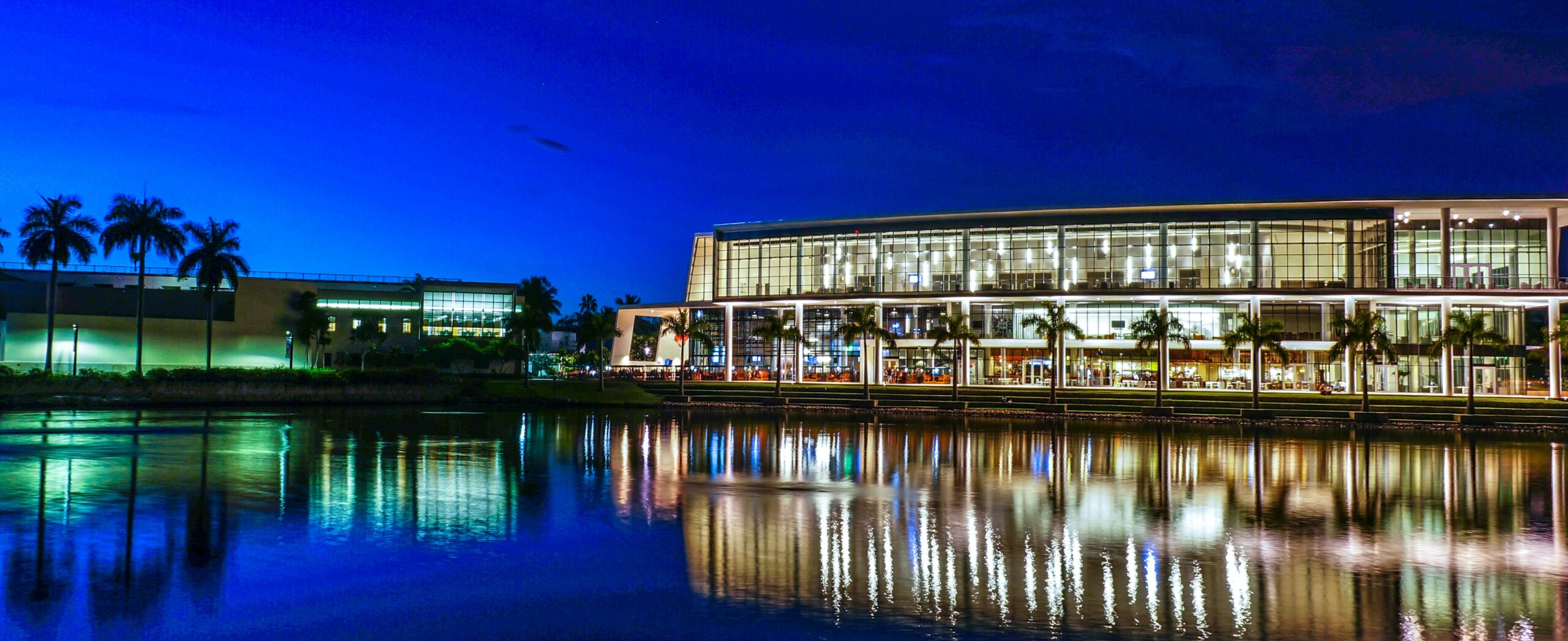
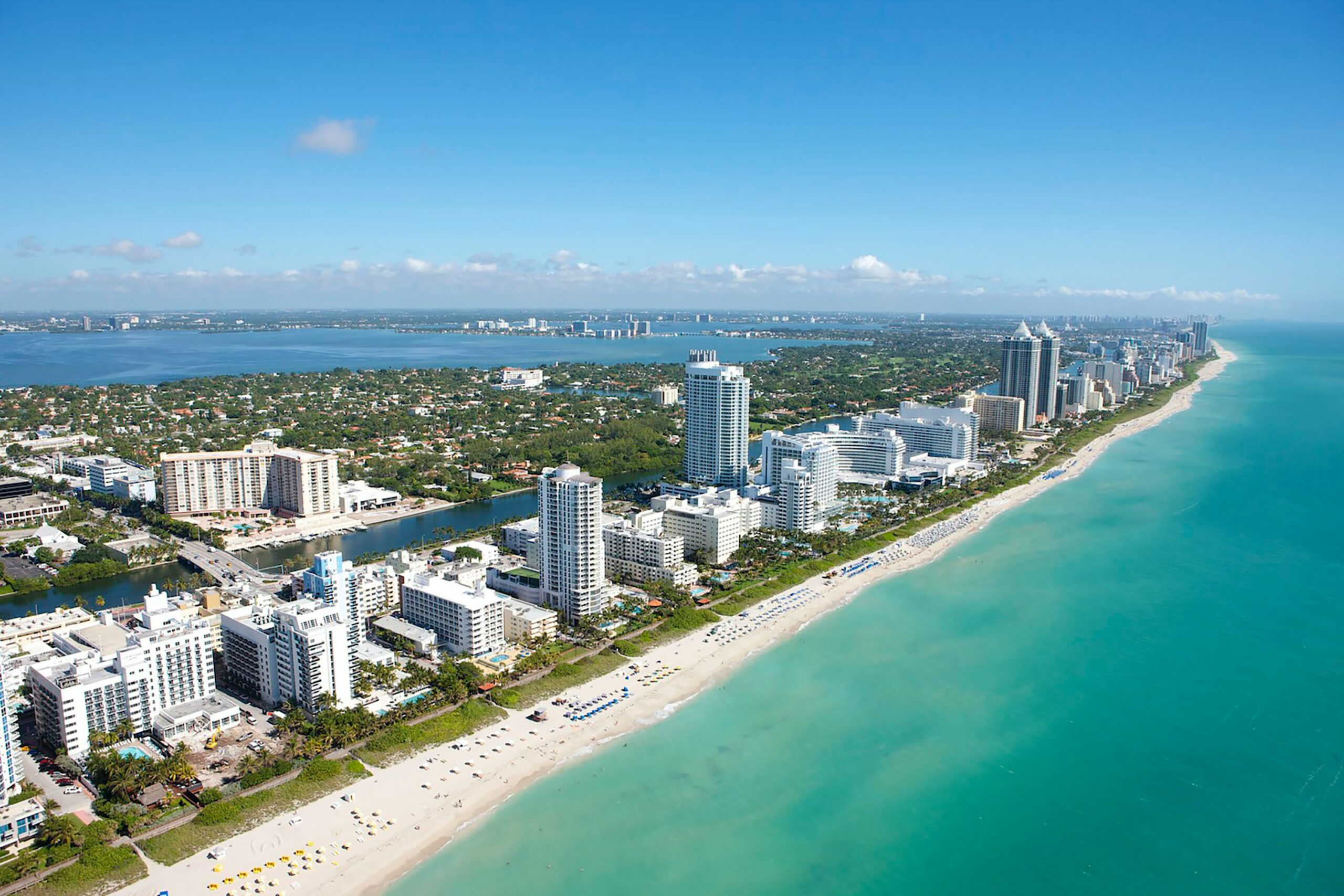
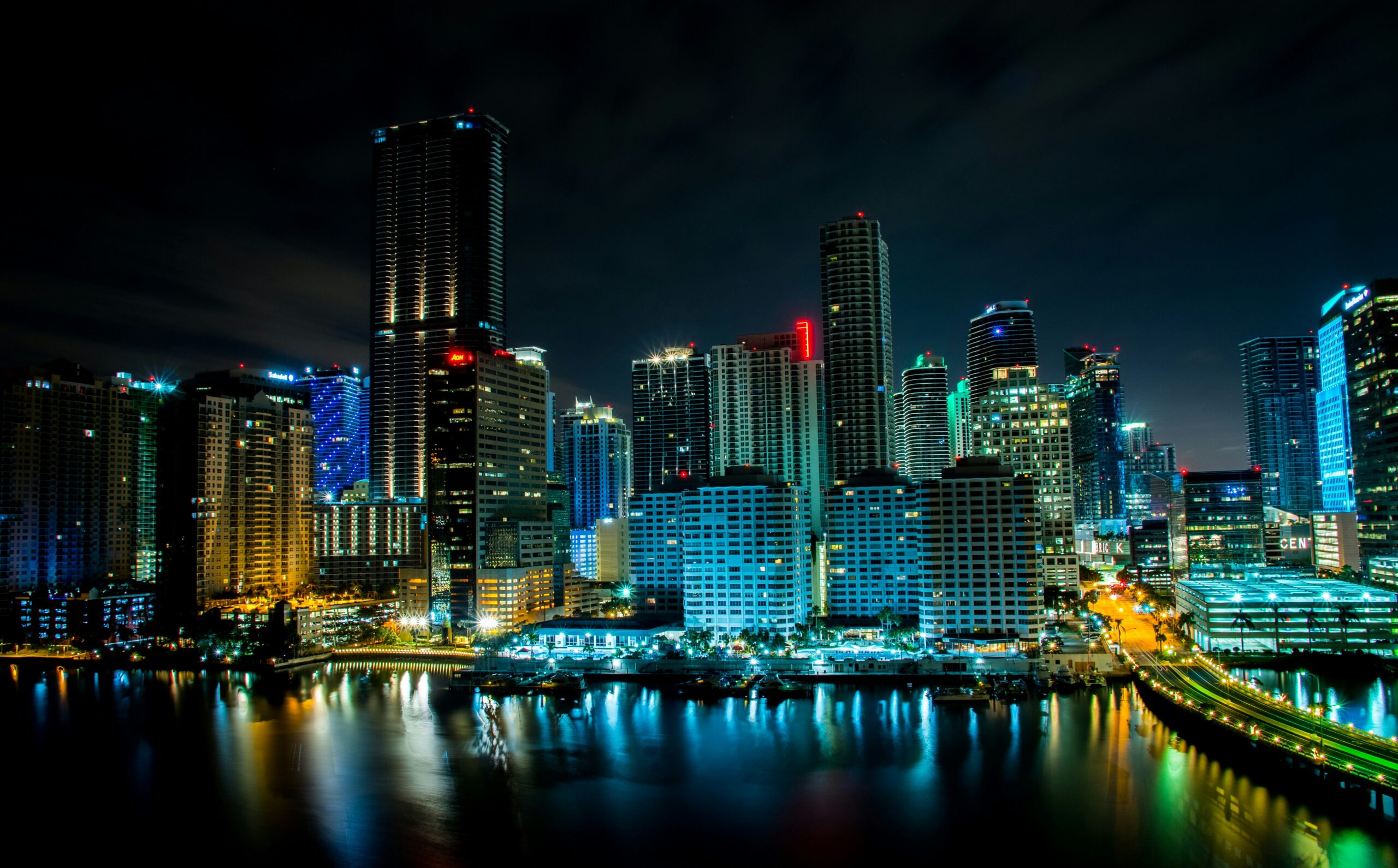
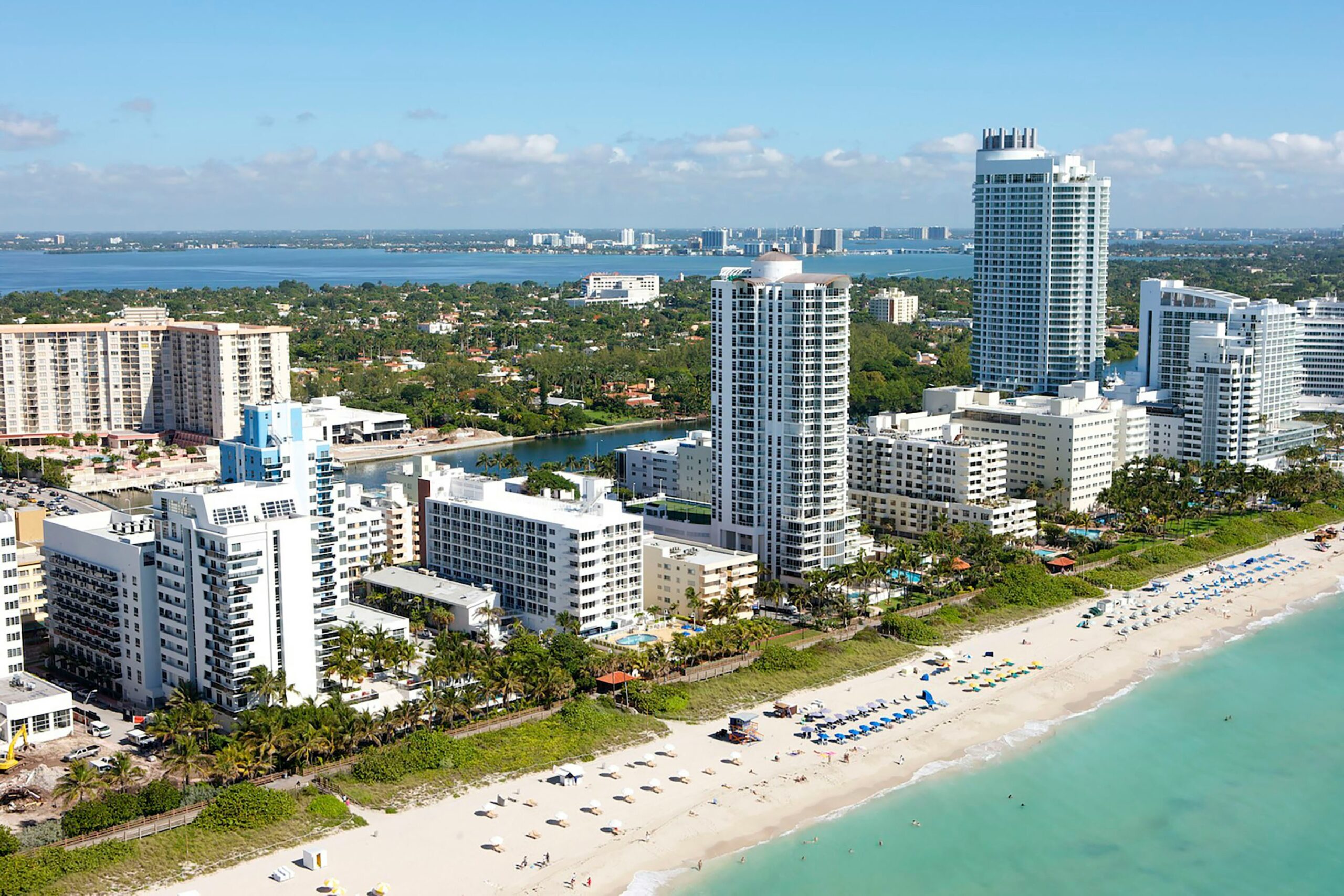
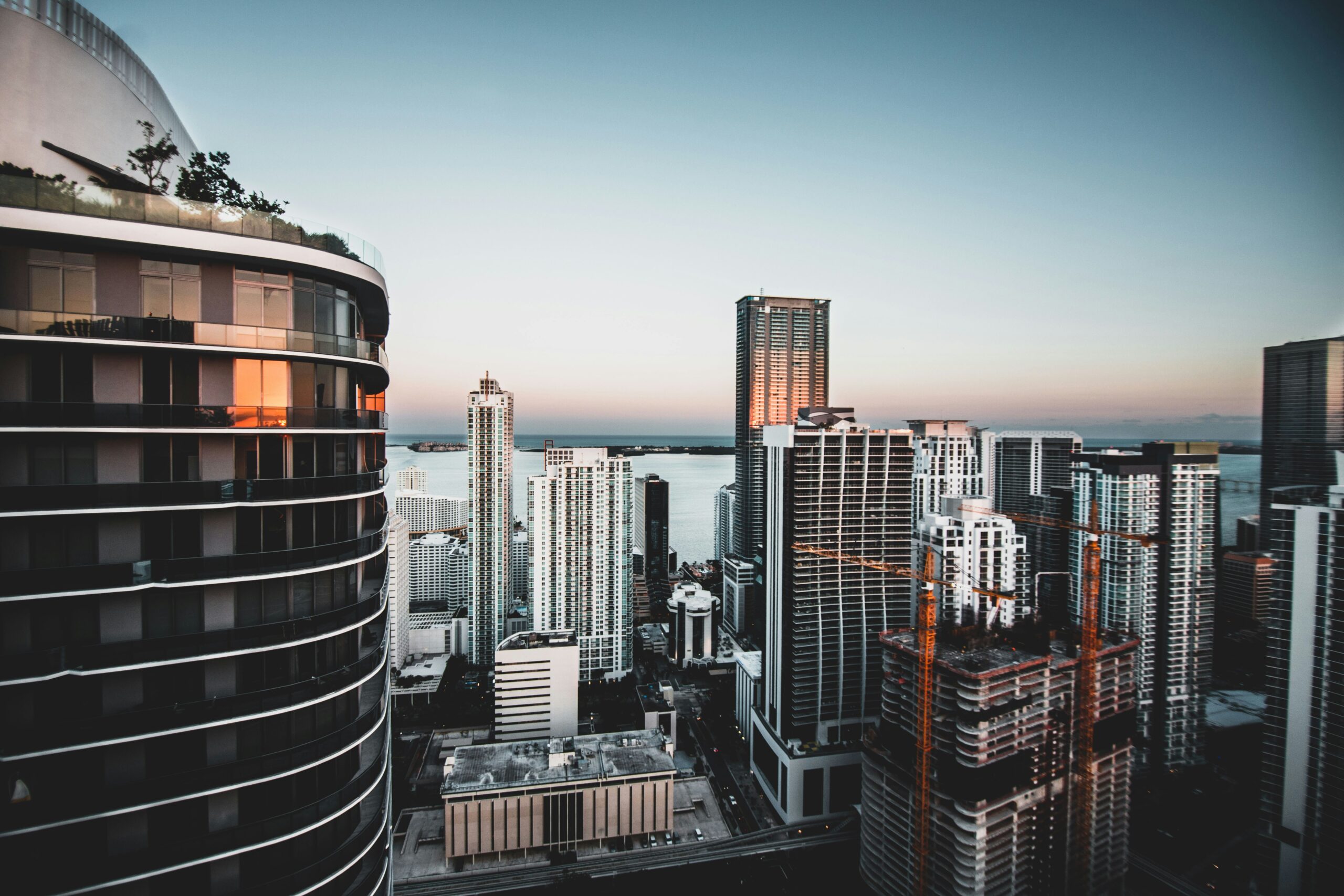
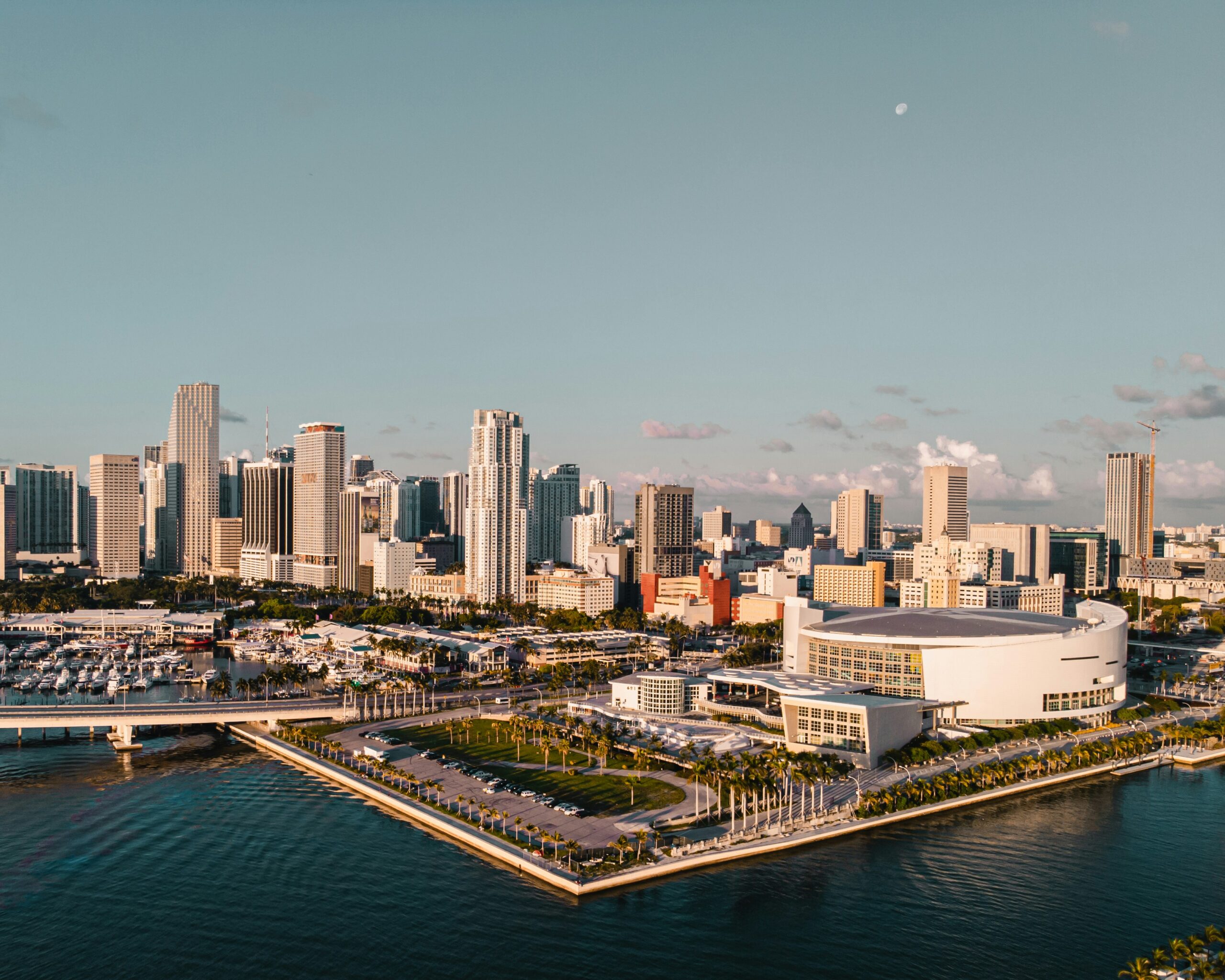
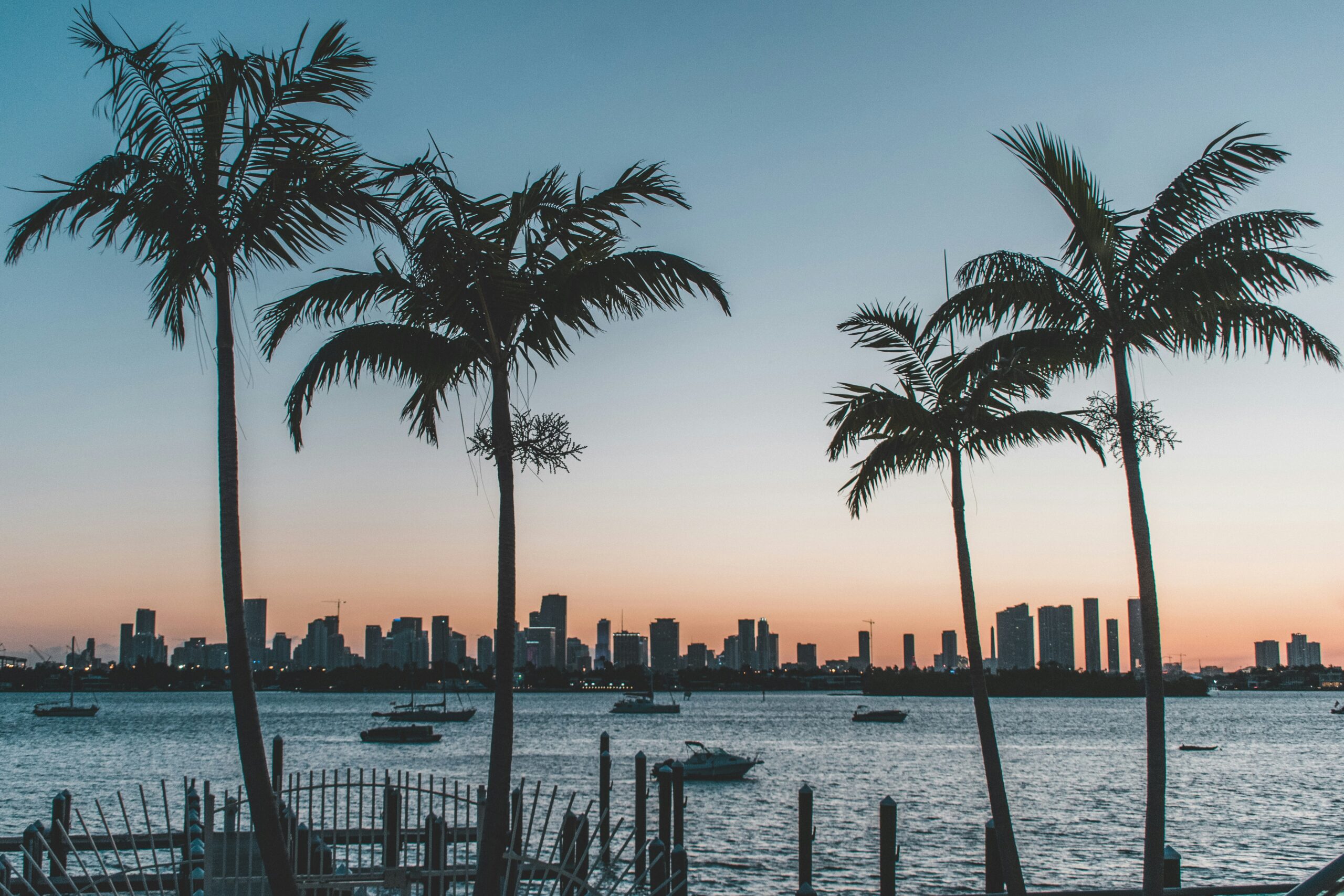
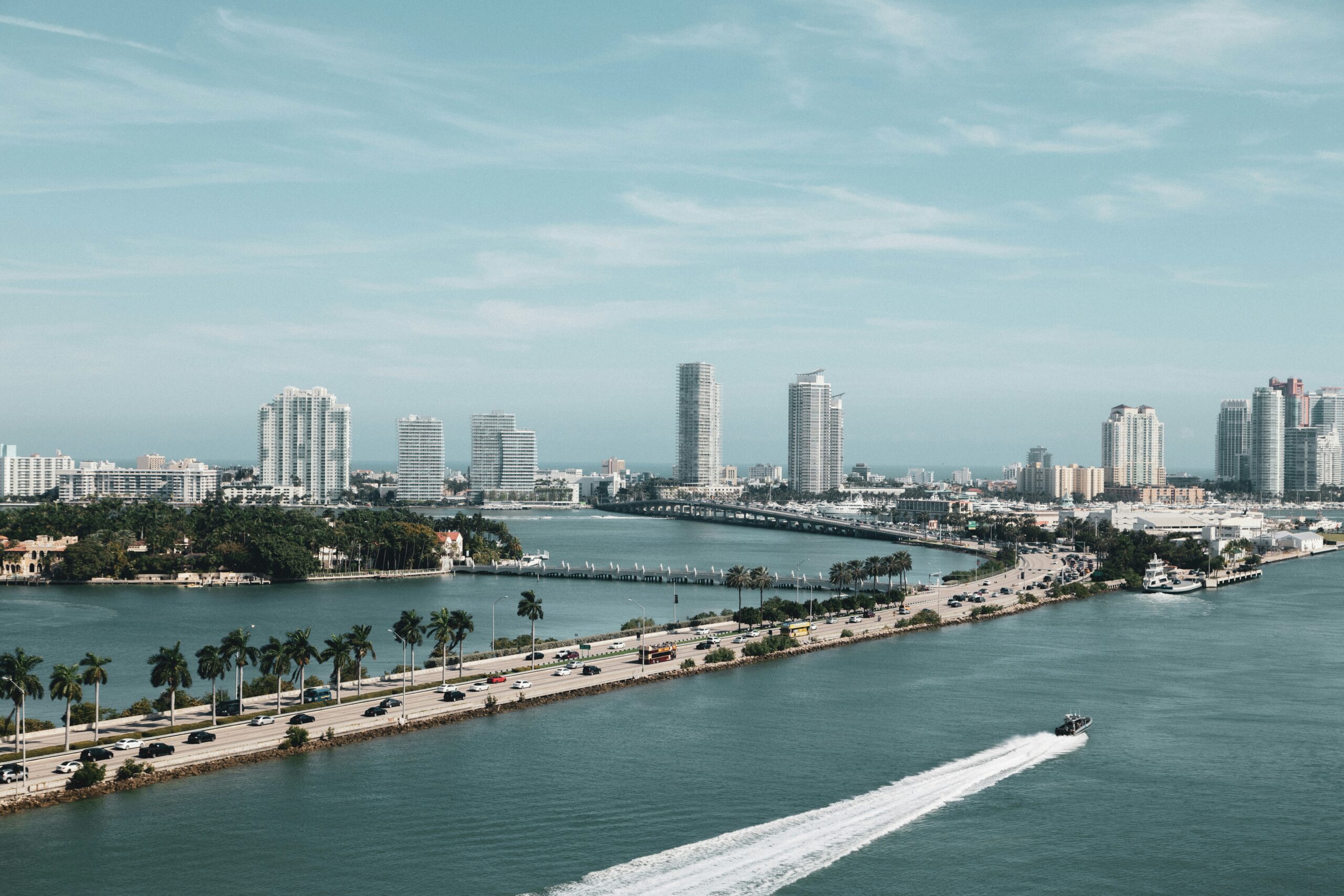
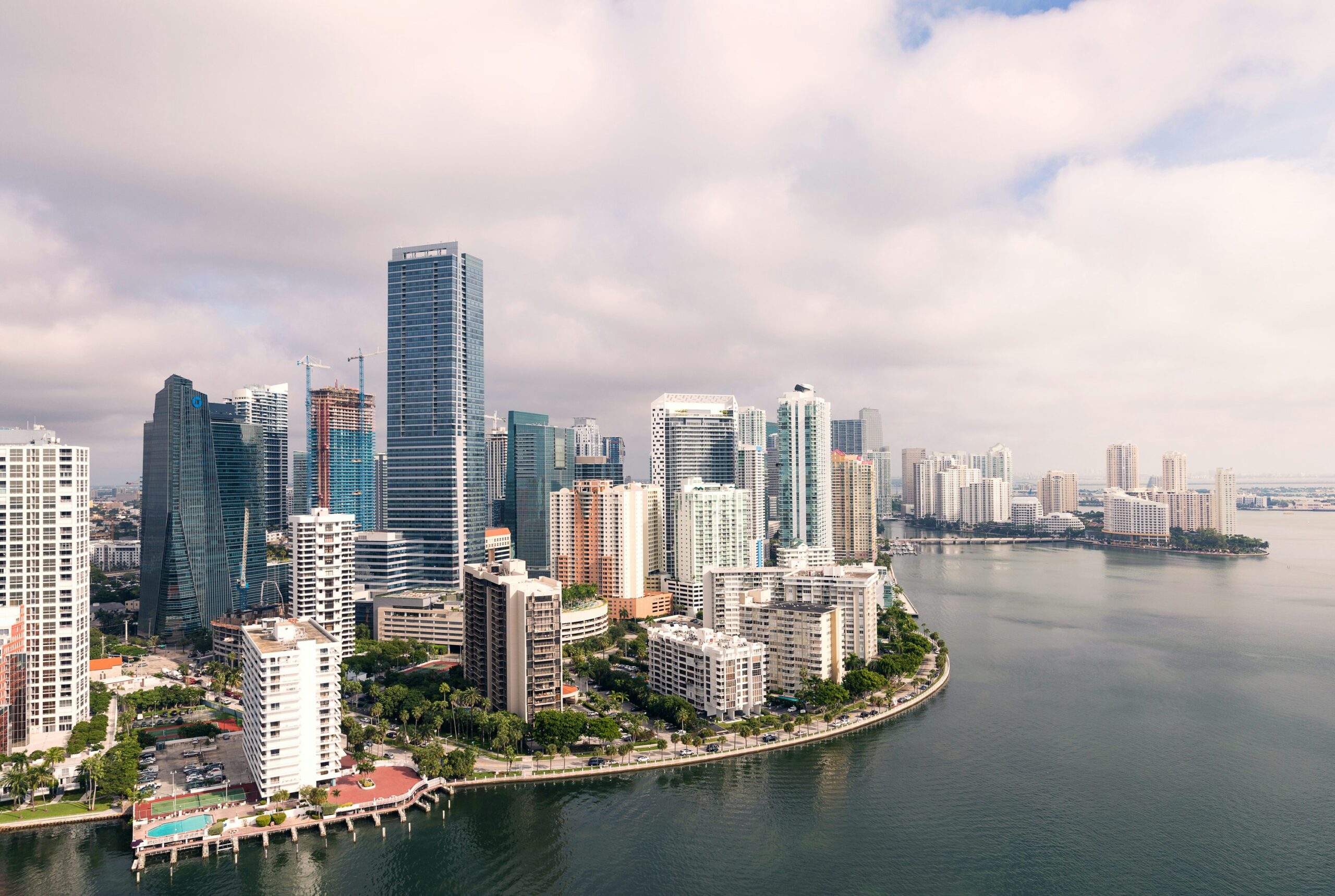
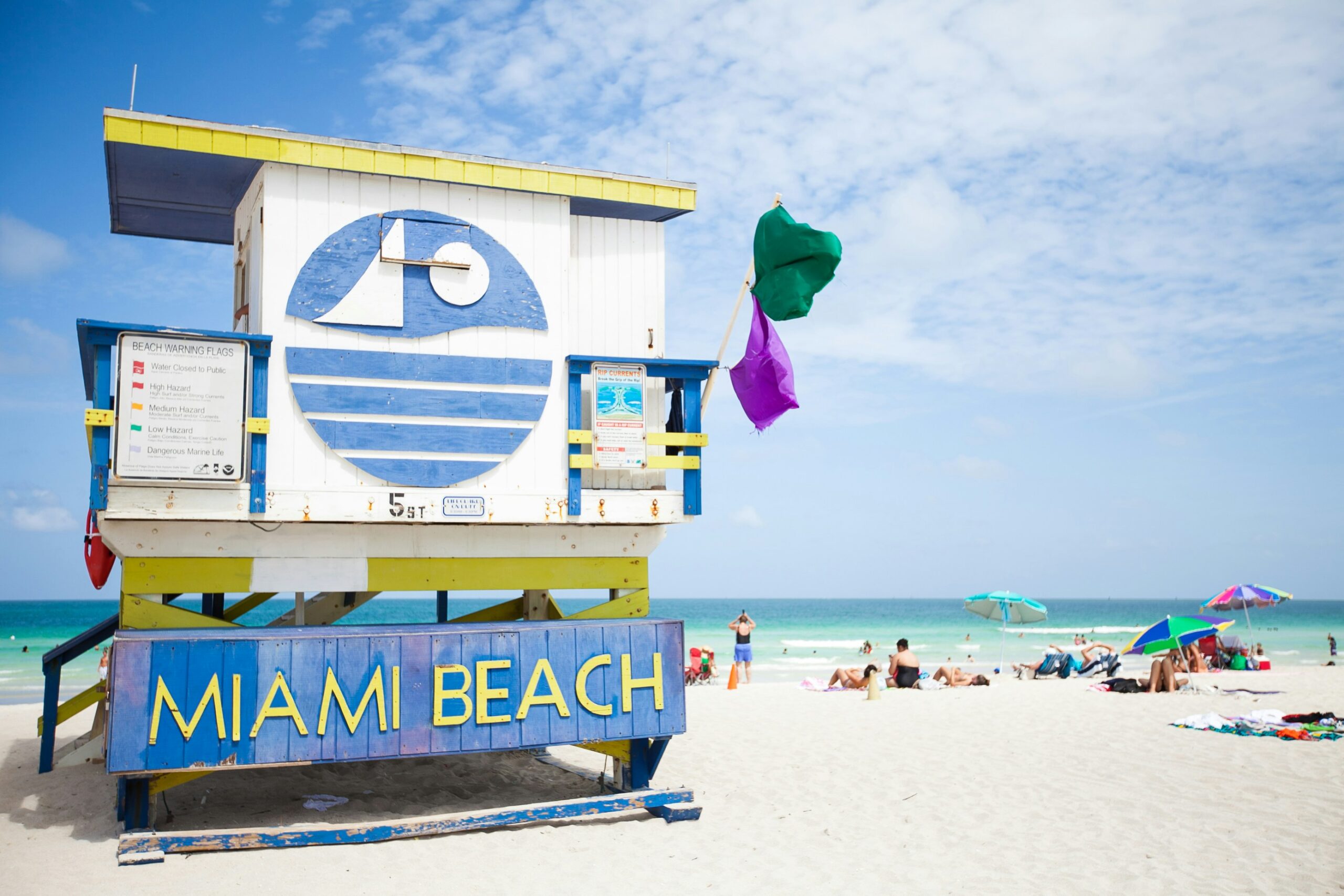
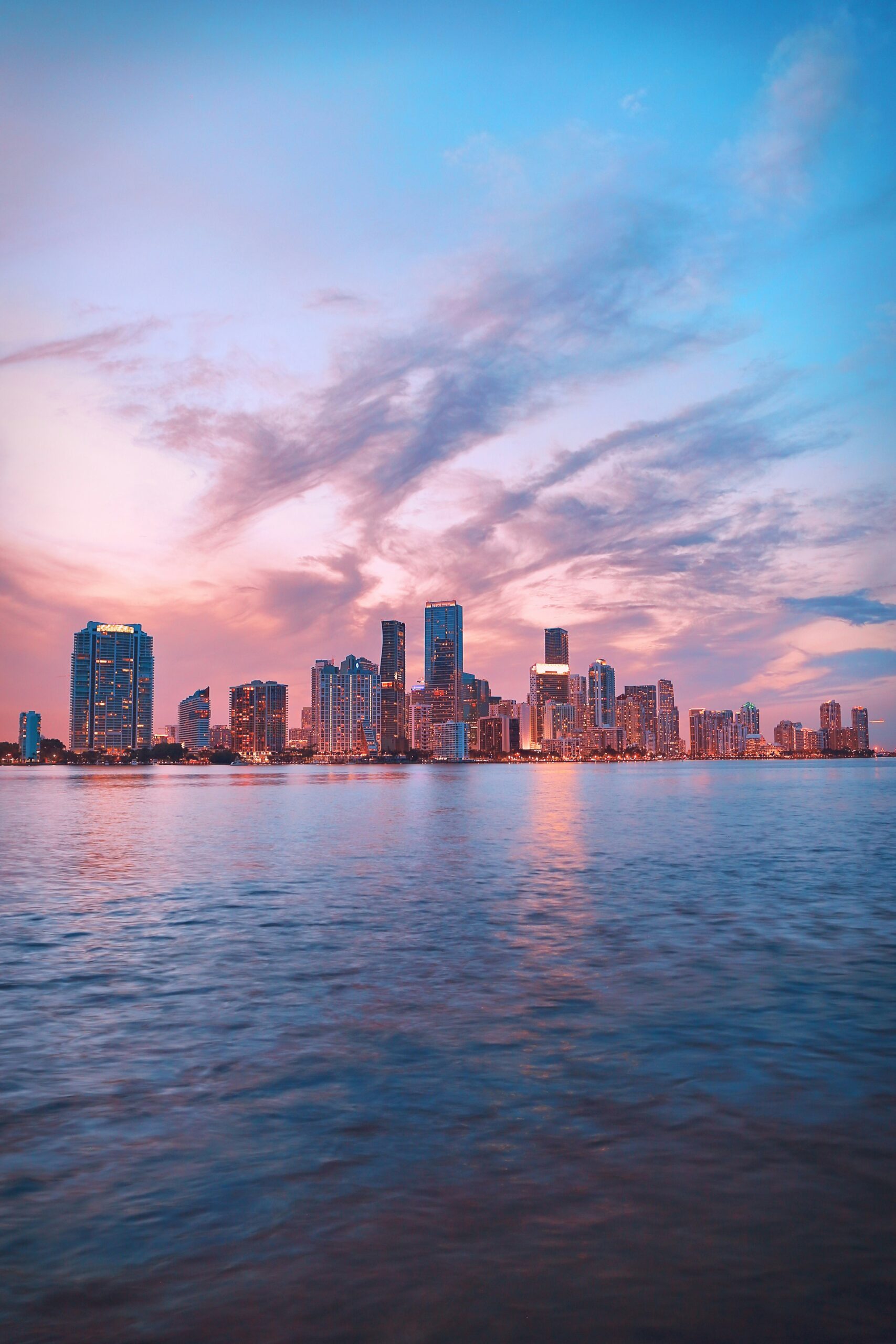
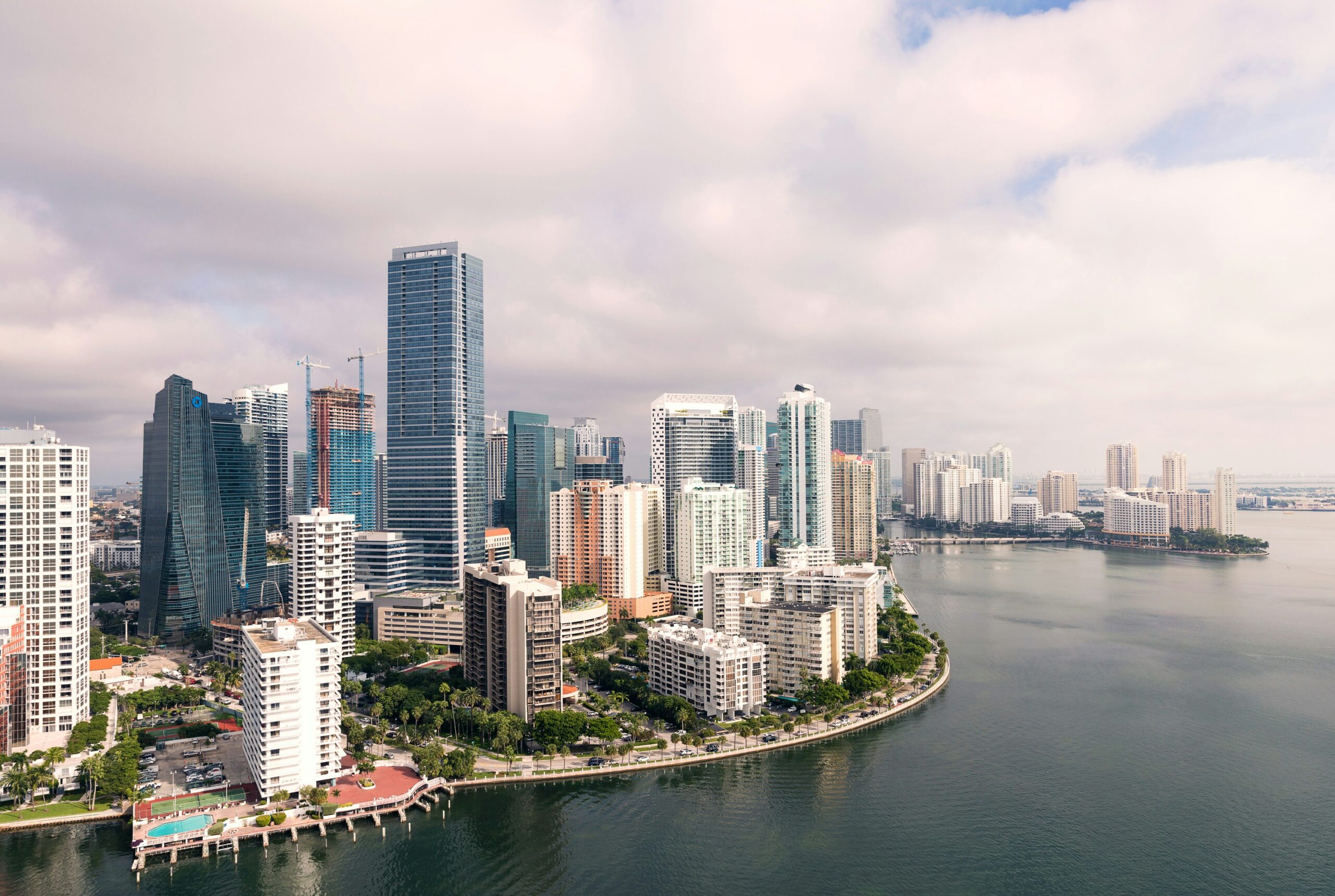
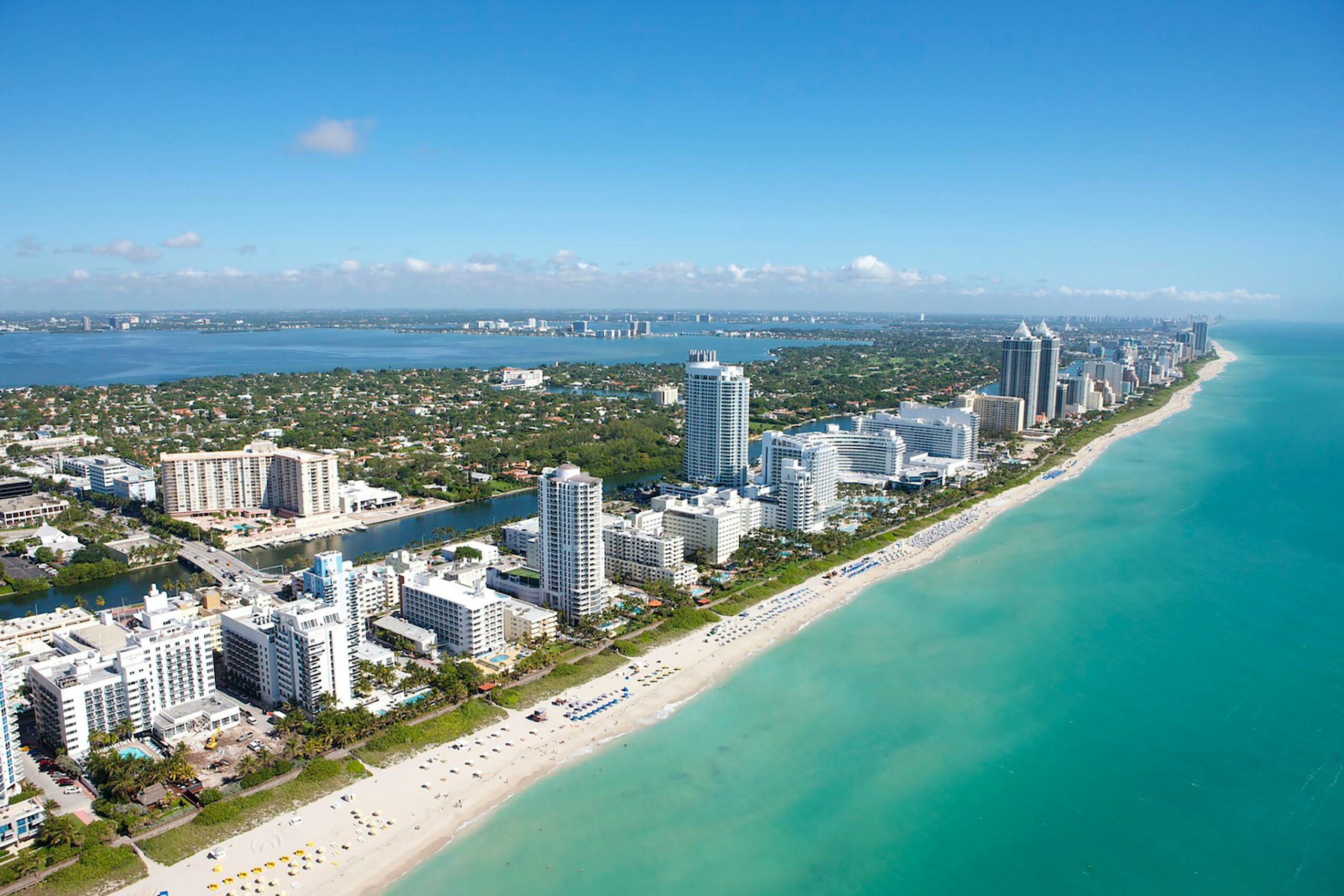
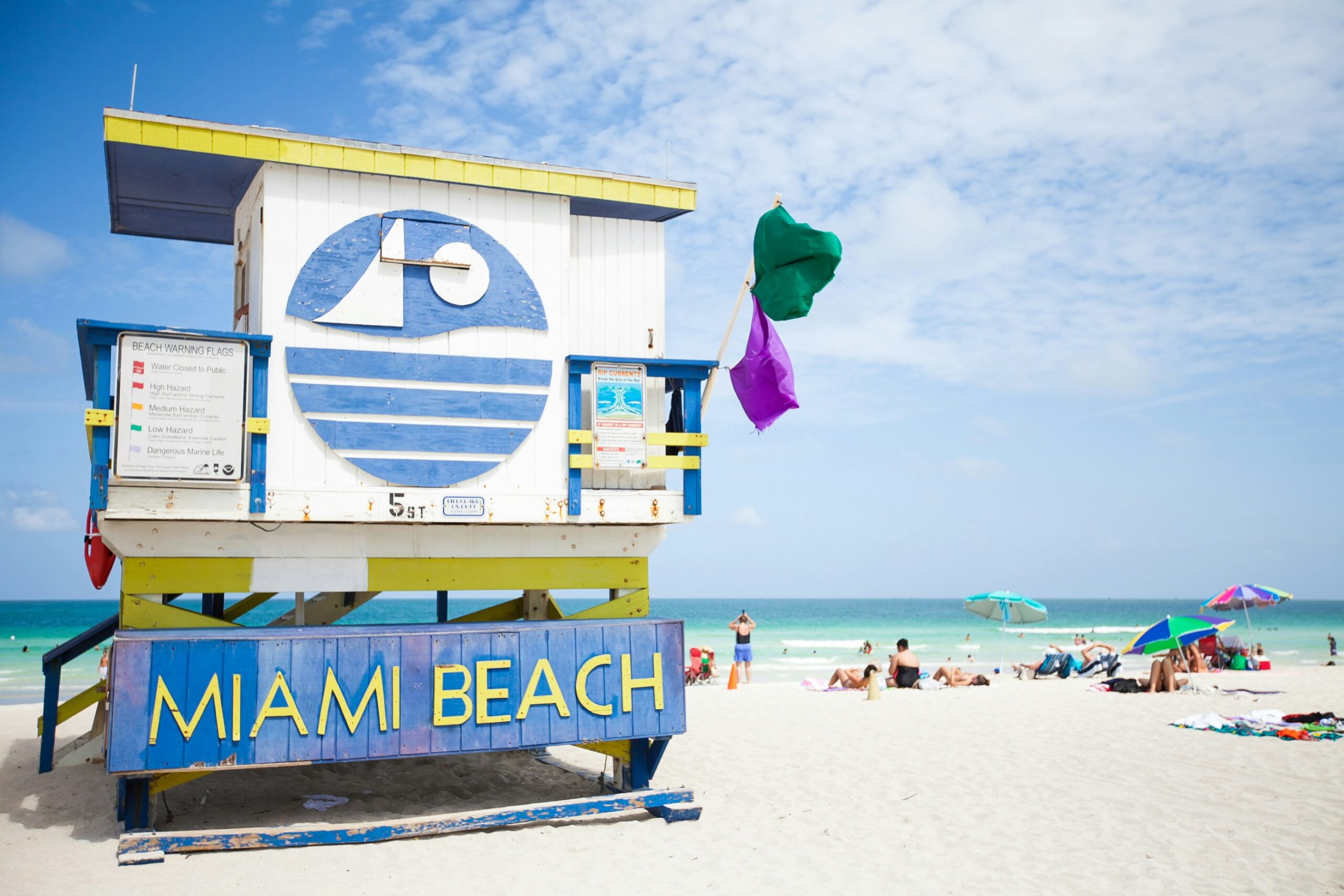
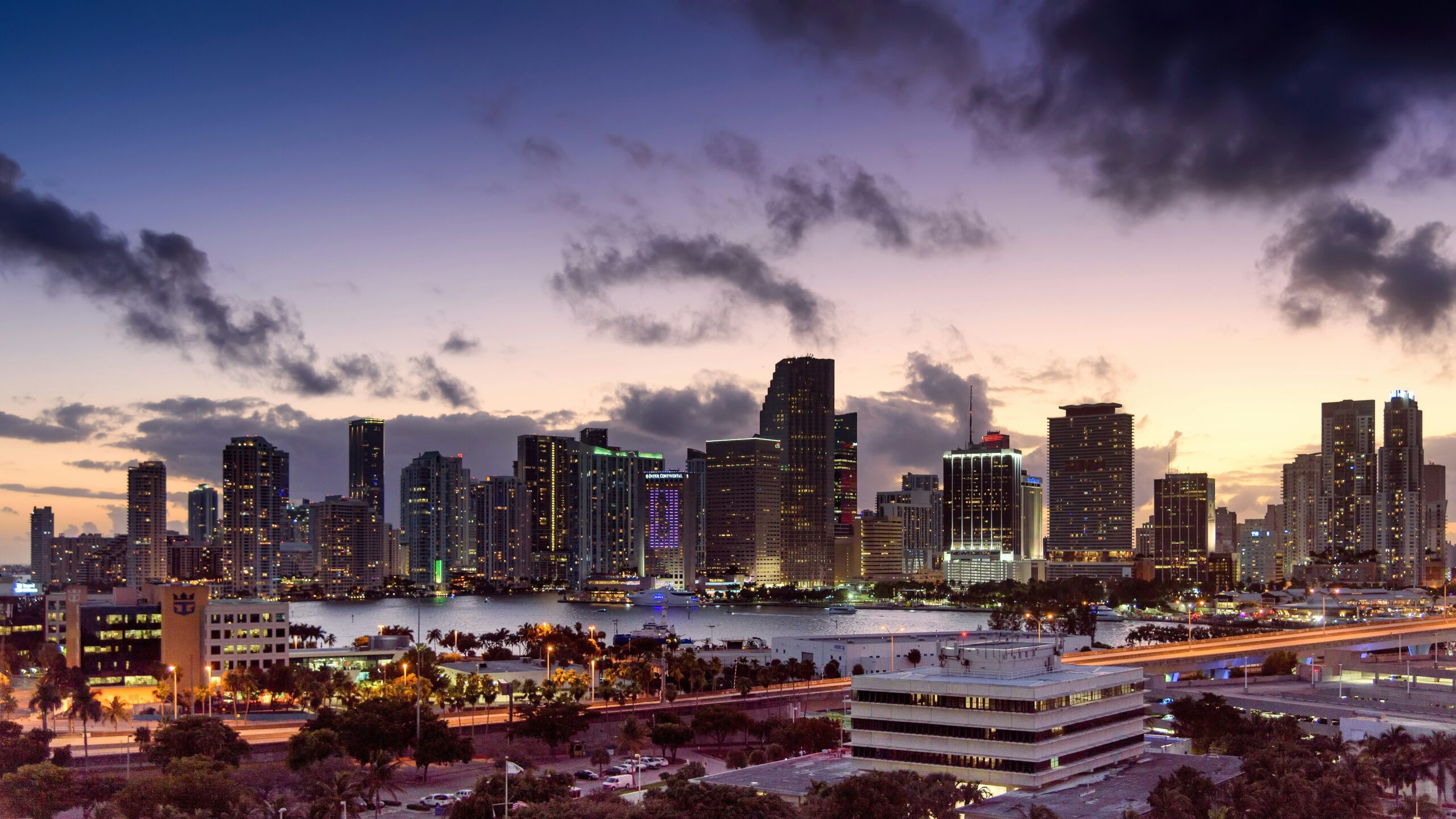
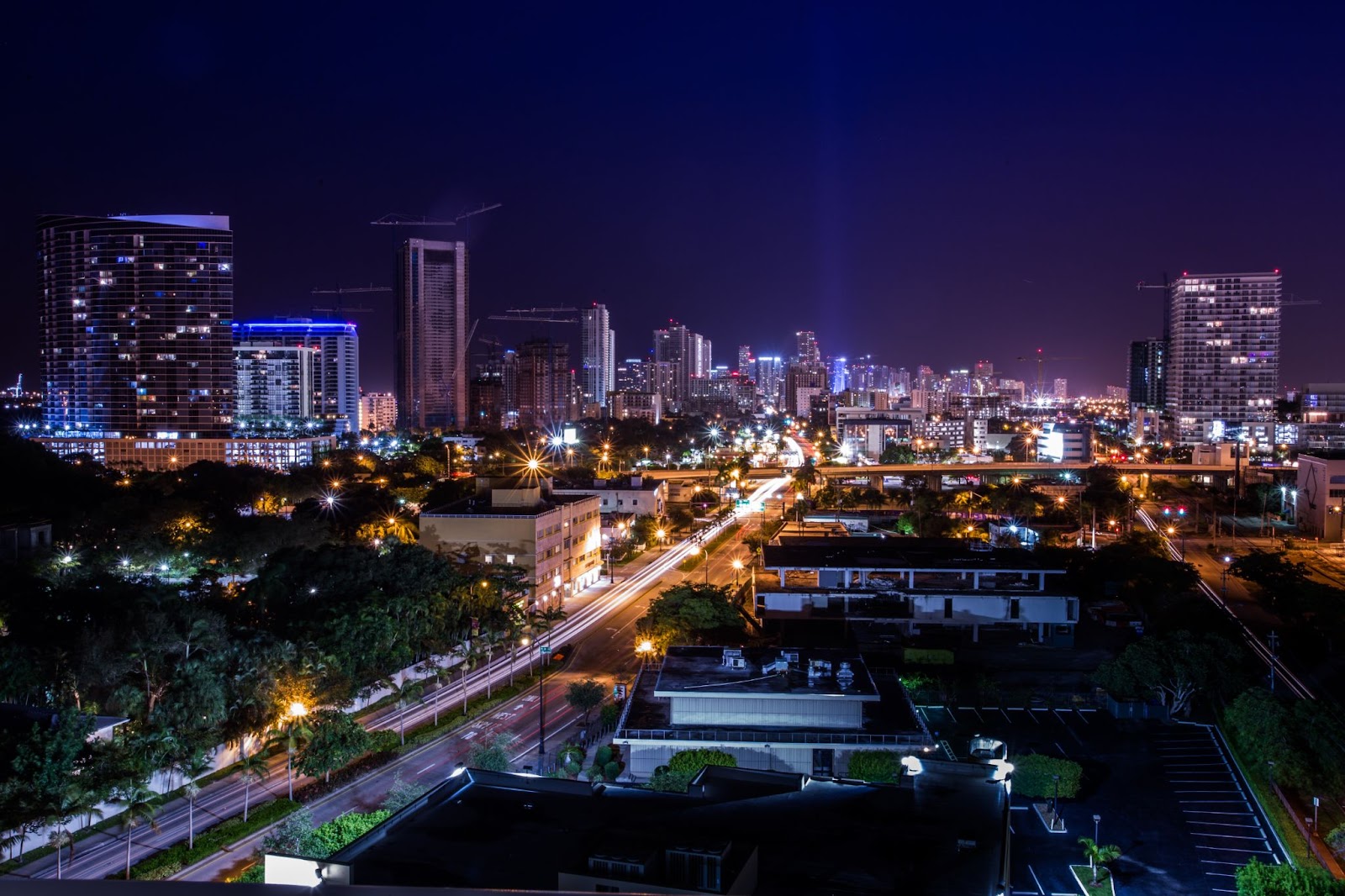
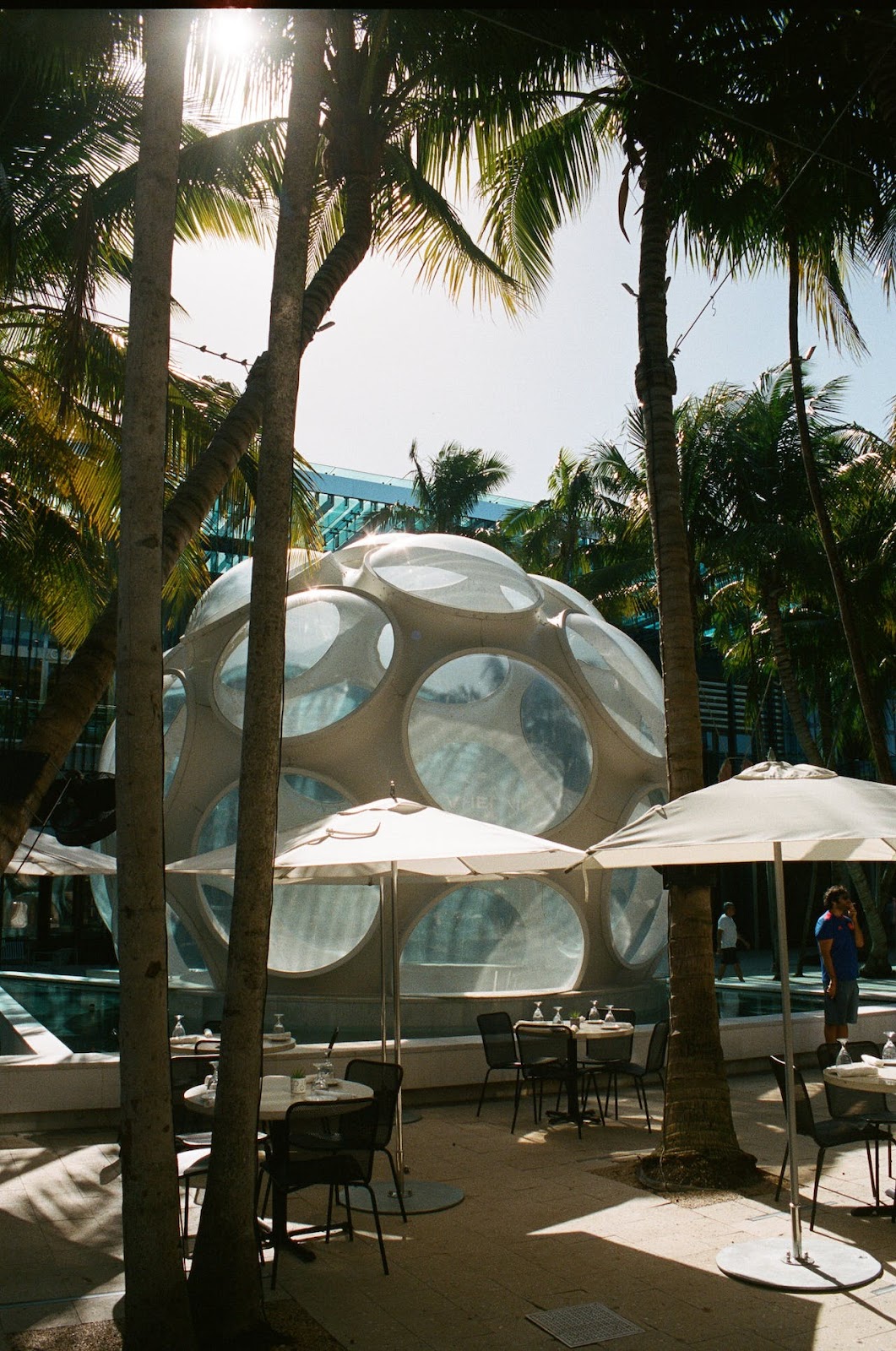
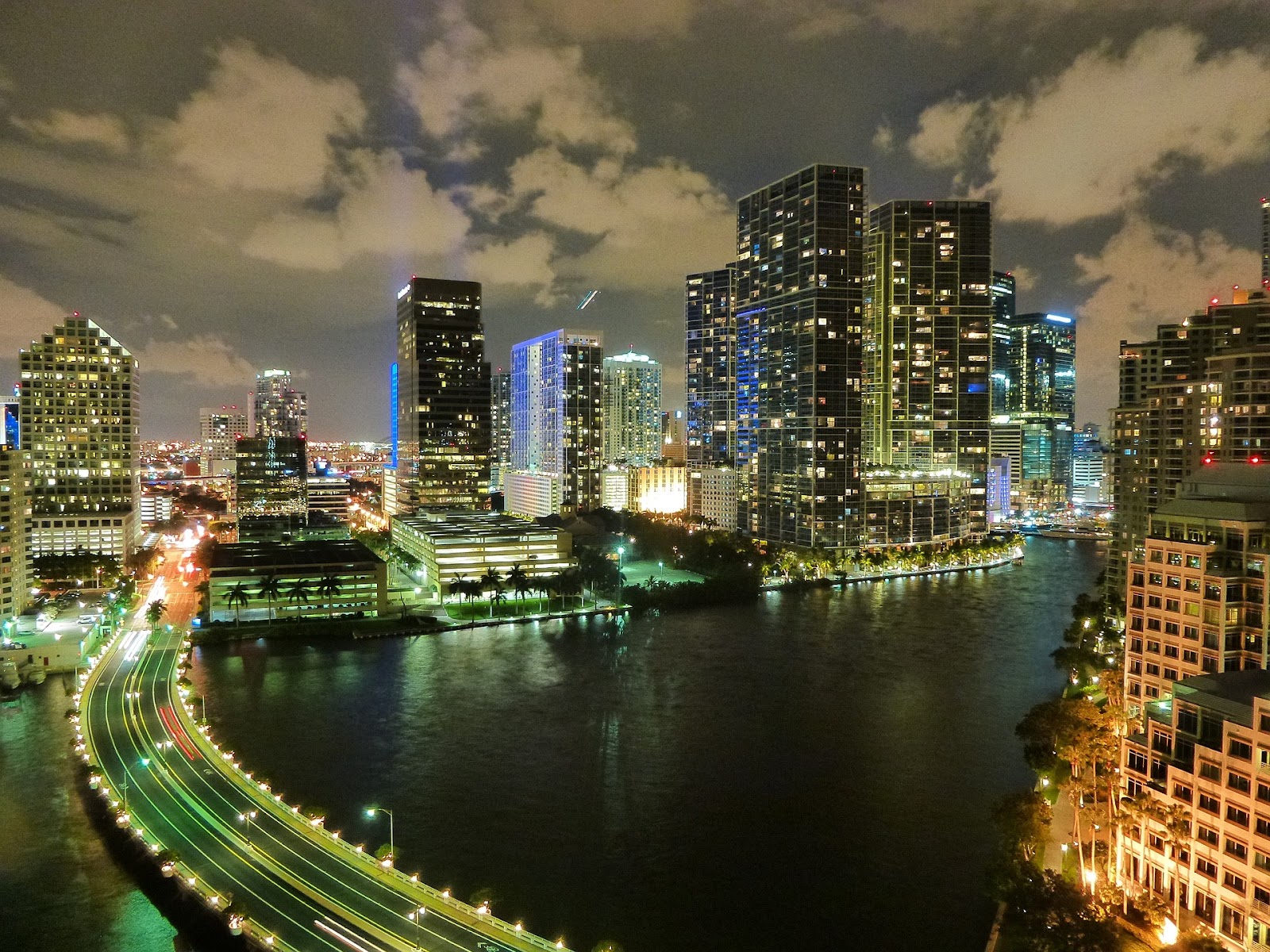
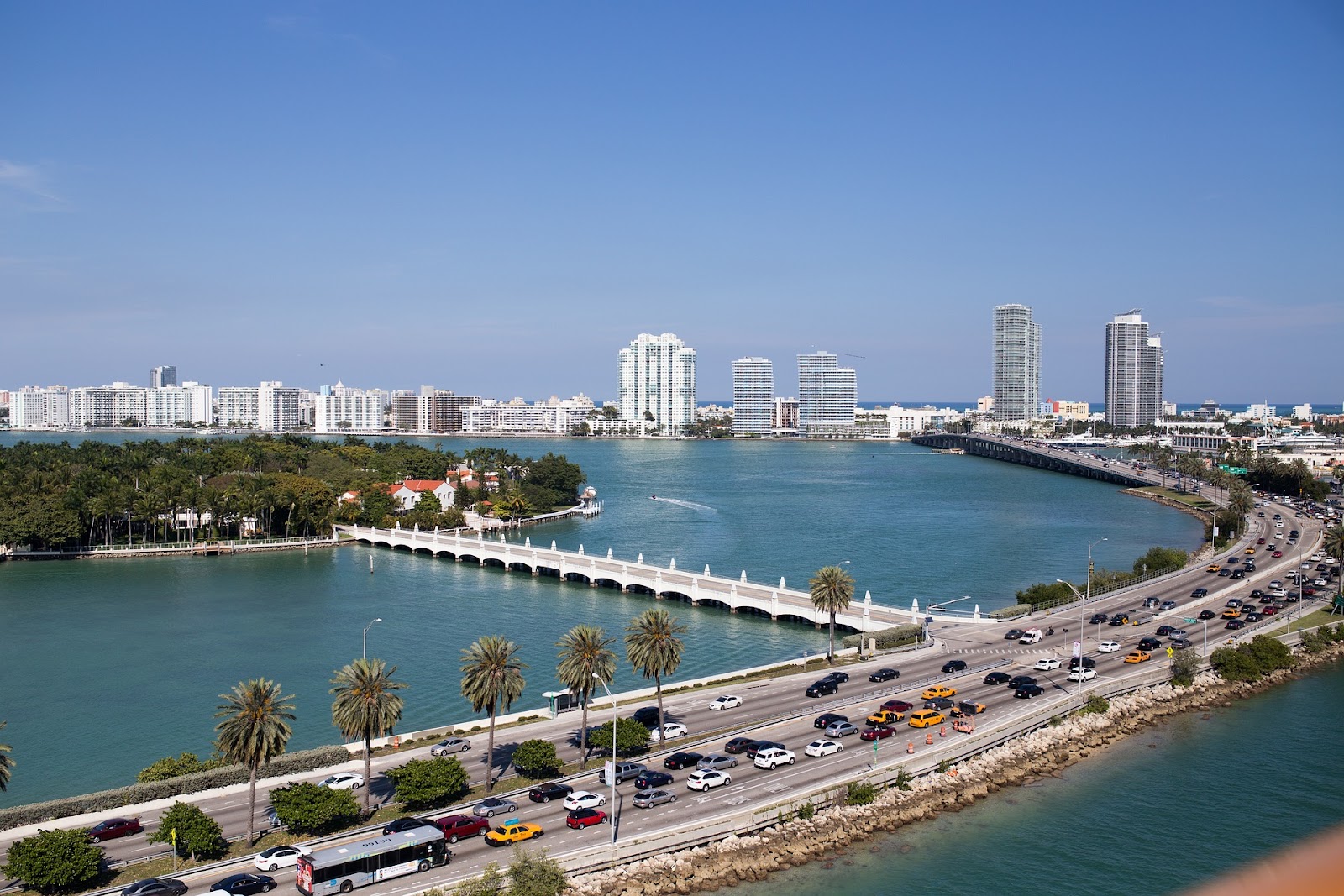
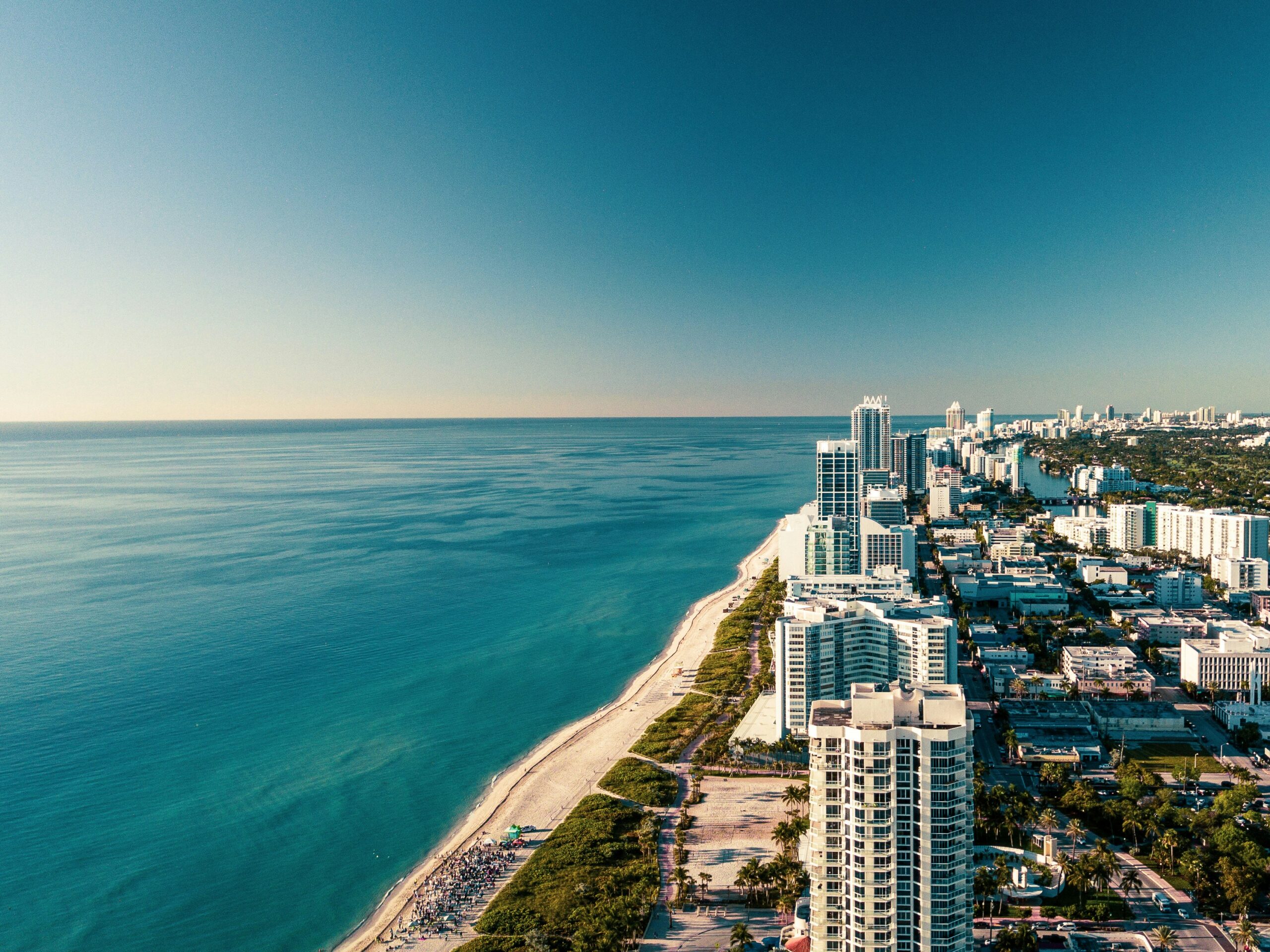
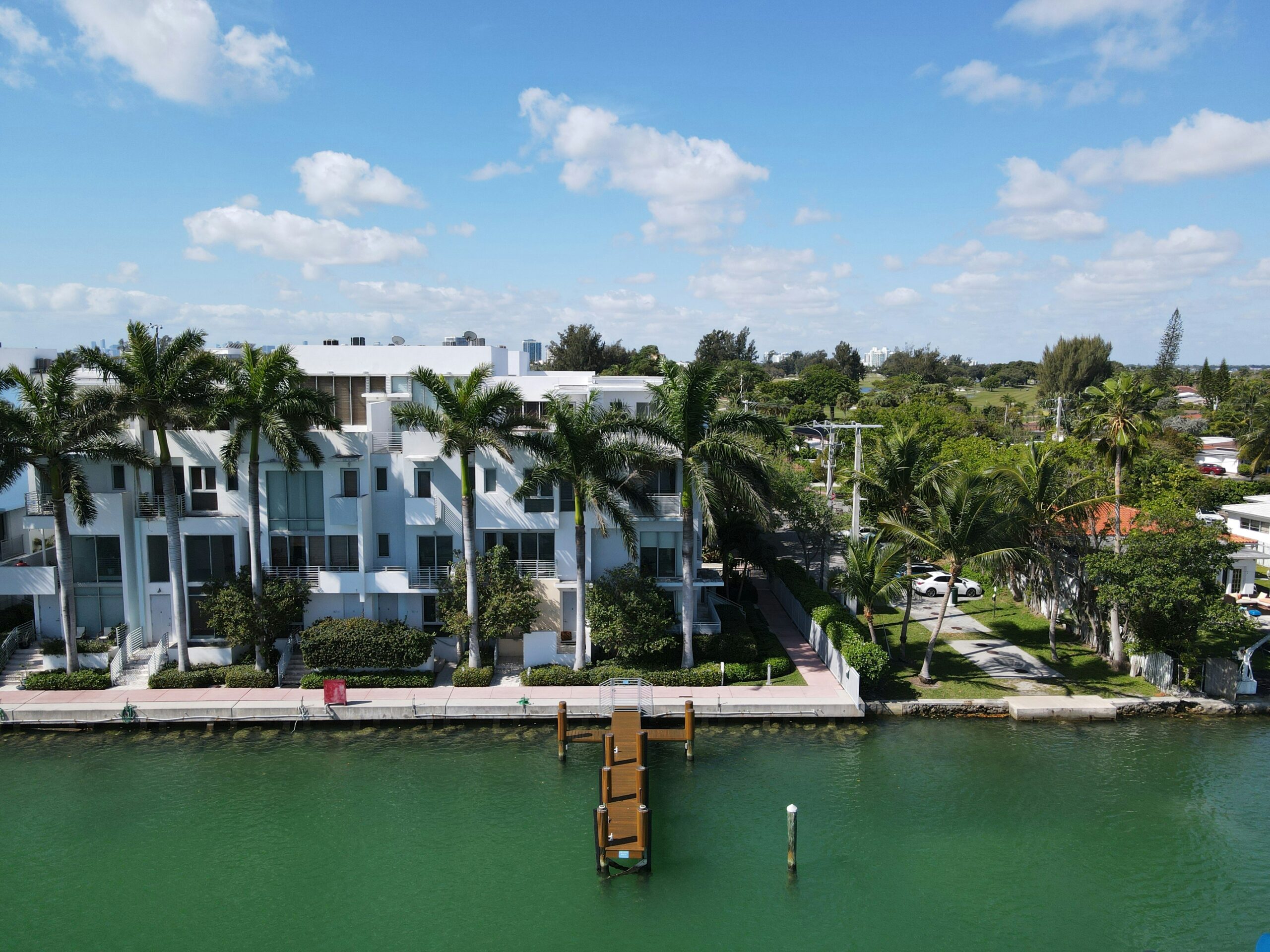
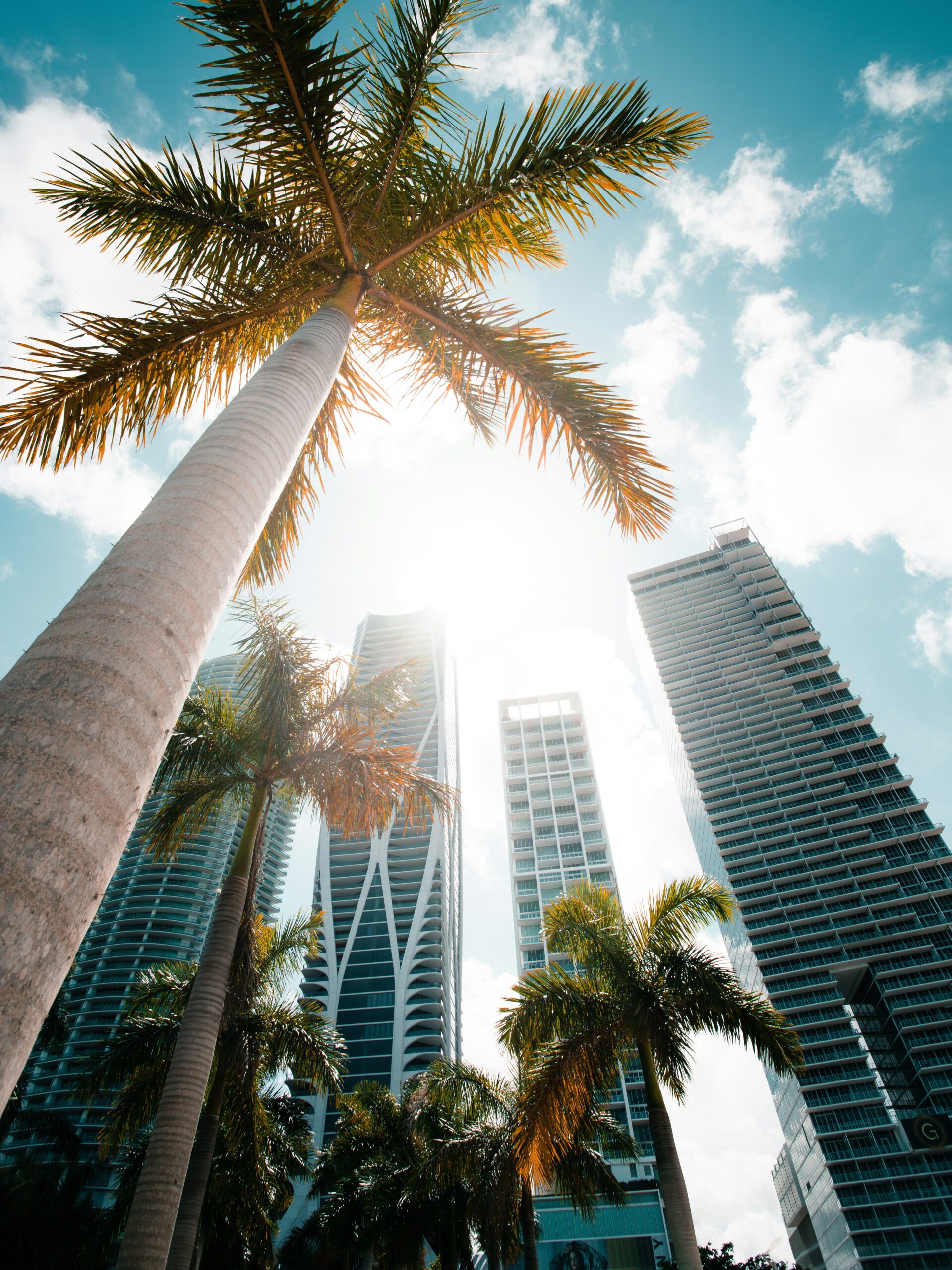
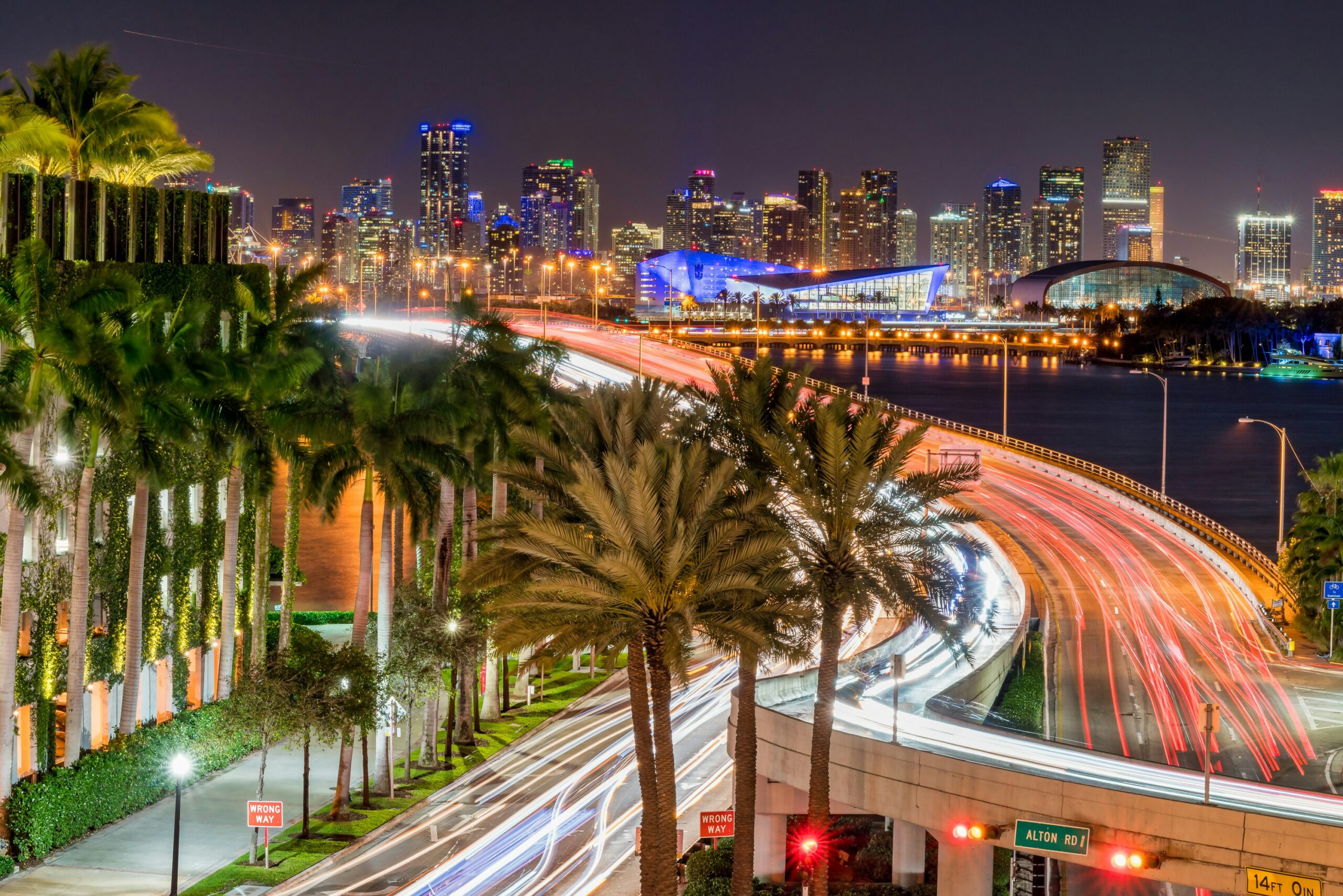
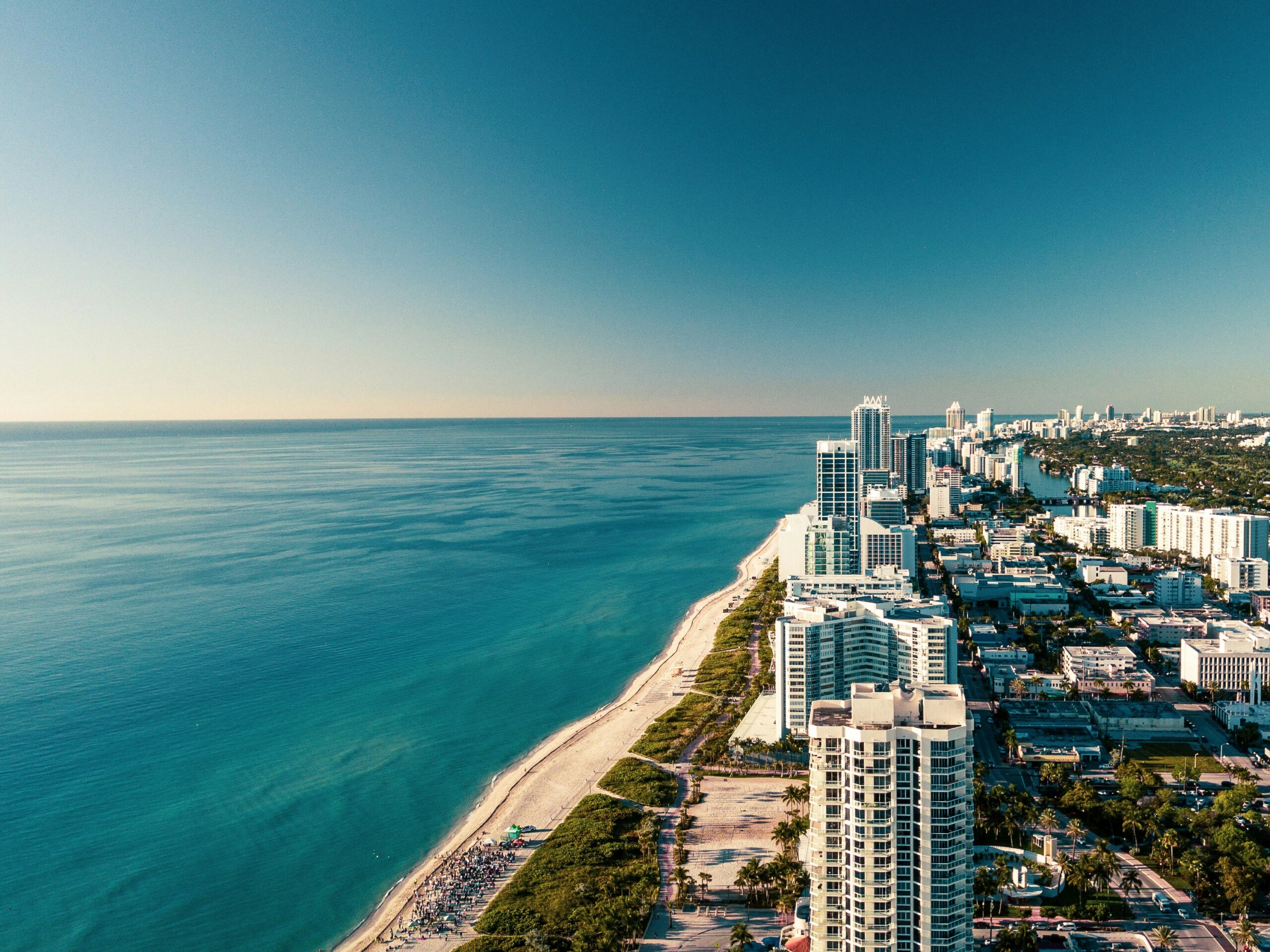
Miami offers a particularly interesting setting for this conversation. The city is known for its waterfront views, distinctive architecture, cultural neighborhoods, and constant development. Yet beneath the impressive buildings and busy streets are very different experiences of urban life.
A walk through parts of Coconut Grove, with its mature trees and neighborhood cafés, can feel noticeably different from navigating a busy commercial corridor dominated by traffic. Little Havana offers another kind of experience, where local businesses, music, and street activity contribute to a recognizable sense of place.
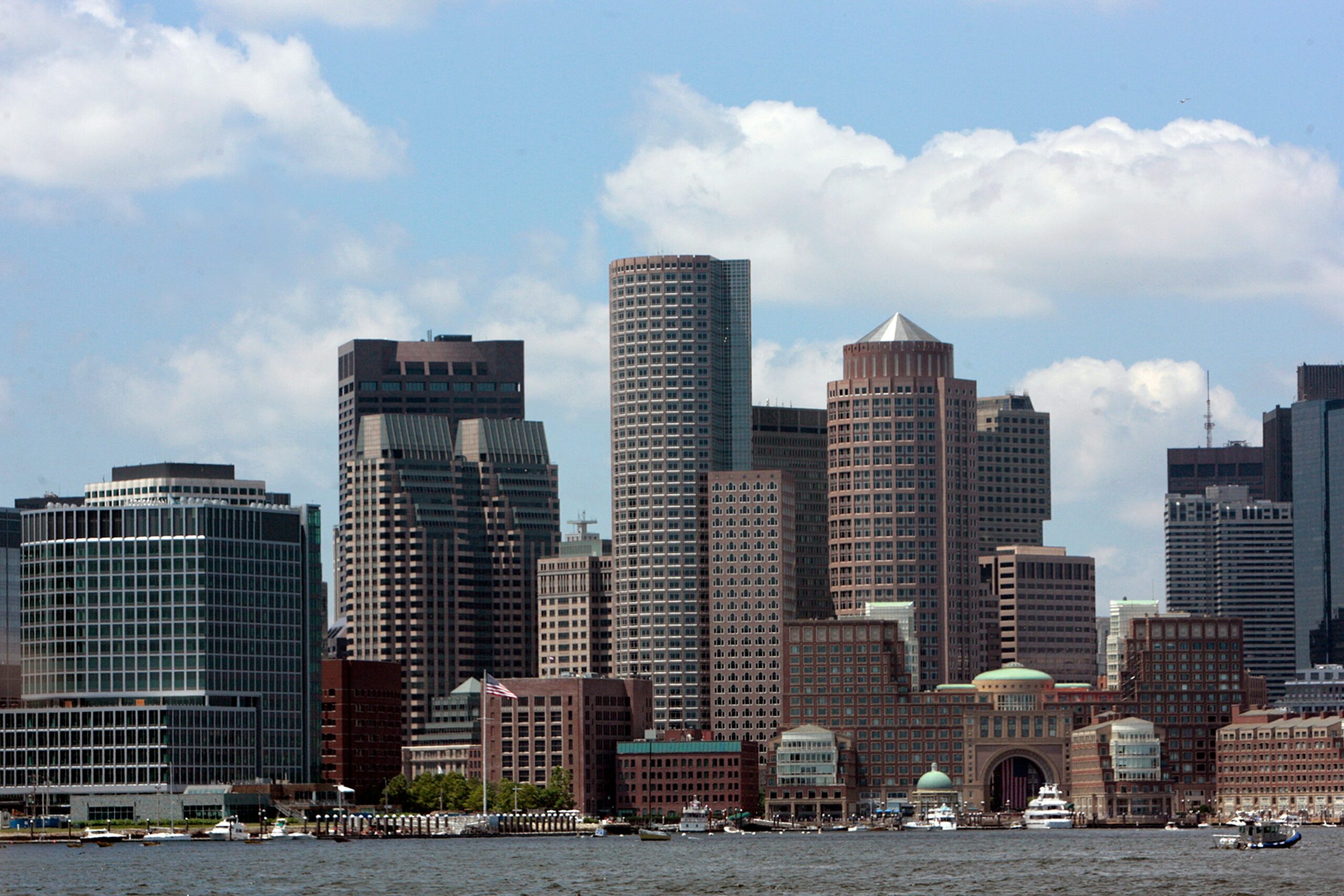
Neither experience can be measured entirely through property values, construction costs, or architectural appearance. Much of what makes a neighborhood appealing comes from the smaller details that people encounter every day.
There is also the question of physical comfort, particularly in South Florida.
A 2025 study in the Journal of Transport Geography examined extreme heat exposure among public transit users in Miami. Researchers found that walking to and from transit stops contributed more to heat exposure than waiting at the stops themselves. The findings suggest that improving a commuter’s experience requires attention not only to transportation services but also to the streets people must travel to reach them.
For someone walking to work in the middle of a Miami summer, shade and accessible sidewalks are hardly decorative features. They can determine whether a short journey feels manageable or exhausting.
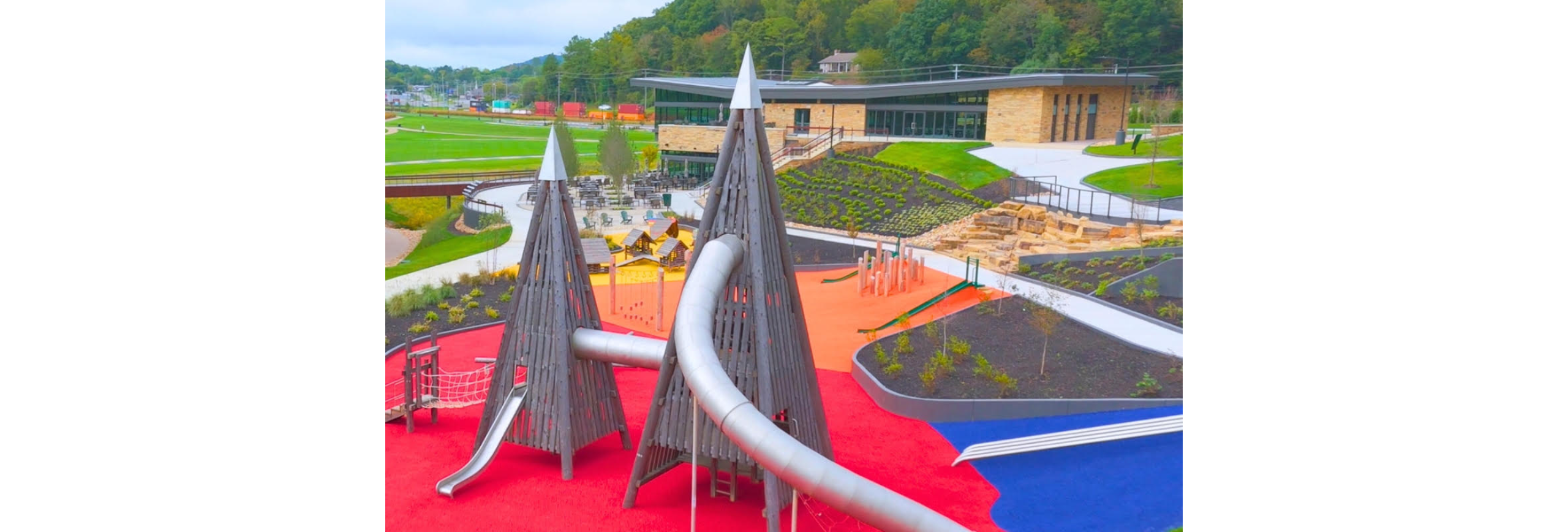
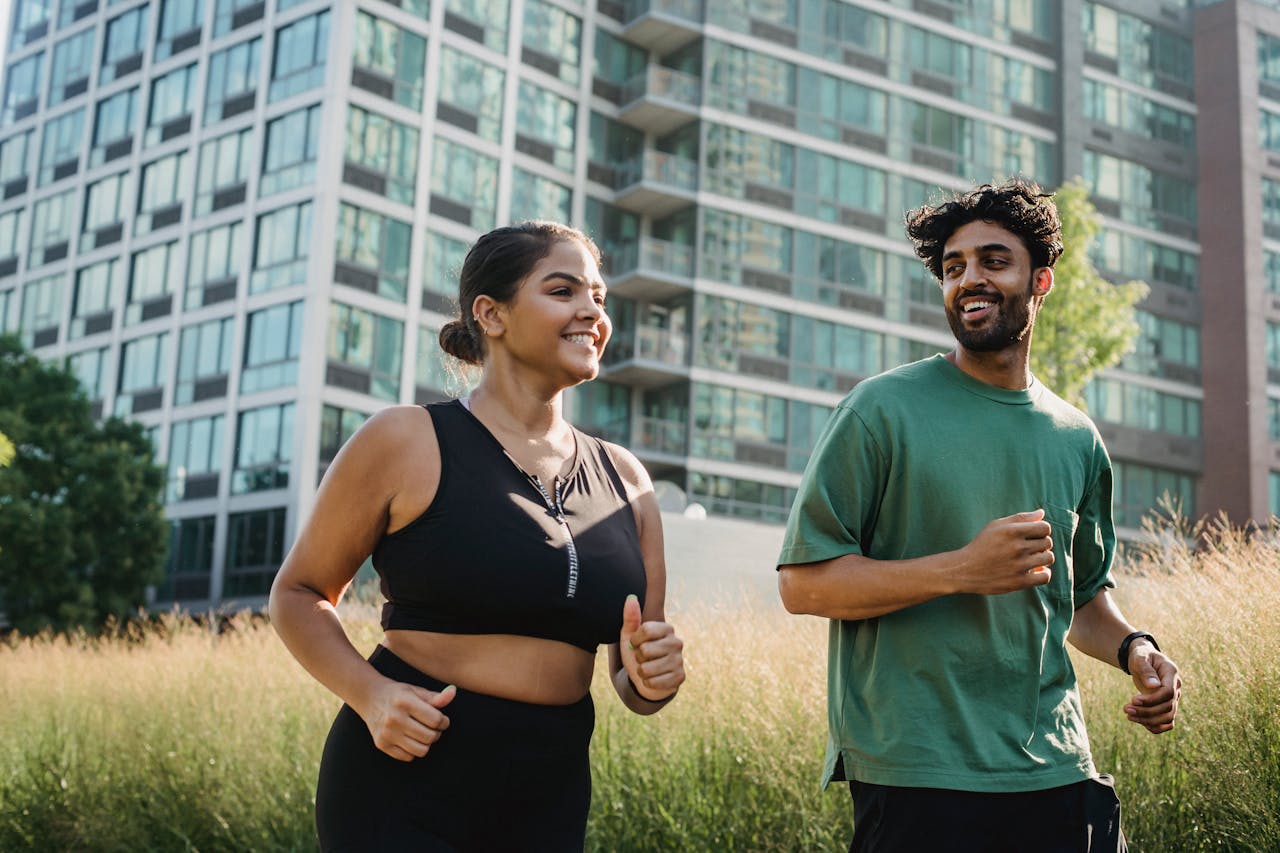
The same principle applies to public parks, waterfront paths, and neighborhood gathering spaces. These places give residents opportunities to move, rest, socialize, or simply spend time outside without having to purchase anything.
The World Health Organization has also examined the relationship between urban green spaces and health. Its research reviews have identified generally positive connections between access to green environments and psychological well-being, while acknowledging that the benefits depend on factors such as accessibility, quality, and individual circumstances.
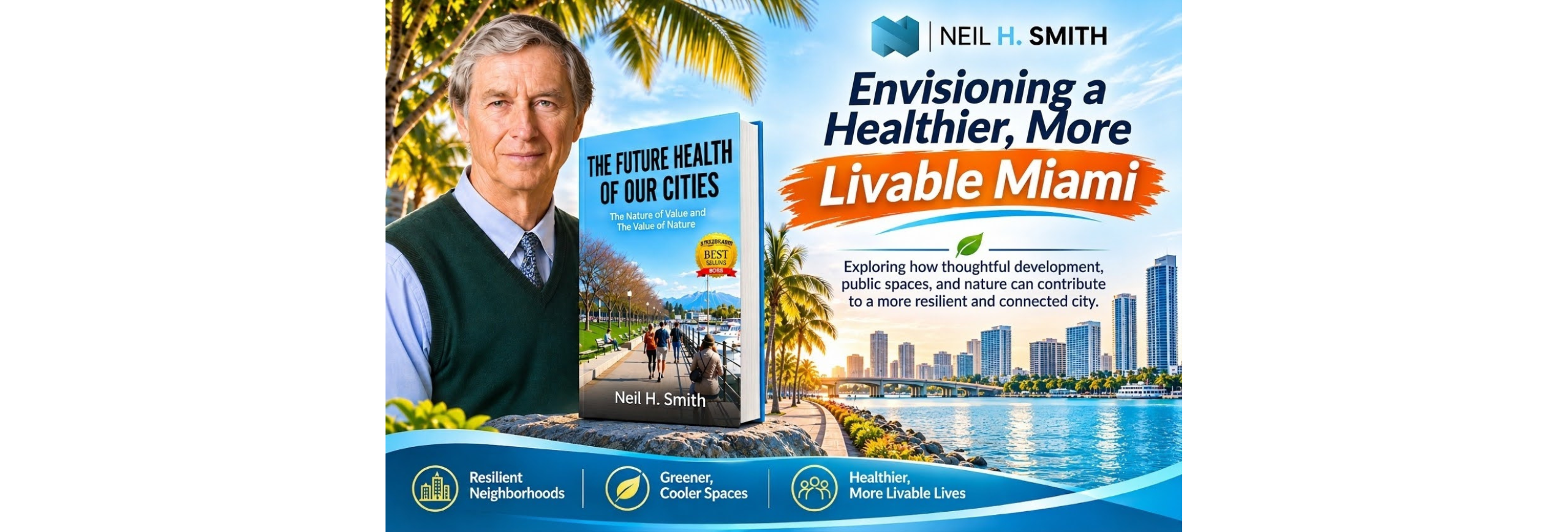
This relationship between urban design and human experience is one of the themes explored by Neil H. Smith in The Future Health of Our Cities: The Nature of Value and the Value of Nature. Smith considers how walkability, public spaces, environmental preservation, and thoughtful development can influence both personal well-being and the long-term value of communities. His work challenges the idea that urban progress should be measured primarily through financial investment or physical expansion.
It is a relevant perspective at a time when growing cities face difficult decisions about how their limited space should be used.
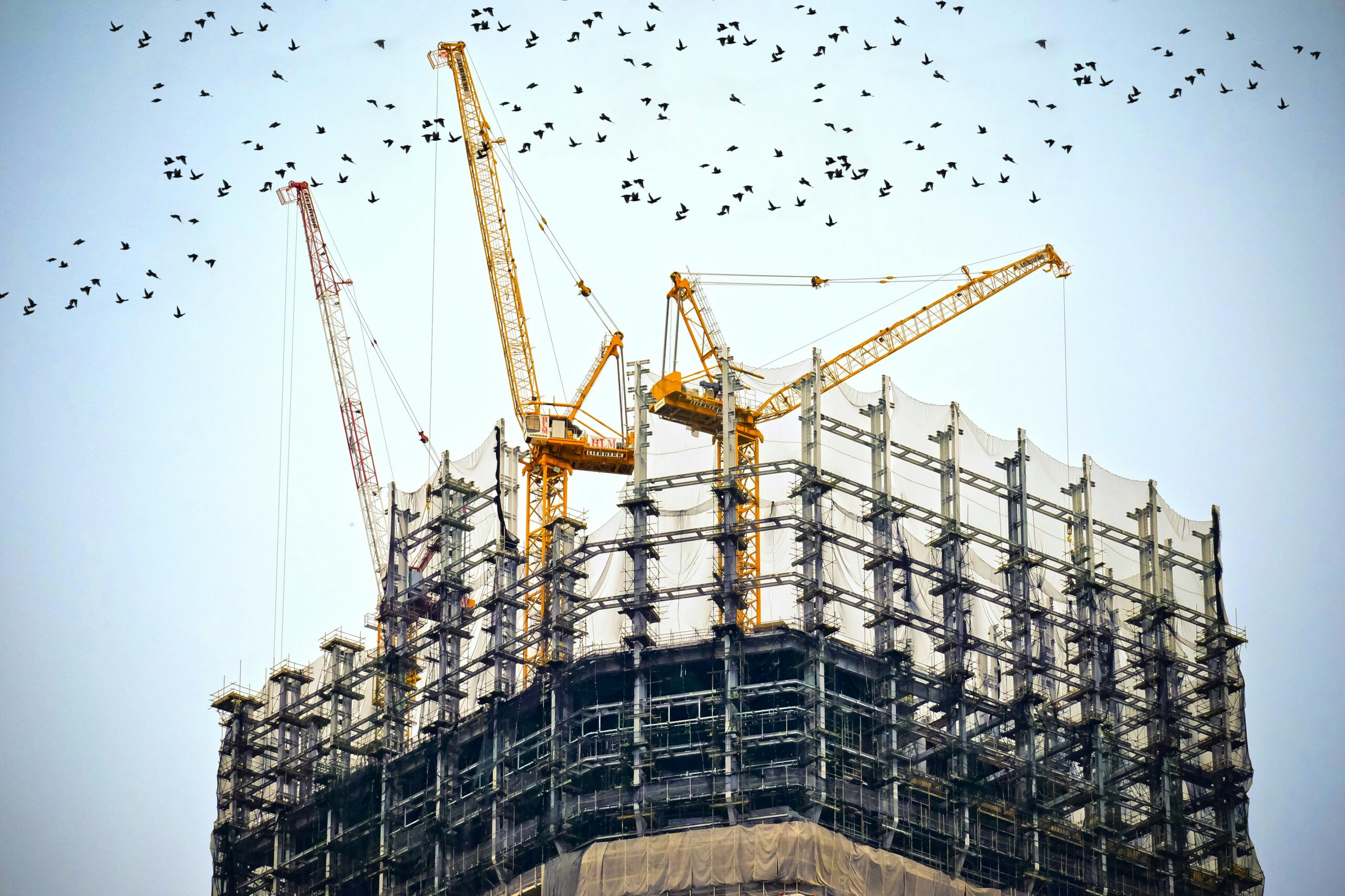
A new development may introduce hundreds of homes or attract significant investment, but its contribution to the surrounding neighborhood depends on more than its size. Does it make the street easier to navigate? Does it provide inviting public space? Does it encourage people to walk, gather, or spend time outdoors?
These are practical questions, not simply aesthetic preferences.
A beautiful plaza that offers little shade may remain empty during much of the day. An expensive residential building surrounded by difficult pedestrian crossings may do little to improve the experience of nearby residents. Meanwhile, an ordinary street with accessible sidewalks, trees, and active storefronts can become a place people genuinely enjoy.
None of this means every street must look the same. Miami’s identity comes partly from the differences between its neighborhoods. Preserving that variety while making public spaces more comfortable and accessible may be more valuable than trying to create one universal model of successful development.
Ultimately, the psychology of places reminds us that cities are experienced at eye level. People remember the walk to their favorite coffee shop, the park where they take their children, and the familiar street where they feel at home.
As Miami continues to grow, perhaps the most important question is not simply what the city will look like in the future.
It is how people will feel living in it.
Written in partnership with Tom White