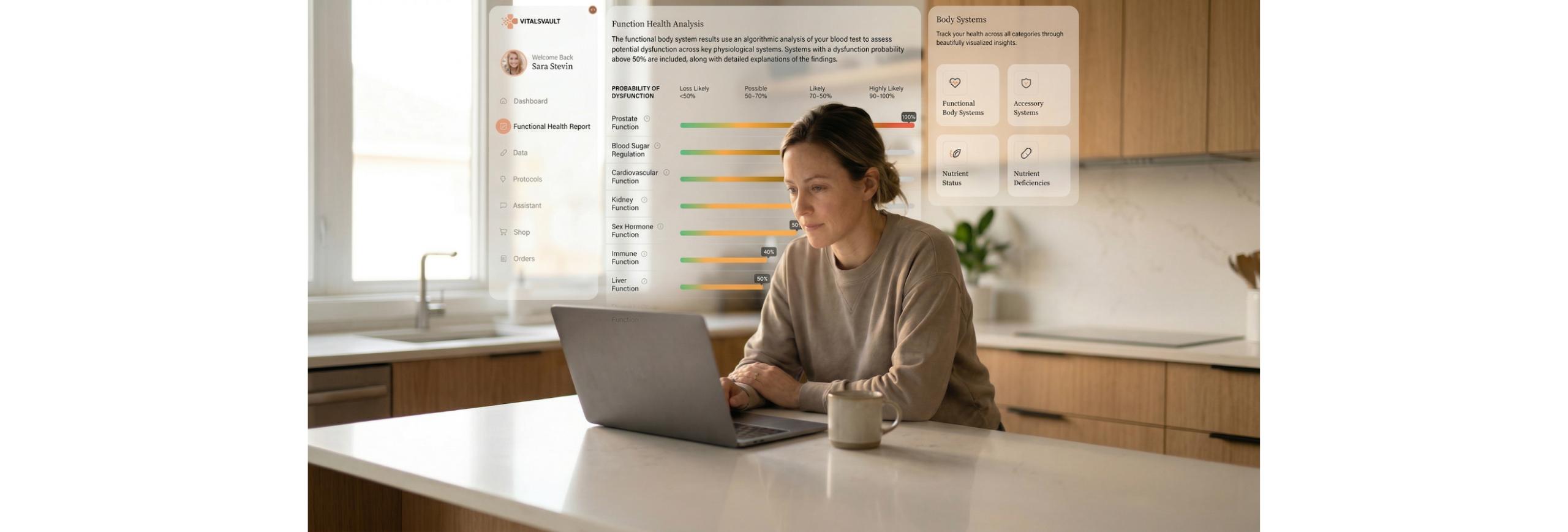

You’ve probably experienced it before. You switch doctors, or see a specialist for the first time, and suddenly you’re trying to remember when you had that blood test done, what your cholesterol was two years ago, or which medication caused that reaction last spring. Your health information exists somewhere. It’s just spread across five different portals, a stack of PDFs, and your own memory. Life Dash was built to solve exactly that problem.
The Problem With Managing Your Own Health
Most people today are more engaged with their health than ever. They want to catch issues early, understand their labs, and have better conversations with their doctors. But the tools available to do that are often built for someone else entirely: a hospital system, an insurer, or a company trying to sell more tests.
That mismatch creates a handful of recurring problems:
- Records live in separate portals with no way to see them together
- Test results, medications, and symptoms are disconnected from each other
- Every new doctor means rebuilding your history from scratch
- There’s no clear starting point for knowing what actually deserves attention
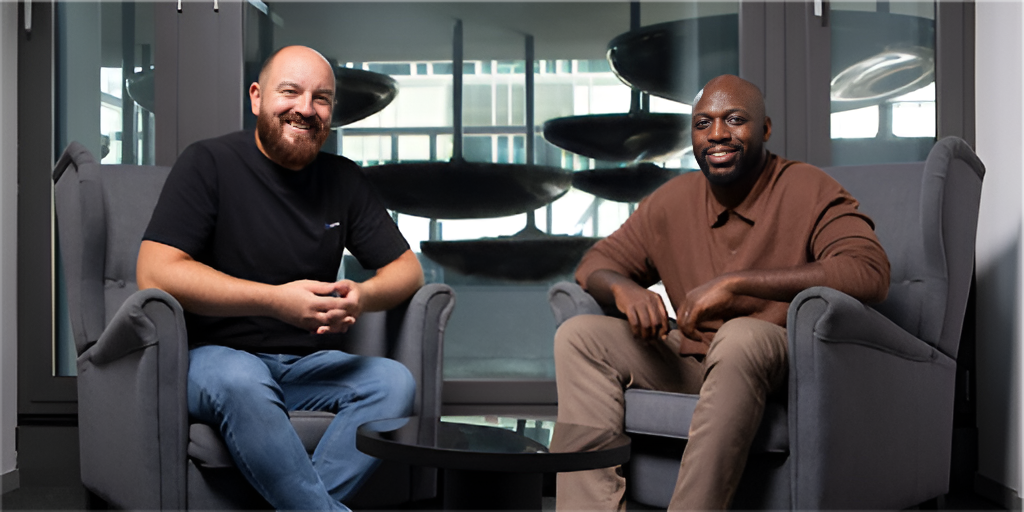
Life Dash was created by founders who faced these exact challenges themselves. Co-founder Melissa Petros needed to manage a range of health concerns after having a child while navigating multiple providers, each with its own login and format. Co-founder Van Sternbergh came from a finance background, where he’d learned that data only becomes useful once it’s organized within a larger framework. Applying that same thinking to health became the starting point for Life Dash.
A Platform That Solves “Where Do I Start?”
Rather than building a tool packed with hundreds of biomarkers and features nobody asked for, Life Dash focused on something more practical: helping people figure out where to begin. The result is a platform that brings together medical records, lab results, medications, and scans from any provider into a single place you control.
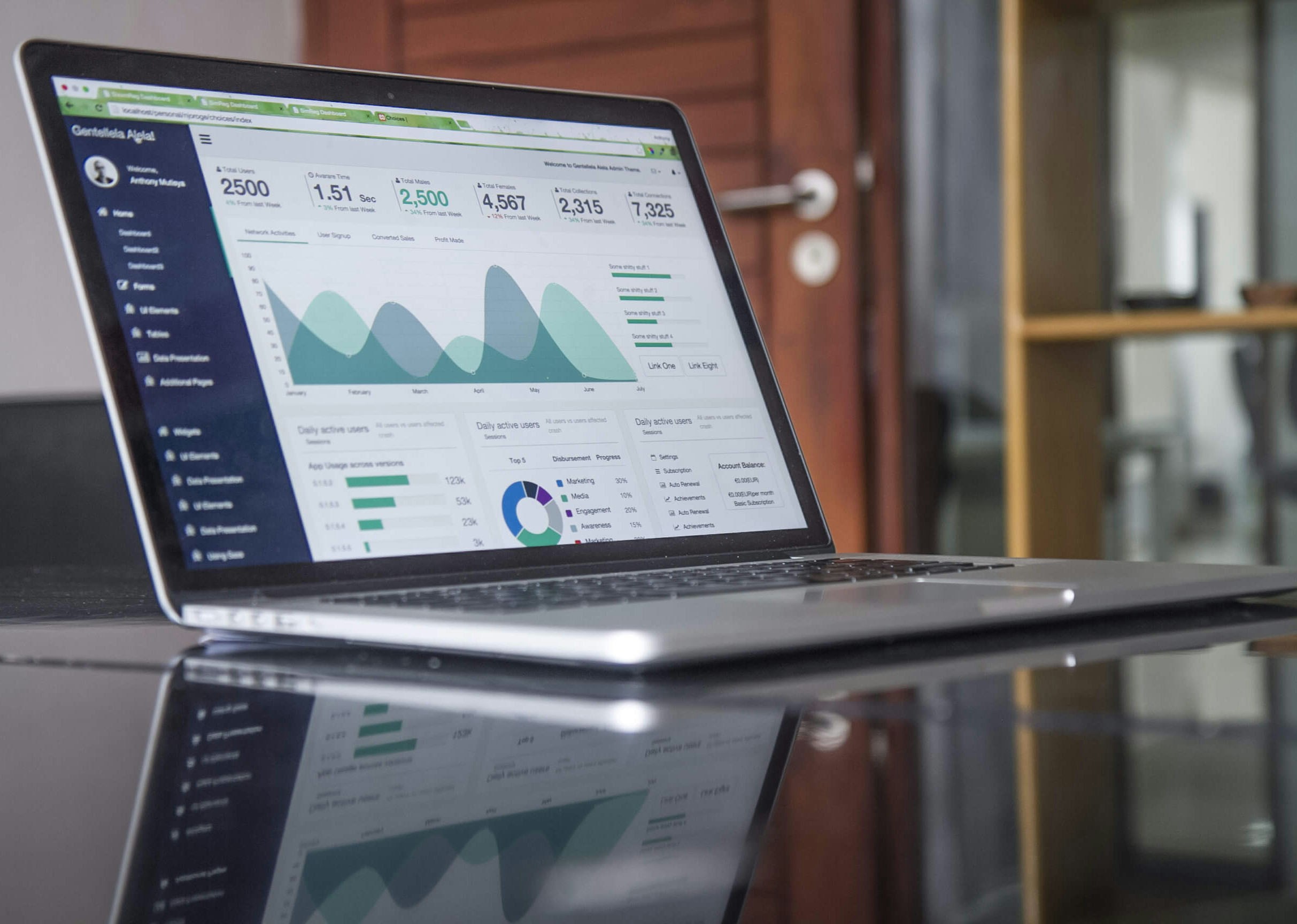
Once everything is in one place, patterns become easier to see. Instead of comparing isolated snapshots, you can follow trends over months and years, see how medications impact your results, and walk into appointments with a clearer picture of your health.
Some of the specific tools that make this work include a tiered, vetted health checklist that isn’t tied to selling more tests or supplements, a watchlist and cross-graphing feature for tracking results and medications together, and AI-powered upload tools that let you add records from any doctor, clinic, or hospital by file or email. Everything you upload is stored securely and stays downloadable, so it travels with you rather than staying locked in someone else’s system.
Built to Be Independent
One detail that sets Life Dash apart is what it doesn’t do. It doesn’t sell lab tests, supplements, or medical services, which means there’s no incentive to push you toward more of anything. It’s simply designed to help you make better use of the health information you already have.
Users have described the impact in their own words. For Anjani, “Life Dash gives me the holistic picture so I know where and how to advocate for myself when I go to my doctor.” Matt appreciates being able to maintain a longitudinal health record without being tied to one health system. Chris put it simply: “I’ve been looking for something like this for decades.”
Where It Fits into Everyday Life
Life Dash is designed to make managing your health information an easy part of normal life. How often someone uses it tends to depend on their situation. People managing a chronic condition, adjusting to a new diagnosis, or moving through a life stage like pregnancy or perimenopause often check in every one to three months. For others, a few times a year is enough to stay on top of things.
It’s worth noting what Life Dash isn’t. It doesn’t offer medical advice, and it isn’t meant to replace your doctor. If anything, it’s designed to make that relationship stronger by giving you a clearer, more organized version of your own health story to bring into the room.
Written in partnership with Tom White