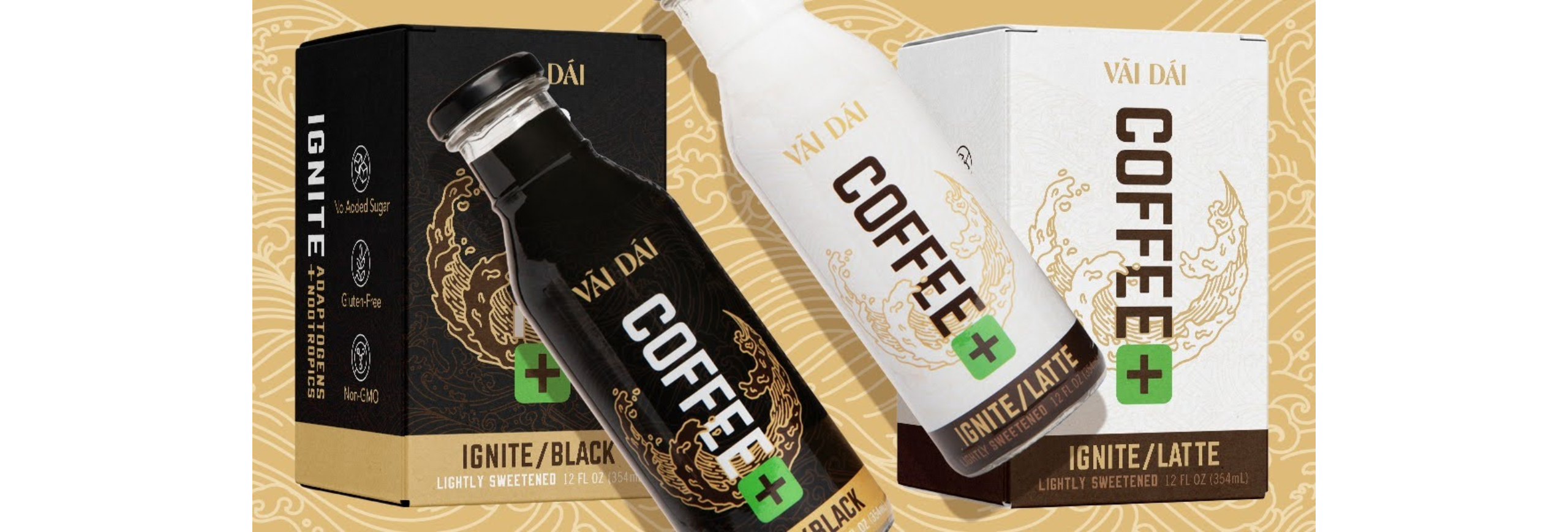

Coffee has always played an important role in daily routines. For many people, it is the first step toward starting the day, preparing for work, or maintaining productivity through a busy schedule. In recent years, however, the coffee category has expanded beyond traditional brews as consumers begin looking for beverages that combine flavor, convenience, and thoughtfully selected ingredients. Vai Dai Coffee is one brand entering this evolving space with a ready-to-drink coffee designed to deliver premium taste alongside functional ingredients.
Founded by beverage entrepreneurs Mark Warren and Tom Beaton, Vai Dai Coffee reflects the founders’ experience building brands that cater to modern lifestyle preferences. The duo previously created FitVine Wine, a wine brand that focused on lower-sugar options and introduced a “better-for-you” approach to the wine category. With Vai Dai Coffee, they bring that same forward-thinking mindset to coffee.
The brand’s guiding idea centers around a simple mission: to create great-tasting coffee that supports clean energy, mental focus, and clarity while maintaining a straightforward ingredient profile.
A Coffee Designed for Today’s Beverage Trends
Ready-to-drink coffee has become one of the fastest-growing segments within the beverage industry. Consumers increasingly appreciate the convenience of grab-and-go coffee products, particularly those that fit into busy routines. At the same time, many people are paying closer attention to ingredient labels, looking for beverages that avoid unnecessary additives or excessive sugar.
Vai Dai Coffee positions itself within this shift by focusing on premium Arabica coffee and plant-based sweeteners while incorporating real ingredients commonly found in functional wellness products.
Each bottle starts with 100% Arabica coffee beans, known for their smooth flavor profile and aromatic qualities. The coffee is carefully roasted and then blended with a combination of botanical and mushroom-derived ingredients. Rather than relying on traditional sugar, the beverage is lightly sweetened with stevia and monk fruit, two plant-derived sweeteners frequently used in beverages seeking lower sugar content.
The Functional Ingredient Blend
One of the defining elements of Vai Dai Coffee is its inclusion of adaptogens and nootropics, ingredients that have gained attention within the broader wellness beverage market.
Adaptogens are botanical ingredients traditionally used in herbal practices and are often studied for their role in helping the body adapt to stress. Nootropics, on the other hand, are compounds commonly discussed in connection with cognitive function and focus.
Vai Dai Coffee’s formulation includes a blend of seven ingredients often associated with these categories:
- Lion’s Mane Mushroom – A mushroom that has been widely studied for its potential role in cognitive wellness.
- Ashwagandha – An herb commonly used in Ayurvedic traditions and often associated with stress balance.
- Thai Ginger – A root known for its aromatic flavor and traditional use in herbal preparations.
- Cordyceps Mushroom – A mushroom traditionally used in Eastern wellness systems.
- Rhodiola Root – An adaptogenic plant often explored in research related to fatigue and resilience.
- Bacopa Extract – A botanical ingredient used in herbal traditions.
- Reishi Mushroom – A mushroom frequently referenced in traditional herbal practices.
While research into these ingredients continues to evolve, they have become increasingly popular among consumers interested in functional foods and beverages.
Innovation Inspired by Beverage Industry Experience
The concept for Vai Dai Coffee grew from the founders’ desire to rethink what ready-to-drink coffee could offer. After creating the Better For You wine category , Mark Warren and Tom Beaton recognized that many consumers were seeking beverages that balanced enjoyment with ingredient awareness.
According to the founders, the early stages of Vai Dai Coffee were developed through experimentation in what they describe as a “kitchen-turned-lab.” During this process, they tested different roast levels, ingredient combinations, and sweetness profiles until they found a formula that paired coffee flavor with functional ingredients in a balanced way.
Their experience in the beverage industry helped guide the development process, particularly when it came to building a product that could fit into everyday routines without compromising taste.
A Clean Label Approach
Another core principle behind Vai Dai Coffee is maintaining a clean ingredient philosophy. Instead of using syrups or heavily processed additives, the brand focuses on a small group of ingredients that complement the coffee itself.
Key features of the product include:
- 100% Arabica coffee
- Seven adaptogens and nootropics
- Plant-based sweeteners
- No added sugar
This approach aligns with a growing consumer preference for beverages that emphasize ingredient transparency and simplicity.
The Meaning Behind the Brand Name
The name Vai Dai originates from Vietnamese surf slang and loosely translates to “awesome” or “epic.” The founders chose the name to capture the energy and personality of the brand, as well as its goal of bringing excitement back to everyday coffee experiences.
For Warren and Beaton, the name reflects the idea that coffee should do more than simply wake someone up. Instead, they envision a beverage that supports productivity, focus, and enjoyment throughout the day.
Coffee Meets Functional Beverages
The rise of functional beverages continues to reshape how consumers think about drinks. Coffee, traditionally valued for its caffeine content and flavor, is now being reimagined by brands exploring ingredients associated with wellness and performance.
Vai Dai Coffee represents one example of this shift. By combining premium Arabica coffee, adaptogens, and plant-based sweeteners, the brand aims to offer a beverage that fits into modern routines while maintaining the familiar experience of coffee.
As the beverage industry continues to innovate, functional ready-to-drink coffees like Vai Dai Coffee illustrate how traditional categories can evolve to meet changing consumer expectations.
Written in partnership with Tom White