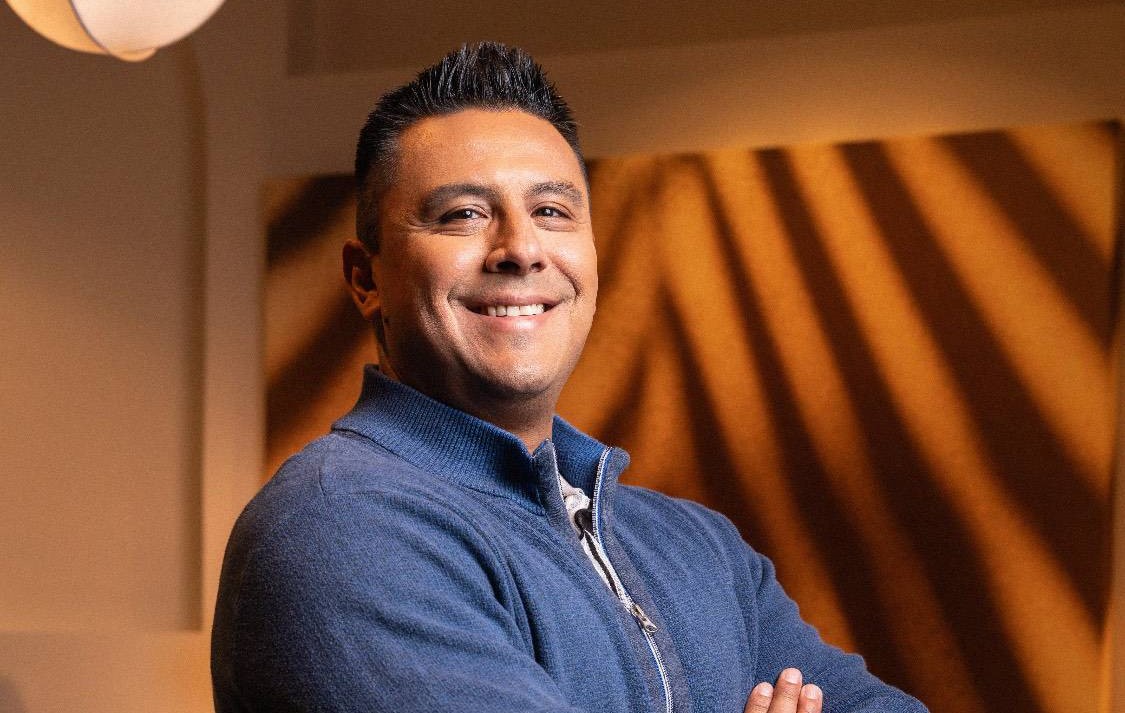

In 2007, a young professional named Eric Madrid wrote down an idea that had nothing to do with artificial intelligence. AI, as most people know it today, barely existed. What Eric had noticed instead was a pattern in the teams and organizations he worked with: the people who struggled weren’t lacking talent or effort. They were simply misread. Reduced to job titles, boxed into fixed roles, and rarely given the chance to contribute in a way that reflected who they actually were.
That observation sat quietly for over a decade. Eric went on to build a career leading multidisciplinary teams across nonprofit work and some of the world’s most complex live entertainment productions, in cities as varied as Miami, Macau, and Dubai. Wherever he went, the same pattern kept showing up. The biggest obstacles weren’t technical. They were human.
It wasn’t until 2022, during extended pandemic lockdowns in Macau, that the old notebook idea resurfaced. With more time to think than he’d had in years, Eric began reworking the concept into something more concrete. By early 2025, he had left his established international career behind to build it full time. That decision became the founding moment for Oryon Accord.
Building a Team Around the Idea, Not the Other Way Around
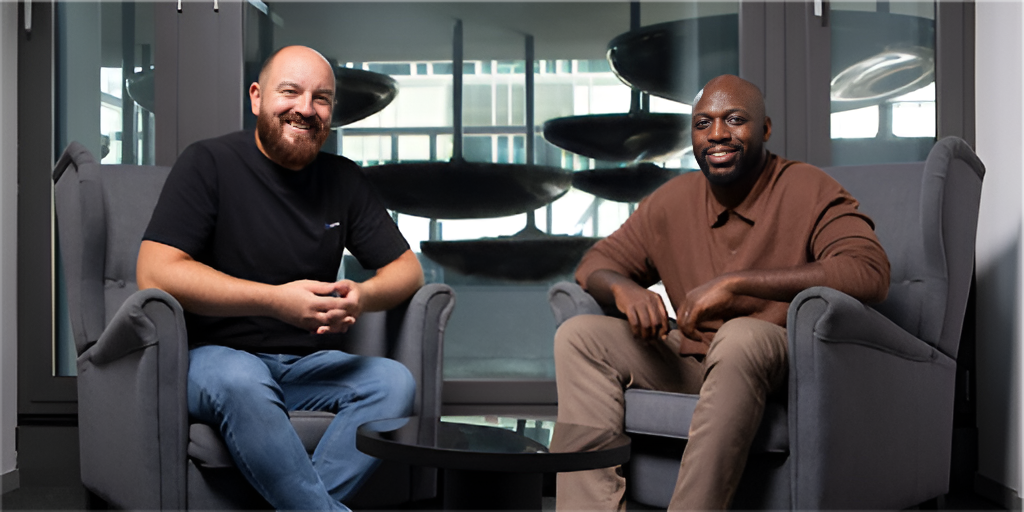
Eric didn’t build alone. Adrián Perreau de Pinninck, a friend since high school and the first person Eric ever shared the 2007 proposal with, joined as Co-Founder and CTO. With a PhD in AI and two decades of experience in adaptive, human-centered systems, Adrián became the engineer of the vision. Mattia Crespi, who had spent years advising other companies on innovation and digital transformation, joined as Head of Strategy after deciding he wanted to build something of his own rather than continue advising from the sidelines.
Together with a small, globally distributed team spread across the Americas, Europe, the Middle East, and Asia, the three founders built Oryon Accord entirely remotely. Fittingly, they applied their own philosophy internally from day one, using personality insights from their own product to shape roles around each team member’s strengths and motivations rather than assigning work first and hoping it fit.
Aime: Understanding First, Productivity Second
The company’s first product, Aime, is where that philosophy becomes something people can actually use. Aime is an AI-powered productivity companion, but its starting point isn’t a task list. It’s the individual.
Rather than asking users to adapt to a rigid system, as most productivity apps do, Aime builds an evolving understanding of how each person actually thinks, works, and follows through, then uses that understanding to personalize planning, goal setting, and daily guidance. It integrates with the calendars people already rely on, including Google, Outlook, and Apple, and manages tasks, notes, and reminders alongside that personalized layer. The more someone uses it, the more precisely it can adapt.
It’s worth being clear about what Aime is not. It isn’t designed to replace a therapist, a coach, or any medical professional, and it makes no claims about diagnosing or treating mental health conditions. It’s also not meant to replace the tools people already use day to day. Instead, Aime is built to work alongside them, adding a layer of personalized intelligence rather than asking people to start over.
A Vision Bigger Than One App
Oryon Accord sees Aime as the beginning, not the destination. The company’s longer-term plan is to extend the same understanding-first approach beyond individuals and into teams and organizations, on the belief that stronger collaboration starts with people who are genuinely understood rather than simply managed.
That belief even shows up in how the brand looks and sounds. Instead of the sterile, minimalist aesthetic common in tech branding today, Oryon Accord draws inspiration from the optimistic editorial style of the 1950s and 60s, a deliberate choice meant to feel warm, human, and a little more hopeful.
Nearly twenty years after Eric first wrote the idea down, the throughline hasn’t changed: technology should adapt to people, not the other way around.
Written in partnership with Tom White