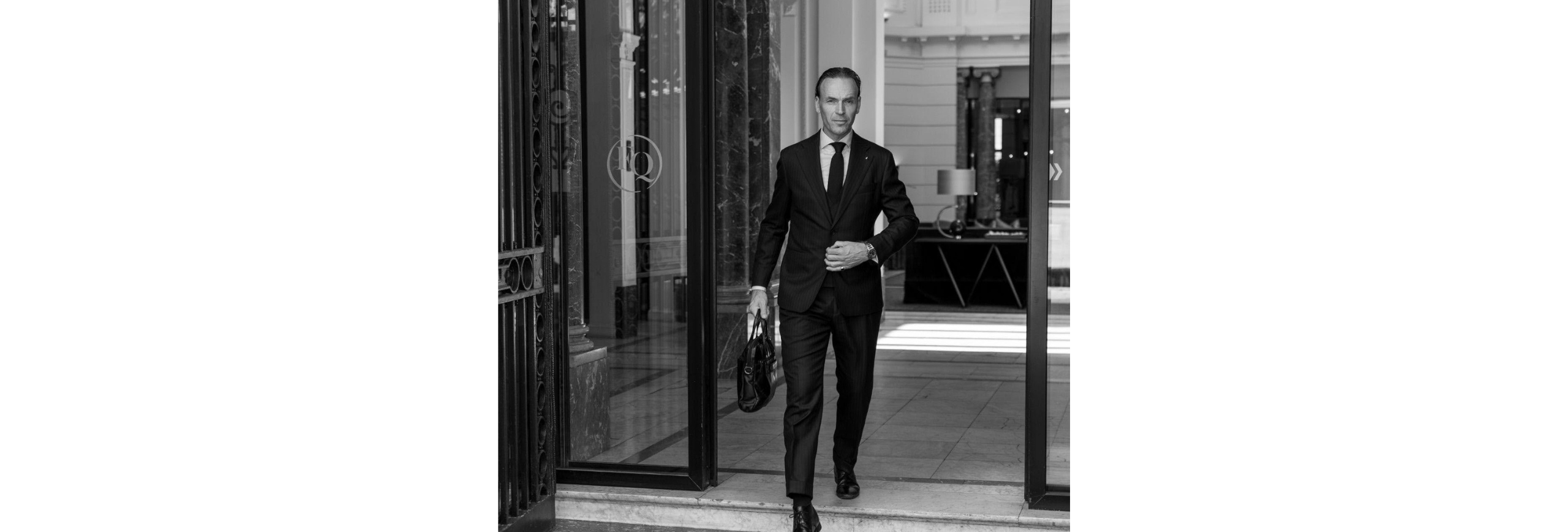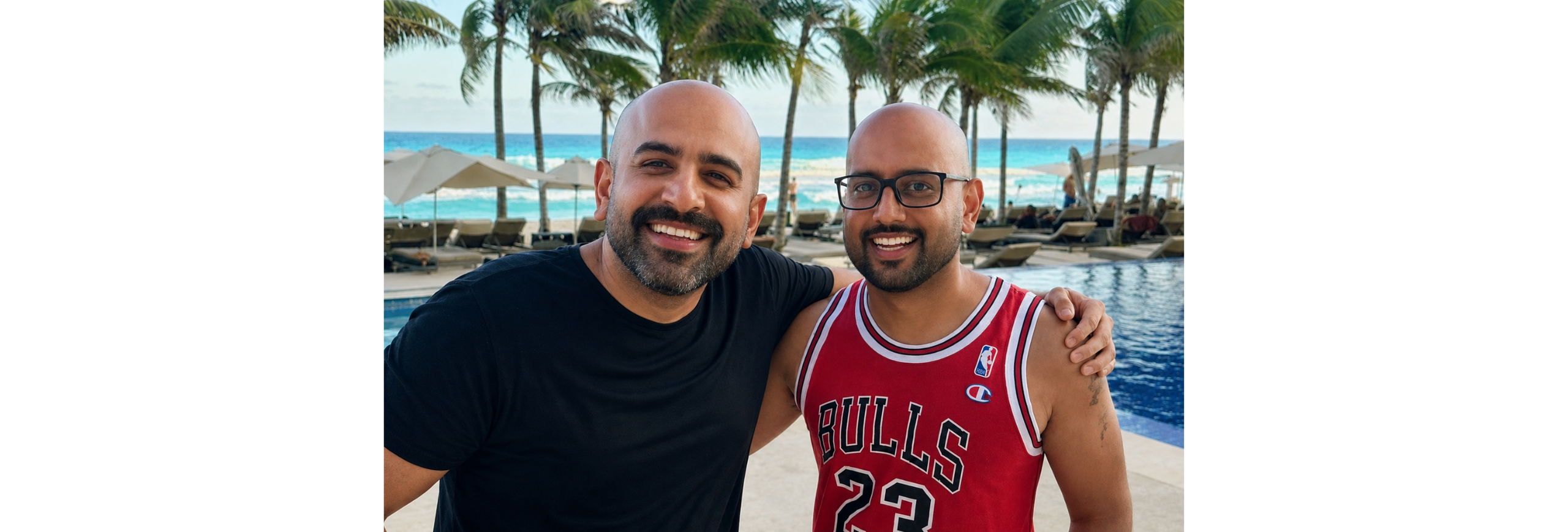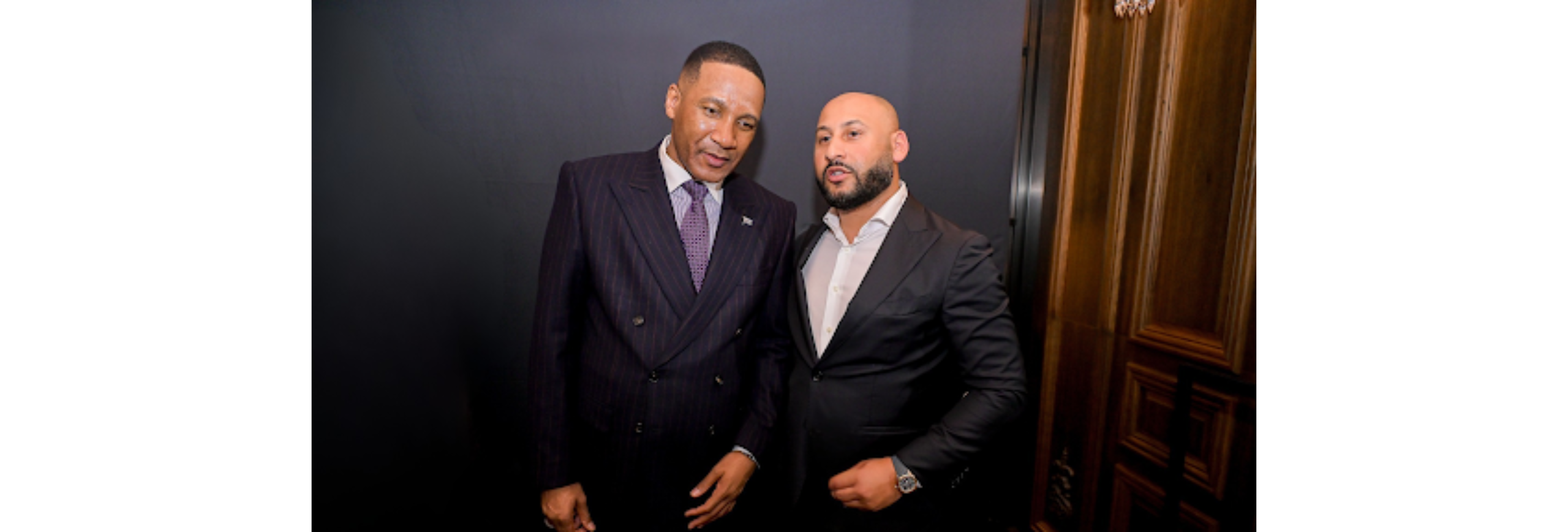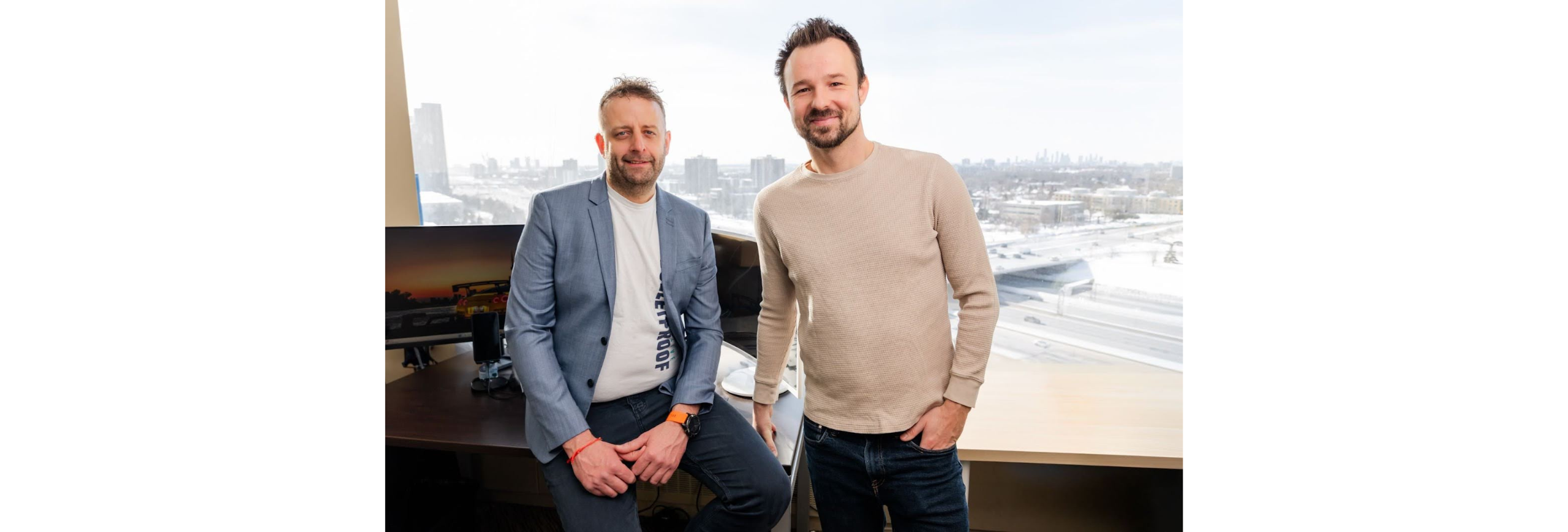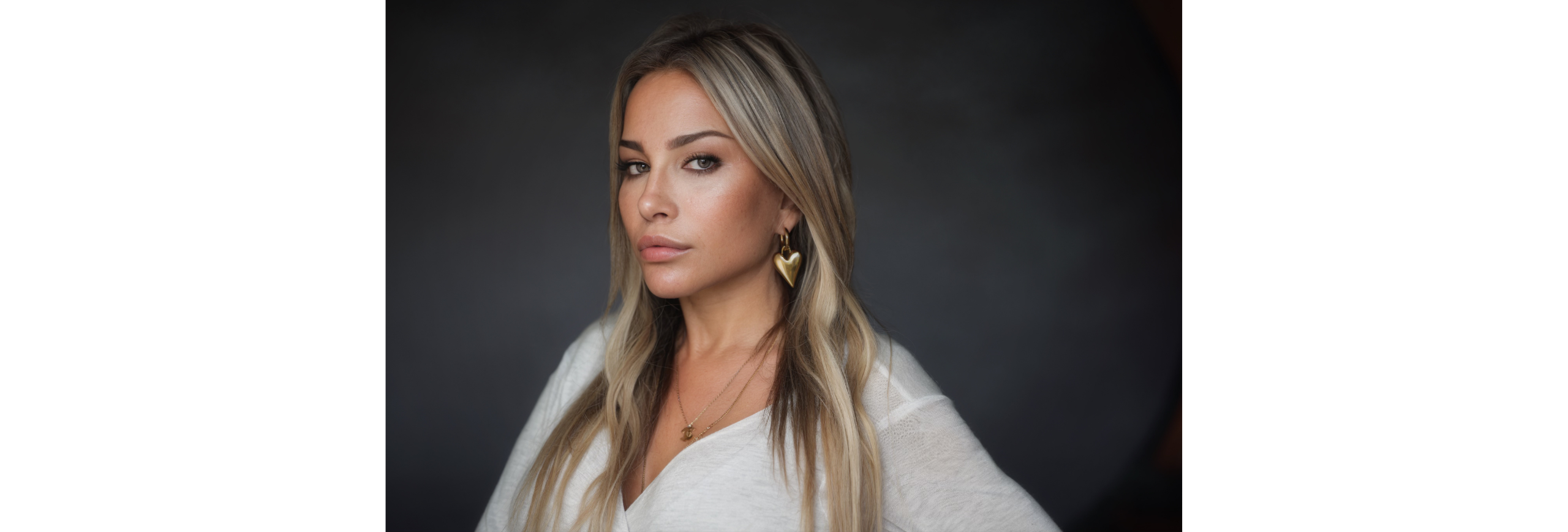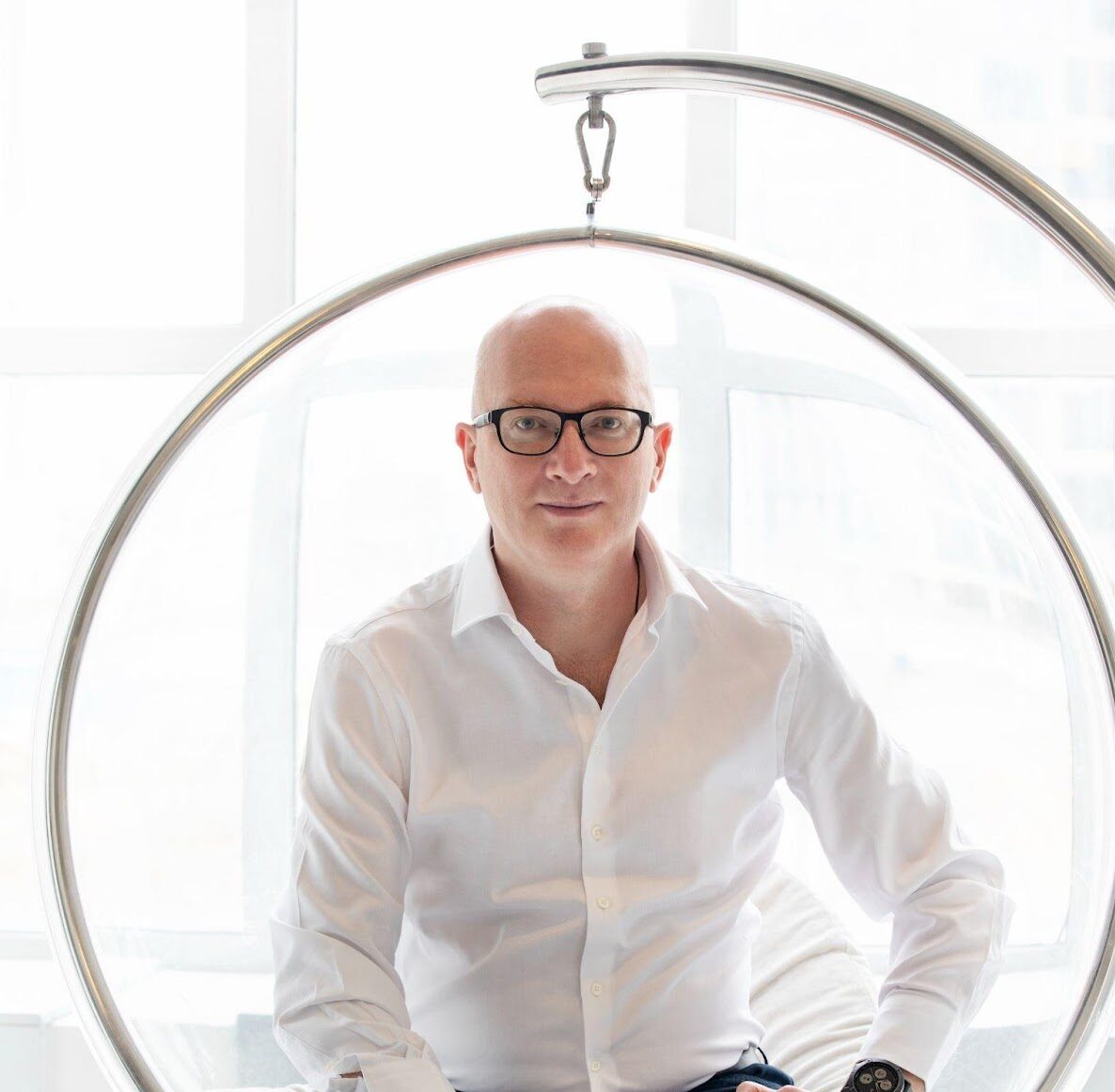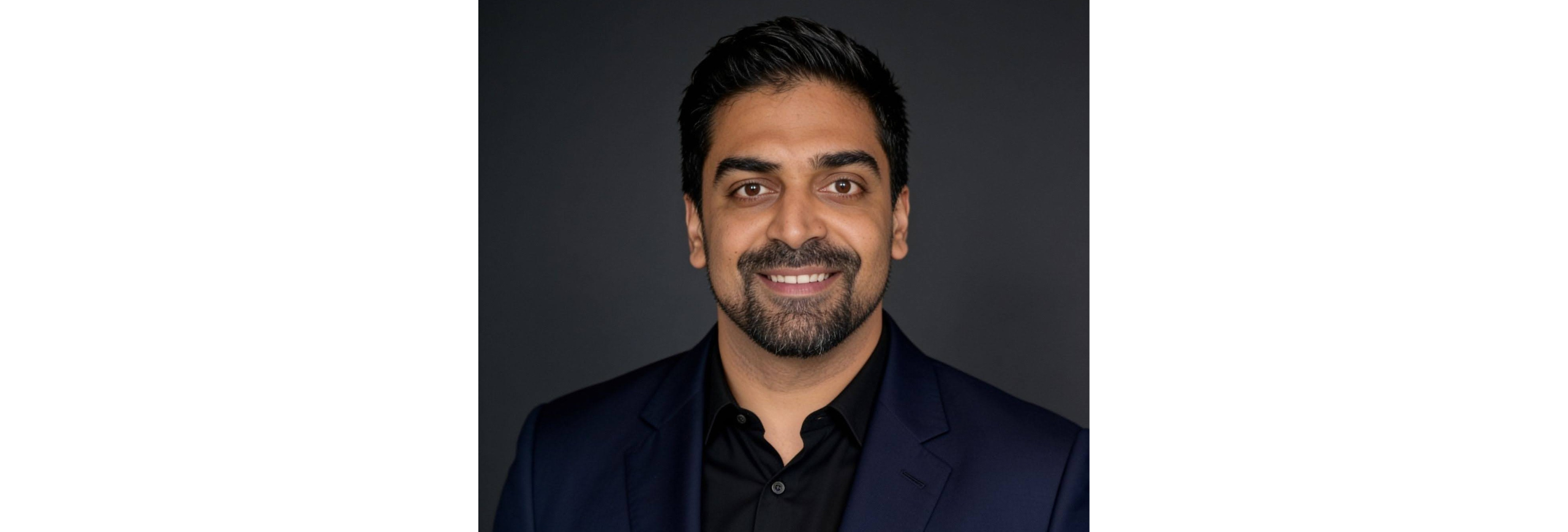

Image Credit: Nirmal Nathan
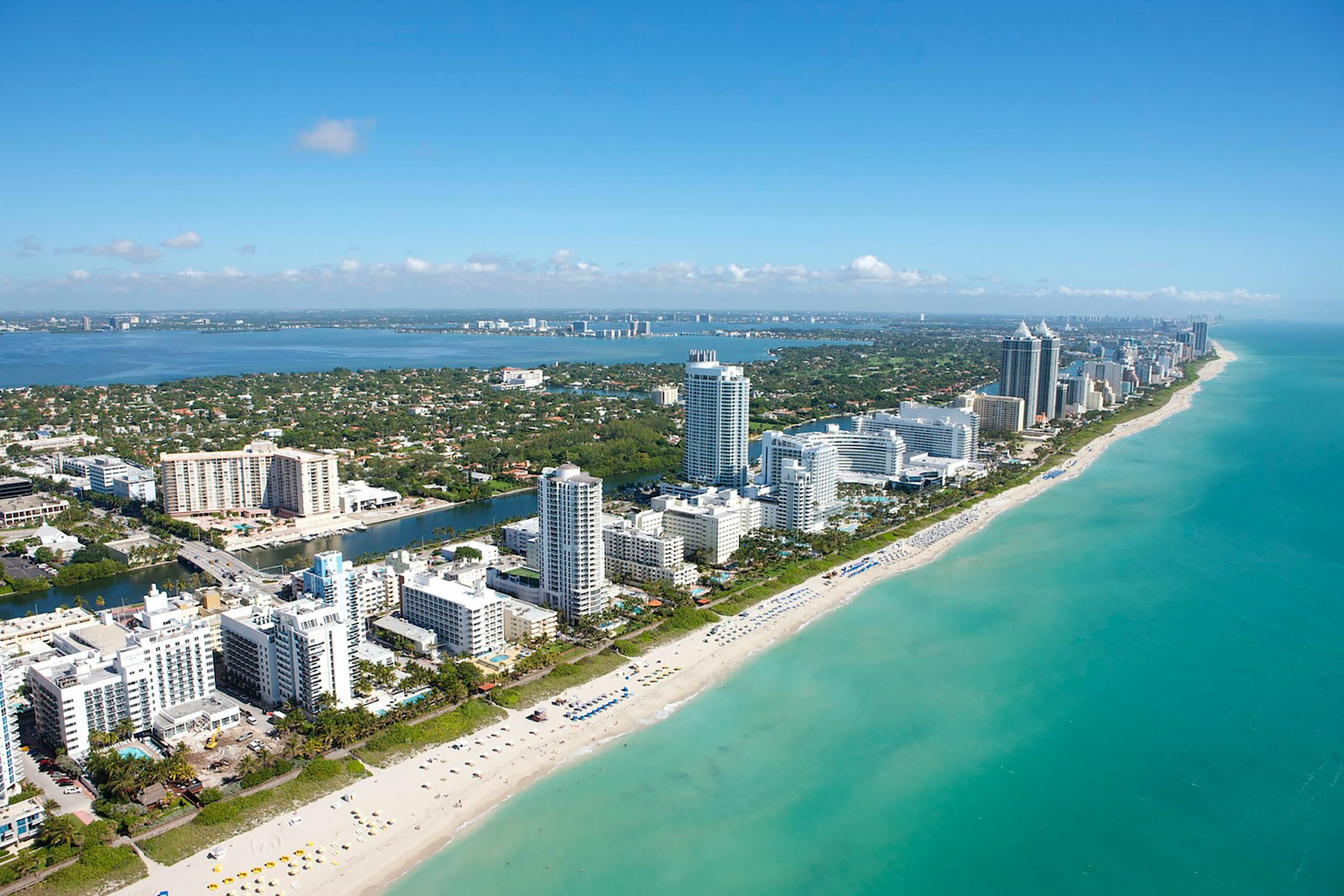
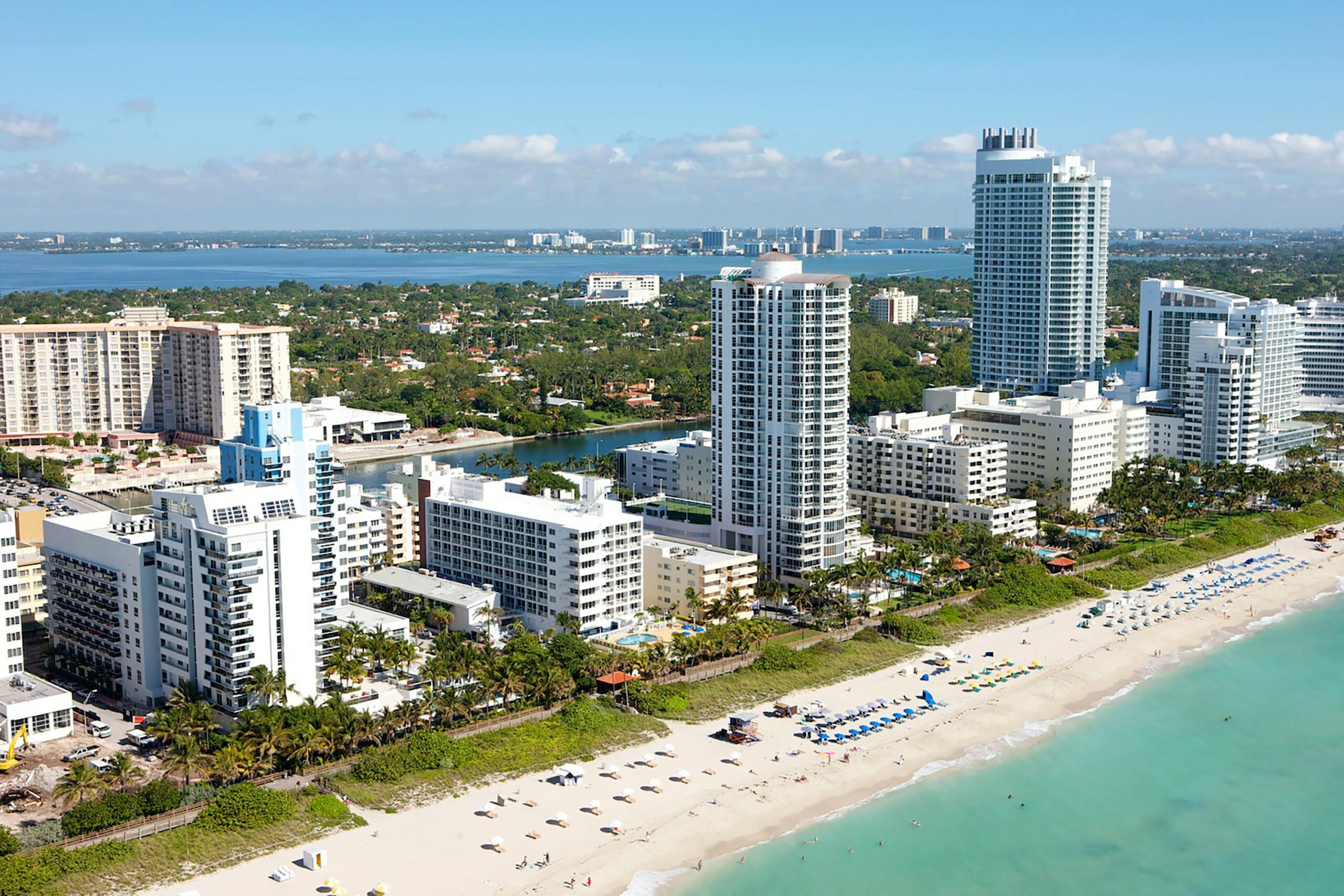
Miami is a destination for plastic surgery. But the abundance of choices can make it difficult to separate qualifications from impressive marketing. An Instagram page, luxurious office, and thousands of followers may show that a surgeon understands branding.
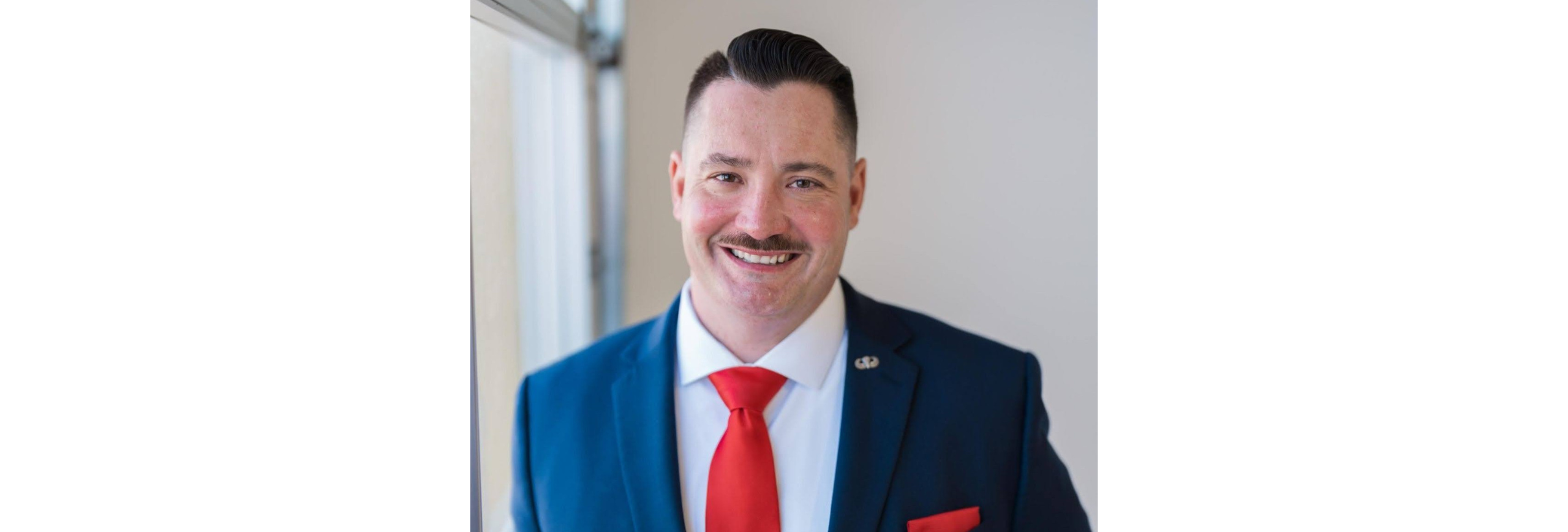
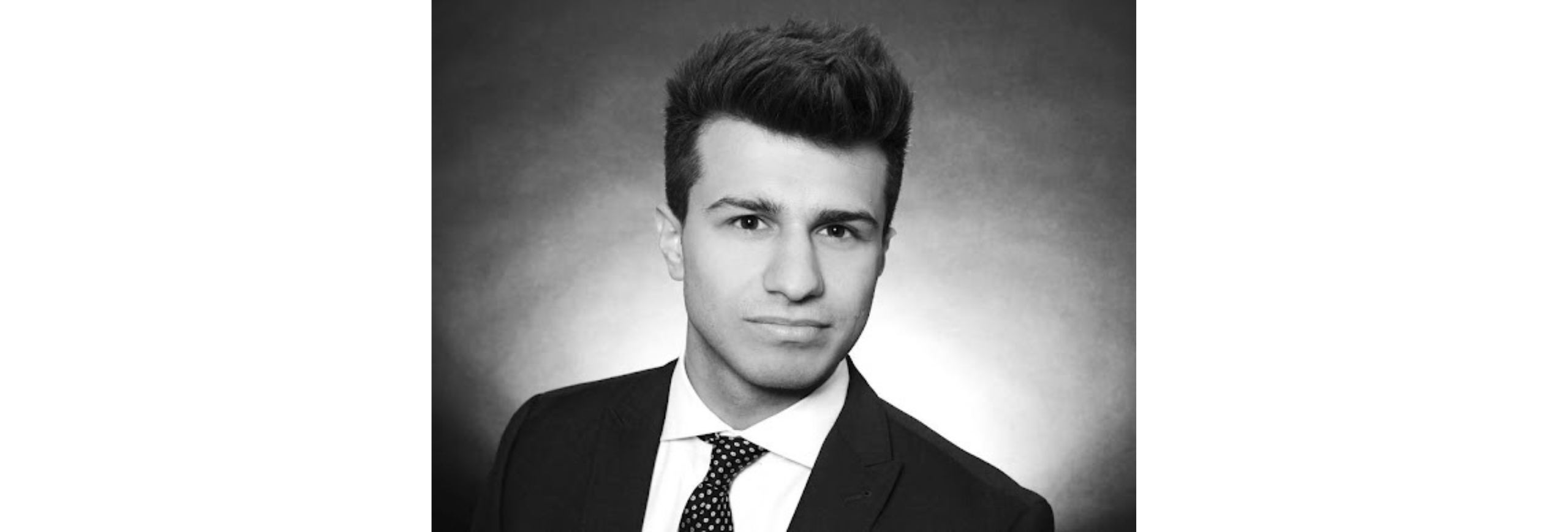
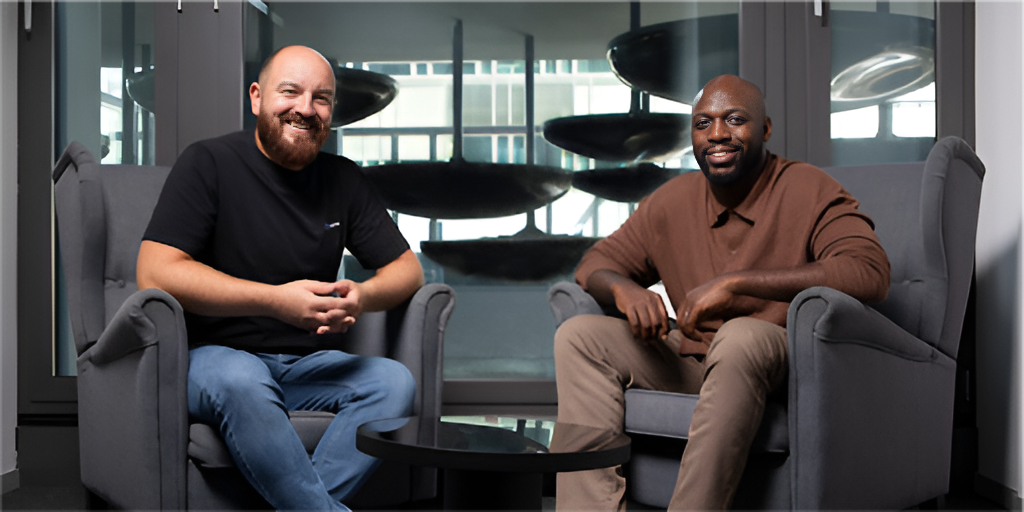
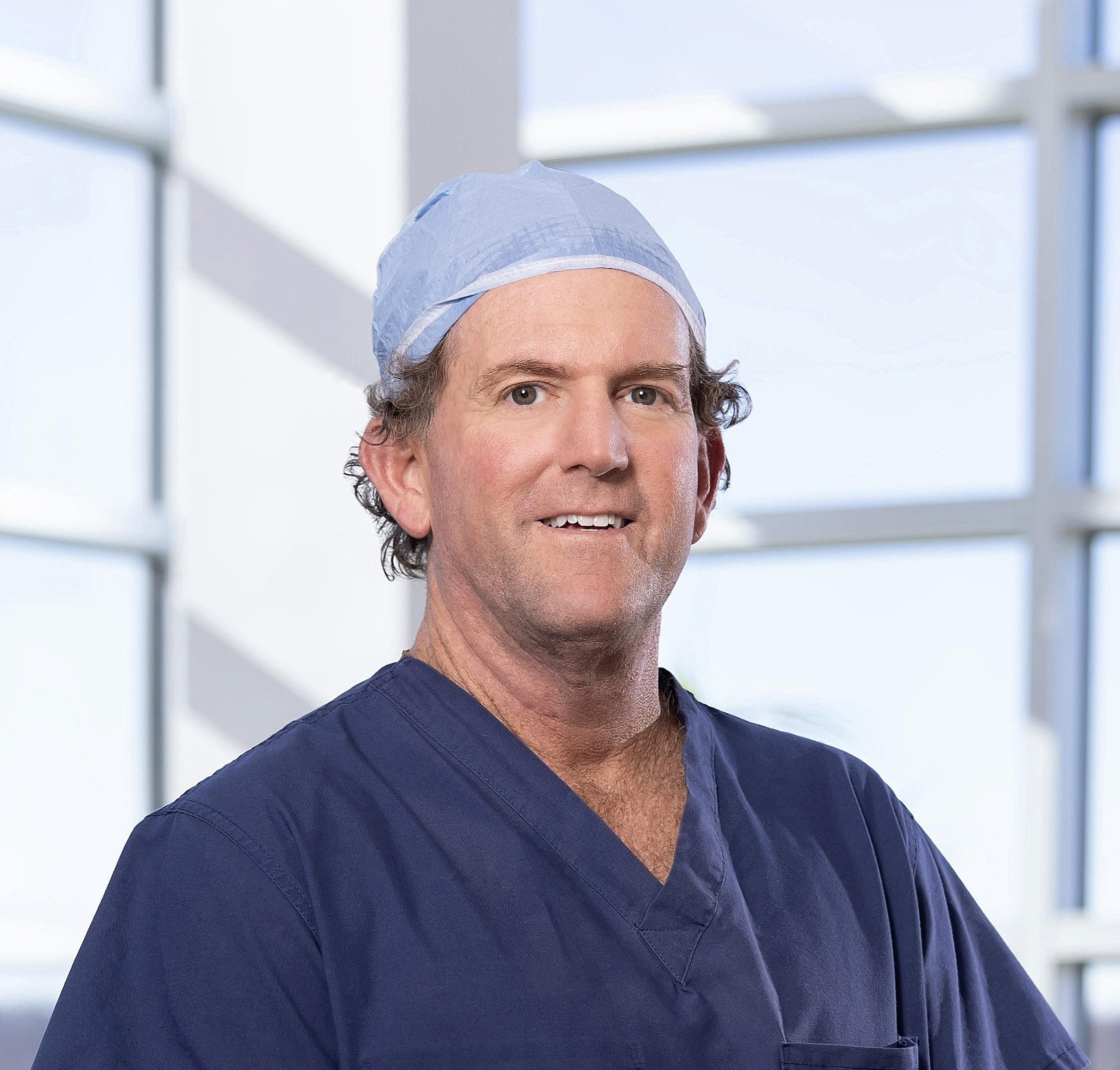
“Plastic surgery is still surgery, regardless of how glamorous or routine it may appear on social media,” says Dr. Nirmal Nathan, a board-certified plastic surgeon and founder of The Nathan Clinic in Miami. “Patients should approach the selection process with the same seriousness they would use when choosing any other surgeon.”
Look Beyond “Board-Certified”
“Board-certified” sounds reassuring, but patients should ask: certified by which board? In the United States, look for certification by the American Board of Plastic Surgery, the only board recognized by the American Board of Medical Specialties to certify physicians in the full specialty of plastic surgery. ABPS-certified surgeons complete extensive surgical training and pass comprehensive written and oral examinations.
“The wording can be confusing because a physician may say that he or she is board-certified without explaining the specialty,” Dr. Nathan says. “Patients should confirm that the certification is specifically in plastic surgery.”
A physician may advertise as a “board-certified cosmetic surgeon” while holding certification or training in another specialty. That is not the same credential. Consumers can verify a surgeon through the American Board of Plastic Surgery’s online directory.
Confirm a Florida Medical License
Board certification and medical licensure are separate. A surgeon practicing in Miami should hold an active, unrestricted Florida medical license. The Florida Department of Health provides online profiles where patients can review a physician’s education, license status and certain disciplinary or legal records.
“A properly qualified surgeon should be willing to discuss training, certification and safety procedures without becoming defensive,” Dr. Nathan says. “Transparency is part of establishing trust.”
Ask Where Surgery Will Be Performed
Cosmetic procedures are often performed in ambulatory surgery centers or accredited office-based operating rooms.
Ask whether the facility is accredited by an organization such as the Accreditation Association for Ambulatory Health Care, The Joint Commission or QUAD A. Also ask who will administer anesthesia, what qualifications that person holds, and what happens if a complication requires hospital care.
“Patients sometimes worry that asking about emergencies will make them seem difficult,” Dr. Nathan says. “A responsible surgical team should welcome those questions. Preparation for an unlikely complication is a sign of a safety-focused practice.”
Match Experience to Your Procedure
Plastic surgery encompasses the face, breasts and body, along with reconstructive procedures. Ask how often the surgeon performs your desired procedure. Someone who primarily performs breast and body surgery may not have the same experience with facelifts or rhinoplasty as a surgeon who regularly performs facial procedures. Review before-and-after photographs of the surgeon’s patients, especially people with anatomy, age, or concerns similar to yours.
“Do not focus exclusively on the most dramatic transformation,” Dr. Nathan advises. “Look for consistently good results across many patients. Consistency is more informative than one exceptional photograph. Images should have comparable lighting, positioning and expressions. Heavy filters, makeup or inconsistent angles can make comparison difficult.”
Pay Attention During the Consultation
Qualifications are reflected not only in diplomas, but also in how a surgeon evaluates you. A thoughtful consultation should include a medical history and candid discussion of risks, limitations and recovery. The surgeon should explain why a particular approach suits you instead of offering the same operation to everyone. Be cautious if you feel rushed, pressured to book immediately, or encouraged to add procedures you had not considered. Limited-time discounts and aggressive sales tactics should not drive a medical decision.
“One of the most important responsibilities a plastic surgeon has is knowing when not to operate,” Dr. Nathan says. “Sometimes a patient is not medically ready, the procedure will not accomplish the desired result or a less invasive treatment is more appropriate.”
A trustworthy surgeon manages expectations rather than promising perfection.
Understand Your Aftercare
The quality of practice becomes especially important after surgery. Ask who will answer questions after hours, how postoperative visits are handled, and what to do if something appears abnormal.
Patients traveling to Miami should discuss how long they must remain locally and who will manage their care after they return home. Request a written quote, since an unusually low price may exclude anesthesia, follow-up visits, garments or treatment of complications.
“Price is naturally part of the conversation, but it should not be the deciding factor when your health is involved,” Dr. Nathan says. “Correcting a poorly executed operation can be far more complicated and costly than choosing carefully in the first place.”
Trust Evidence More Than Popularity
Reviews and social media can provide context, but they should not replace credential verification. Online popularity is not a medical qualification, and an influencer endorsement does not establish expertise. Look for board certification, a valid license, an accredited facility, relevant experience and organized follow-up care.
“Patients should leave a consultation feeling that their questions were answered honestly and that their surgeon understands their goals,” Dr. Nathan says. “The best results begin with good communication, sound judgment and a shared commitment to safety.”
Choosing a cosmetic surgeon wisely requires looking past the surface. The most important outcome is a result achieved with expertise, careful planning and patient safety at the center of every decision.
Written in partnership with Tom White