
What happens when an artist and an engineer decide to build something together?
For Michelle and Rich Drake, the answer became Stonington Designs, a Connecticut-based jewelry company that brings together natural materials, woodworking, weaving, and American craftsmanship. But the company’s story isn’t simply about making jewelry. It is about finding a new direction after an unexpected life change and creating products that carry a sense of place, craftsmanship, and personal meaning.
The story began in 2020, when Michelle stepped away from her career as an executive director of an assisted living community. During the COVID era, her mother’s declining health required Michelle to become an advocate and caregiver for her parents. When she eventually began considering what the next chapter of her professional life might look like, Rich suggested they build something together.
It was an idea that brought two very different skill sets into the same workshop.
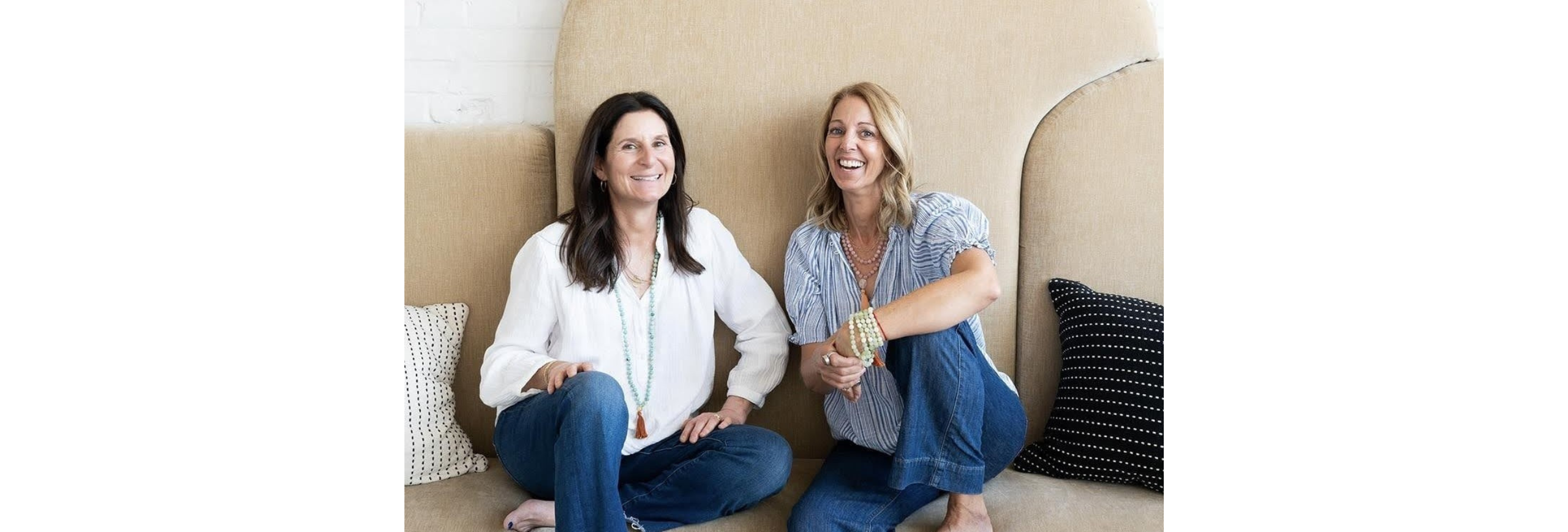
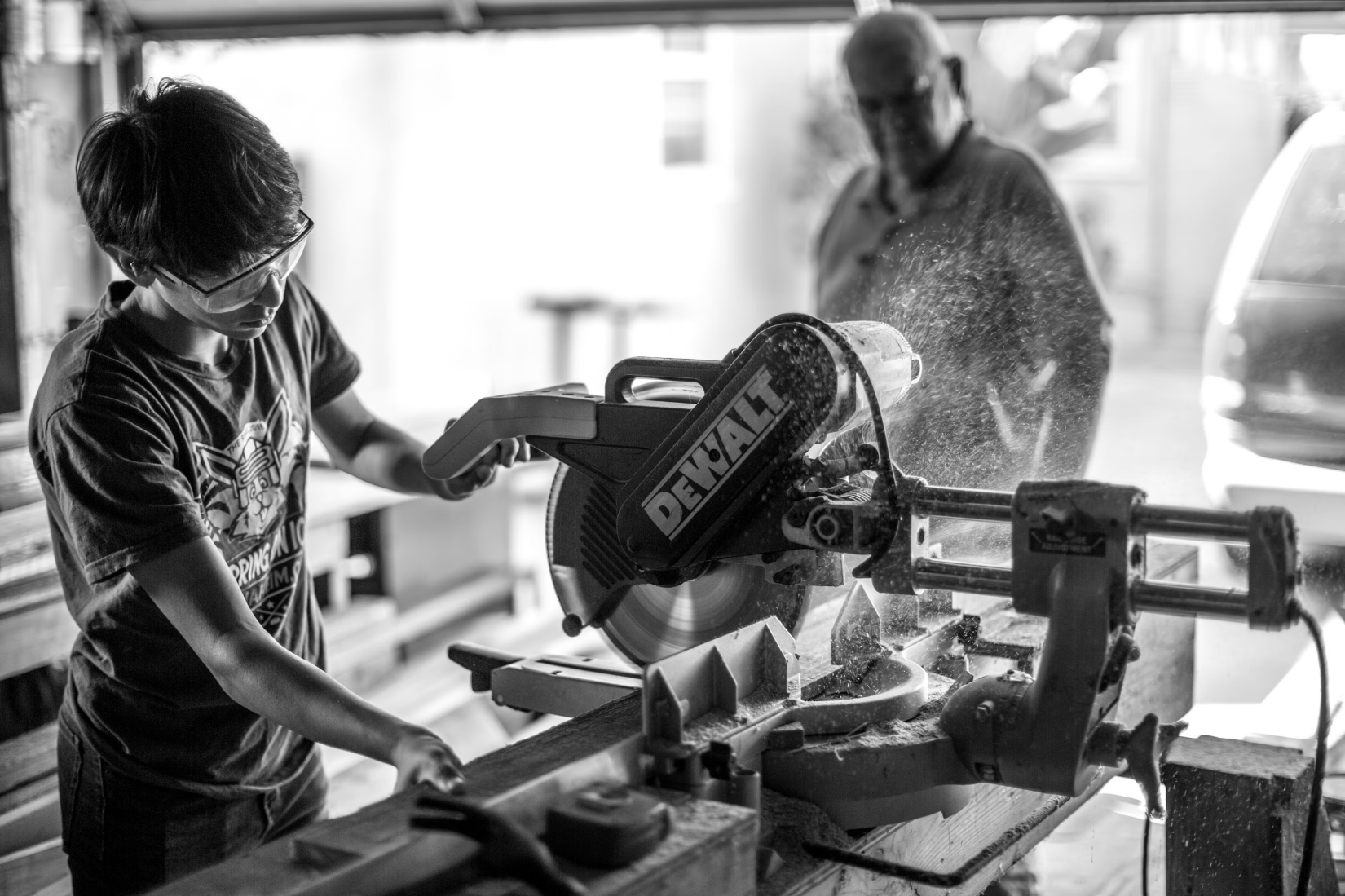
Michelle had always been an artist and painter. Rich was an engineer, woodworker, craftsman, and lifelong builder. One approached projects through an artistic lens; the other brought technical thinking and hands-on craftsmanship. That contrast became an advantage.
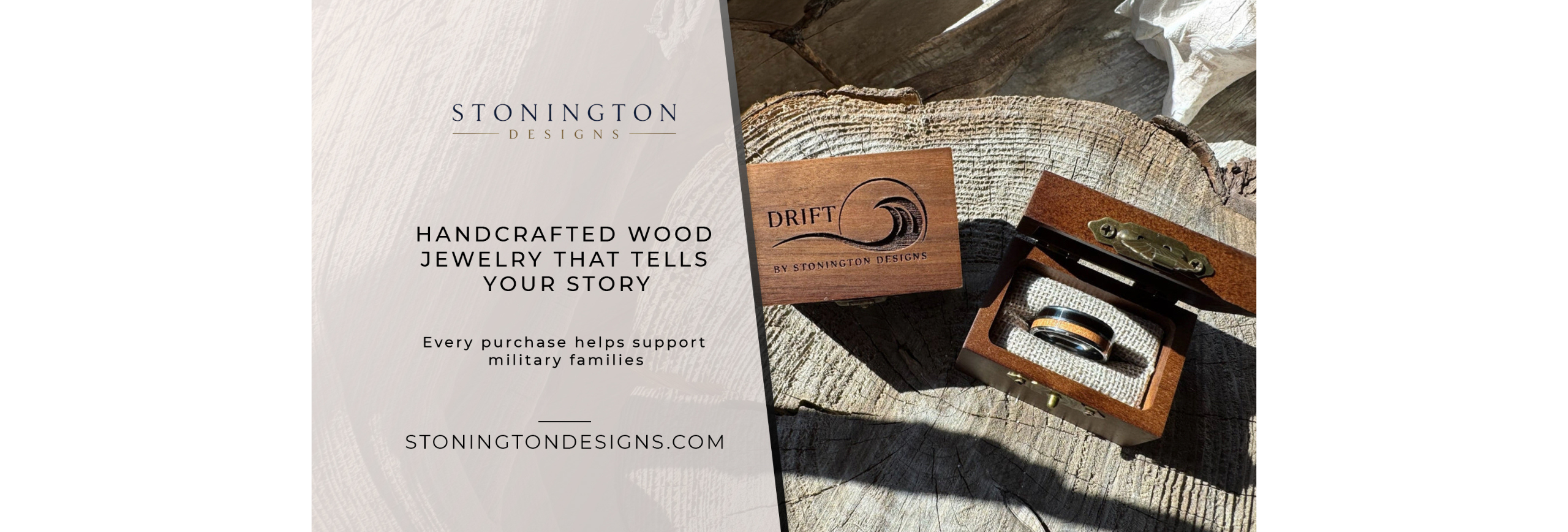
Together, they developed what would eventually become Stonington Designs and its signature Drift by Stonington Designs collection.
When Wood Meets Weaving
At first glance, Drift jewelry stands out because of its material. Wood is not the first thing many people associate with sophisticated jewelry, but that is precisely what makes the collection distinctive.
The Drift collection transforms natural and reclaimed woods into handwoven jewelry with clean, contemporary silhouettes. Instead of trying to make every piece appear identical, Stonington Designs allows the natural characteristics of wood to remain visible. Differences in grain, tone, and texture give individual pieces their own appearance.
The result is jewelry that can feel polished without losing the character of the material from which it was created.
One of the collection’s signature designs is the Legacy Cuff Bracelet, a substantial 3/4-inch woven cuff made with premium hardwood and natural bamboo over a structured core. Each bracelet is individually crafted and handwoven through the company’s Military Spouse Weaving Program.
And Drift isn’t designed around a single gender. Its clean lines, range of widths, and variety of wood tones make the collection intentionally unisex. Women can wear pieces individually or stack them with other accessories, while men have an alternative to more traditional choices such as watches and leather bracelets.
Stonington Designs also extends its wood-and-metal aesthetic through select rings and necklaces in the Encore collection.
Craftsmanship That Creates Opportunity
As the company grew, Michelle and Rich encountered a challenge familiar to many businesses built around handmade products: how do you increase production without losing the human element?
Their solution was not to simply remove the hands from the process.
Instead, Stonington Designs developed its Military Spouse Weaving Program, training military spouses to participate in the production of its woven jewelry. The program is structured around flexibility, an important consideration for families whose lives may include deployments, relocations, childcare responsibilities, and changing schedules.
The initiative also has a personal connection for the Drakes. Their son is an Air Force pilot, giving the family a firsthand understanding of military family life.
For Stonington Designs, the program represents an opportunity to pair skilled craftsmanship with flexible earning opportunities while preserving the human involvement that has always been central to the jewelry.
More Than an Accessory
Materials carry their own stories, too.
The company uses natural, reclaimed, remnant, and responsibly selected woods depending on the particular design. It is also exploring ways to incorporate materials connected to meaningful places and experiences, giving certain pieces an additional layer of personal significance.
That approach reflects a broader philosophy behind Stonington Designs: the value of a piece isn’t necessarily determined by how much it costs or how prominently it displays a logo. Sometimes, its value comes from the story attached to it.
As Michelle Drake puts it, “We don’t just want to make beautiful jewelry. We want to create pieces that connect you to a story, where you’ve been, who you love, and the moments you want to carry with you.”
That idea sits at the center of Stonington Designs. From the unexpected partnership that created the company to the natural variations found in every piece of wood, the brand embraces individuality rather than uniformity.
Its jewelry may begin with wood, bamboo, metal, and weaving, but the finished pieces are intended to represent something more personal: a connection to craftsmanship, memories, places, and the moments worth carrying forward.
Written in partnership with Tom White